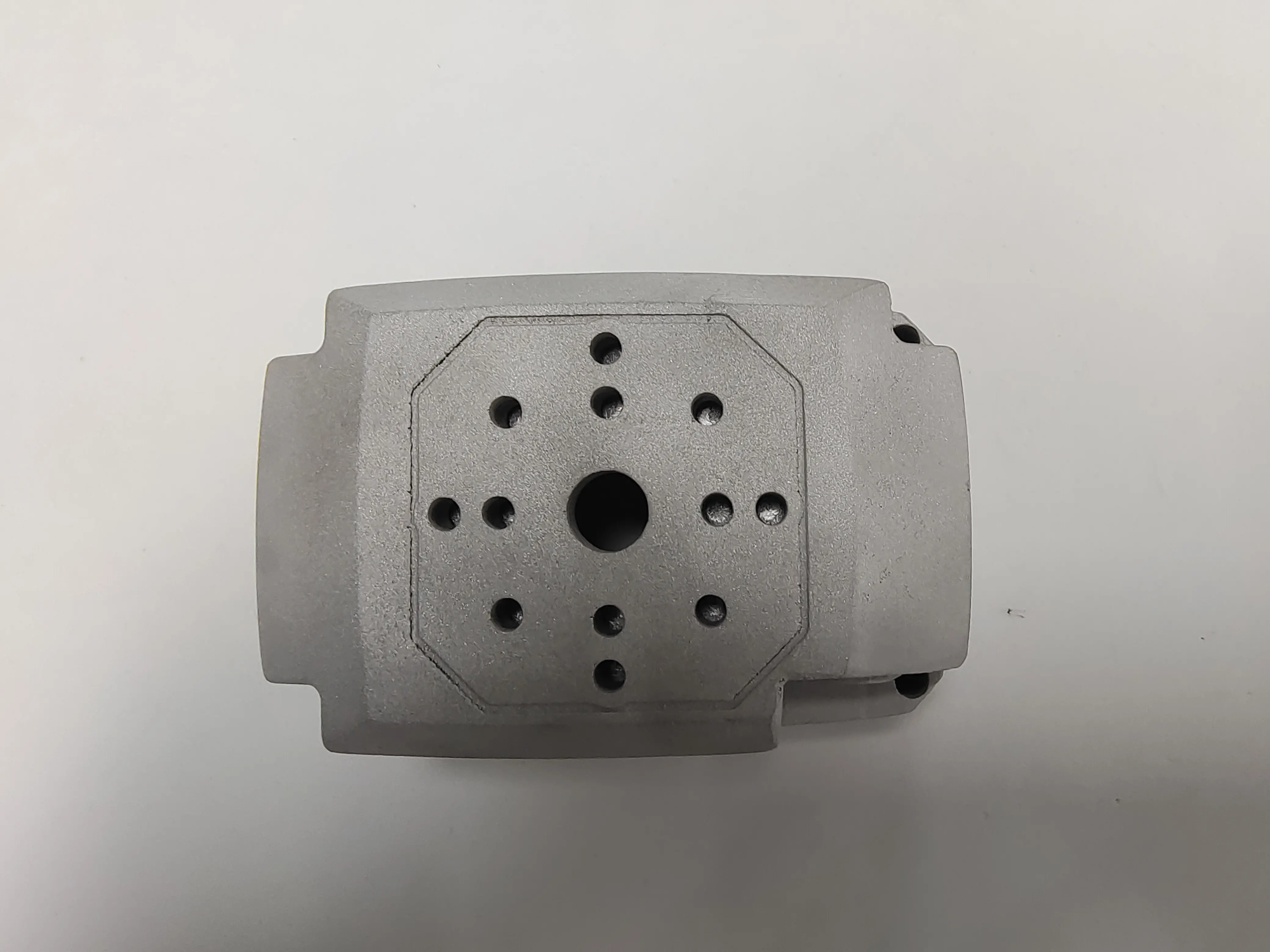
introduce
In the intricate dance of 3D printing, success depends not just on advanced machinery or precise design, but also on seemingly inconspicuous tools such as 3D printer spatula. This important tool is often overlooked, it is your first point of contact with your newly printed part and is the guardian of the integrity of the build plate. Whether you’re prototyping complex metal parts or making polymer models, knowing the basics of a spatula can elevate your workflow from a frustrating one to a flawless one. Let’s dive into why this tool is important and how to utilize it effectively.
The function of 3D printer scraper
A 3D printer squeegee (or squeegee) is a thin, flat-edged tool designed to safely separate printed objects from the build tray. Without it, removing prints can damage delicate components, scratch surfaces, or even cause personal injury. Its importance covers:
- Print protection: Manually prying the print may break thin walls or distort components.
- Build board security audit: Forceful removal can leave scars on glass, PEI, or textured boards that will affect future prints.
- User safety: The right spatula prevents hand injuries from sharp edges or excessive force.
Types of Shovels: Choose Your Champion
Not all spatulas are created equal. Materials and design determine their ideal use cases:
-
Metal spatula:
- Best for: Rigid materials such as ABS, PETG or metal-filled filaments. They provide superior strength.
- Things to note: Can scratch softer build surfaces such as bare glass. Choose from reinforced edges or beveled designs.
-
Plastic/flexible spatula:
- Best for: PLA, TPU or printing on delicate surfaces such as PEI sheets. Unbreakable and flexible.
- *Innovation Reminder:** Heat-resistant models can withstand heating plates up to 120°C.
- Heated spatula:
- Best for: Stubborn printing on high temperature print plates (common in industrial SLA/SLM systems). Heat will slightly weaken the bond.
- Professional insights: This is crucial in metal 3D printing services such as SLM, where the part is closely integrated with the sheet.
Choosing the right spatula: key factors
Your build plate type determines spatula compatibility:
- glass plate: Use a flexible plastic or coated metal spatula to avoid scratches. Slight bevel (~20°) aids leverage.
- PEI/flexible board: Flexible scraper prevents film damage. Pei boards generally allow for gentle bending rather than scratching.
- Texture/Garolite: Metal spatulas excel in this area due to their surface toughness.
- Metal SLM plate: Industrial installations require heated high-strength steel scrapers for molten metal parts.
Use a spatula like a pro
Technology can prevent tragedies from happening:
- cool down: Let the dish cool first. Heat shrinkage causes parts to naturally loosen.
- Angle and Leverage: Place spatula flat on plate. Apply pressure slowly at an angle of only 5-15° for a clean lift.
- Edge positioning: Start around the corner and use a quick, controlled pop (not constant force).
- Bonding strategy: For long-lasting adhesion, use a slice spray of solvent (such as isopropyl alcohol) under the edges without force.
Maintenance and security best practices
- clean: Wipe away residue after use. For resin prints, soak in ethanol.
- Storage: Hang your spatula or store it in a craft tool box with its blade protected.
- examine: Replace if nicked or bent, which is especially important with the precision tools used by prototyping companies to ensure dimensional integrity.
- Safety: It is recommended to wear safety glasses during disassembly – prints can come off explosively.
Innovation in spatula design
Modern innovations include:
- Ergonomic handle: Reduce hand stress during repeated use.
- Interchangeable blades: Switch between materials/tip shapes.
- Magnetic attachment: For quick access in busy workshops.
SLM-focused manufacturers dedicate engineering resources to heated spatulas or integrated separation processes, minimizing the cost of bidet operator intervention.
in conclusion
The 3D printer squeegee is an example of how a humble tool can impact workflow safety, efficiency and print quality. By choosing the right type of build surface for your build surface, mastering removal techniques, and properly maintaining your tools, you can protect your project and equipment investment. For industrial users who want to avoid processing difficulties with complete professionalism, some companies employ additional post-processing stages to prepare prints in a delivery-ready state, ensuring that delicate extrusions arrive intact. In metal prototyping settings with advanced SLM printers, optimizing separation has practically become a science. Remember: In 3D printing, mastering mechanics can extend from hardware calibration to the simplicity of smooth scraping success.
FAQ: 3D Printer Spatula Solved
Can I use a regular putty knife as a 3D printer spatula?
Not recommended. Standard putty knives are often too thick, inaccurate, and have sharp uncapped edges that risk damaging the plate or print. The dedicated 3D spatula is thinner, bevelled and made of optimized materials.
Are metal scrapers safe for all build platform boards?
Can’t. Avoid using metal scrapers on bare glass, PEI panels or polycarbonate surfaces due to the risk of scratching. Only use them on solid/textured areas