Introduction: The evolving landscape of additive manufacturing
In the dynamic world of 3D printing, binder jetting stands out for its unique ability to transform powdered materials (metals, ceramics, sand and composites) into complex functional parts. ExOne is at the forefront of this revolution, with technological advancements that redefine manufacturing scalability and materials versatility. As a leader in rapid prototyping, GreatLight leverages these innovations along with advanced Selective Laser Melting (SLM) systems to solve complex metal part challenges. With expertise from prototyping to post-processing, we enable the industry to iterate faster, customize freely and produce efficiently. In this article, take a closer look at ExOne’s groundbreaking binder jetting advancements and how they are improving modern manufacturing.
ExOne’s Binder Jetting Breakthrough: A Paradigm Shift
1. Material versatility beyond precedent
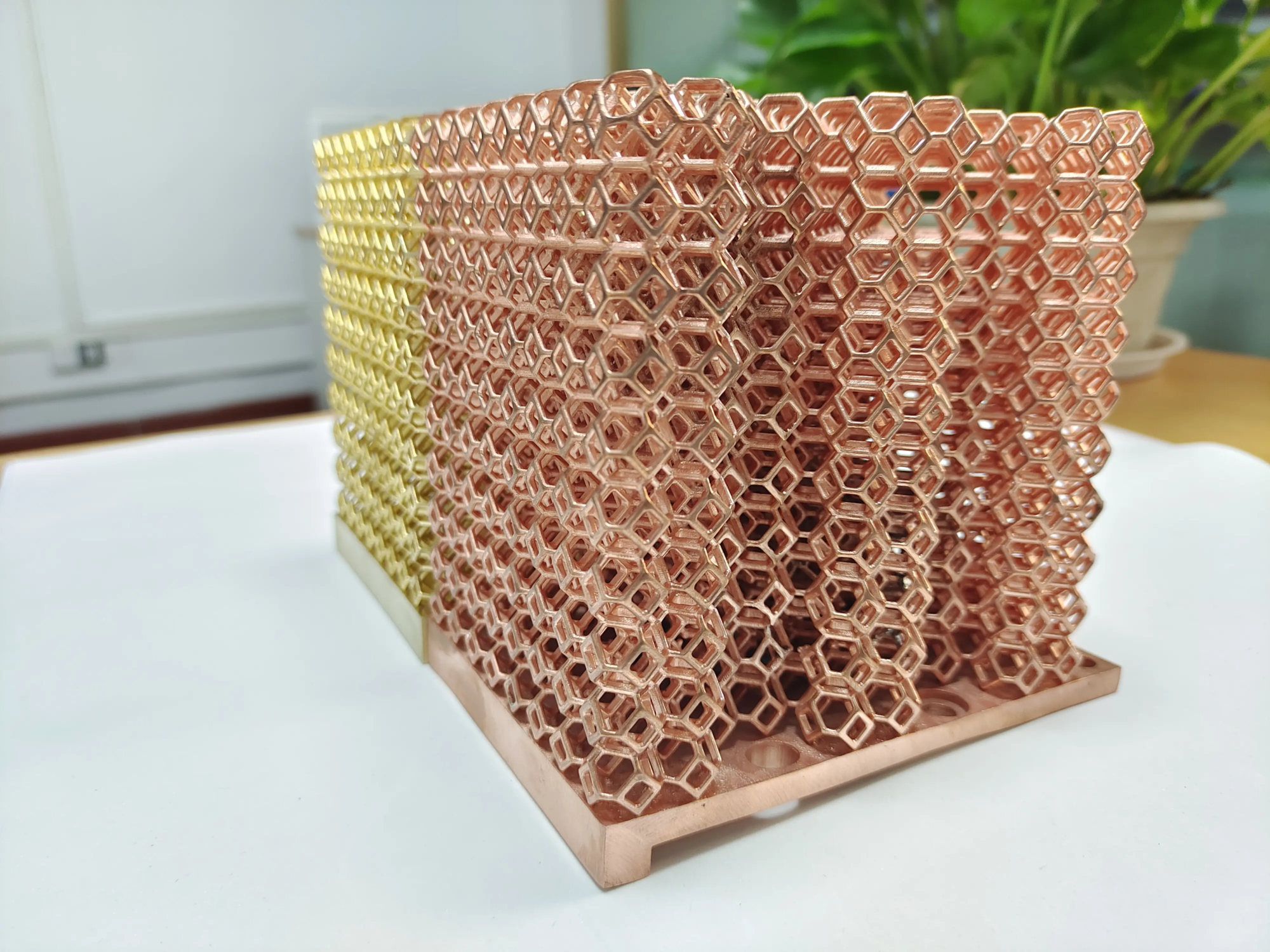
ExOne was the first to expand its product range from traditional stainless steel and aluminum to specialty alloys such as tungsten carbide, copper composites and silicon carbide. Unlike subtractive methods that are limited by processing limitations, the particle bonding process of binder jetting enables complex geometries in ceramics and tool steels—materials critical to the aerospace and automotive industries. At GreatLight, this means delivering custom prototypes of heat-resistant alloys or friction-optimized composites to customers at speeds unachievable with traditional CNC.
2. Ultra-high-speed production and large-scale printing
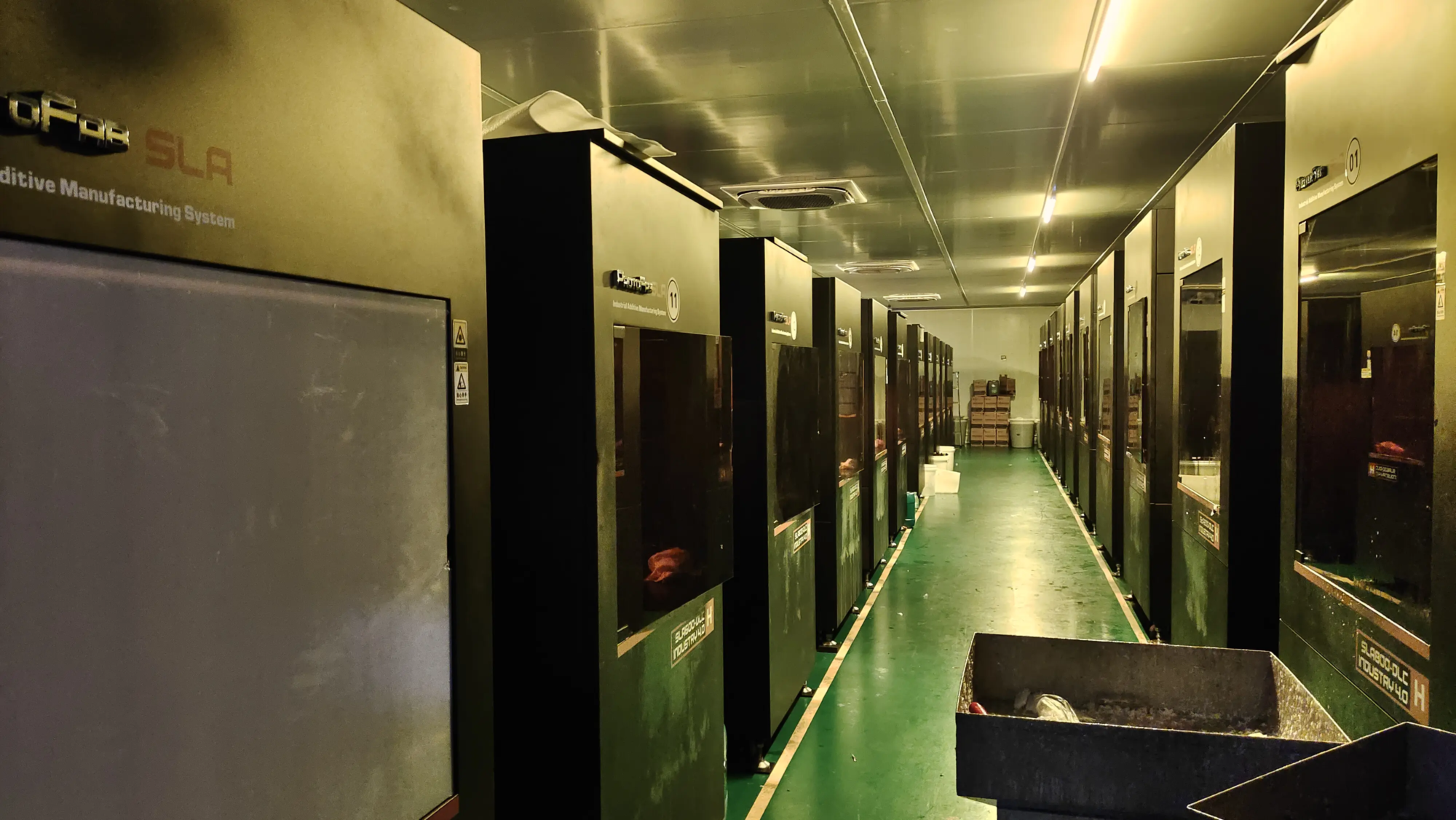
ExOne’s printheads eject millions of drops per second, democratizing rapid batch production. For example, their X1 25Pro printer expands the build volume to 400 x 250 x 250 mm, making it ideal for volume production of automotive molds or turbine parts. Use this in conjunction with ExOne’s AI-driven layer alignment algorithm to ensure consistent density across layers, resulting in near-zero waste. GreatLight leverages a similar high-throughput system to deliver bulk prototype orders within 72 hours.
3. Micron-level precision and surface integrity
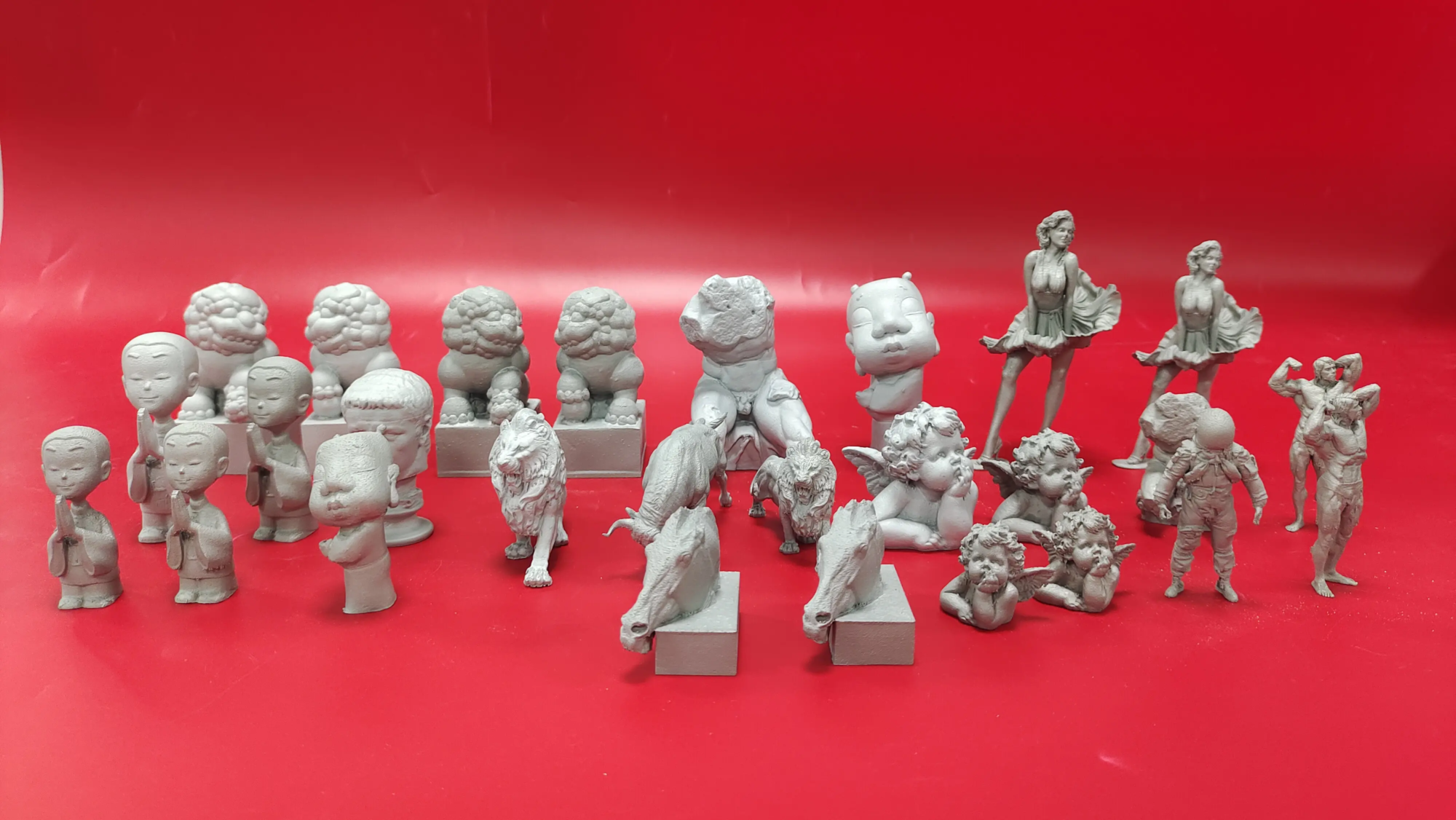
Innovations in droplet control allow ExOne to reduce layer heights to 35 μm (versus the standard 80-100 μm), capturing details comparable to SLM technology. The hybrid binder formulation reduces porosity during sintering, producing parts with surface roughness below Ra 3 μm, ideal for sealing interfaces or medical implants. At GreatLight, our proprietary sintering protocol refines these green parts into isotropic, near-full-density (up to 99.8%) parts.
4. Integrate digital workflows
ExOne embeds real-time quality gates with sensors that track moisture, powder spread, and binder saturation. Combined with cloud-based software, manufacturers can remotely monitor builds and predict defects through digital twins. For GreatLight customers, this means seamless integration: your CAD files are converted directly into traceable, fully documented manufacturing-ready paths.
5. Ecologically efficient production
Binder jetting consumes 60% less energy than SLM and the powder is almost completely recyclable. ExOne enhances this sustainability with solvent-free adhesives and closed-loop powder management, aligning with industries that prioritize green technologies.
The GreatLight Synergy: Technology Meets Turnkey Precision
As a supporting ExOne partner, GreatLight connects the promise of binder jetting with real-world agility:
- Rapid alloy customization: Prototype Inconel® turbine blades or cobalt-chromium orthopedic devices with materials that match the spec sheet.
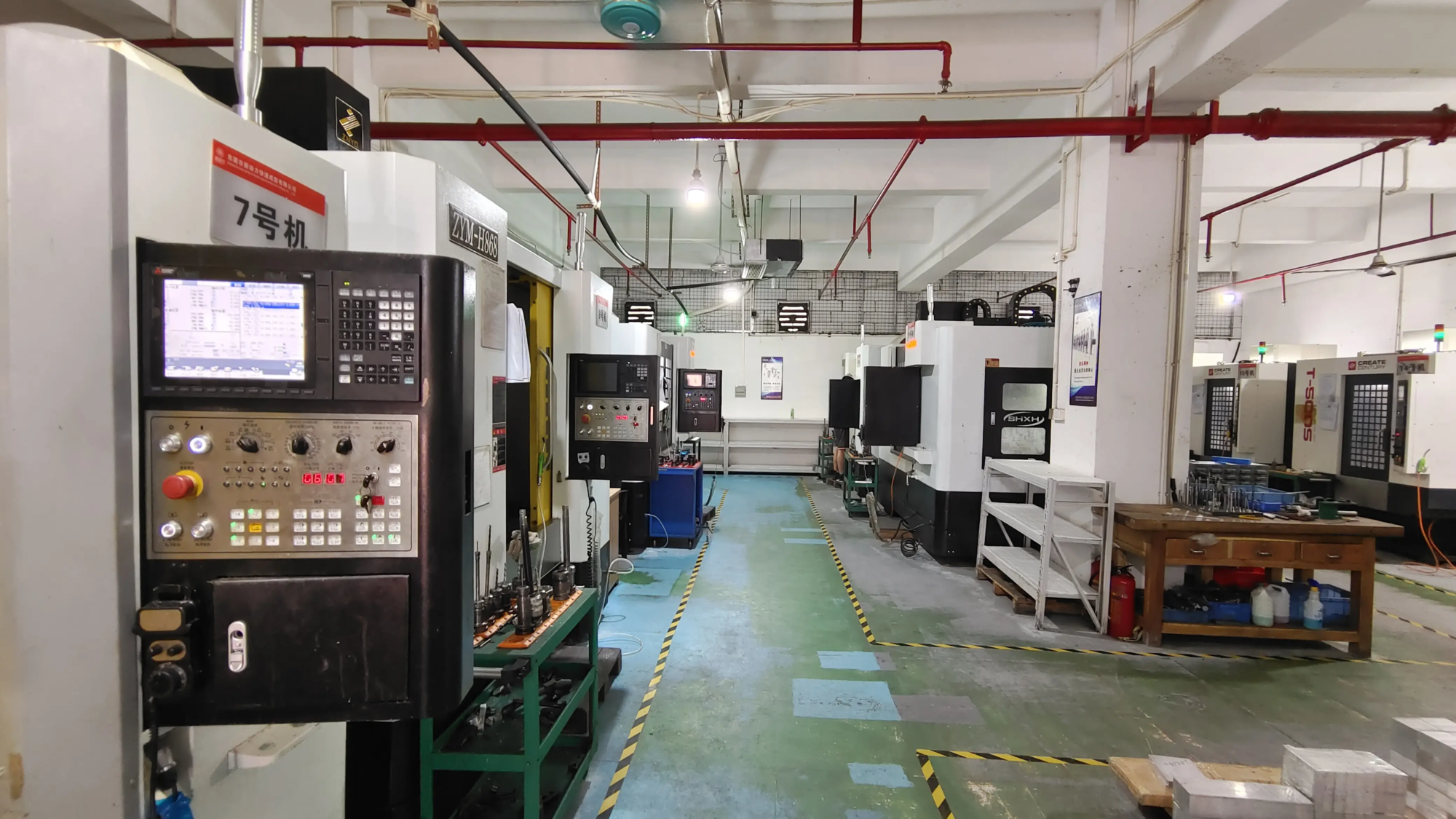
- End-to-end post-processing: Stress relief sintering, CNC tolerance refinement, EDM polishing—all under one roof.
- Hybrid solution: Combine the high-strength fusion of SLM with the detail of adhesive jetting for hybrid prototyping.
Whether you need 30 industrial mold inserts or a parametric heat exchanger prototype by Friday, our one-stop workflow eliminates bottlenecks.
Conclusion: Redefining Tomorrow’s Prototyping
ExOne’s binder jetting leaps and bounds—turbocharged speed, material freedom, digital precision—break the limits of prototyping. This isn’t just an alternative; it’s a strategic evolution toward agile, scalable, eco-conscious production. At GreatLight, we turn these innovations into your competitive advantage: faster, smarter, and more optimized delivery of certified metal prototypes to realize your vision. When the flexibility of additive manufacturing is combined with ExOne’s genius and our processes, the future is limitless.
Customize your precision rapid prototyping projects today – partner with GreatLight for industry-leading speed and quality.
Frequently Asked Questions About Binder Jetting and GreatLight Prototyping Services
Q: How is binder jetting different from SLM?
answer: SLM melts metal powder layer by layer to create high-strength parts, but requires a laser and a controlled atmosphere. Binder jetting chemically bonds particles with a “binder”, allowing for faster printing at lower temperatures and ideal for complex prototypes that require rapid iteration. GreatLight utilizes both based on customer priorities: SLM for highly stressed aerospace mounts; adhesive jetting for detailed automotive intake manifolds.
Q: What metals can the GreatLight process with binder jetting?
answer: We prototype in stainless steel 316L/17-4PH, H13 and other tool steels, copper alloys, nickel superalloys, ceramics and composites, with titanium and carbide options available upon request.
Q: What post-processing is required for adhesive jetting?
answer: “Green Components” Experience:
- skim: Solvent dissolves temporary adhesive.
- sintering: The furnace fuses particles into a dense solid.
- finishing: CNC machining (±0.05mm), shot peening, Teflon coating.
All stages of GreatLight’s processing are ISO 9001 certified.
Q: Why choose binder jetting instead of CNC for prototyping?
answer: For complex geometric designs (lattices, internal channels) or batch production, binder jetting bypasses fixture constraints and processing time. For simple geometries that require high surface finish pre-machining, we recommend CNC.
Q: How does Honglait ensure the quality of prototypes?
answer: Through CT scans, tensile testing and metallurgical laboratories. All parts meet ISO/ASTM standards and have material certificates, which are critical for aerospace, medical and defense approvals.
Q: What is a typical transition for GreatLight?
answer: As China’s premier rapid prototyping center, we 5–7 days——Accelerate the advancement of critical path projects 72 hours.
GreatLight reimagines prototyping: ExOne’s binder jetting meets engineering reliability. Start your custom project today.