introduce
Unlock new 3D printers (the smell of fresh packaging, the glitter of untouched parts) and hope for endless manufacturing potential. Today, we are happy to unpack and review F410 3D printerthis model has a good design and attractive to beginner-friendly features. As a team Greata leading rapid prototyping manufacturer, we bring a unique perspective. Our daily work revolves around industrial SLM Metal 3D printers and high-risk production, but we thank accessible desktops such as the F410 for democratizing prototypes. With our expertise in professional-grade manufacturing, we will not only review the F410 as users, but also be the engineers who know what makes the printer reliable.
Unboxing experience
The F410 is securely packed in a double-layer cardboard box with plenty of foam inserts. No signs of transport losses – a key first victory. Internally, the components are carefully organized:
- Printer chassis: Completely assembled, minimizing setting time. The machine feels sturdy with a rigid metal frame and powder-coated panels.
- Accessories box: Includes power cord, tool kit (hex key, spatula, tweezers), lubricant, spare nozzle, 250g PLA sample spool and SD card with pre-fixed test model.
- Print surface: Removable flexible disk – easy to touch the parts with thoughtful touch.
- document: A clear quick start guide and online links to detailed manuals and firmware files.
First impression? The F410 exudes practicality. Compact (21" x 21" x 18"), but generous The build volume is 220x220x250mm. The enclosed design (with removable side panels) can safely handle the ABS, which is a plus that surpasses the open competitors.
Setting up and calibration
Assembly occupancy Less than 15 minutes. We just fixed the gantry bracket, attached the steel pipe bracket, and leveled the bed with auxiliary manual calibration. The process is intuitive, guided by real-time distance measurements on the knob matrix display. No complex firmware tweaks are required – a beginner’s victory. Load the filaments and select "Preheat," We ran an automatic bed platform sequence (using a capacitive probe) which plotted 25 points for precision. A layer of adhesion is flawless, without manual adjustments – an impressive start.
Key technical functions
- Direct drive: Supports flexible materials (TPU, PETG) and foreign filaments. Maximum temperature: 300°C.
- Quiet operation: The 32-bit motherboard with TMC2209 stepper driver keeps noise below 50 dB.
- Quick heating: The PEI-coated bed reaches 110°C in 3 minutes.
- connect: SD card, USB, and Wi-Fi is open source applications such as Baplein.
- Safety features: Thermal runaway protection, power deceleration recovery and non-flammable housing.
Printing quality and performance
We conducted a series of tests:
- Benign test: The height of 0.15 mm leads to a clean hull, crisp portholes and minimal strings. Dimensional accuracy is within ±0.1mm.
- Overhanging and bridging: The 70° overhang was cleanly treated; the unsupported bridge was up to 100mm sagging bridge.
- High-speed printing: At 100mm/s, the surface texture remains smooth.
- ABS stress test: Print torque wrench on a bed at 245°C/100°C. Zero warpage and layer adhesion are very good.
The direct drive extruder outperforms Bowden’s setup on flexible wires – the appearance of the Ninja Unicorn is flawless. Due to the thermal tolerance of 300°C, the material swap is very active. PEI beds do not require adhesive; "pop up" It cools smoothly.
advantage
✓Plugin settings
✓Excellent filament versatility
✓ Powerful, almost advantageous operation
✓ Reliable out-of-the-box calibration
shortcoming
✗Proprietary nozzle design limits third-party options
✗Nozzle cooling fans may be more powerful for layers below 0.1mm
in conclusion
The F410 offers excellent value for the $500 price bracket. Its robust construction, intuitive operation, and the performance of engineering-grade materials make it the go-to choice for amateurs, educators and startups. For prototyping that doesn’t have headaches every day, it weighs much more than it weighs.
But what if your project requires industry rigorous?
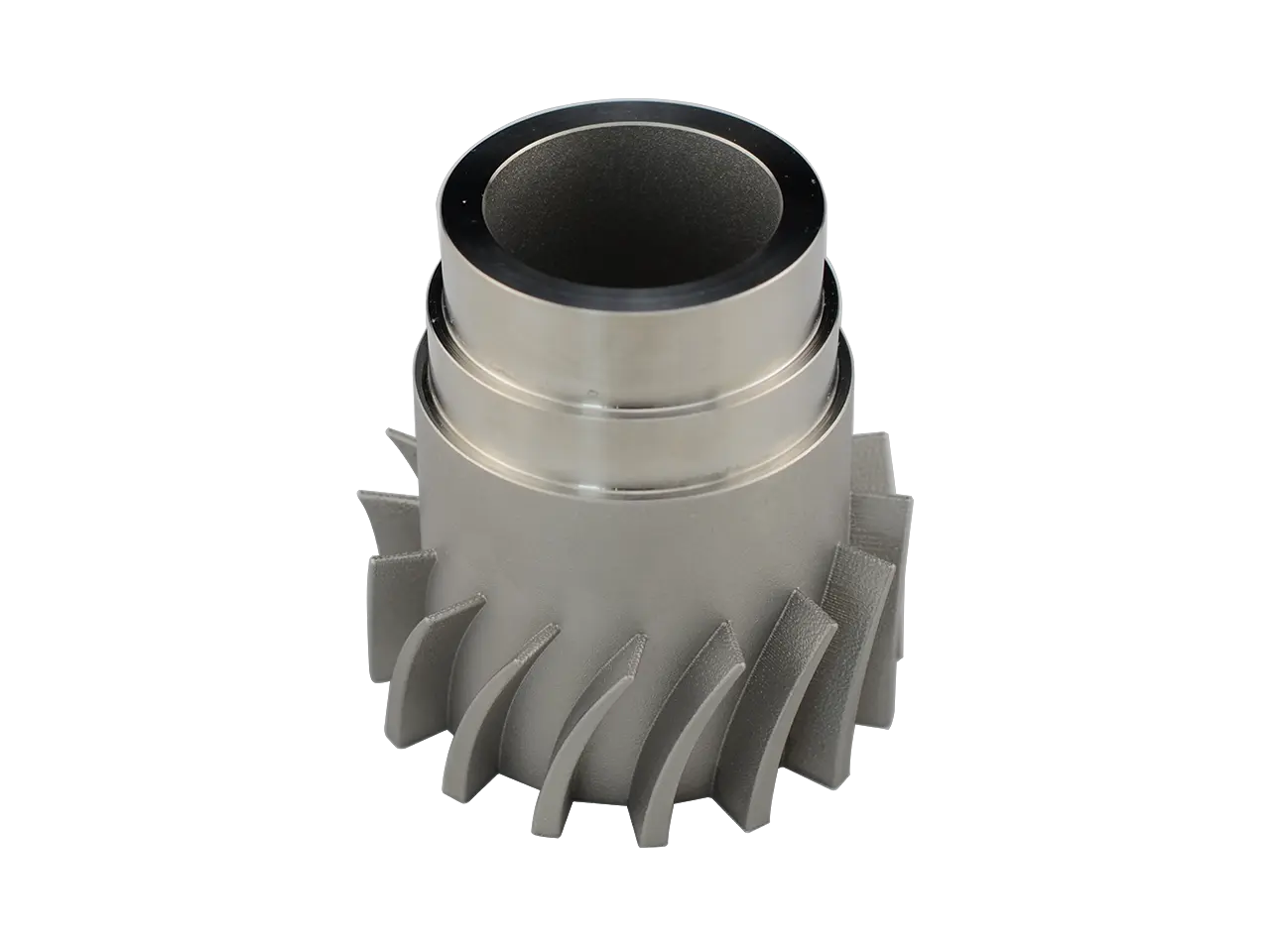
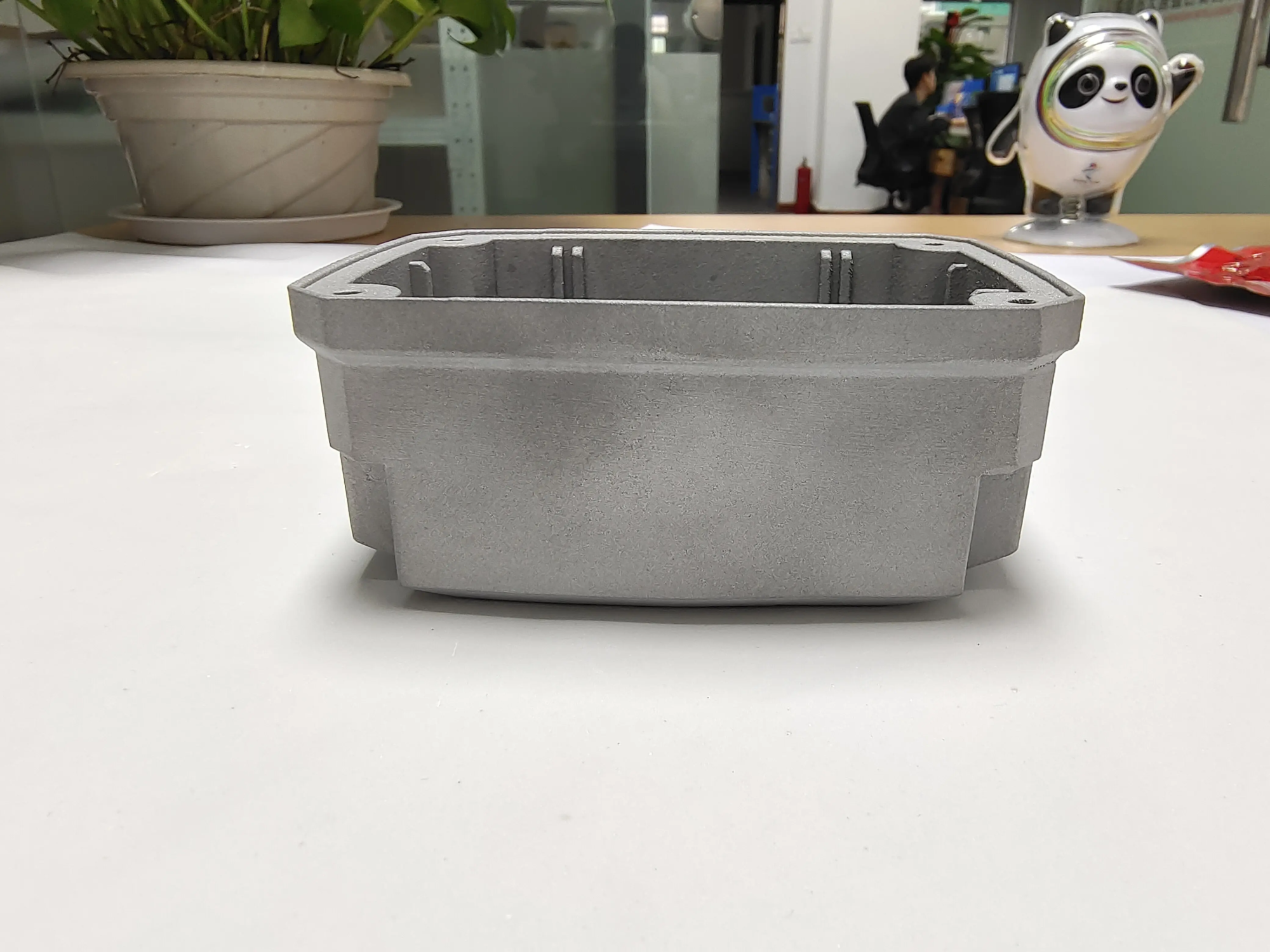
As Great – A major rapid prototyping service – We recognize that the F410 performs well in desktop innovation. but Mission-critical prototype or production operationOur core expertise bridges the gap. and SLM Metal 3D Printerjet fuel heat-resistant alloys, as well as services such as CNC machining, electroplating and heat treatment, we convert prototypes into certified end-use parts. Need SLS nylon hinges, titanium aerospace bays or FDA-compliant medical equipment? Our one-stop solution deals with complexity and no amateur machine can match. Customized materials, tolerance within 0.05mm, delivery time is 5 days? That’s our every day.
FAQ
Q1: What material can F410 print?
A: Composite materials such as PLA, PETG, ABS, ASA, TPU, wood/carbon fiber-Pla and engineering polymers (nylon, PC) (if fixing the fixing plate). Maximum nozzle temperature: 300°C; bed: 110°C.
Q2: Does it support double squeezing?
Answer: Not local. Unless modified, the F410’s single popularity will limit multi-material printing.
Q3: How loud is the printer?
A: 50 dB during printing (quieter than dialogue), suitable for office environments.
Question 4: Can Greatlight produce parts with a capacity greater than F410?
Answer: Absolute. Our industrial printers provide polymers with up to 800x600x800mm build volumes, and metal SLM prints have a build volume of 450x450x500mm.
Q5: Does F410 support network printing?
A: Yes, via Wi-Fi. Remotely monitor printing using applications such as Eight Trans.
Question 6: What if my project requires functional metal parts?
A: Greglight’s SLM service can accommodate stainless steel, aluminum, titanium, inconel, etc. Through the material certificate, we achieve density of over 99%.
Question 7: Can Greatlight handle post-processing?
Answer: Complete. We provide shooting, dyeing, powder coating, CNC machining, precision polishing and EDM for complex geometries.
Question 8: Which industries benefit from your services?
A: Aerospace (flying turbines), automotive (fixture/end-use parts), medical (HIPAA grade implants) and energy sectors rely on our certification workflow and rapid transformation.
Are you ready to make a prototype outside of the desktop? Upload your CAD file to [GreatLight Directory URL] For instant DFM feedback and competitive quotes – usually delivered within 2 hours.