A feathered future: How 3D printing could revolutionize parrot conservation and beyond
The vibrant flash of a parrot’s feathers or the unique curve of its beak are wonders of nature. However, many parrot species face existential threats—from habitat loss to the illegal wildlife trade. This stark reality requires innovative solutions. Advanced 3D printing technology is changing the way we approach parrot conservation, education and even ethical companionship alternatives. It’s not just copying; This is resurrection through precision engineering.
Why parrots need our technical help
Parrots are among the most endangered birds in the world, with nearly a third of the species threatened. Museums and educational institutions strive to ethically display well-preserved specimens, while researchers require accurate models for anatomical studies without sacrificing precious lives. At the same time, the pet trade fuels illegal trapping, resulting in rehabilitated birds that are unfit for release and require companionship. Traditional solutions, such as taxidermy, are often fragile, have ethical issues, and lack customization. 3D printing offers a scientifically rigorous alternative that blends form, function and compassion.
3D printing parrot anatomy: designing lifelike avatars
Creating a believable replica of a parrot requires a complex mix of materials. Modern rapid prototyping is implemented as follows:
-
Digital photorealistic capture:
It begins with a high-resolution 3D scan of a reference sample or fossil. Advanced photogrammetry, or CT scanning, captures intricate details—feather follicle patterns, skull structure and bone details. CAD software then optimizes these models for printability while maintaining anatomical accuracy. -
Material selection and multi-technology printing:
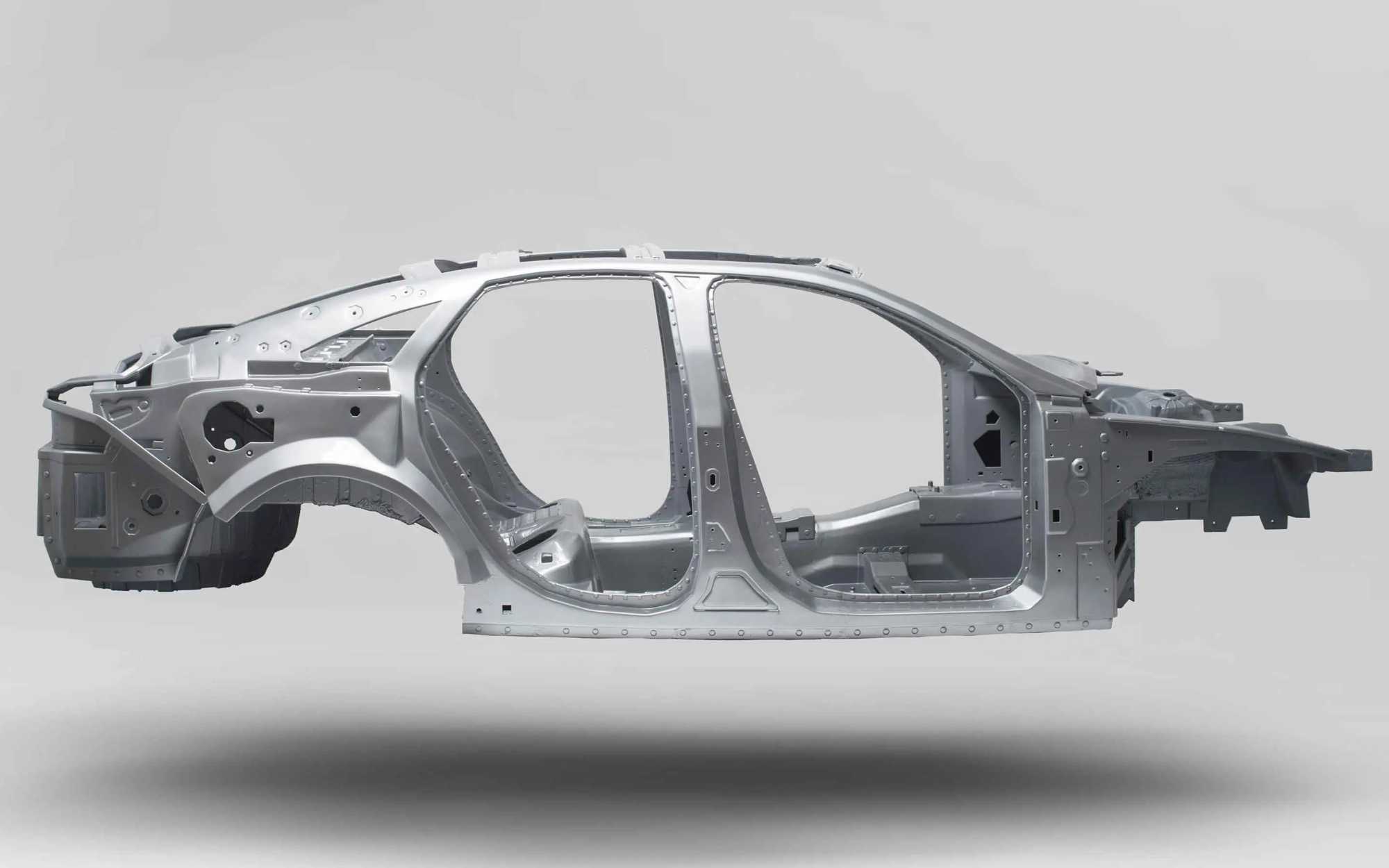
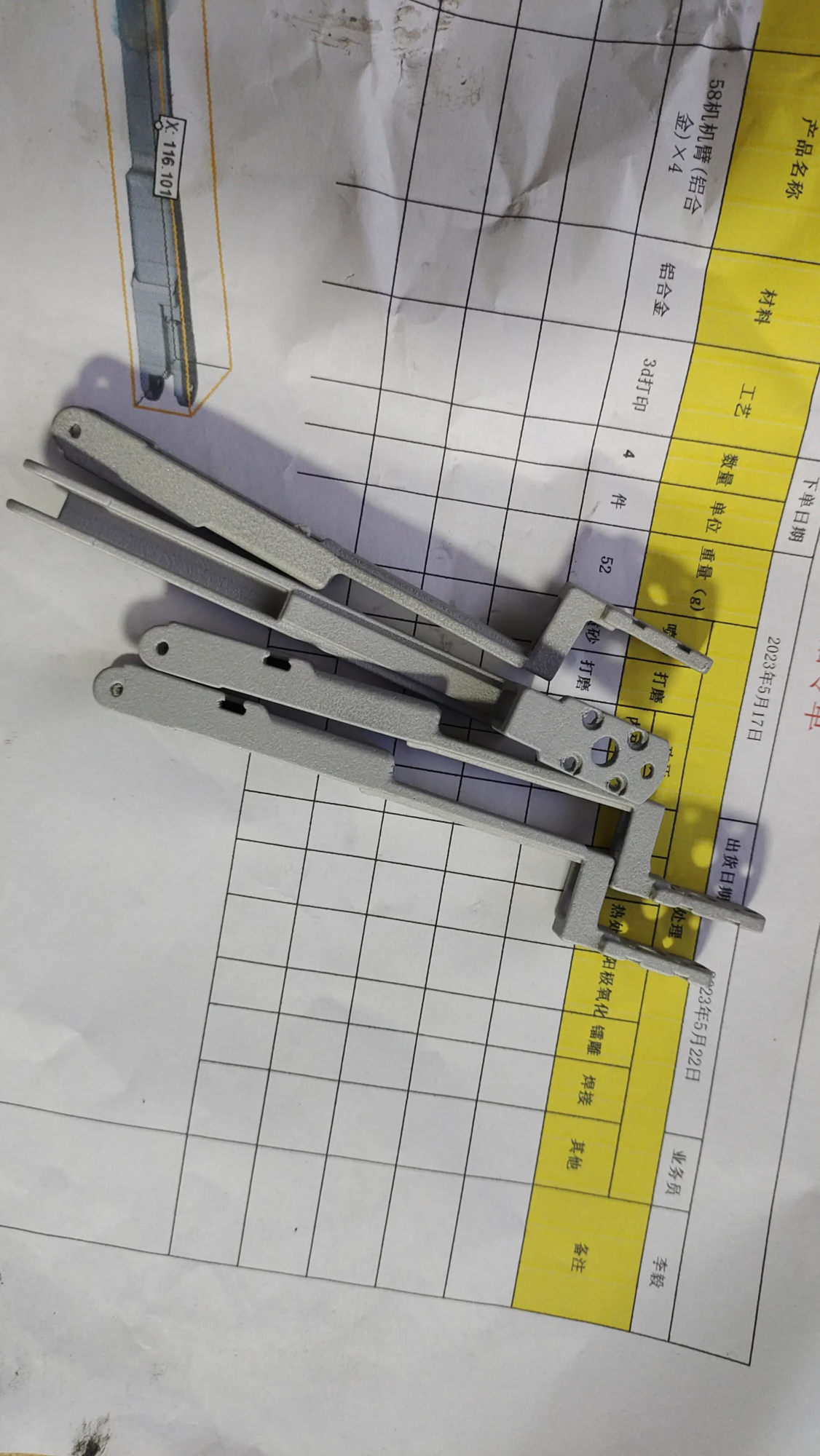
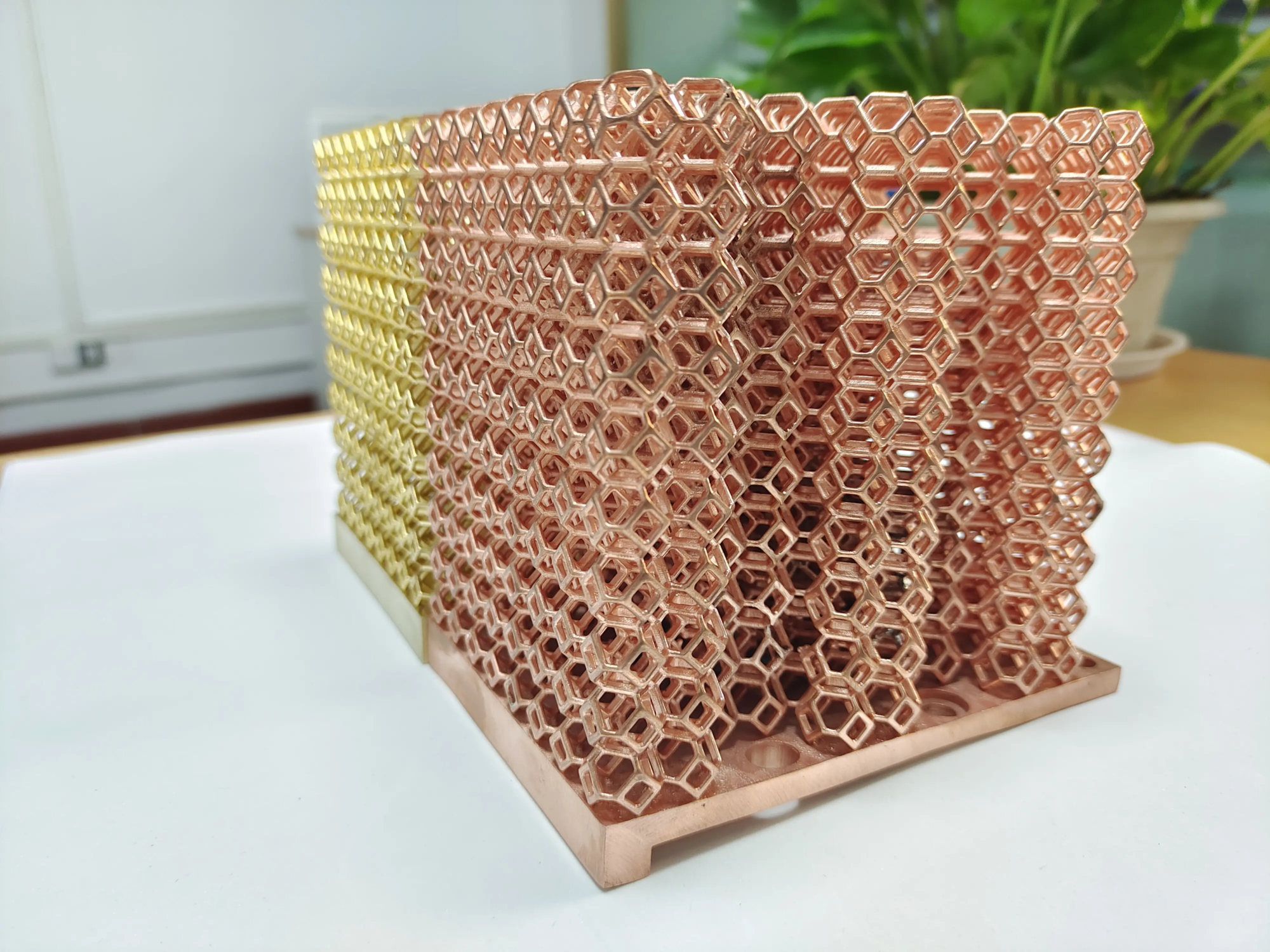
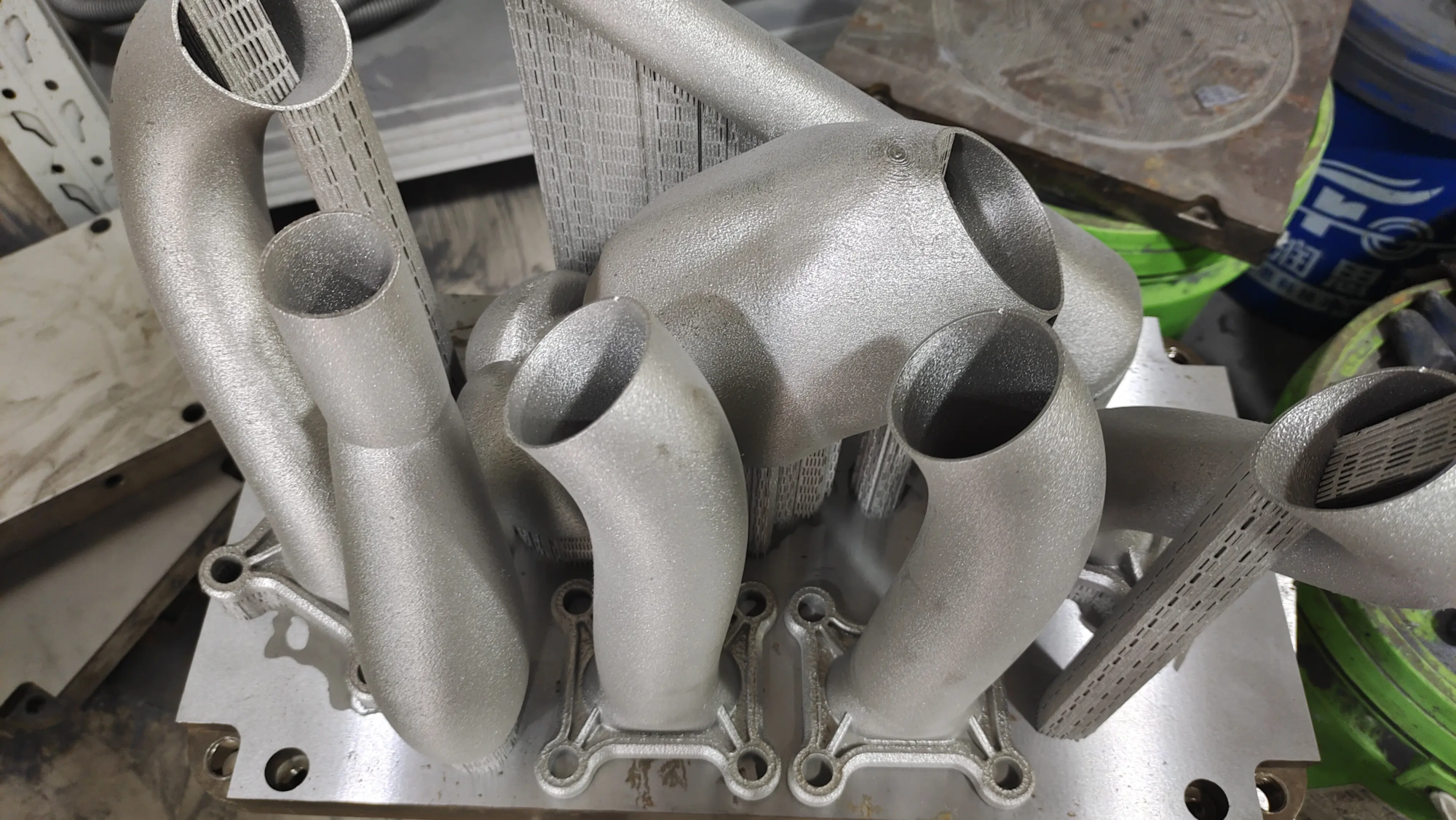
- Core structural components (skeleton/beak/claws): Selective laser melting (SLM), a powder bed fused metal 3D printing method, excels in this regard. Using biocompatible titanium or stainless steel, SLM produces an ultra-strong, lightweight internal skeleton, a durable beak (better than resin or plastic), and lifelike claws with a complex internal lattice that reduces weight while ensuring sturdiness. (GreatLight specializes in SLM, mastering complex geometries and delivering superior mechanical properties for these demanding applications.)
- Body and soft tissue simulation: Flexible photopolymer resin (via stereolithography – SLA) mimics skin and muscle textures. Multi-jet printing allows for different densities to be embedded within a single component for a more natural bend and feel.
- feather: The cutting edge of realism. The researchers used micro-SLA or multi-material printing systems to experiment with complex printed microstructures that simulate barbs and shafts. Alternatively, advanced technology could digitally design feather arrays and embed real synthetic feathers into printed sockets to achieve unprecedented realism and dynamic movement potential.
- Post-processing mastery: This stage breathes life into the print. The metal parts are precision finished (solvent smoothing, polishing, underlying ceramic-metal composite for the enamel-like beak). Non-metal parts are carefully sanded, primed, and hand-painted using a bird-specific palette. Weight distribution has been fine-tuned. Highly specialized services, like those offered by GreatLight, integrate every step—surface preparation (texturing, painting), assembly of complex removable joints, feathering integration—into a seamless, museum-quality result. this "one stop shop" Capabilities are critical for complex biological models.
Cutting edge advantages over traditional methods
- Unmatched precision and customization: Reproduce individual birds, scale prints (life-size to giant anatomical displays), or correct deformities in veterinary training models.
- Conservation ethics: No need to display/study wild caught specimens. Provide captive birds that cannot be released with concentrates that mimic the same species.
- Durability and stable quality: Metal-reinforced construction resists degradation. Digital documentation ensures perfect reproducibility.
- Education and research capabilities: Interactive anatomy models allow dissection-free learning of complex musculature and bone joints. Accurate models facilitate biomechanical studies.
- Potential partners: An ethical, lifelike companion for parrots in shelters or for owners looking for a wild-caught alternative.
Exploring technology horizons (and current limitations)
Despite impressive progress, challenges include:
- Dynamic Feather Movement: Individual joints that closely mimic thousands of feathers are still being developed. Advanced robotics and smart materials integration are potential avenues.
- Multi-material integration: Seamlessly combining rigid metals, flexible polymers, synthetic feathers and electronics (for sound/motion) requires advanced workflow integration.
- Cost of scale: Although costs continue to decrease, museum-quality bird replicas are still a significant investment, especially if metal is involved. Batch printing optimization helps manage this.
However, this trajectory suggests that within the next decade, hyper-realistic avian avatars will integrate sensory feedback and movement.
Conclusion: A new dawn for bird involvement
3D printed parrots represent more than just a technological novelty; they embody a paradigm shift. By harnessing the power of advanced rapid prototyping, specifically complex metal SLM printing combined with detailed post-processing, we can protect endangered species, deepen scientific understanding, educate the public, and build ethical friendships. The convergence of frugality and cutting-edge manufacturing begins "feather future" Technology actively protects natural biodiversity. For ambitious projects that require the anatomical fidelity of metal or biocomposites, expertise in precise, durable rapid prototyping becomes indispensable. The leader in the field is equipped with advanced SLM technology and comprehensive finishing capabilities to transform these complex bird visions into tangible, scientifically valuable realities – meticulously crafted one layer at a time.
Designed to meet stringent requirements for the highest metal part accuracy, biocompatibility standards and durable finishes, GreatLight quickly transforms complex CAD designs into reality. Utilizing advanced SLM printers and integrated post-processing solutions, we offer superior end-to-end rapid prototyping (complex mechanisms to textured finishes) at optimal cost efficiency.
3D Printed Parrot FAQs
Q: Why do parrots use metal (such as titanium) instead of plastic for their beaks/frames?
A: Plastic degrades over time and lacks the structural integrity for load-bearing functions such as beaks. Metal (titanium/stainless steel) printed with SLM offers unparalleled strength-to-weight ratio, longevity, biocompatibility (safe handling), and creates the true perception of weight that is critical for realistic movement and balance.
Q: How realistic is it? "printed feathers"?
A: It’s difficult for pure prints to match the flexibility and complexity of natural feathers. Current cutting-edge methods combine printed sockets (for connections) with complex synthetic feathers. Direct printing shows promise for microstructured feather components that mimic barbules.
Q: Are 3D printed parrots used in conservation programs?
Answer: Yes! Replicas in the ecomuseum display replace wild-caught specimens. They can also serve as enrichment tools – social companions for captive birds that cannot fit into the flock – reducing pressure on protected areas and improving welfare.
Q: Can I scan an existing bird to create a replica?
A: Technically yes, but ethical considerations are paramount. Unstressed injured birds or ethical specimens can be scanned. Fossil replicas for educational purposes are also often created using this method.
Q: How durable are 3D printed parrots?
A: Metal-reinforced printed parrots are extremely durable and capable of long-term display and handling. Durability varies by material; metal parts may last decades, while synthetic feathers/wearable flexible parts require planned maintenance/replacement.
Q: Which type of 3D printing has the highest biocompatibility?
A: Selective laser melting (SLM) using biocompatible titanium alloy (Ti-6Al-4V) or cobalt-chromium alloy meets strict ISO standards, making the alloy suitable for implants and safe for interaction with birds in simulated beak contact.
Q: Can GreatLight handle complex assemblies with metal and non-metal integration?
Answer: Of course. Our expertise includes designing, printing and assembling parts using metals (SLM), plastics (SLA/FDM) and elastomers. Advanced precision machining, bonding and painting capabilities allow us to create complex, multi-species models ready for real-world use. Our comprehensive one-stop-shop services seamlessly manage these complexities.