introduce
Picture this: you’ve designed a stunning 3D model, sliced it perfectly, and fired up the printer. However, instead of smooth layers, you get brittle parts, inconsistent squeezing, or odd popping sounds. The culprit? Often, moisture is trapped in the filament. enter Filament drying box – The indispensable but often overlooked hero in achieving professional 3D printing.
Why Humidity is the Natural Enemy of Filament
Most 3D printing materials (PLA, PETG, nylon, TPU) are hygroscopic and absorb moisture from the air. This results in:
- Steam explosion: Steam pockets evaporate during the extrusion process → bubbles and pitting on the surface.
- weakness: Moisture molecules destroy polymer chains → making the print brittle and brittle.
- Print quality collapse: Increased friction → inconsistent extrusion, under-extrusion, stringing and spotting.
Without proper drying, even high-quality filament can degrade into a source of frustration.
The science of filament drying ovens: more than just storage
Filament drying chambers actively combat moisture exposure by:
- Hermetic seal: Locking lid with silicone gasket prevents moist air from entering.
- Desiccant: Silica gel packets or molecular sieve beads absorb ambient humidity passively.
- Active heating (optional): An integrated heater (~45–55°C) bakes out moisture, restoring degraded filaments faster than using desiccant alone.
- Hygrometer: Built-in humidity monitor displays real-time humidity levels below 20% (ideal).
Why Every Printer Needs a Dedicated Dry Oven
- Preservation of physical investment: Extended shelf life of filament – critical for expensive composite materials such as CF-nylon.
- Ensure printing consistency: Eliminates defects caused by humidity during printing.
- Reduce waste: Save time on failed prints, material experiments, and rebaking filament in the oven.
- Materials for high demands: Essential for water-consuming filaments such as PETG or PVA.
Choose Your Defense: Dry Oven Types Comparison
| type | how it works | most suitable | limitation |
|---|---|---|---|
| Passive | Desiccant only | PLA, low humidity environment | Slow drying (~24–48 hours) |
| positive | Heater + Desiccant | Nylon, TPU, humid climate | Higher cost, dependence on electricity |
| DIY | Storage box + rechargeable desiccant | Budget user, occasional printing | Variable sealing effect |
| commercial | Optimized airflow, smart humidity control | Professionals, printing farms | Excellent price |
For tips: Dry box to prevent moisture period Feed directly into the extruder via PTFE tube for printing, no need to unload.
Optimize drying oven performance
- Desiccant maintenance: Refill the color-changing silicone monthly in the oven (120°C/248°F, 2 hours).
- Pre-dried new filament: Always dry filaments forward First time use – factory fresh ≠ dry!
- Match capabilities to needs: Drying ovens range from 1 kg spools to industrial versions over 10 kg.
- For use with a dryer: For severely damp nylon, pre-bake in a dedicated dryer before transferring to dry box storage.
Beyond Filament Care: Precision in Prototyping
While filament integrity is fundamental, truly exceptional 3D printing requires end-to-end precision, especially for functional prototyping. This is where a professional manufacturing partner enhances results.
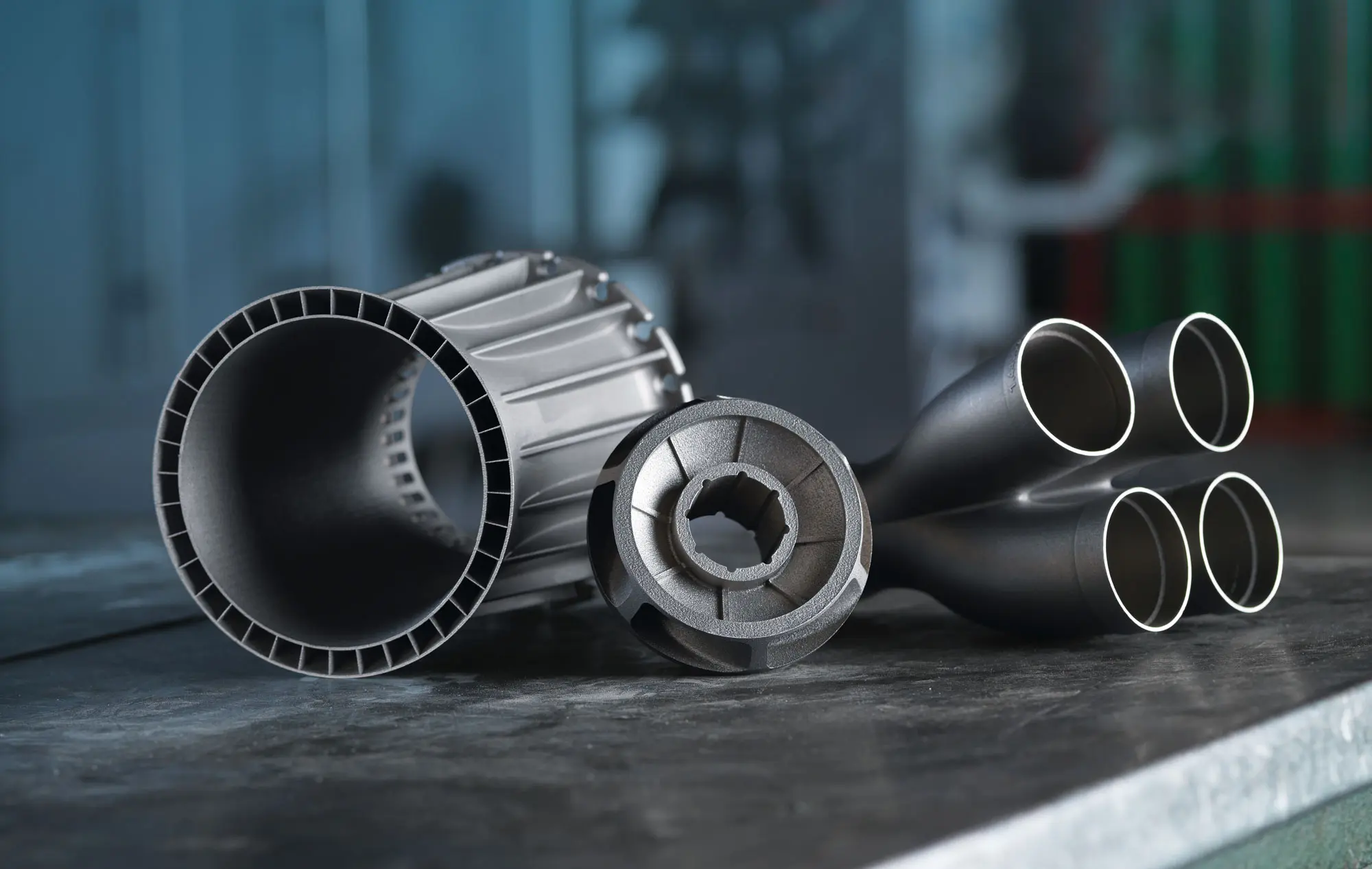
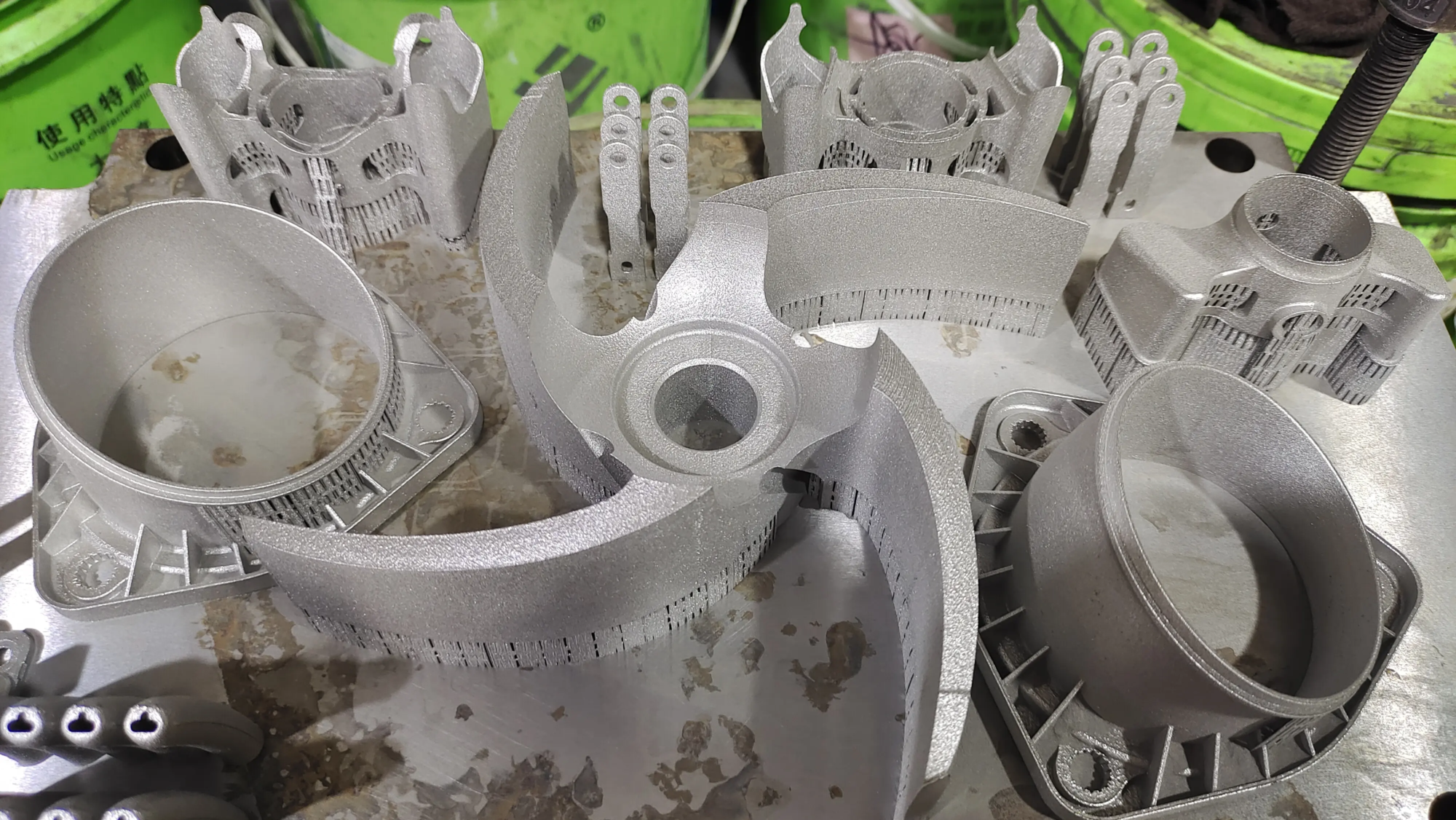
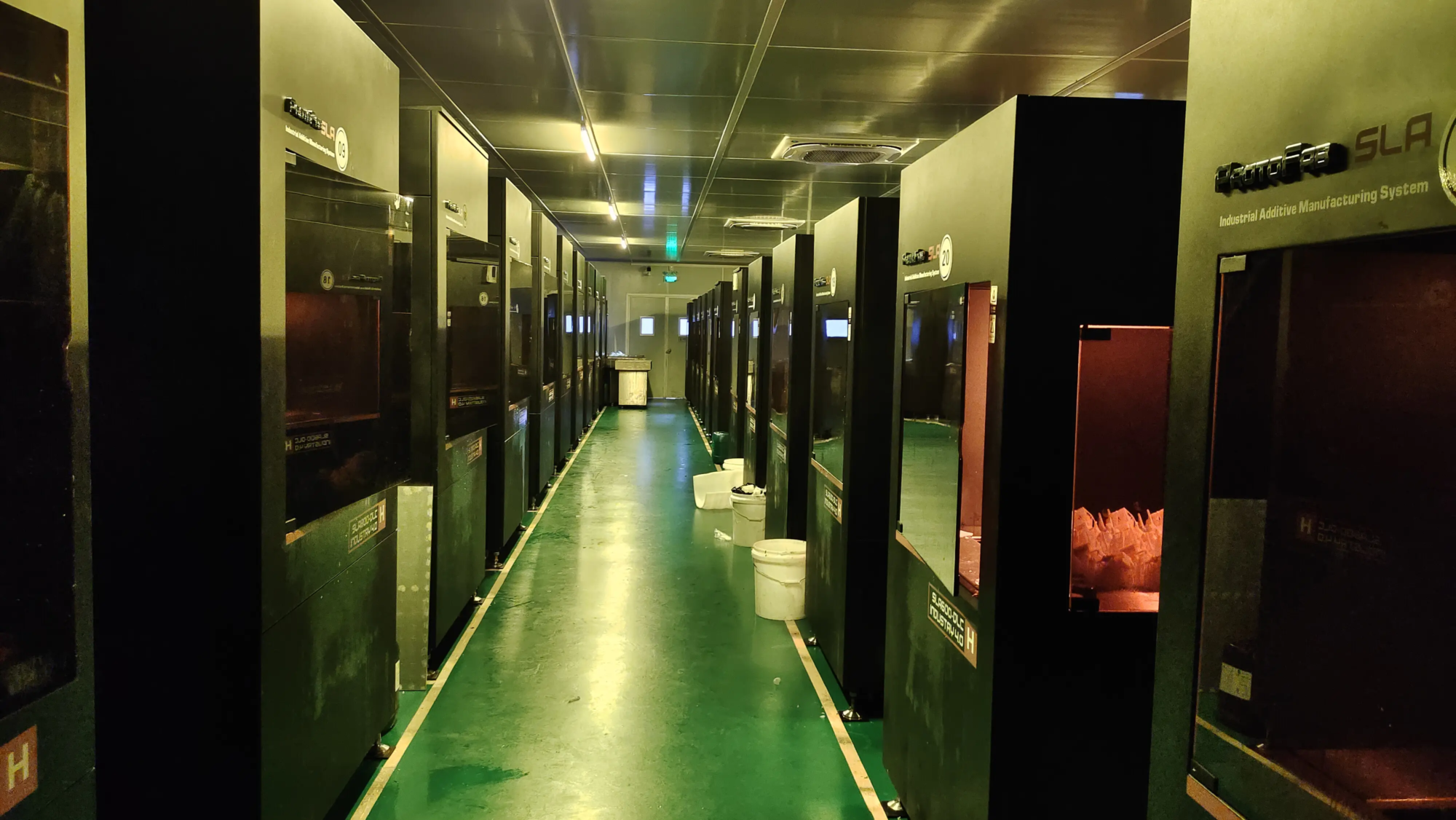
huge light Specializing in industrial-grade solutions for metal prototypes and complex assemblies. Utilizing advanced SLM 3D printing and robot-assisted finishing, they offer:
- 👉 Quick turnaround: Complex metal parts can be completed in days instead of weeks.
- 👉 Material Versatility: Aluminum, titanium, Inconel® and hybrid composites.
- 👉 Post-processing mastery: CNC machining, heat treatment and appearance finishing all in one place.
Ideal for aerospace, medical or automotive innovators who require uncompromising dimensional accuracy—Prototype with confidence and produce at scale.
in conclusion
Moisture is the silent destruction of 3D printing. Filament drying ovens eliminate this variable, ensuring your materials perform as designed. For enthusiasts, it’s a game changer. For experts working with sensitive filaments such as nylon or TPU, this is non-negotiable. Combining active filament care with precision manufacturing, e.g. huge lightTurn prototypes into viable products faster with SLM printing services.
FAQ: Filament Drying Box Revealed
Q1: Can I use rice instead of desiccant?
one: Avoid the rice! It is very inefficient (~14% relative humidity absorption compared to silicone’s <1%). Silica gel or molecular sieves are designed to maximize moisture capture.
Q2: How long can the filament last in the drying oven?
one: With monthly refills of silica gel, most filaments can stay dry for more than 6 months. Active heating box provides indefinite protection.
Q3: Can I print directly from the drying box?
one: Yes! Using a PTFE tube feed to transport the filament from the dry box to the extruder, there is no risk of moisture contamination during the printing process.
Q4: If I live in a dry climate, do I need a drying oven?
one: Yes. Even in low humidity areas (e.g. 30% RH), the filament will become saturated over time. Prevention is cheaper than fixing a failed print.
Q5: Which filaments need drying the most?
one: Nylon, TPU, PETG and PVA absorb moisture the fastest. PLA also has benefits, but is not as fragile as engineered filament.
Ready to solve your wet nightmare? Share your dry box story below or contact GreatLight for your precision metal prototyping needs! 🔧