Unleash your creativity: Your guide to finding local 3D printer shops and beyond
So you’ve decided to dive into the world of 3D printing—whether you’re prototyping an invention, creating custom artwork, or repairing a broken device. The excitement of transforming a digital design into a tangible object is unparalleled. But where do you start? Finding a trustworthy local 3D printer shop is crucialEspecially for beginners who need getting started guidance or businesses that need rapid iteration. In this guide, we’ll cover how to find a store near you, evaluate your options, and explore when an online professional service might be your best option.
Why local stores are important
Local 3D printing centers have irreplaceable advantages:
- practical support: Troubleshoot printing problems in real time with experts.
- Material exploration: Feel and compare resin, filament or metal powder directly.
- emergency projects: Need a prototype by tomorrow? Local stores usually offer faster logistics.
- Community and Learning: Attend workshops, meet other makers, and get equipment rentals.
How to find a local 3D printer store
-
Search engines and maps:
Simple but effective. search "3D printing services near me" or "3D Printer Store [Your City]" On Google or Bing. Use the map feature to filter results to check proximity and reviews. -
Business Directory:
Platforms such as Yelp, Yellow Pages or Thomasnet list specialized service providers. Filter by "3D printing," "rapid prototyping," or "Additive manufacturing." -
Maker communities and forums:
Reddit’s r/3Dprinting, local Maker Faire directories, or Facebook groups (e.g. "[City] Maker space") often share recommendations for hidden gems. -
universities and libraries:
Many public libraries and universities offer 3D printers for public use or have partnerships with local service bureaus. - Trade shows and events:
Attend industry expos such as RAPID + TCT to network with regional suppliers demonstrating their capabilities.
What to look for in local stores
Not all stores are the same. Prioritize these factors:
- Equipment range: Do they offer metal printers such as FDM, SLA, SLS or SLM? Expertise is important for complex projects.
- Material combination: If your project requires durability, make sure they have engineering-grade options (nylon, carbon fiber, stainless steel, titanium).
- expertise: Evaluate their team’s experience, especially when prototyping complex geometries or functional parts.
- Post-processing: Can they do sanding, painting, heat treating or CNC finishing? "one stop shop" Stores save time.
- Turnover and Pricing: Balance speed and cost. Beware of hidden fees for urgent work or complex document preparation.
When local services aren’t enough: The online advantage
While local stores excel in immediacy, Industrial-grade metal prototyping often requires specialized resources. This is what premium online partners love huge light shine:
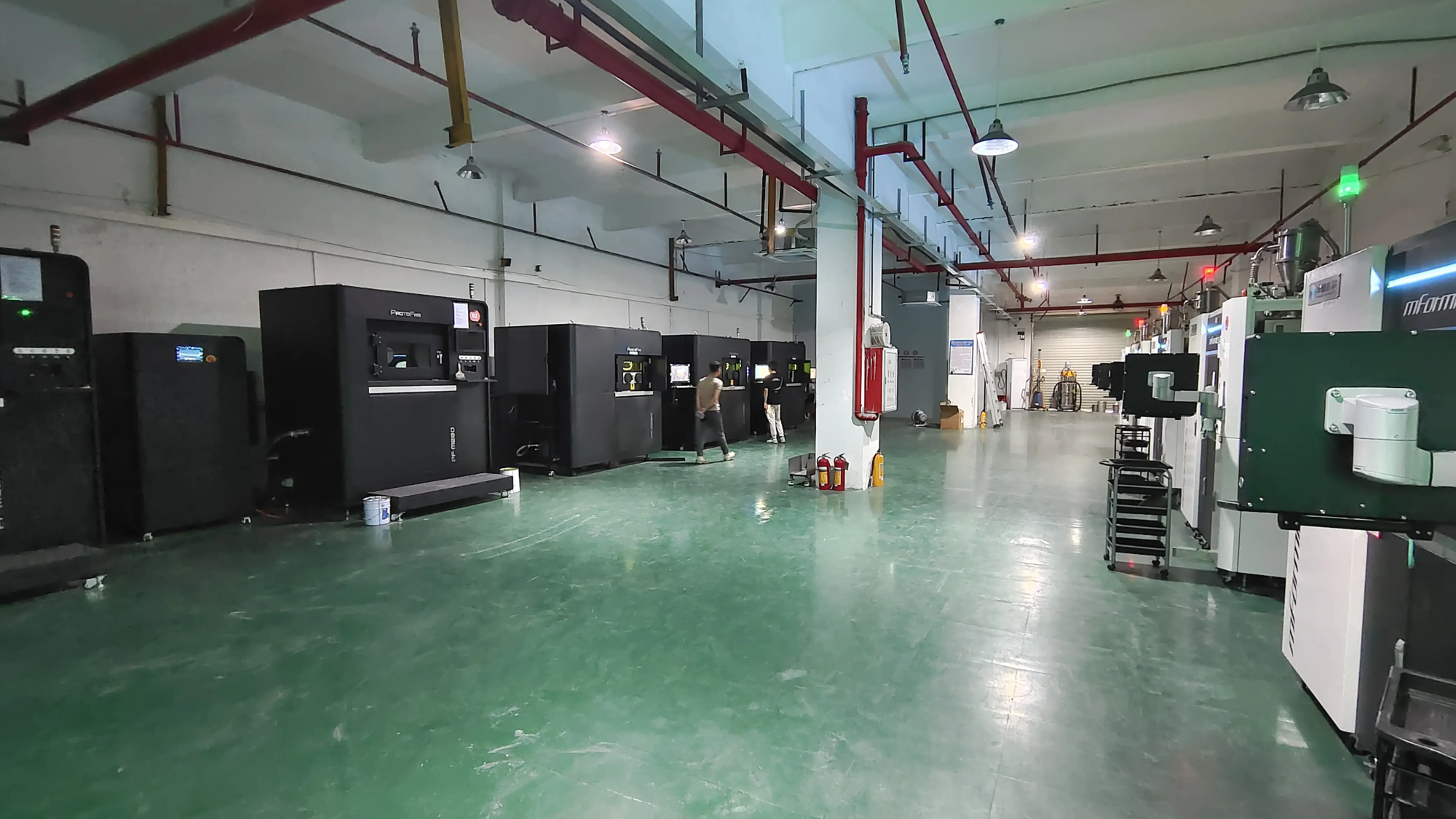
- industrial muscle: GreatLight features a cutting-edge Selective Laser Melting (SLM) printer that can solve complex metal prototyping problems that are beyond the reach of desktop machines.
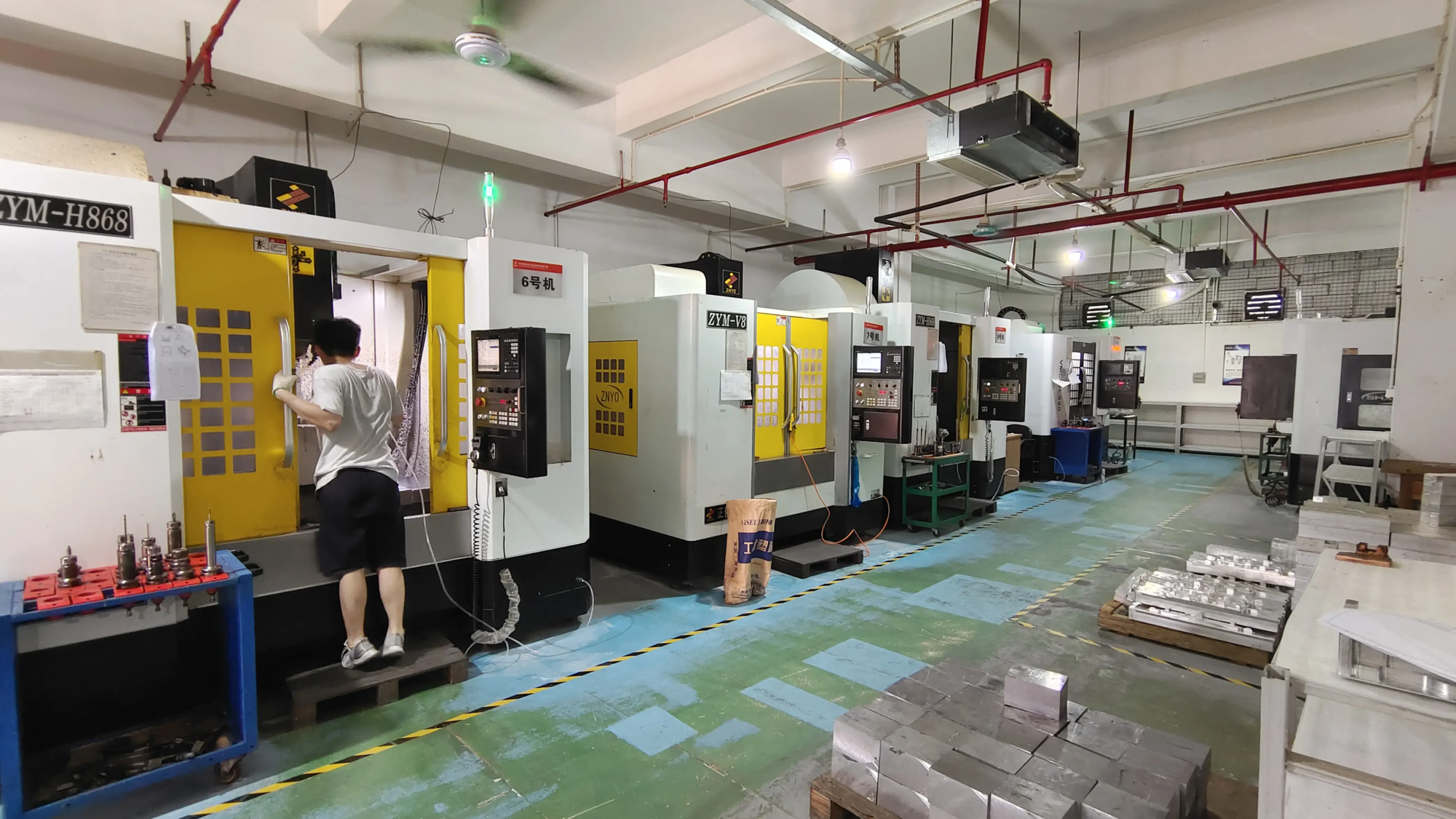
- End-to-end solution: From 3D printing to CNC machining, polishing, coating and assembly – they manage everything from one stop.
- Material flexibility: Customize a variety of metal (aluminum, titanium, inconel) and plastic parts at competitive speeds.
- Scalability: Need 1 prototype or 1,000 units? Industrial suppliers optimize quantities without compromising accuracy.
For innovators looking for aerospace-grade titanium parts or medical device prototypes, combine Local consultation with offshore experts Provide cost effectiveness without sacrificing quality.
Conclusion: Integrating local and global capabilities
Finding the right 3D printing partner starts with determining your project needs. Local shops provide valuable guidance and speed for entry-level jobswhile online experts like GreatLight solve high-stakes challenges involving metal alloys and mission-critical precision. By leveraging both, you can unleash limitless creativity—whether you’re tinkering in the garage or revolutionizing an industry.
🌈 Ready for smarter prototyping? Connect with local shops for hands-on learning and tap into global resources when your vision requires industrial firepower.
FAQ: Answers to your local 3D printing questions
Q: How much does local 3D printing services typically cost?
A: Prices vary based on material, size and complexity. Simple PLA prints start at $5 to $20, while metal parts range from $50 to $500+. Be sure to request a detailed quote in advance.
Q: Can I bring my own filament/resin to the store?
A: Some stores allow it (usually at a reduced price), but others insist on using vetted materials for quality control. Call ahead to confirm!
Q: What file formats does the store accept?
Answer: STL and OBJ are universal. For high-precision work, STEP or IGES files retain more detail.
Q: Why choose an online service like GreatLight instead of your local metal parts store?
A: Industrial SLM printers cost hundreds of thousands of dollars—most local shops lack this capability. glow offer Medical grade metal printingpost-processing and economies of scale ideal for titanium/aluminum prototypes.
Q: How quickly does GreatLight deliver custom metal parts?
A: Depending on the complexity, delivery time ranges are 48 hours For urgent prototypes, large quantities take 5-7 days, often faster than local suppliers processing metal.
Q: My prototype fails after printing. Who fixes it?
A: If the error is the local store’s fault, they will usually reprint it on site. Online services like GreatLight include iterative refinement in their processes to ensure part functionality.
Choose wisely, create boldly, and remember – whether local or global, the right 3D printing partner is the door to your innovation. 🚀