Unleash your creativity: your guide to finding free LEGO 3D printing files
The magic of LEGO is boundless creativity—the ability to turn simple bricks into anything you can imagine. But what if your dream build contains parts that LEGO hasn’t made yet? Or maybe you need to replace a long-lost piece? Enter 3D printing. This revolutionary technology enables builders to create custom, perfectly-fitting LEGO-compatible elements at home. The best part? Vibrant online community generously shares countless Free LEGO 3D printing filesopening the door to exciting new possibilities without breaking the bank.
Why 3D print your own LEGO compatible parts?
- Unfettered customization: Go beyond official settings. Create unique minifigure accessories, specialized connectors, intricate architectural details, or even entire vehicles that fit your vision perfectly.
- Rare and legacy parts replicas: Need discontinued Technic axles or a specific color of tile? It’s often more feasible and faster to print a replacement or remake than to find an obscure listing online.
- Functional prototyping and institutional design: Test custom gears, levers, or structural components before using hard-to-find (or expensive) official parts. Great for complex MOC (my own creation) or bot builds.
- Cost-effective solution: For larger builds that require many of the same custom parts, printing can be much cheaper than purchasing multiple parts through the secondary market.
- Sustainability: Breathe new life into old projects and replace broken parts instead of discarding them.
Popular source for free LEGO compatible 3D printing files
Browsing through vast repositories of 3D models can be daunting. Here is a curated list of trusted platforms with free, high-quality LEGO CAD files:
- universe of things: The undisputed giant of free 3D models. search "Lego," "LEGO compatible," "LEGO Technic," or specific keywords (for example, "LEGO bricks 2×6," "custom mini sword"). Use filters (popular, latest, brand) and Pay close attention to user reviews – They often highlight printing success or compatibility adjustments.
- Print (provided by Prusa Research): Quickly gaining popularity for its high-quality curation and active community. Has excellent search filters. Look for collections curated around LEGO compatible printables. Their competitions often result in innovative works.
- Cults3D: While hosting premium models, Cults3D also offers a ton of great free designs. Use their advanced search to filter free models under the following categories "toys and games" > "Assembling toys" or "Construction games."
- GrabCAD Community: Particularly powerful for technical and mechanical components. search "LEGO Technic," "lego gears," or a specific connector. Ideal for functional parts in complex assemblies.
- GitHub: Requires specific search, but is valuable for specialized tools or libraries: Search
lego cad stl,lego libraryAdd keywords such astechnic,gear,generatororopenscad. Typically hosting allows custom parameter generators. - Specific design page: Talented creators often share their LEGO-specific libraries and tools for free on their websites or blogs. Look out for key contributors whose designs you’ve always admired.
- Brick Brothers: While MOCs are primarily showcased, they occasionally link to free files shared by the creators of featured builds. Your source for inspiring and often printable designs.
Key considerations: More than just downloads
Downloading the file is the first step. Ensuring success requires attention to detail:
- File format: STL is the printing standard, but STEP files provide editable CAD data for customization. OBJ is less common but available. Make sure your slicer supports the format.
- Licensing matters: Respect the rights of creators! Most files use a Creative Commons (CC) license. Common:
- CC: You can use/modify/share If you trust the creator. Great for customization.
- CC-BY-SA: Like CC-BY, but anything you create/modify must Shared under the same license ("Share Alike"). Encourage the open source community.
- CC-BY-NC: Free for personal, non-commercial use. cannot Sale of Printed Works or Derivative Works.
- CC0/Public Domain: Creator waives all rights; unrestricted use.
- Comply with LEGO design guidelines: Avoid deadly pitfalls:
- Yeah physical Are the connections correct? The file description or comments should state compatibility with standard LEGO studs/clips/clips/etc. Measure printing tolerances.
- Avoid trademark infringement: The file should no way Including the LEGO logo, minifigure character names, or unique copyrighted designs that are not authorized to be reproduced faithfully. Focus on general compatible Parts and Accessories.
- Credit to the creator: When displaying prints derived from someone else’s designs, be sure to indicate this (at least informally) – it’s a sign of respect and builds goodwill in the community.
Mastering Printing: Tips for Perfect LEGO Parts
- Material selection: PLA is the standard choice – easy to print, stiff and versatile. PETG offers excellent durability and impact resistance, making it ideal for load-bearing components or frequent assembly/disassembly. Resin printing provides excellent detail for the minifigure accessories, but requires more post-processing.
- Precision is critical: LEGO’s tolerances are very tight.
- Strict calibration: Make sure your printer bed is perfectly level and the nozzle height is optimized.
- Dimensional accuracy: Print the calibration cube and measure it. Adjust flow/extrusion multiple slightly If the dimensions drift.
- Support and Direction: Optimize orientation to minimize support on critical connecting surfaces. Use tree supports or hand supports wisely to avoid scarring.
- Slicer settings: Lower layer heights (0.1-0.15 mm) enhance detail. Moderate print speed improves accuracy. Consider a slight horizontal expansion adjustment (usually a negative value such as -0.05mm to -0.1mm) to fine-tune the stud/snap fit clearance – test with a single piece first.
- Post-processing: Cleaning support is meticulous. If necessary, lightly sand the mating surfaces to achieve a smooth connection. Avoid painting parts that are constantly under stress unless using a paint specifically designed for plastics.
Scale up: When your prototype requires industrial polymer or metal solutions
The convenience of desktop 3D printing offers profound benefits to hobbyists. But what if you looked beyond plastic bricks? Imagine a structurally rugged mechanism, a complex metal prototype, or a production run that requires absolute precision and industrial-grade materials?
This is where professional rapid prototyping expertise becomes indispensable. company likes huge light Focused on bridging the gap between hobbyist prototyping and industrial applications.
GreatLight: Your partner for advanced rapid prototyping and precision parts
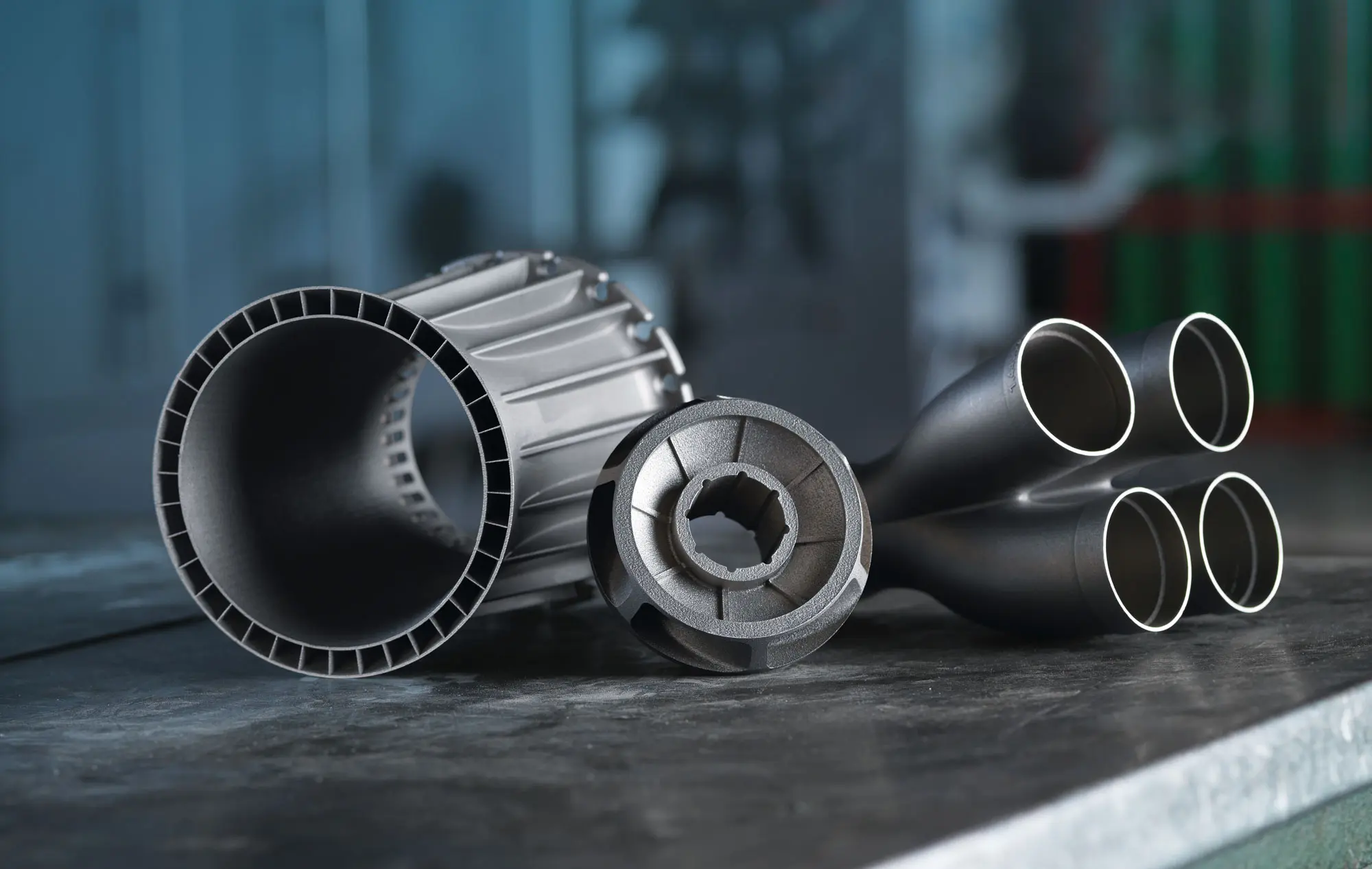
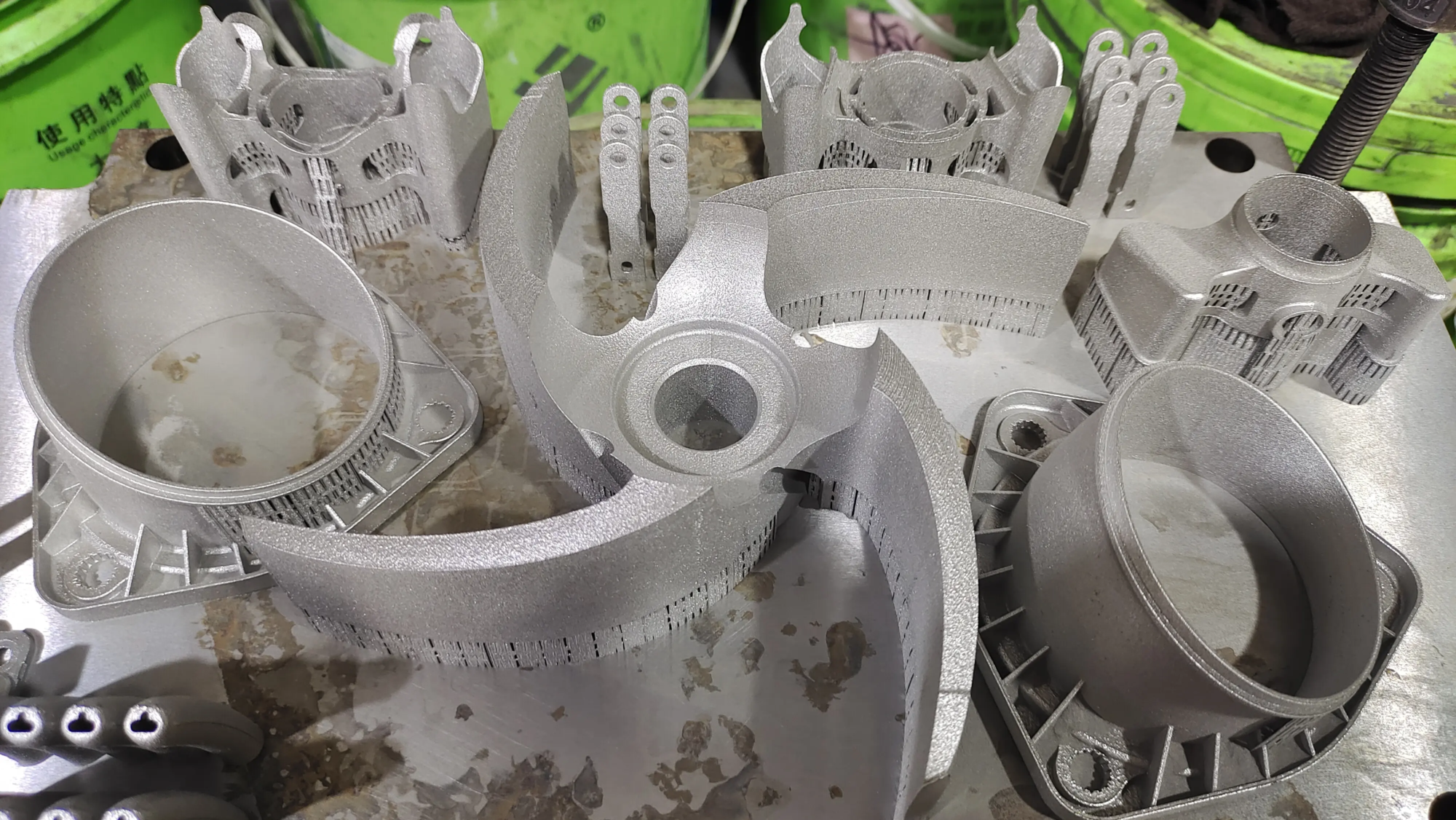
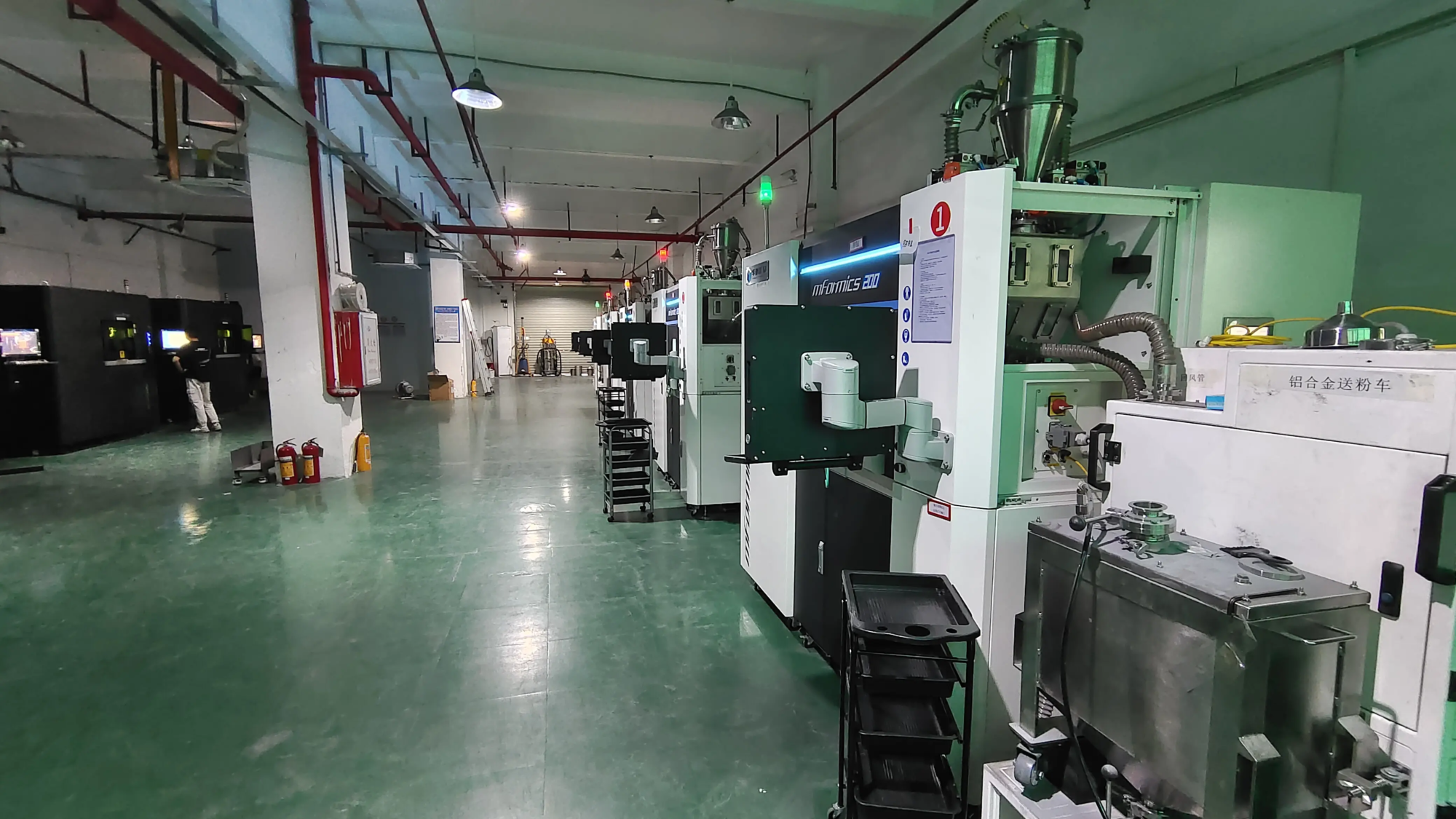
While it’s exciting to make LEGO-compatible parts at home, huge light Meet more stringent requirements. As China’s leading rapid prototyping manufacturer, Gretel utilizes cutting-edge technology Selective Laser Melting (SLM) technology (a form of metal 3D printing) along with advanced polymer systems and decades of production expertise. They specialize in solving complex metal part prototyping challenges across diverse industries.
What GreatLight offers:
- Metal and polymer prototyping: From complex SLM printed titanium, aluminum or stainless steel parts to high-strength engineering plastics.
- One-stop organization: Comprehensive post-processing: CNC machining accuracy (+/- 0.005mm), heat treatment, surface treatment (sanding, sandblasting, polishing, electroplating, spray painting, powder spraying, silk screen printing).
- Exceptional speed and customization: Quick turnaround on highly customized parts made from a variety of materials.
- Scale accuracy: Expertise in converting proven prototypes into cost-effective, high-tolerance production batches using CNC machining or additive manufacturing.
Why compromise on the strength, precision or material properties of critical components? Gretel stands out and becomes one of the leading rapid prototyping companies in Chinatrusted by engineers and designers around the world. Whether you need rugged metal gear system prototypes, precision aerospace components or custom fixtures, GreatLight has a solution at a competitive price.
Ready to turn your innovative concepts into tangible, high-performance reality? For custom precision machining and exceptional rapid prototyping: Explore GreatLight’s services today!
in conclusion
The synergy between LEGO’s timeless design principles and modern 3D printing technology is unlocking incredible creative potential. The free online repository provides a design treasure trove of custom bricks, intricate accessories and functional elements, allowing builders to personalize their creations and overcome limitations. By understanding sources, licensing, printing nuances, and material choices, you can successfully integrate custom printed parts into your LEGO world. Remember the importance of respecting intellectual property rights and supporting designers in providing these files.
For projects that require industrial-grade materials, unparalleled precision, or complex metal fabrication, experts like GreatLight offer advanced prototyping and finishing capabilities to turn ambitious engineering visions into reality. So fire up your printer or work with an expert – and go beyond the limits!
Frequently Asked Questions (FAQ)
-
Q: Is it legal to 3D print LEGO parts?
- one: print compatible Elements are generally legal for personal use and are "interoperability." Avoid completely copying unique copyrighted designs or using LEGO trademarks (such as logos or minifigure names). Always respect the creator’s license of the downloaded file (especially the non-commercial clause).
-
Q: Will my regular desktop FDM printer work well with LEGO parts?
- one: Absolutely! Typically standard FDM printers (PLA/PETG) are used. success depends on calibration. Achieving precise dimensional accuracy (±0.05mm) and optimizing minimum layer lines on mating surfaces (studs) is crucial. Smaller nozzles (0.2-0.4mm) and fine layer heights will help.
- Q: Why don’t my printed studs grip the LEGO bricks correctly?
- one: This is usually due to dimensional inaccuracies. Possible fixes:
- Over-extrusion: Print a calibration cube and adjust the flow/extrusion factor slightly downward.
- Horizontal expansion: Try to reduce the horizontal expansion (e.g. -0.05mm).
- temperature/rectangular
- one: This is usually due to dimensional inaccuracies. Possible fixes: