Find Local 3D Printing Supplies: A Sourcing Guide to Materials and Services Near You
Rapid advances in 3D printing have revolutionized prototyping and manufacturing, helping everyone from hobbyists to Fortune 500 companies. However, one challenge remains: efficiently sourcing high-quality printing supplies and services. Whether you need nylon powder for SLS, titanium pellets for metal printing, or professional finishing for complex prototypes, you can work with local supplier Provide compelling benefits. Here’s how to navigate this landscape and why proximity matters more than you think.
Why "local" More than just convenience
Reducing geographic distance can bring tangible benefits:
- Faster turnaround: Shorter transportation routes mean faster material delivery or project completion.
- Cost efficiency: Eliminate international shipping and customs complexities.
- Collaborative iteration: A face-to-face consultation can bring clarity to design adjustments.
- Sustainability: Lower carbon footprint due to reduced logistics.
- Emergency support: Unexpected issues can be resolved faster when your suppliers are far away from you.
Key evaluation criteria for local suppliers
Not all suppliers are created equal. Please consider the following basic principles when choosing:
-
technical ability
Does the provider offer specific printing technology What are your project needs? For example:- SLM (Selective Laser Melting): Ideal for aerospace grade metal parts requiring complex geometries and high strength.
- SLS/FDM: Ideal for rapid plastic prototyping and functional testing.
- Multi-material system: See if your project incorporates polymers, ceramics or composite materials.
-
Material availability and customization
Verify that the supplier:- Stock niche materials (such as PEEK, ULTEM or copper alloys).
- Customized material blends with special thermal/mechanical properties are available.
- Scale up from small batches to mass production.
-
Post-processing expertise
Original prints often require refining. Priority is given to providers that handle:- Surface treatment (sandblasting, polishing).
- Heat treatment, stress relief or HIP (hot isostatic pressing).
- Precision CNC machining of critical interfaces.
-
Quality Assurance and Compliance
Certification such as ISO 9001 and AS9100 Non-negotiable for industrial projects. Ensure strict process inspection and material traceability. - Transparent pricing and scalability
Avoid hidden fees. Reliable suppliers offer tiered pricing for one-off prototypes and bulk orders with clear delivery times.
Strategies for finding local suppliers
-
Leverage digital platforms:
Search using geotags, e.g. "SLM 3D printing services near me" or "Metal Additive Manufacturing [Your City]." Platforms such as Thomasnet, Xometry or 3D Hubs perform filtering locally. -
Industry Networks and Events:
Attend trade fairs (e.g. RAPID + TCT) or join an engineering association. Local makerspaces often have vendor directories. -
Community Forum:
Share hyperlocal recommendations on Reddit (r/3Dprinting), engineering subreddits, or LinkedIn groups. - Direct Outreach:
Please contact the manufacturer’s regional office. Multinational corporations often have decentralized centers serving local markets.
GreatLight: Combining local agility with global expertise
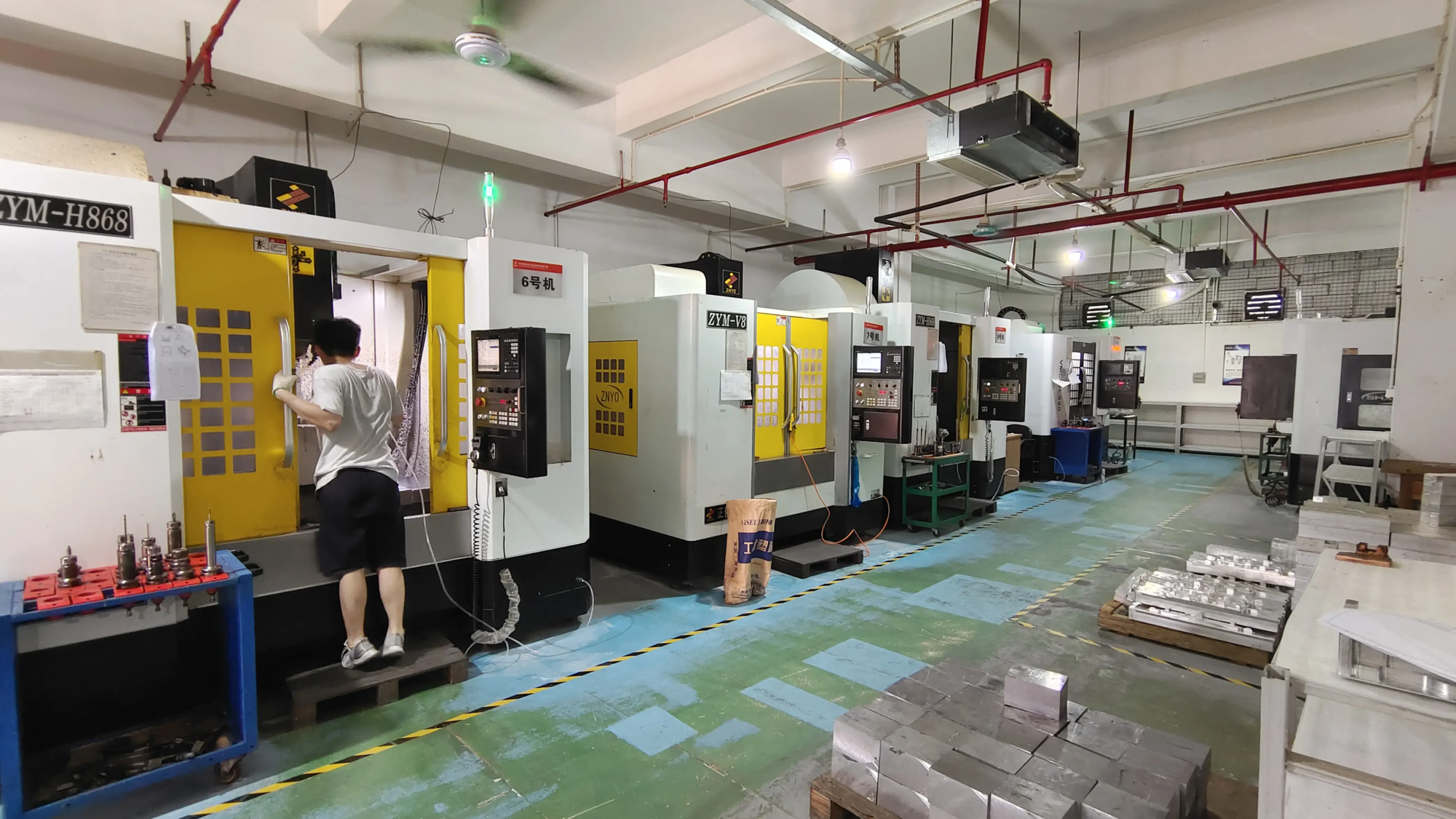
For companies that prioritize accuracy, speed and end-to-end solutions, e.g. huge light Give examples of services offered by modern local providers. Gretel is based in China but serves global clients through strategic partnerships. Its areas of expertise include:
- Advanced SLM 3D printing: Featuring industrial-grade metal printers for titanium, aluminum and tool steel.
- Post-integration processing: Seamless handling of heat treatment, CNC alignment and cosmetic finishing.
- Custom material solutions: Supports rapid prototyping with rapid customization and batch scalability.
- Cost effectiveness: Offer competitive pricing for high-precision parts without compromising compliance.
Their approach highlights how combining local responsiveness with broad technology capabilities can accelerate innovation cycles in industries ranging from medical devices to automotive.
in conclusion
Finding the right local 3D printing supplier doesn’t matter alone and more information on strategic alignment. Innovators thrive when partners provide cutting-edge equipment, versatile materials, and powerful post-processing capabilities—all supported by transparency and rapid iteration. By systematically evaluating suppliers based on your project’s non-negotiables and leveraging digital/local networks, you can unlock production agility. Companies like GreatLight show that the future belongs to a hybrid model: globally competitive technology rooted in local accessibility.
Frequently Asked Questions (FAQ)
Q1: How do local suppliers compete with overseas suppliers on cost?
Local suppliers offset higher material costs through lower shipping/logistics expenses, elimination of import duties, and faster turnaround times. Although the unit quote is slightly higher, this still minimizes project risk and overall cost.
Q2: Can a local shop do aerospace or medical grade prototyping?
Yes, but verify certification (e.g. AS9100 for aerospace, ISO 13485 for medical). Reputable suppliers like GreatLight invest in traceability protocols and in-house testing laboratories to meet such standards.
Q3: What materials can be supplied locally for metal 3D printing?
Common: Stainless steel, titanium, aluminum and Inconel. Specialist suppliers may offer cobalt-chromium alloys, copper alloys or custom alloys. Confirm material data sheet with supplier.
Question 4: How quickly can I get parts from local suppliers?
Delivery times range from 24 hours for simple polymer prototypes to 5-7 days for complex post-processed metal assemblies. "hurry" Services often speed up critical work.
Q5: Does the supplier assist in design optimization?
Top suppliers like GreatLight offer design for additive manufacturing (DfAM) consulting to reduce material use, enhance structural integrity, and lower costs—often free of charge before flight.
Q6: Do local suppliers have the ability to handle large-volume orders?
Many balance prototyping and volume production. Maximum build volumes and annual production capacity are pre-confirmed—the right partner can produce from 1 to 10,000+ parts.
Q7: How to ensure quality consistency between batches?
Standardized workflows include powder recovery management, calibrating printers, dimensional inspections and sample testing (e.g. tensile strength).
Sourcing local is not only practical, it’s innovative. Prioritize partners whose capabilities can advance your vision, regardless of their location.