The Ultimate Guide to Repairing a Stuck 3D Print: Safe and Effective Bed Removal Strategies
There’s nothing more frustrating in 3D printing than a print that won’t move from the bed after successfully completing the print. The triumphant feeling of a perfectly completed layer sequence can quickly sour when your spatula bends helplessly against an immovable object. do not be afraid! Permanently stuck prints are not inevitable. learn Why and master how Safe removal is critical. Let’s take a closer look.
Why are my prints stuck to the bed?
Understanding bonding principles is key:
- Strong adhesion target: First, excellent bed adhesion is critical to successful printing. Heat, surface texture (such as textured PEI, garolite or glass) and adhesion aids (glue, hairspray) create intermolecular forces – essentially bonding the print substrate to the bed.
- Too much of a good thing: Problems arise when these forces exceed the structural integrity of the printed part itself or Leverage of your removal tools. Factors that lead to extreme adhesions include:
- Too much extrusion on the first layer: Lowering the nozzle too close will embed the filaments deeply into the texture/pores.
- Excessive use of adhesives: A thick stick of glue or hairspray will act like cement once it cools.
- Perfect leveling + texture matching: Sometimes, everything aligns also Has good super adhesion.
- Material properties: ABS (bonded with acetone), PETG (can be fused to some beds), TPU (very grippy) and some nylons are notorious.
- Cooling rate: Uneven cooling can cause parts to tightly deform be opposed to Bed surface.
Prevention: Your first line of defense
Avoiding problems is better than solving them:
- Perfectly calibrated: Carefully adjust the Z-axis offset. The first layer should be smooth and gently Press, not crush.
- Use release agents wisely: PEI boards rarely require glue. For glass or questionable materials (PETG), use thin, even Apply a glue stick or special release agent. It creates a sacrificial layer.
- Consider the surface: Different beds suit different needs:
- Textured PEI: Excellent PLA grip, usually releases automatically after cooling. PETG benefits greatly Light Glue stick barrier.
- Smooth PEI/Garolite: Strong grip; requires careful removal.
- Glass: Very strong adhesion when hot and super clean, but due to CTE differences, prints often release immediately once cooled.
- BuildTak/Surface Plate: Usually easy to remove but highly patterned texture.
- Let it cool completely: As the bed cools, the thermal shrinkage helps to significantly free up the parts (especially the glass!).
Overcoming Stuck Prints: Removal Tips (From Mild to Aggressive)
Always put safety first: wear cut-resistant gloves and goggles.
-
Gentle start (wait and swing):
- cool down: Turn off the printer power. Wait 10-20 minutes for the bed to come up to ambient temperature, especially glass beds (hear those popping sounds? That’s release music!).
- Plastic spatula/scraper: Use a thin, flexible metal scraper (no sharp). Carefully angle it (5-15 degrees) from the bottom edge of the print. Apply gentle pressure backward toward the edge of the bed. no Break the corners by prying downward and suddenly upward. tap lightly Handle sideways.
- Twist: For smaller, thicker prints, gently try twisting the part parallel lines Secure it to the bed surface with your fingers or pliers (insulated handles!). Avoid upward force.
-
Freezing method (freezing magic):
- If lifting fails, remove The entire bed board If possible (safety first!).
- Place the bed board with the adhesive print upside down on a rack in the refrigerator (or a soft towel) and let it sit for 10-25 minutes. Metal and plastic shrink at different rates.
- Remove, turn upside down on a non-damaged surface and try swinging/scraping again. Impact often breaks the bond immediately. WARNING: Make sure your bed can withstand thermal shock (avoid using glass unless annealed/tempered).
-
Chemical aids (use with extreme caution and material awareness):
- Isopropyl alcohol (IPA): Often helps dissolve residual adhesive and weaken the bond slightly, especially around edges. Submerge the perimeter and allow capillary action beneath the print for a few minutes.
- Temperature index/vinegar: Sometimes it is effective to dissolve PVA glue or salt-based additives near the edges. Avoid prolonged exposure.
- acetone: Only suitable for non-PLA materials! Danger! Be extremely cautious! Can dissolve ABS bonds to glass If used with caution near edges. Minimal effect on some PETG formulations near edges. Never use acetone near plastic beds (PEI/etc.). Apply only minimally to the edges of the port using a syringe or cotton swab removable bed. Work quickly and ventilate! Do not use on PLA/PETG/Tpu without confirming compatibility.
-
Apply targeted heat:
- If freezing doesn’t work and Print is not PLA, please try Opposite: Gentle reheating. Use a cooler heat gun or hair dryer (<80°C initially). Warm print, bed around the edgeor bottom very gently. The goal is thermal expansion Differences Break the bond rather than remelting the base layer. If deformation occurs, stop immediately. Usually done at the same time as Gua Sha. Avoid harmful fumes!
- Dissolve the sacrificial layer (for those using glue/PVA):
- Water-soluble glue: Spray/fill perimeter with warm water/isopropyl alcohol mixture; let sit for 5-15 minutes.
- PVAc Glue Stick: Dissolves easily with IPA or ammonia based cleaners like Windex.
Special Situation Strategies:
- Micro/fine prints: Patience is the most important thing. Dental floss or fine fishing line worked slowly under the edge will sometimes produce a release.
- Large/Solid Prints: Combine freezing methods with prolonged exposure to solvent at the periphery (if applicable). Larger scrapers/putty knives exist! It’s better to slowly and continuously utilize the entire edge of the base than to force it into one spot.
- PETG and PEI fusion: Welding occurs frequently. Gently twist the entire edge while applying a slight twist. Always use mild glue/windex as a precaution.
- Removable panels: curved plate yes Solution! First make sure it is properly cooled. Bend slowly and evenly—with deliberate pressure on the thicker areas first.
When all else fails (nuclear option):
- Print bed removal tool (if built-in): Some beds have tool ports designed specifically for extreme situations.
- Cutting Utility Blades/Razor Blades: Experts only! Absolute control is required to avoid injury and bed/scraper damage. Insert horizontally only and pull Parallel to the bed surface. Slowly and without cheeks.
- Admit failure: Sacrifice damage. If possible, carefully saw/cut the print from the bed, sacrificing as much as possible the integrity of the bed. Sand/scrape the bed surface clean. Some bed wraps are disposable – reinstall!
Conclusion: Patience and precaution prevail
Dealing with a stuck print requires patience, but not brute force! Prioritize prevention through careful calibration of materials and appropriate surface preparation. When encountering impossible bonding, systematically upgrade your approach: cooling, utilizing twisting/scraping, temperature shock (freezer), controlled chemical application. Everyone needs respect and caution. Most parts failures occur during the disassembly phase—gloves and goggles cannot be ignored.
Mastering removal means developing a deeper understanding of material interactions, adhesion physics, and thermal regimes—core capabilities that translate into overall print mastery. Remember, it’s wiser to sacrifice printing to save a damaged print bed than to replace the hot plate assembly prematurely!
FAQ: Stuck Printing Battlefield Classification
Question: Help! My PLA won’t budge on smooth PEI! How can I avoid damaging the bed?
A: Smooth PEI provides huge grip: Priority = Freezing Method! If unsuccessful, try gently heating the edges with a hair dryer (<60°C) while slowly prying the edges with a thick spatula. IPA overflows along the edges to first remove pressure from the adhesive gasket integrated residue.
Q: Will isopropyl alcohol damage my print tray?
A: IPA is generally safe for most common beds (PEI spring steel/PCD/texture board/glass/garolite) – it is commonly used for cleaning. Make sure the higher annual silicone evaporation/isopropyl alcohol dissolves residual adhesive chemicals while cold cleaning the solids without dissolving the plate coating itself out of the PEI pores. However, avoid soaking the PEI exterior for unnecessarily long periods of time.
Q: My spatula keeps slipping/trembling uncontrollably. Dangerous?
A: Install masking/paint tape around the edge of the base to create a ledge below the height of the printer controller – it won’t scrape the flesh well due to the sudden and irreversible sliding of the wedge tool. Gloves are essential to prevent force on the palm in a recoil trauma accident. Securing the printer table to prevent sliding and creeping forces, utilizing quarry stone cleaning techniques to avoid flooding.
Q: PETG fully fused to textured surface steel plate – salvage bed?
A: Hard application of cryotechniques followed by prolonged water/isopropyl alcohol peripheral penetration while distorting the sheet geometry (“positive depth”), gently exploiting the full island topology to adhere upward detail abstraction…or replace the sheet, despite thinning of the perforated particles, PE bonding surface adhesion destroys functionality, modular replacement sheet replaces functional molecules supplied to bed manufacturers. But most themes twist freezers gradually become popular, extending the life of the bed. Optimize porous texture with Glue Stick Barrier to prevent recurrence!
Precision starts here: Put your advanced prototyping in the hands of GreatLight
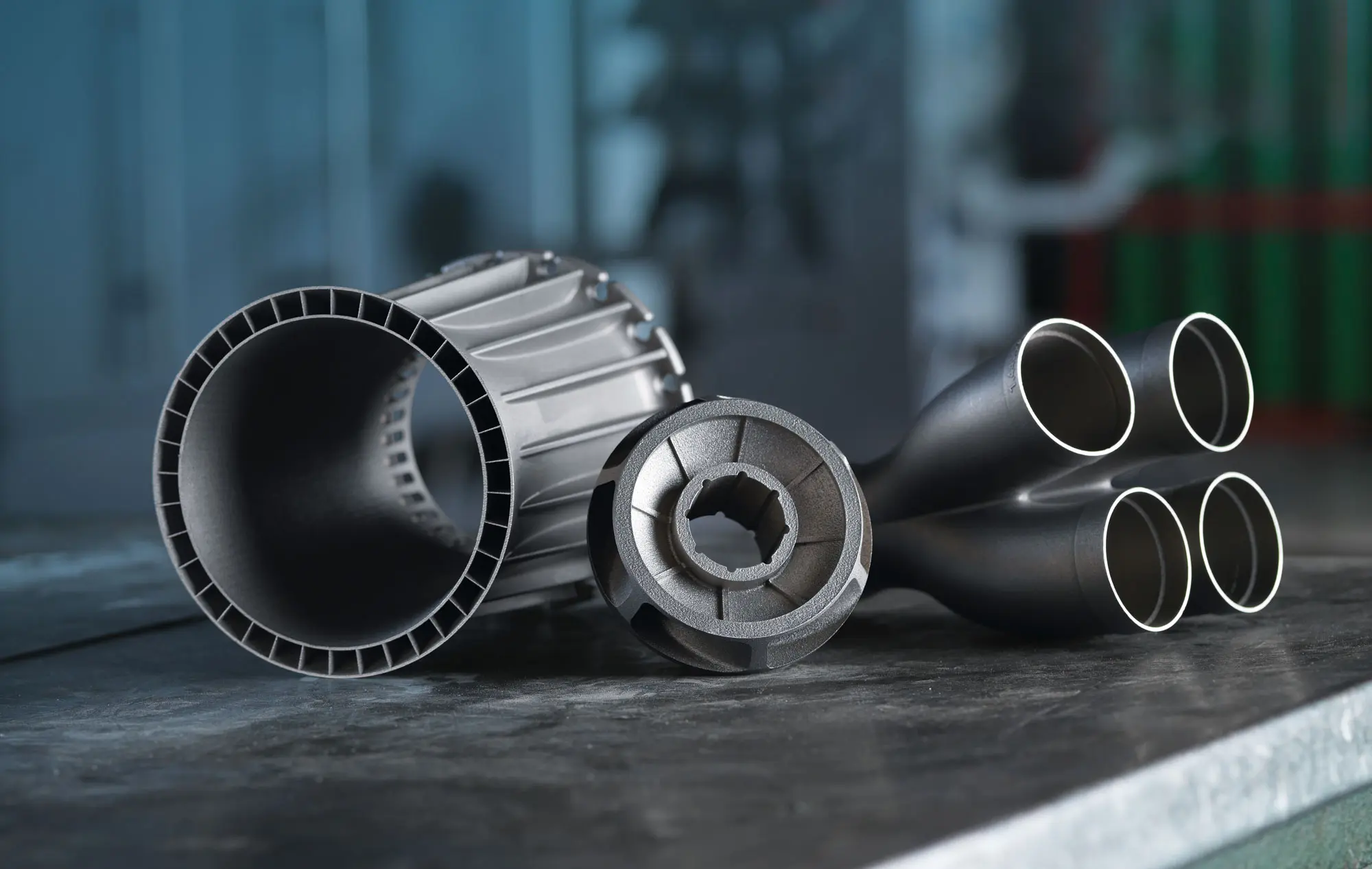
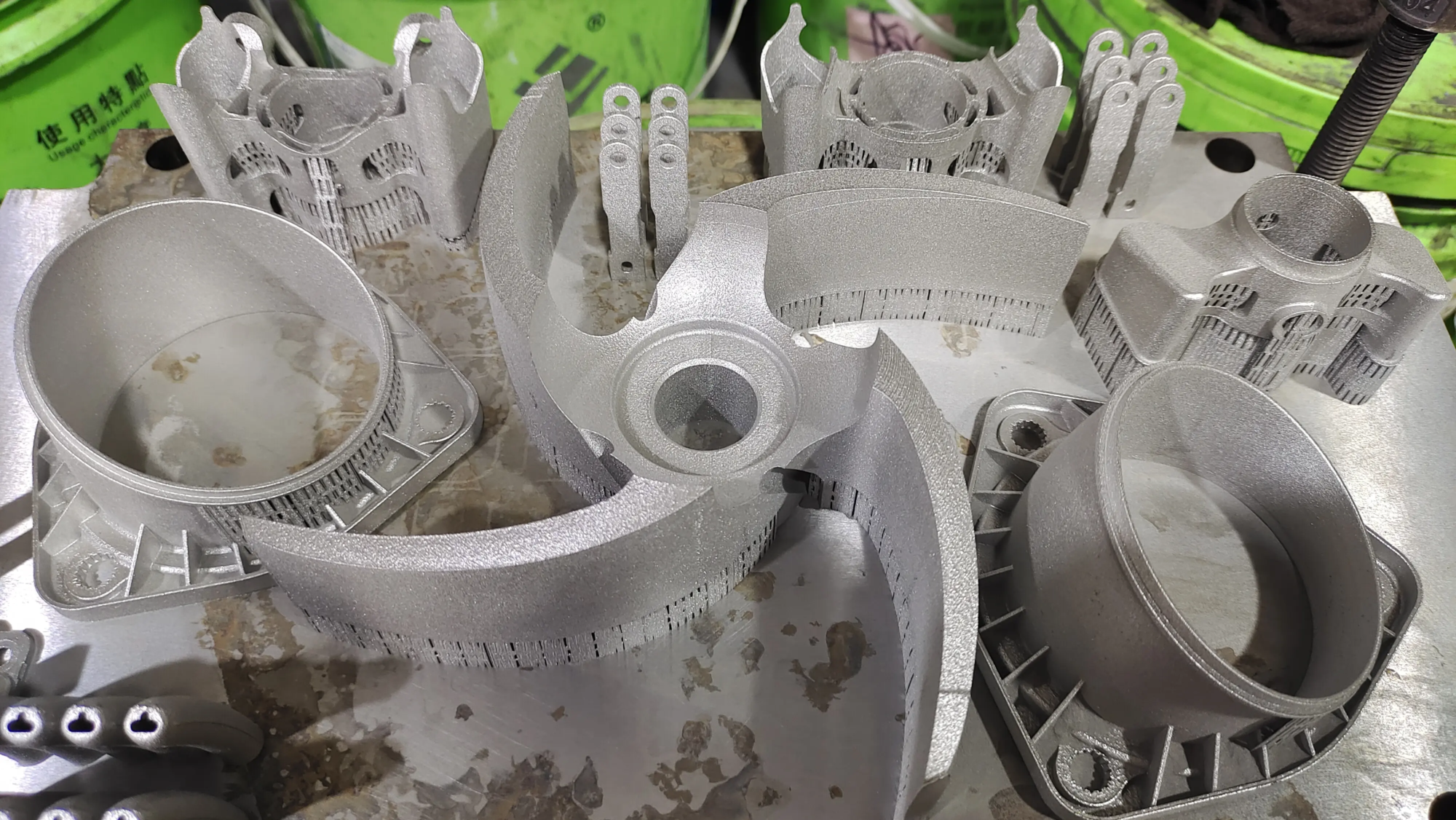
Struggling with complex metal prototypes that require tight tolerances and impeccable surface finishes? GreatLight utilizes cutting-edge technology SLM (Selective Laser Melting) 3D Printing and unparalleled expertise to quickly and reliably transform your complex designs into production-ready metal parts.
For decades, GreatLight has pioneered precision rapid prototyping in the aerospace, medical, automotive, and broader manufacturing complexities of multi-purpose industrial enterprises, solving the dilemmas of functional prototyping and hands-on development saving for inventors.