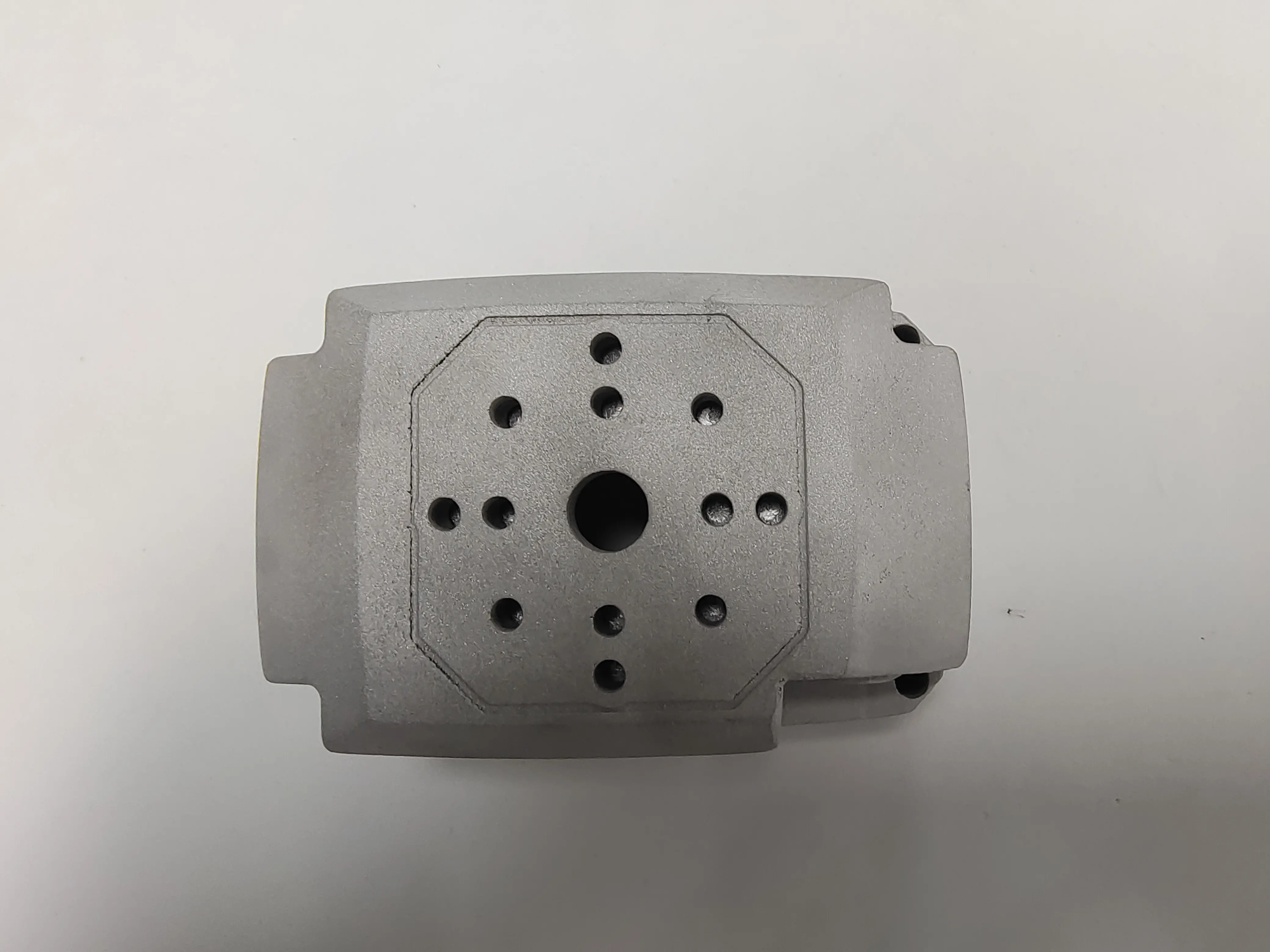
When your 3D print won’t let go: Solving the worry of excessive adhesion
Every 3D printing enthusiast knows the sinking feeling of peeling off the print bed during a print – layer shifting, warping, and wasted filament are all terrible results. But what about the opposite problem? When your carefully crafted masterpiece becomes a permanently With your build board? Print sticking also Wells are a surprisingly common problem that can lead to damaged prints, scratched build surfaces, increasing frustration, and wasted time. Understanding the causes and mastering the solutions is critical to seamless printing, especially when accuracy is critical. At GreatLight, we encounter this challenge every day with our advanced industrial SLM 3D printers that handle complex metal prototypes, and help customers meet it with our comprehensive rapid prototyping and finishing services.
Why "too sticky" Very troublesome:
Achieving a strong bond is crucial, but over-adhesiveness can cause real problems:
- Damaged print: Forcible removal may crack, break or deform thin walls, fine details or flexible parts.
- Build plate damage: Scraping tools (trowels, scrapers) can gouge PEI sheets, scratch glass beds, and damage bonding surfaces such as BuildTak.
- User injuries: Excessive force can increase the risk of slipping, resulting in cuts or worse, especially when using sharp tools.
- Waste of time: Cumbersome, careful deletions can significantly slow down your workflow.
Revealed: Why does it stick together like super glue?
Several factors work together to blend your print into your bed:
- The printing platform temperature is too high: Overheating the bed can cause the plastic (or sintered metal powder in SLM printing) to melt deeper into the surface texture, or cause excessive shrinkage as it cools, mechanically locking it in place.
- First layer extrusion/initial layer height is too high: An over-squeezed first layer will force the material aggressively into the micropores or texture of the bed. Otherwise, set the initial layer height too low Produces extreme pressure and adhesion. For metals in SLM, incorrect initial layer laser power or scan parameters may result in deep fusion.
- Wrong bed surface: This can easily occur with highly tacky surfaces such as untextured PEI, garolite (for exotic materials like PEEK), or certain adhesives (such as too much glue stick or hairspray).
- Cooling too quickly: If the print cools quickly and unevenly away from the bed surface (especially with materials that shrink easily, like ABS, nylon, or certain metals), the differential shrinkage can create huge locking stresses.
- Material selection: Certain filaments are inherently tenacious in their adhesion. ABS, PETG, nylon filament, and polycarbonate are notorious offenders due to shrinkage and intermolecular forces. During the SLM process, metal powders such as titanium, stainless steel or Inconel are firmly fused to the substrate.
- Porosity and surface finish: Rough surfaces, such as sandblasted metal build plates, provide more mechanical grip points. Textured PEI provides excellent adhesion to PLA, but adhesion to tougher materials can quickly become problematic.
Battle Plan: Release your prints without casualties
Combine these strategies according to your scenario:
-
Temperature Control – Patience Pays Off:
- Thermal cycling: Don’t struggle! Let the bed cool completely to room temperature. Plastic shrinks significantly as it cools. Usually, printing makes a sound "pop music" It’s free per se. Reheat the PLA bed moderately (40-60C), let sit for a minute or two, then cool again – thermal expansion/contraction cycles can break down the bond.
- Cold shock (use with extreme caution): Based on the Tg point or embrittlement temperature of the material:
- plastic: Carefully place the cooled build platform (with prints on it) into the refrigerator for 10-20 minutes. Metal shrinks faster than plastic, loosening its grip. Remove and try to twist gently. warn: Avoid condensation on electronic devices; rapid cooling may cause stress cracks in some prints (especially ABS/nylon).
- Metal: Strictly avoid the use of liquid coolants; controlled nitrogen purge cooling systems, such as those used in GreatLight’s SLM post-processing, achieve specific heat distribution to minimize stress and aid relief.
-
Physical Intervention – Gentle Persuasion:
- Thin spatula/scraper and dental floss: Use a thin, flexible metal spatula. Do not pry upward. slide it horizontally Just below the edge, treat it like dental floss. Use gentle back and forth motion with minimal force. Painters’ tools with thin-angled blades are great for edge work.
- Flossing Technique: For prints with available gaps, slide a piece of fine dental floss or strong fishing line under the edge and gently "saw" It moves back and forth underneath the entire printing substrate.
- Razor blades: New, sharp single-edge razor blades can be handled carefully under the edge with minimal play. Requires a very steady hand and protective gloves. Due to gouging/cutting risks, it is strongly recommended not to use complex geometries or soft materials.
-
Chemistry Assistance (Non-Metal Focus):
- Isopropyl alcohol (IPA) penetration: Carefully apply high density (>90%) IPA to the edges of the stuck print. Over time (a few minutes), capillary action can draw the alcohol slightly beneath the substrate, thus slightly dissolving the layer bonds near the interface. Non-corrosive and safe for most bed surfaces.
- Soluble release agents (apply with caution): Use trace amounts of acetone only A perimeter of ABS or PETG print on a non-porous bed (glass) may help. Avoid contact with decorative surfaces. Never use solvents on PEI, flexible printing platforms, or porous metal surfaces. Metal parts use specialized release coatings forward Print during setup – GreatLight integrates this into process planning.
- To prevent printouts from getting stuck: An ounce of prevention…
- Optimize bed temperature: Print PLA cooler (~50-60C), PETG cooler (~70-80C), ABS/Hotter materials are initially hotter (~90-110C), but consider lowering the temperature slightly after the initial layer. Always calibrate via PID tuning.
- Perfect the extrusion/Z offset: Invest time in meticulous bed leveling and real-time Z-height adjustments. Aim for a smooth, slightly flat first layer – neither transparent nor transparent "Rolled sausage." Adjust downward in 0.02 mm increments until desired.
- Strategic use of interfaces: Use release agents wisely from the start:
- Blue painter’s tape: Create an easily removable sacrificial layer. Great for PETG or ABS.
- Glue stick: Apply a very thin, even, dry layer. Can also be used as an adhesion promoter and Controlled release interface. Rarely updated.
- Liquid release agent: Products like Magigoo PTFE Spray provide clean release of tough materials like PETG/PC/Nylon without leaving any residue.
- Adjust initial layer settings (slicer): Reduce the initial layer flow rate (95-98%), slightly increase the initial layer horizontal expansion (0.1-0.2mm), or slightly increase the initial fan speed.
- Upgrade your buildboard:
- Textured PEI sheet: For PLA/PETG, it is usually easier to remove than smooth PEI.
- Dedicated surface: Consider Garolite (G10/FR4) for high-temperature engineering filaments or powder-coated PEI flex sheets optimized for PETG/ABS release. Industrially, metal SLM uses specially machined substrates with controlled roughness and coatings.
How GreatLight Masters Releases Precision Metal Prototypes:
Fusing thousands of dollars worth of complex metal prototypes onto titanium substrates multiplies the risks. GreatLight uses its expertise and advanced SLM technology to prevent and treat severe adhesions:
- Optimized SLM process parameters: Precise control of laser power, speed, hatch spacing and substrate preheating ensures adequate but controlled fusion strength layer by layer.
- Engineering substrate: Use sheets with a specific surface finish texture and a pre-applied commercial dry film release agent designed for high-temperature metal powders.
- Controlled post-build cooling: Controlled cooling cycles within the build chamber under an inert atmosphere significantly reduce thermal stresses and minimize warping forces on locking components.
- Industrial demolition clamps: Specialized hydraulic or pneumatic disassembly clamps apply completely vertical, controlled force to cleanly shear parts from the substrate without deformation.
- Post-integration processing: Post-build heat treatment relieves part stress and further promotes separation during the machining/finishing steps that GreatLight performs seamlessly.
Conclusion: Break free
Dealing with a super-sticky 3D print to the bed isn’t inevitable—its physics and chemistry are predictable. Success depends on diagnosing the specific cause and applying the right combination of preventive strategies and careful removal techniques. Whether you are troubleshooting a desktop FDM printer, a high-end SLS machine, or scaling up to industrial SLM metal production, understanding adhesion dynamics is fundamental. For mission-critical metal prototypes where accuracy and surface integrity cannot be compromised, working with experienced rapid prototyping experts like GreatLight can eliminate the risk of sticking. Our advanced SLM infrastructure, meticulous process control and comprehensive post-processing capabilities, including expert separation and finishing, ensure your parts meet precise specifications – even separating from the print plate as cleanly as possible. Transform challenging adhesion into predictable results; take advantage of today’s professional precision.
FAQ: Troubleshooting 3D printing issues
**Question 1: My PLA print feels welded to my smooth PEI bed! What is the gentlest