When your prints don’t stick: Mastering bed adhesion in 3D printing
Every 3D printer user has experienced that sinking feeling you get when you see your carefully sliced model curl, deform, or completely separate from the bed during the printing process. Non-stick printing is arguably the most common problem in FDM (Fused Deposition Modeling) 3D printing. It hinders progress, wastes filament, and dampens enthusiasm. But don’t be afraid! This common problem can almost always be solved through system troubleshooting. Understanding root causes enables you to achieve satisfying goals "thock" Sound when removing perfectly adhered complete parts.
Why bed adhesion matters (and isn’t just an annoyance)
Poor adhesion of the first layer can cause more than just inconvenience; It fundamentally undermines the success of printing. The misalignment propagates upward, causing layer warping, dimensional inaccuracies, poor surface finish, and complete print failure. Allowing that critical first layer to bond perfectly sets the stage for structural integrity throughout the build process. Let’s delve into the culprits and their solutions.
Comprehensive bed adhesion repair arsenal:
-
Bed leveling is imperative:
- question: The uneven distance from the nozzle to the bed is #1 Reason Adhesion issues. Too high and the filaments will squeeze out into the thin air rather than into the bed. Too low and the nozzle will drag, preventing squeezing or scarring on the surface.
- repair: Carefully graded! Use the printer’s manual leveling program with the paper (designed to create slight resistance) or use the automatic leveling sensor and Their results were then manually verified. Leveling is not "Once and for all" Task; Check regularly, especially after moving the printer. Consider upgrading to stronger bed springs or silicone braces for added stability.
-
Cleanliness is key:
- question: Fingerprints, oil, dust and residual adhesive residue can create a contaminant barrier between the molten plastic and the build surface. Even a seemingly clean bed may be harboring invisible grease.
- repair: Isopropyl alcohol (IPA – 70% or higher) is your best friend. Clean bed surface thoroughly before use every Use lint-free cloth for printing. For stubborn grease or adhesives, washing with dilute dish soap and then rinsing with IPA can work wonders. Avoid direct contact with the printing area.
-
Dial in the perfect first layer:
- question: Poor adhesion often results from incorrect first layer setup. This includes temperature, velocity and layer height.
- repair:
- Bed temperature: Only the first layer’s bed temperature increases by 5-10°C. Different materials require specific temperature ranges (e.g., PLA ~60°C, ABS ~90-110°C). Ensure ambient airflow does not cool the bed prematurely.
- Nozzle temperature: Slightly higher (5-10°C) initial nozzle temperature aids flow and adhesion. But avoid too high a temperature, otherwise it will cause wire drawing or nozzle clogging.
- First layer speed: Slower! Significantly reduces first layer speed (25-50% of normal print speed). This gives the filament maximum time to melt, flow, and bond to the bed. Aim for 15-30 mm/sec. Enable dedicated first layer settings in the slicer.
- First layer height and width: Considerations "flatten": The first layer is slightly thicker (around 0.2mm even for a 0.1mm print) to compensate for slight leveling imperfections. Increasing the first layer line width (for example, 125-150%) will produce wider lines with more surface area to adhere to.
-
Optimize slicer settings:
- question: Global slicer settings may destroy adhesion potential.
- repair:
- Initial layer settings: Explicitly configure the above settings (temperature, speed, height, width) in the slicer’s private "first floor" part.
- Raft/Brim/Skirt: These are sacrificial adhesion aids.
- Hat brim: Create a single layer "flange" Surrounds the base of the part, significantly increasing the contact area. Ideal for small footprints or sharp corners that are easy to lift. Removable post-printing.
- raft: Build a thick lattice underneath the entire piece. Addresses extreme adhesion issues and minor bed unevenness, but consumes material/time and affects bottom surface finish.
- Enable cooling management: Turn off the part cooling fans on the first 2-5 levels. Premature cooling will greatly increase shrinkage stresses, pulling the corners upward. Gradually increase the cooling fan speed thereafter.
-
Select and apply adhesion promoter (strategically):
- question: Certain materials (ABS, Nylon, PP) or challenging geometries simply require additional adhesion enhancers.
- Repair (know your surface and materials):
- PEI board: Due to its inherent viscosity when heated, it is often considered the gold standard, especially for PLA, PETG and ABS. Requires occasional light sanding or IPA cleaning. Be careful when using PETG – a release agent may be needed to prevent adhesion also strong.
- Glue stick: Cheap, effective and easy to apply in a thin layer. Provide an adhesive layer. Best for heated glass beds. Reapply lightly after multiple prints or cleaning. Messy but reliable.
- Hairspray: Provides a sticky polymer layer. Apply thinly and evenly forward Heat the bed. Faster to apply than a glue stick, but can be messy. Certain brands like Aqua Net Extra Super Hold are known to work well.
- Kapton/Painter’s Tape: Creates a grippy surface, especially suitable for ABS. Make sure there are no overlaps or gaps. Replace when worn.
- Special adhesive: Products like Magigoo or Dimafix are engineered solutions formulated to suit specific filament types and temperatures. Typically cleaner and more durable than DIY options.
- Against environmental forces:
- question: Warpage caused by uneven cooling can produce large lift forces, especially with high shrinkage materials (ABS, nylon).
- repair:
- shell: Essential for ABS/ASA/Nylon. Maintaining a consistently warm environment around the print greatly reduces cooling gradients and shrinkage stresses. Essential for large or tall prints in a well-ventilated room. DIY or commercial options are available.
- Windshield: The slicer sets up walls around the printable object, trapping hot air near the part. Not as effective as a full shell, but better than nothing.
- Minimize draft: Keep the printer away from vents, windows, and fans.
Conclusion: Patience and precision make for perfection
Achieving perfect bed adhesion isn’t magic; It is a science that carefully balances mechanics, thermodynamics and surface chemistry. The key is a systematic approach: Start with rock-solid bed flatness and pristine cleanliness—these are the basic pillars. Then, optimize your first layer settings (temperature, speed, extrusion), strategically deploy edges or rafts when needed, and use adhesion aids wisely that are appropriate for your material and print plate. Don’t underestimate the impact of a stable environment, especially the housing of a tricky filament.
Mastering adhesion can turn frustration into reliability. A consistent first layer means successful prints, reduced waste, and the satisfaction of seeing a complex design render exactly as intended, layer by layer.
FAQ: Bed Adhesives Revealed
-
Q: My print adhered well initially but came loose after a few coats. Why?
- one: This usually indicates warping forces overwhelming adhesion. Reasons include airflow cooling the edge too quickly (use a case!), a significant drop in bed temperature, insufficient material bed temperature (especially ABS/nylon), printed geometry that tends to lift (sharp corners), or insufficient adhesion promoter coverage/effectiveness. Increasing the bed temperature, using edges and ensuring an enclosed, draft-free environment are key solutions.
-
Q: Isopropyl alcohol (IPA) no longer cleans my PEI boards well. what should I do?
- one: Over time, fingerprints and polymer residue become deeply embedded. Clean cool surfaces thoroughly with warm water and mild dish soap. For severe contamination or loss of adhesion, lightly sand the PEI surface with ultra-fine sandpaper (eg 600-1000 grit) under running water, then clean with IPA. Avoid using harsh solvents.
-
Q: Will my nozzle damage my print bed?
- Answer: Of course. Improper leveling (too close), bed deformation, or bent nozzles can hit the bed surface, scratch the coating (PEI, BuildTak), crack the glass, or damage the heater traces. Be sure to level and inspect the nozzle carefully.
-
Q: How often should I re-move/level my printer bed?
- one: It depends heavily on printer stability and printer moves/modifications. Manually check before starting important printing. As a rule of thumb: For sturdy machines on stable surfaces, do this once a week after moving the printer, replacing the build plate, or after experiencing a shock. Machines with automatic bed leveling benefit from periodic manual confirmation.
- Q: What is the best bed surface?
- one: no one is single "best" – It depends on your main material and priorities. PEI has excellent all-round performance on PLA/PETG/ABS with good adhesion/release balance. Textured PEI is generally more suitable for PETG. Glass has a smooth surface and good glue/quick bond when heated. Garolite (G10) is very suitable for special filaments such as nylon and PP, but is relatively rough. Choose based on your workflow.
Why it’s important for professionals to address issues like bed adhesion
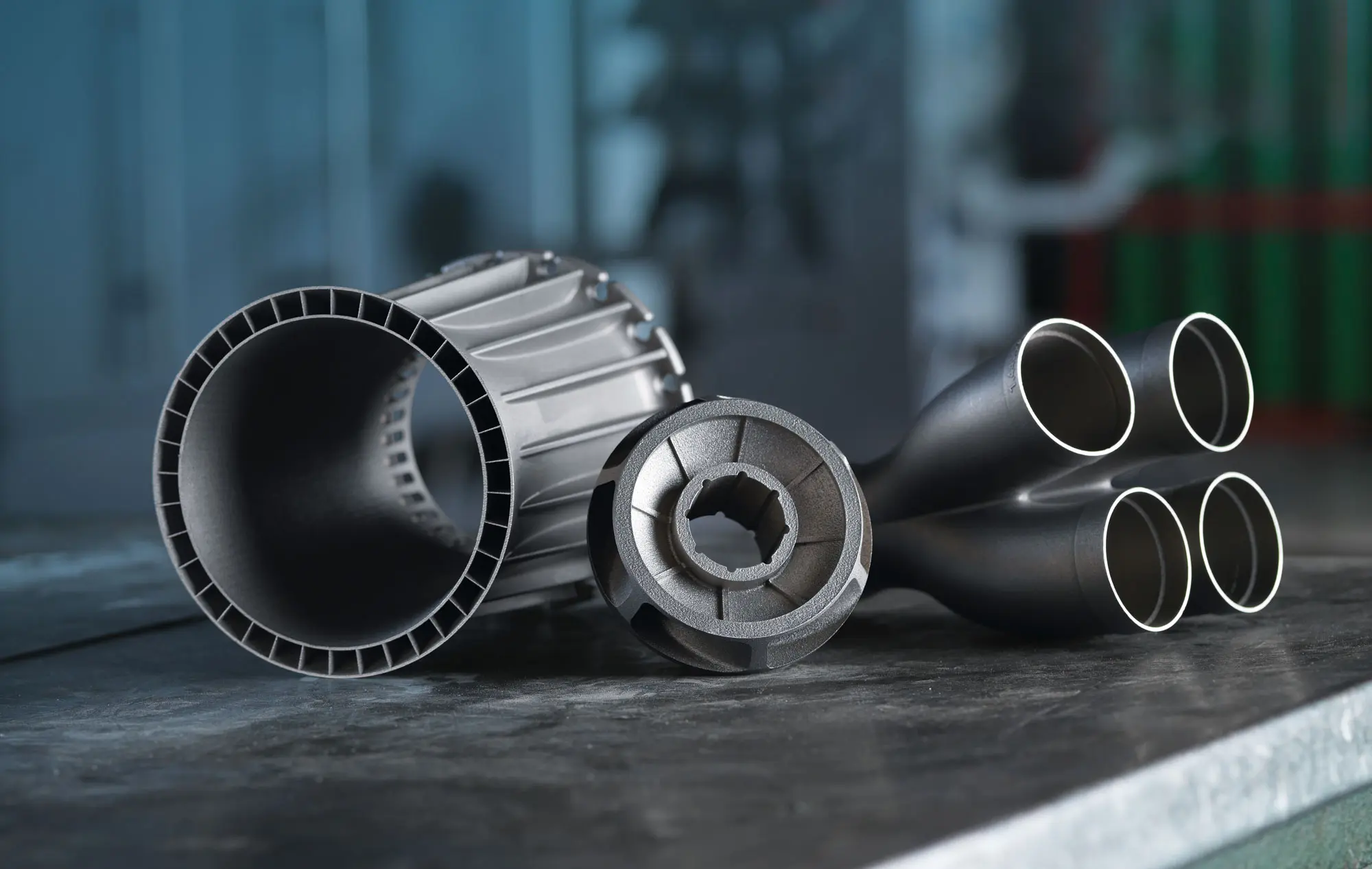
As a leading rapid prototyping manufacturer utilizing advanced SLM (Selective Laser Melting) metal printers and advanced FDM technology, we know that successful printing (whether plastic prototypes or complex metal parts) depends on meticulous attention to fundamental processes like bed bonding. Compromising the fundamentals of bonding can directly lead to print failures, wasted resources and delayed product lead times. Our expertise goes beyond equipment; it is rooted in deeply understanding and solving the complex process challenges inherent in bringing digital design into tangible reality.
Driven by a commitment to precision and efficiency, GreatLight combines cutting-edge SLM equipment, proven production technology and comprehensive turnkey post-processing solutions to tackle the most demanding rapid prototyping challenges. We specialize in customizing a wide range of materials and providing fast turnaround for complex, precision-machined metal prototype parts – working with customers around the world to reliably and cost-effectively deliver tangible results. Transform your prototyping journey – Explore GreatLight’s rapid prototyping solutions today.