Taming the Beast: A Comprehensive Guide to Fixing Elephant Feet in 3D Printing
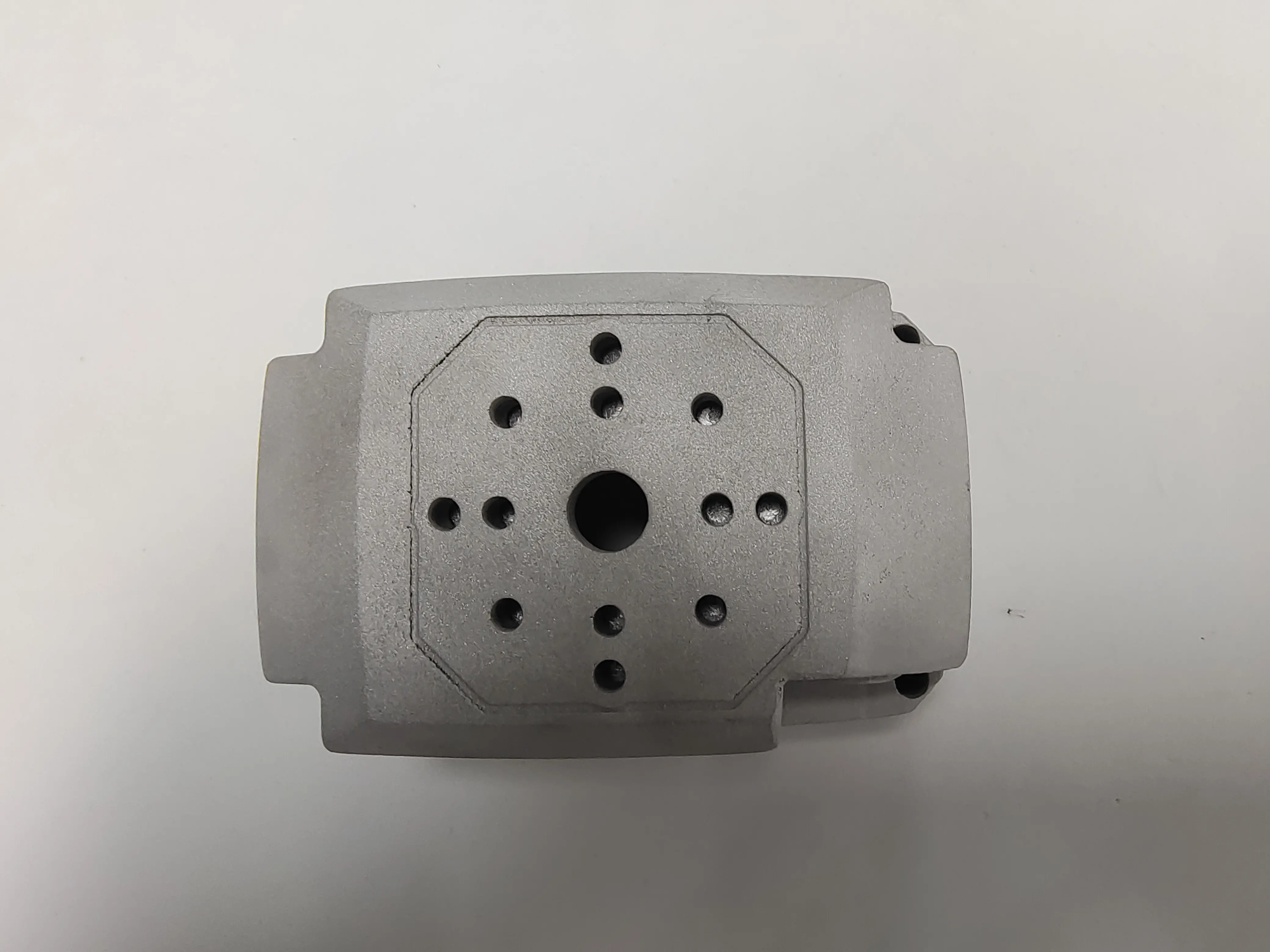
This initial layer lays the foundation for the entire 3D printing. When it bulges outward and is wider than the layers above it, you’re faced with the dreaded "Elephant feet." While it may seem like a minor visual flaw, unresolved elephant feet can affect dimensional accuracy, interfere with assembly fit, and detract from the professional finish you deserve—quality is critical in rapid prototyping and functional parts. At GreatLight, perfection starts with the basics. Let us dissect this common problem and provide you with a proven solution.
Understanding the Elephant’s Foot: Why Your Print Starts on the Wrong Foot
Footage occurs when the bottom layer of a print is slightly crushed and squeezed wider than intended. This distortion usually occurs for a number of interrelated reasons:
- The initial layer is extruded too much: Typically, the nozzle is too close During the critical first layer to the build plate. While it’s crucial to get that first layer of adhesion, over-squeezing can force the filament sideways.
- Heat is trapped at the bottom: A heated build plate keeps the underlying layer warmer for longer. Combined with heat from the layers above, this softens the plastic, allowing pressure from above to push it outward. Insufficient cooling here can exacerbate the problem.
- Bed Ad Nucleotide Water Interaction Requirements: Techniques that ensure strong adhesion (such as very close nozzles, slightly higher initial temperatures, or specific adhesion patterns) can inadvertently cause package deformation if pushed too far.
- Material shrinkage: Some materials, such as ABS, shrink significantly as they cool. If the bottom layer cools more slowly and shrinks after It can pull the lower sections inward compared to the layers directly above them and result in a raised profile at the very bottom.
- Over-squeezing: Although not as specific as an elephant’s foot, but rather bulging upward, continued oversqueezing of the filaments can worsen lateral spread, especially in early layers.
Combating Elephant Foot: Precision Correction Strategies
Restoring an elephant foot requires a nuanced approach that targets its specific cause. Methodically implement these solutions:
-
Optimize bed leveling/calibration:
- This is often the culprit. Make sure your bed is carefully leveled. Use a feeler gauge or tissue paper. Once leveled correctly, you should feel a slight and consistent resistance as you move the paper between the nozzle and bed at all points. Avoid forcing the nozzle into the bed. Consider investing in an automatic bed leveling (ABL) probe for repeatable accuracy.
- action: Carefully re-level the bed. Validate across multiple points.
-
Fine-tune the initial layer Z height/Z offset:
- Even with a level bed, your initial Z offset may be too low. Most slicers allow this value to be adjusted directly during the printing process. Aim for a smooth first layer where the lines blend together, but no Too flat or translucent. Slightly higher initial layer heights (for example, 0.3 mm vs. 0.2 mm) can also help reduce squeezing.
LMENTARY_TIMES_ROMAN * action: As you print larger first layer test patterns, gradually increase the Z offset in smaller increments (for example, -0.02 mm increments). Observe the bond quality and extrusion width.
- Even with a level bed, your initial Z offset may be too low. Most slicers allow this value to be adjusted directly during the printing process. Aim for a smooth first layer where the lines blend together, but no Too flat or translucent. Slightly higher initial layer heights (for example, 0.3 mm vs. 0.2 mm) can also help reduce squeezing.
-
Implement vertical compensation (elephant foot compensation):
- This powerful slicer setup actively compensates for bumps in the model itself. It shrinks the first few layers horizontally, and they are expected to spread outward. When they do spread, they theoretically reach the desired size.
- Common name: Elephant foot compensation, horizontal expansion (initial layer only), initial layer horizontal expansion.
- Typical values: Start with values such as -0.1 mm to -0.3 mm. Experimentation and precise measurements are required after printing.
- action: Enable this feature in the slicer and run a calibration print. Accurately measure the dimensions of the bottom compared to the taller portion.Big light tips: Our engineering team utilizes sophisticated in-house CAD compensation algorithms to handle critical prototypes where micron-level accuracy is critical.
-
Medium initial layer settings:
- temperature: try to reduce initial layer The nozzle/bed temperature is slightly different than your standard setup. Lower viscosity equals reduced spreading. (Note: Do not significantly damage adhesion).
- speed: Slowing down the initial layer print speed allows for better control and cooling.
- flow: Reduce the initial laminar flow rate (e granthamidon) by 2-5%. This reduces the amount of material extruded from the sides.
- action: Conduct separate experiments to reduce initial layer temperature/velocity/flow.
- Strategically enhance cooling:
*