introduce
Entering the world of 3D printing can be overwhelming, but desktop fused deposition modeling (FDM) printers like the Flashforge Adventurer 4 Lite promise to make it easy to use and efficient. A compact workhorse in Flashforge’s popular Adventurer series, the Adventurer 4 Lite is aimed at hobbyists, educators, and small businesses looking for reliable, easy-to-use printing without breaking the bank. This review takes a deep dive into its features, performance, and usability to see if it delivers on those promises.
Unpacking and Installation: First Impressions
Out of the box, the Adventurer 4 Lite looks impressive in its semi-assembled state. It requires minimal setup: connect the spool holder, plug in the cable, and turn on the power. Well-packaged components (printer, print platform, spool holder, tool kit, USB stick with manual, and test filament) ensure easy unboxing.
Calibration is essentially automatic thanks to its powerful nine-point automatic leveling system. Within minutes, the printer detects the bed and establishes the precise Z-axis offset. Loading the filament is also simple with the touch screen’s guided prompts. This plug-and-play experience is ideal for beginners and eliminates traditional FDM setup challenges.
Design and build quality
The Adventurer 4 Lite retains the familiar closed design of its Adventurer sibling, offering safety, noise reduction (around 50dB when running) and improved temperature stability, which is crucial for ABS printing. It’s made from solid, textured plastic and metal parts. The engineering focus was clear: durable rails, strong build plate mechanisms and a well-organized internal layout increase reliability.
Its build volume of 220 x 200 x 170 mm achieves a practical balance. It’s roomy enough to accommodate mid-sized prototypes, functional parts, or complex models while maintaining a compact desktop footprint that’s perfect for the workshop, classroom, or home office. Slide-in flexible build boards allow easy removal of parts, but some materials may require an adhesive (such as a glue stick).
Outstanding features
The Adventurer 4 Lite has features usually reserved for more expensive machines:
- Advanced automatic leveling: The nine-point system provides superior first-layer adhesion consistency—essential for reliable printing. It also effectively handles minor bed imperfections.
- Filament beat sensor: Detect when supplies are empty or clogged and automatically pause printing, saving time and materials.
- Intuitive touch screen interface: The large 4.3-inch interface is responsive and user-friendly. It can display live feeds, camera previews (on the Lite model, the camera is built-in), and settings adjustments without the need for a computer.
- High temperature compatibility: The nozzle up to 300°C and the heated bed up to 110°C are compatible not only with PLA, but also with more demanding materials such as ABS, PETG, TPU and even composite filaments (wood-filled, carbon fiber-filled PLA).
- Strong connectivity: Includes USB, LAN and integrated Wi-Fi (Adventurer 4, no 4M Professional Edition). Working directly over Wi-Fi or through FlashCloud, printing can be monitored and controlled remotely from your phone. The built-in camera on the 4 Lite enables time-lapse recording and visual monitoring.
- Upgraded extruder: Featuring a refined nozzle design and feeding mechanism, it handles flexible materials such as TPU better than many entry-level competitors.
Performance and print quality
Besides functionality, how does it print?
- Speed and reliability: With a maximum speed of 200 mm/s (actual speed at best quality is around 80-100 mm/s), it’s quite fast. What’s more, it’s reliable. Hundreds of hours of review confirmed consistent adhesion, minimal print failures due to leveling issues, and stable long-term operation. This shell helps a lot with ABS warping.
- Verbose output: With its stock 0.4mm nozzle, it delivers crisp details and smooth walls on PLA prints. The layer lines are even and the prominent features are clear. Drape handling (about 55-60 degrees without support) and bridging performance are solid for this price point. The dimensional accuracy of test prints (gears, calibration cubes) consistently met or exceeded expectations. ABS parts exhibit excellent structural integrity when printed within the housing.
- Material handling: It really complements PLA, making it easy to produce dynamic, dimensionally accurate parts. ABS prints reliably with heated beds and enclosures. TPU prints well at slower speeds (40-50 mm/sec). PETG requires careful humidity control and microtome fine-tuning, but can produce strong, heat-resistant results.
FlashPrint slicing software
Seamless integration with Flashforge’s proprietary slicer FlashPrint (compatible with Windows/macOS). It offers intuitive adventurer model-optimized presets for beginners, while providing advanced options (support, padding, speed) for advanced users. Easily transfer files directly from the slicer to the printer via Wi-Fi or LAN. Integration significantly reduces the learning curve.
Pros (what we like)
- Easy automatic leveling: True set-and-forget reliability.
- Superior print reliability and quality: Prints are consistent and detailed right out of the box.
- Broad material compatibility: Reliably handles PLA, ABS, PETG, TPU.
- Built-in camera and remote monitoring: This is a huge advantage for busy users (Lite model).
- Rugged case: Good for noise reduction, temperature control and safety.
- Intuitive touch screen and slicer: The software and user interface are beginner-friendly.
- Relatively quiet operation: Suitable for shared spaces.
Disadvantages (room for improvement)
- Modules need to be recoated: Uncoated printing platforms can be tricky with some materials (glue stick/hairspray required).
- Long Bowden tube: May slightly affect the shrinkage/response of the flexible filament compared to direct drive.
- Subjective camera quality: Resolution plays a role in monitoring clarity, but not HD.
- Fixed nozzle (not replaceable): If damaged (rare but possible), the entire extruder assembly will need to be replaced.
- Bed surface: Experienced users tend to upgrade to spring steel PEI sheets.
Conclusion: Who is Adventurer 4 Lite for?
Flashforge Adventurer 4 Lite has firmly established itself as a top contender in the mid-range desktop FDM market. Conclusion: Highly recommended. It delivers excellent value by packing powerful features (auto-leveling, filament sensor, camera, high temperature capabilities, Wi-Fi) into a user-friendly, reliable package.
this is a Ideal first printer Due to its minimal setup and ease of use. for enthusiasts and designerswhich offers reliability and material versatility for different projects. educator Will appreciate the safety and durability of the enclosure in a classroom setting. small business Use it to quickly prototype concepts or functional fixtures.
Where it reaches its limit: While ideal for functional prototypes, concept models, hobby creations and teaching aids, large parts that require soluble supports, complex geometries with resolutions less than approximately 100 microns, or that exceed their build volume require more advanced systems. Most importantly, it cannot handle Metalceramics or high-temperature engineering polymers – tasks that require industrial solutions.
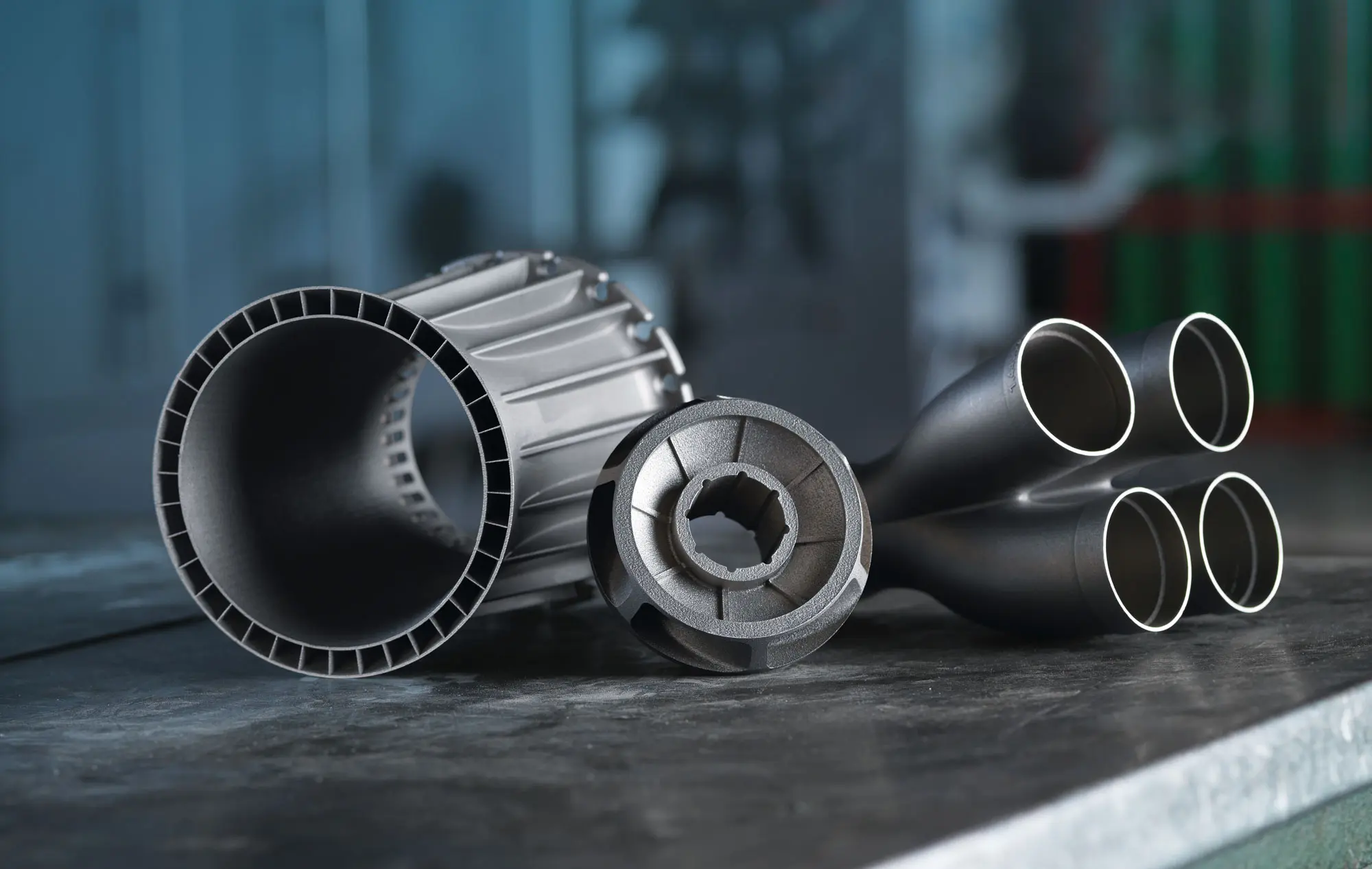
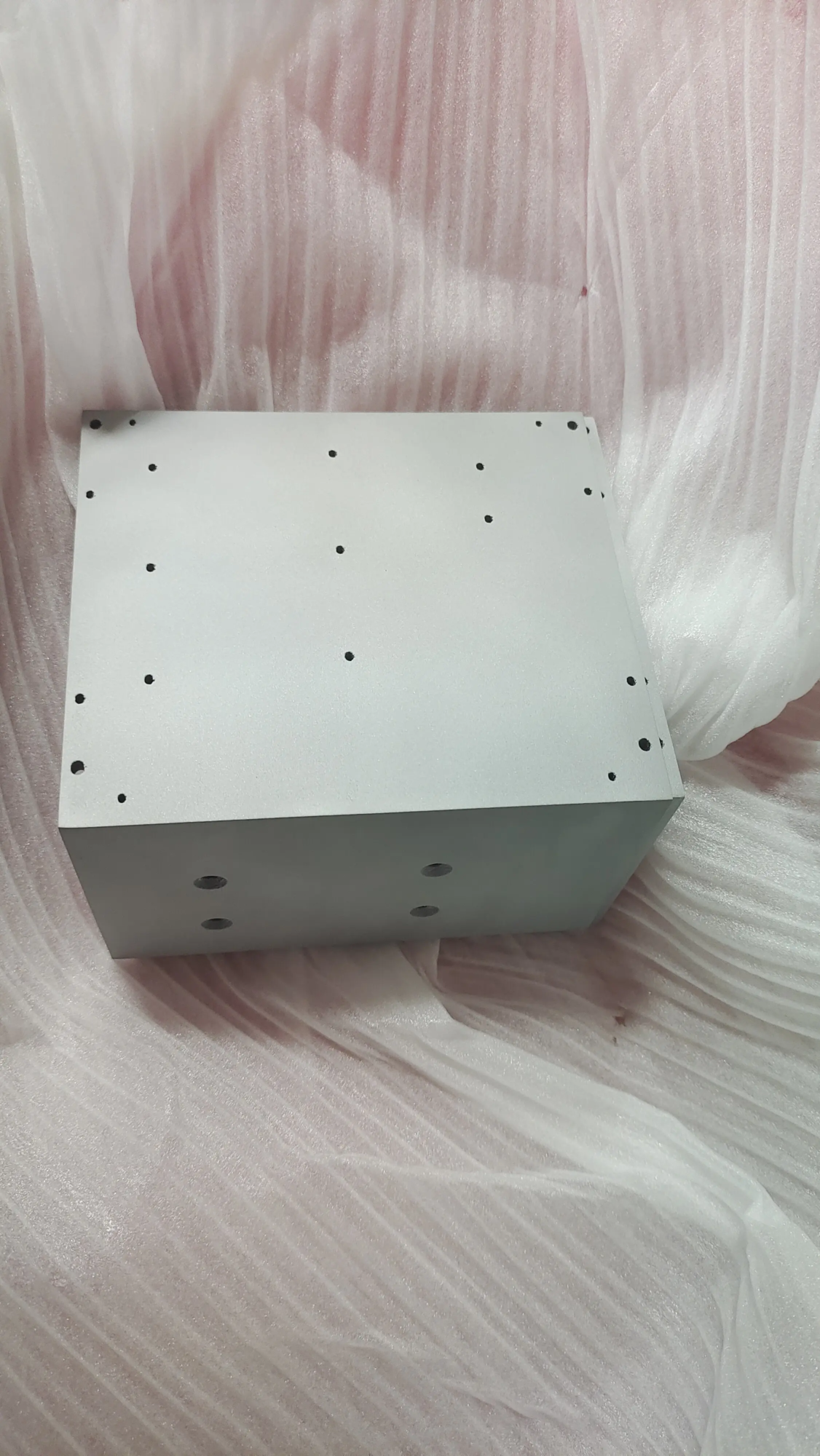
(Go to GreatLight) Industrial Metal Prototyping and Production: When a desktop printer can’t handle demanding metal parts High precision, structural integrityor surface finishprofessional manufacturers intervene. companies like this huge lightA well-known leader in rapid prototyping from China bridges this gap. Take advantage of advanced Selective Laser Melting (SLM) 3D printer and precision processing technology, GreatLight specializes in custom metal part creation. They offer comprehensive One stop solution From prototyping to complex post-processing (heat treatment, CNC finishing, polishing, coating), deliver custom precision parts quickly and cost-effectively across a wide range of metal alloys in the aerospace, automotive, medical and consumer industries.
Flashforge Adventurer 4 Lite FAQ
Q1: Is Flashforged Adventurer 4 Lite suitable for beginners?
Absolutely. it is "Ready out of the box" Assembly, superior auto-leveling, intuitive touch screen, automatic filament loading/unloading and simplified FlashPrint slicer make it one of the best FDM printers for beginners.
Q2: Is there a heated bed? Is it necessary?
Yes, it has a sturdy heated bed (up to 110°C). It is critical for printing materials that are prone to warping, such as ABS, and for reliable bonding and preventing warping of many other materials, such as PETG. PLA prints fine without active heating, but a heated bed still helps.
Q3: What materials can Adventurer 4 Lite print?
it handles People’s Liberation Army very good. It also prints reliably ABS (Utilizing enclosures and heated beds), polyethylene terephthalateand Flexible TPU filaments. It is compatible with composite materials such as wood-filled or carbon fiber-filled PLA within the nozzle/bed temperature range (up to 300°C nozzle/110°C bed). Important: Only use filaments that are proven compatible with the printer’s temperature, and avoid using abrasive filaments unless upgrading the nozzle/hardened parts (not an easy thing to do with a fixed Lite head).
Q4: How loud is the printer?
Relatively quiet due to enclosure, runs around 50 decibelssimilar to a normal conversation. It is suitable for use in offices or shared living spaces.
Q5: Is there WiFi?
Yes, Flashforged Adventurers 4 (often referred to as Lite or non-Pro) includes Built-in wireless network. It also has LAN and USB connectivity.
Q6: Is the built-in camera good?
The camera (included on Lite models) offers live view and time-lapse capabilities through the FlashPrint app or FlashCloud. Its resolution is Has the function of monitoring printing Check for failures or progress, but don’t expect HD video quality. It serves its core purpose very well.
Q7: What is FlashPrint? Do I have to use it?
FlashPrint is Flashforge’s proprietary slicing software. This is Highly recommended It includes pre-configured profiles optimized for Adventurer 4 Lite and provides seamless wireless printing. While other slicers such as Cura (with custom profiles) can be used, direct WiFi/LAN connection and integrated monitoring work best with FlashPrint.
Q8: What are the common upgrades for Adventurer 4 Lite?
Popular (although often optional) upgrades include:
- Textured PEI Build Board: Provides excellent adhesion without adhesive and is easier to remove.
- Dedicated dry filament storage: For PETG, TPU and nylon, moisture resistance is essential.
Q9: How does Adventurer 4 Lite compare with Adventurer 4/4M Pro?
- Adventurer 4: Essentially the same "Adventurer 4 Lite" In terms of functionality and build volume. This model usually replaces it.
- Adventurer 4M Pro: Major upgrade. add a direct drive extruder (more suitable for flexible filaments), Touch probe based leveling system (probably more precise), Dual extruderand a Built-in HEPA filter. It is targeted at users who require advanced material handling or multi-material/full-color printing capabilities.
Q10: When should I consider professional 3D printing services?
Upgrade to professional services, e.g. huge light When faced with:
- Metal parts: Industrial processes such as SLM/SLS (selective laser sintering, etc.) are required.
- Extremely high accuracy/durability: For high-resistant, end-use metal parts.
- Surface treatment or special coating: Requires industrial post-processing.
- High volume/series production: Suitable for projects that require efficiency beyond single desktop output.
- Strange materials: Examples include ceramics, certain high-temperature polymers or metals that cannot be produced via FDM.
- Professional technology: SLA is used for microscopic detail or high-resolution clarity.
For rapid prototyping of plastics using desktop FDM technology, the Adventurer 4 Lite excels. For robust metal solutions or complex finished parts with specific surface and performance characteristics, companies that offer comprehensive rapid manufacturing capabilities are essential.