Unleash creativity with flexible 3D printing: your comprehensive guide to rubber filament
Beyond hard plastic! Flexible filaments such as thermoplastic polyurethane (TPU) and thermoplastic elastomers (TPE) are revolutionizing desktop 3D printing, enabling the creation of functional, soft rubber parts. From shock-absorbing phone cases and ergonomic handles to complex seals, hinges and compliant mechanisms, these materials open the door to innovative applications previously unachievable with standard PLA or ABS. However, successfully printing with rubber-like filaments requires a different approach. This guide will give you the knowledge to master flexible 3D printing.
What is flexible filament? Beyond stiffness
Flexible filaments bridge the gap between hard plastic and real rubber. They offer a unique combination of elasticity, impact resistance and durability. Key types include:
- TPU (thermoplastic polyurethane): The most popular flexible filament. TPU has excellent abrasion resistance, high elasticity (can stretch significantly and regain shape), good layer adhesion and good chemical resistance. The Shore hardness scale (such as Shore A 85A or 95A) indicates flexibility – lower numbers mean softer, more flexible prints.
- TPE (thermoplastic elastomer): Covers a broader category of TPU. Pure TPE is generally softer and more rubbery than TPU, but can be slightly more difficult to print due to its higher flexibility and tendency to string. It has good impact strength and flexibility.
- TPC (Thermoplastic Copolyester): Less common, it has excellent resistance to UV, chemicals and hydrolysis (water degradation), making it ideal for harsh environments.
Why flexibility can cause printing problems:
The properties of these filaments—softness and elasticity—also make them more difficult to handle during the printing process than rigid plastics:
- Buckling and Compression: Flexible filament can easily become compressed within the extruder path, especially the Bowden tube, resulting in inconsistent extrusion, underextrusion, or blockage.
- High flow resistance: Requires precise control of extrusion pressure; too much retraction or too high a speed can cause problems.
- Drawing and water seepage: Flexible filaments are more likely to seep out of the nozzle when moved between parts.
Essential Strategies for Successful Flexographic Printing
Overcoming these challenges requires optimized hardware, slicer settings, and techniques:
1. Printer hardware precautions:
- Direct drive is king: This extruder setup, where the motor pushes the filament directly into the hot end, performs significantly better than the Bowden setup (where the motor is further apart, connected by a tube). The shorter path minimizes compression and provides excellent control.
- Standard Bowden? Proceed with caution: Choose a stiffer/stiffer TPU formula (e.g. 95A Shore). Use high quality PTFE tubing with tight internal tolerances and minimal bending. Slows everything down significantly. Extruder upgrades like Bondtech BMG can help.
- All metal hot end: Crucial for where consistent higher temperatures are often required. Keep the hot end of the PTFE liner away from the melt zone.
- Gear extruder: Dual gear extruders provide better grip and consistent thrust compared to basic single gear or hobbing bolt types.
2. Master slicer settings:
- slow down: This is non-negotiable. Very slow startup speed (e.g. 15-25mm/sec print speed). Increase cautiously after success.
- Low (or no) retraction: Minimize retraction. Excessive retraction can cause compression and misfeeding. If necessary, small distances (0.5-2mm) can be used at low speeds (25-30 mm/s). Grooming patterns can help minimize travel across the perimeter without retracting.
- Moderate temperature: TPU/TPE typically prints between 220°C – 240°C. Too high will increase bleeding, too low will reduce interlayer adhesion. Always calibrate the temperature for your specific filament brand.
- Bed temperature: For the selected bed surface, use typical bed adhesion temperatures (50-70°C). Ensures excellent adhesion throughout the printing process (flexible prints may warp/curl).
- Minimal cooling (for most prints): Flexible materials benefit from strong interlayer bonding. For large parts without fine detail, use minimal or no part cooling fans (10-30% max). Bridges or overhangs may require slightly more cooling.
- Floor height: Moderate layer heights (0.2mm – 0.3mm) balance detail and layer adhesion. Layers less than 0.1 mm thick should be avoided initially.
- Filling and walls: Lower filling density (10-30%) significantly enhances flexibility. Increase the number of walls/perimeters (3-4+) to increase strength and prevent "Pillow" On the top floor. If possible, use gradual fill.
- Avoid supporting: Flexible supports are notoriously difficult to remove cleanly due to adhesions. Design the part to minimize them or use soluble supports if available.
3. Printing technology and environmental factors:
- Bed adhesion is critical: Use PEI, BuildTak or glue stick/PVA on glass. Make sure the bed is completely clean and level. Use the brim (5-15 lines) for better grip on small footprints.
- Dry your filament: Flexible filament absorbs large amounts of moisture, severely affecting print quality (bubbles, inconsistent extrusion, weak layers). Add desiccant to seal and store. Dry thoroughly before use (approximately 8-12 hours @ 45-55°C).
- Shell advantages: Prevents drafts (a problem at low cooling fan speeds) and helps maintain consistent temperatures.
Highlights of Flexible 3D Printing: Beyond Prototypes
The range of applications for flexible parts is wide and growing:
- Functional prototype: Gaskets, seals, dampers, hinges, soft-touch interfaces.
- Wearable devices: Customizable straps, insoles, athletic padding, and fitted shells.
- Robots and Mechanical Devices: Compliance joints, clamps, vibration isolation brackets.
- Everyday useful items: Ergonomic tool handles, cable organizers, phone/tablet cases, unique toys/stress reducers.
- custom made: Add non-slip surfaces, grip, or padding to printed or existing objects.
Conclusion: Embrace the rebound!
Flexible 3D printing opens up a world of functional, dynamic and user-friendly creations not possible with rigid materials. While TPU and TPE require respect for their printing characteristics—which primarily require low-speed, direct-drive extruders and careful slicer adjustments—mastering them makes a lot of sense. Start with a harder TPU such as 95A for initial experiments and embrace the trial and error process. Continuous calibration, meticulous filament drying, and thoughtful design tweaks will result in impressive, stretchy, rubbery parts.
While flexible filaments power desktop printers, many demanding industrial applications require unmatched strength, precision and durability of metal parts. This is where working with a professional rapid prototyping service provider becomes essential.
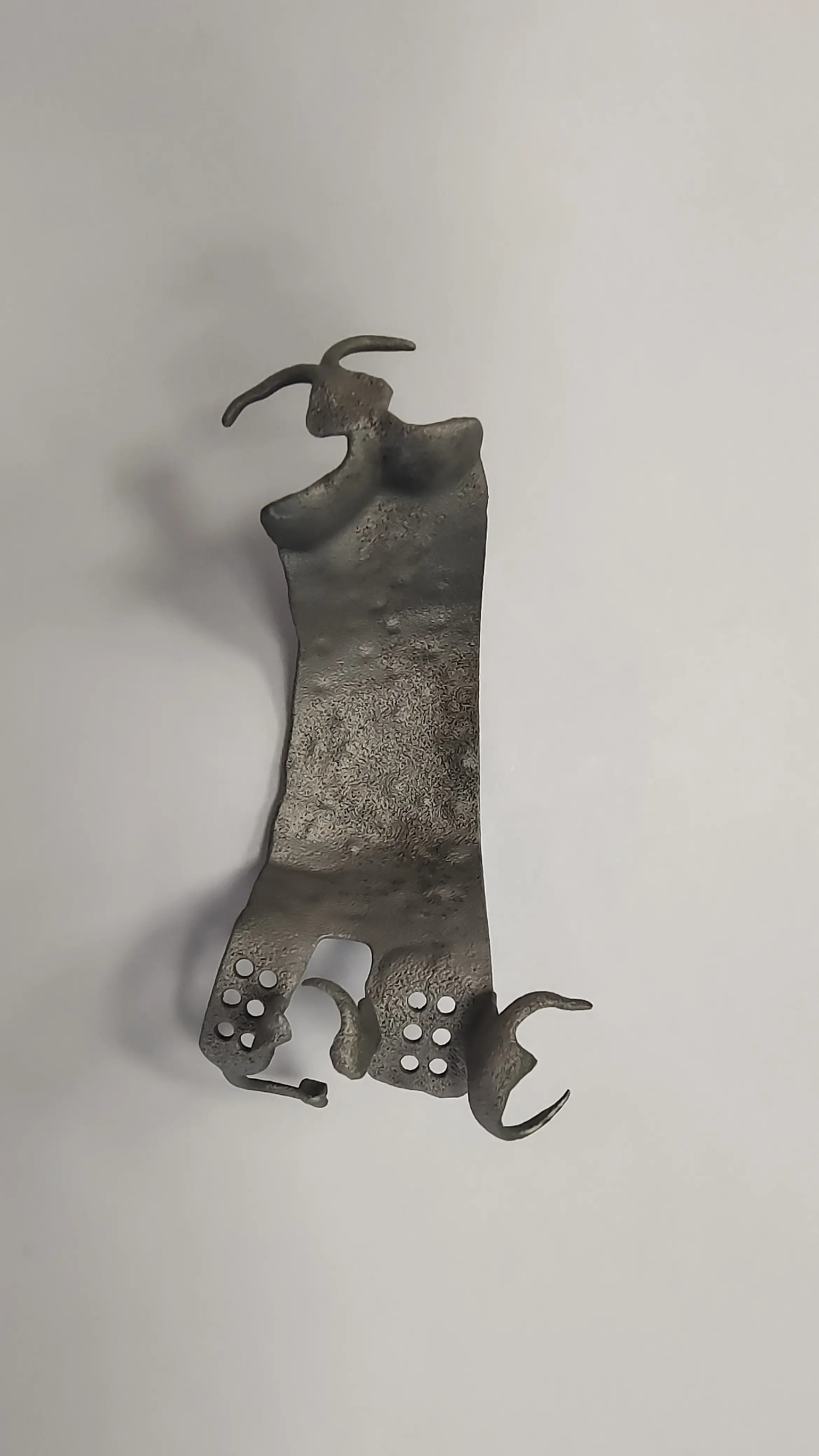
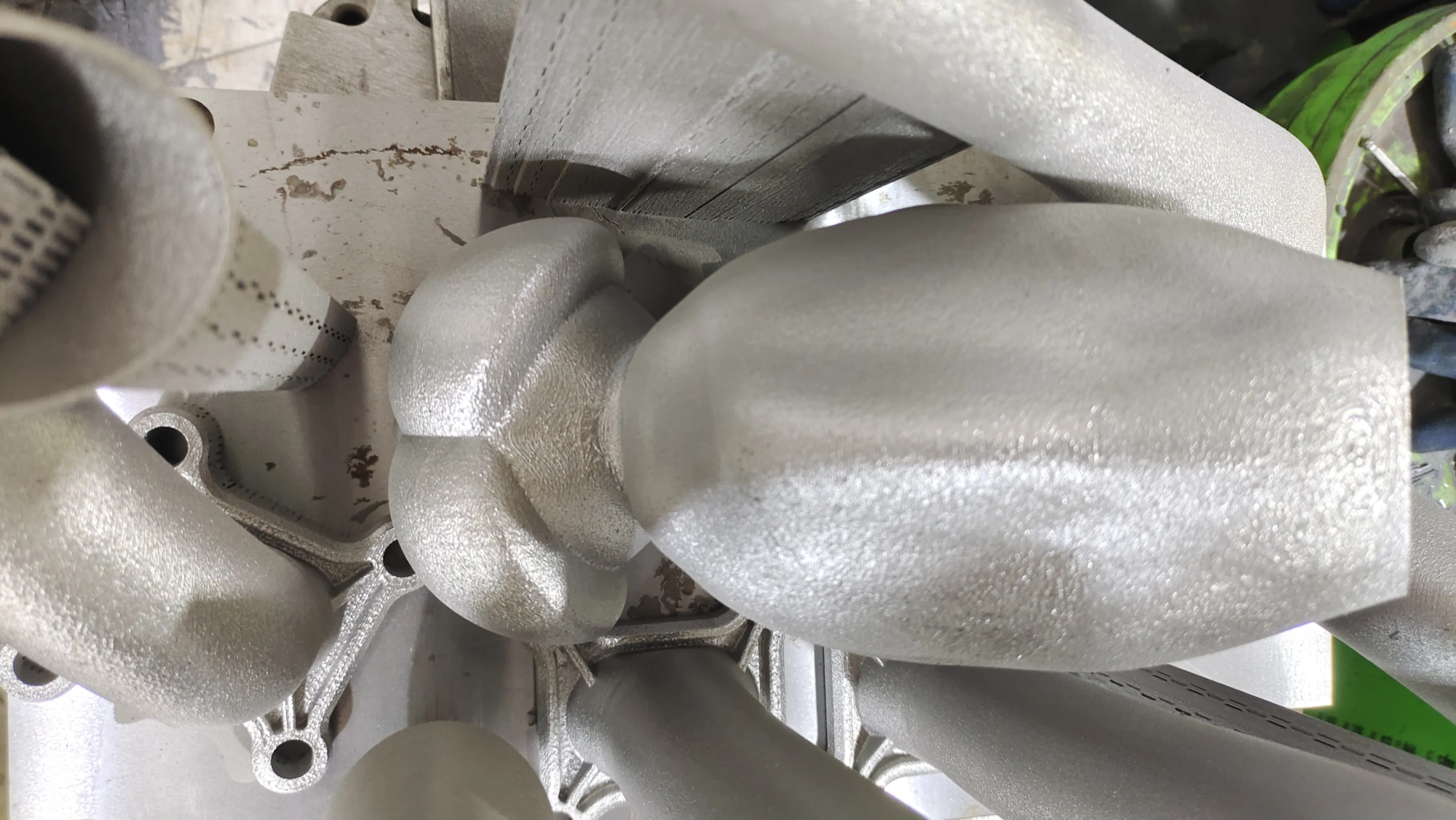
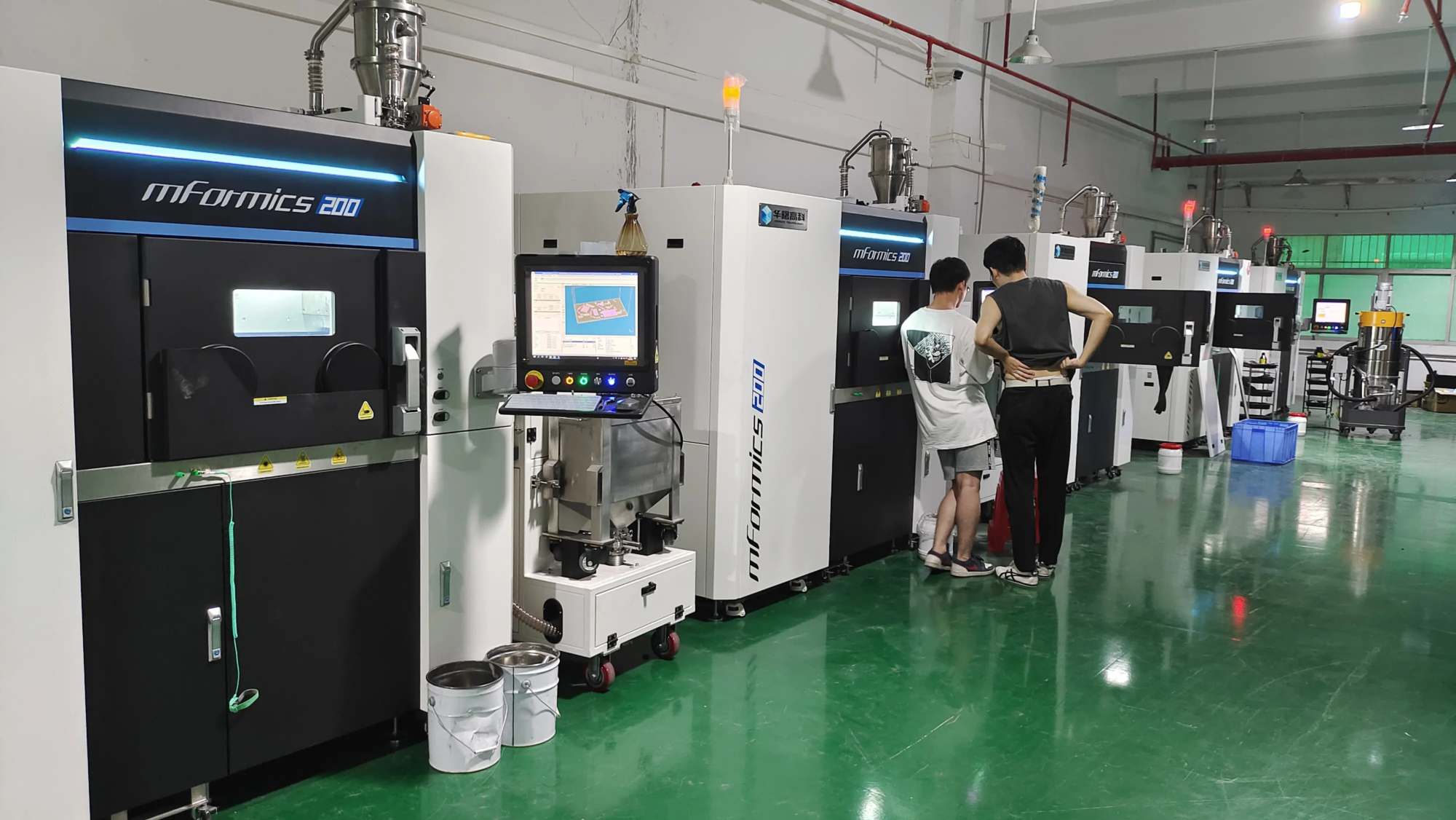
huge light It is a leader among rapid prototyping companies in China, especially in Metal Additive Manufacturing and Precision Machining. equipped State-of-the-art Selective Laser Melting (SLM) 3D Printer And leveraging advanced production technologies, GreatLight specializes in solving complex metal rapid prototyping challenges across industries.
In addition to additive manufacturing, GreatLight also offers Comprehensive one-stop post-processing and finishing services – Including CNC machining, heat treatment, surface treatment (anodizing, electroplating, polishing), painting and assembly. Their expertise ensures your metal prototype or end-use part meets the highest standards of dimensional accuracy, mechanical performance and aesthetic quality. receive widespread support Material customization options and optimized for the following aspects Quick turnaround timeGreatLight provides tailor-made solutions at competitive prices.
Whether you need complex metal prototypes for functional testing, low-volume production runs, or critical precision components designed to precise specifications, GreatLight has the skilled technical and manufacturing resources to bring your vision to market efficiently and reliably. Drive your innovation with flexible filament on your desk and conquer the world of high-performance metal prototyping and production with GreatLight.
Customize your precision rapid prototyping metal parts now at the best price!
FAQ: Flexible 3D printing filament (TPU, TPE)
Question 1: How flexible are printed TPU/TPE parts compared to real rubber?
A1: Flexibility varies greatly based on Shore hardness (Grade A) and print geometry/fill. Softer TPEs (such as 70A) have softness and elasticity close to rubber. Harder TPU (95A) has a more flexible surface but produces stronger parts. Design choices (thin walls, low infill) maximize flexibility.
Q2: Can I successfully print TPU/TPE without a direct drive extruder?
Answer 2: Yes Significantly more difficult and less reliablebut it is also possible to use a harder TPU formula (such as 95A) using the Bowden setting. Key requirements: Perfect Constrained filament path (high quality PTFE tube), low speed (<20mm/s), minimal/no retraction, thorough filament drying, and low tension/well-tensioned extruder gears.
Q3: Can TPU/TPE be washed?
A3: Yes, most TPU and TPE filaments are waterproof and can be gently washed with mild detergent. Avoid using harsh chemicals unless you confirm the chemical resistance of your specific filament (TPC is best here). Avoid high temperatures (>~80°C/176°F).
Q4: How to prevent TPU/TPE printing from sticking too much on the bed?
A4: Use removable build surfaces (e.g. PEI, BuildTak). Increase the initial Z offset slightly. Allow the bed to cool completely – flexible filaments usually release more easily when it’s cold. Apply a very thin A layer of glue stick able Creates a releasable barrier on glass.