Navigating food safety with 3D printed resins: A key guide for manufacturers and innovators
The world of 3D printing exploded with innovation, bringing in sophisticated designs and functional prototypes. Since resin-based 3D printing (particularly SLA, DLP and LCD/MSLA) is popular for its high resolution and smooth finish, its applicability for applications involving food contact is naturally emerging. Whether you are an amateur designing custom cookie cutters, a chef exploring unique gilding options, or an entrepreneur developing food-related products, understand Food-safe resin printing It is the most important.
Charm is understandable: the ability to create custom shapes, textures, and intricate details in traditional manufacturing seems to be ideal for the culinary world. But shifting from concept to truly food-safe products requires careful navigation of major challenges.
Why are standard 3D printing resins not safe (outside printing)
Let us eliminate a common misunderstanding. Most standard photopolymer resins, fresh build boards, are clear no Food safety. Several key factors contribute to this:
- Unfixed resin toxicity: Liquid resin contains cocktails, polymers, photostarters and additives. Many of these ingredients are irritating, sensitizing agents or potentially toxic if ingested. Although the curing process consolidates the resin, the process of achieving 100% complete polymerization is extremely difficult.
- Mini-permutation and layered lines: The layer-by-layer nature of printing inevitably creates microscopic gaps, pits and ridges on the printing surface. These imperfections become breeding grounds for bacteria, mold and yeast. Thorough cleaning is almost impossible and poses a persistent hygiene risk.
- Residual toxins and leaching: Even after curing, a small amount of unauthorized resin components or chemical by-products may leaching over time, especially when exposed to calories, fats, oils, acids or alcohol commonly found in foods. This leaching can contaminate food and pose health risks.
- Biocompatibility and food safety: Certified as a resin "Biocompatibility" (for dental applications, for example) addresses specific medical standards, but does no Automatic is equivalent to food safety. Food contact involves different exposures, temperature changes and pressure sources.
- Lack of strong material standards: The resin is clearly sold as "Food Safety" or "Food Contact" Appearing, many claim to comply with specific regulations raw material test. right Finished, print parts In the real world, food contact conditions often lack amateur grade materials. Regulation 10/2011, such as the U.S. or EU regulations, such as FDA CFR 21, sets strict migration restrictions for pollutants.
Can you make 3D resin printing food safe? Reality check
Real food safety with DIY resin printing is Highly challenging and risky. Although it is not impossible in certain circumstances, Right Materials, this is usually not the most reliable road. However, if you keep going, you need to make a lot of effort:
- Start with food-safe resin: This is not negotiable. Do no Use standard, castable, dental or engineering resins. Looking for clearly stated resins "FDA meets food contact" or similar certifications, and specific provisions they comply with (e.g. "FDA CFR21§177.1520" For olefins/ABS-like resins in certain applications). Reputable suppliers provide SD and detailed compliance statements. Note: Compliance with EU regulations at the same time is also crucial to many markets.
- Detailed printing and curing: Follow the manufacturer’s exact instructions to obtain layer thickness, exposure time and post-time strict. Inadequate curing is the main cause of leaching. Ensure that the cured environment provides UV light at the correct wavelength and intensity and Complete recommended duration – Usually longer than standard resin. Consider rotating the parts during curing to maximize penetration. Thinner parts and interiors are particularly easy to heal.
-
Active post-treatment – Sealing is key: It can be said that this is the most critical step to mitigate the risk of microbial:
- Command surface seal: Apply specially designed inert coatings designed specifically for creating foods that are non-pore barriers. Common options include:
- FDA-compliant epoxy resin: There may be dangers during application, make sure to cure it to complete. Careful research and selection are required. Look for NSF or FDA certification.
- Food grade silicone coating: Usually inert and flexible, but must withstand thermal stress and body wear. Verify the suitability of direct food contact.
- Food-safe polyurethane or polyester coatings: Thorough curing is required under certain conditions. Verify compliance.
- Key steps: Ensure even coating application No bubbles or pinholes And according to It is Specifications before contact with any food. Failure here hurts everything.
- Command surface seal: Apply specially designed inert coatings designed specifically for creating foods that are non-pore barriers. Common options include:
- Special equipment: Use tools, tanks and cleaning solutions specifically for your food-safe resin printing. Cross-contamination from other resins is a significant risk. The printer and cleaning/treatment station were carefully cleaned/treatment stations according to the resin manufacturer’s cleaning guidelines.
- Strict cleaning and handling: Clean any printed and sealed items with gentle wash soap and water Before and after each use. Avoid dishwasher unless sealed parts are explicitly evaluated for dishwasher safety. Do no Unless the resin and Specific testing and evaluation of coatings were performed for these conditions. Think of them as exquisite high maintenance items.
- Lifespan management: Recognize that sealed paint will decrease, scratch or wear over time. Check the surface regularly and retire with the first sign of damage, cloudy or etching. Don’t expect to use indefinitely.
Alternative: When resin may not be the right tool
Consider the complexity and risks of the outline, carefully consider alternatives:
- Food Safety Thermoplasticity (FDM): Materials such as food-safe PET (original, dry silk, correctly printed) or PP can be inherently safer, especially with a smooth finish and post-print seal. They usually have more pores than resin If intensive printingbut caution still needs to be taken and sealed with hot liquid or porous surfaces.
- Professional casting/silicon forming: Create a resin master model and use it to make food grade silicone molds. The last part is cast with food-safe materials such as chocolate, candy, gummy, ice or food-safe polyurethane.
- Simple avoidance: Prints using decorative resin Nearby to food (deli food plate, tray holding prepackaged items) instead of direct contact.
Why consider the professional manufacturing of key food contact parts?
For functional prototypes or production parts, safety, durability and reliability are not commercially available (e.g., custom components for kitchen utensils, packaging molds, medical equipment, laboratory tools, etc.), relying on professional rapid prototypes and manufacturing services is usually the safest, most effective, most effective and ultimately the most economical choice.
The company likes it Great Specializes in expertise and the right industrial-grade equipment to solve complex manufacturing challenges. For parts requiring an absolute food safety certificate:
- Material expertise: Use certified food grade materials other than consumer resins, including high-performance nylon, polyethylene, and even metals such as stainless steel.
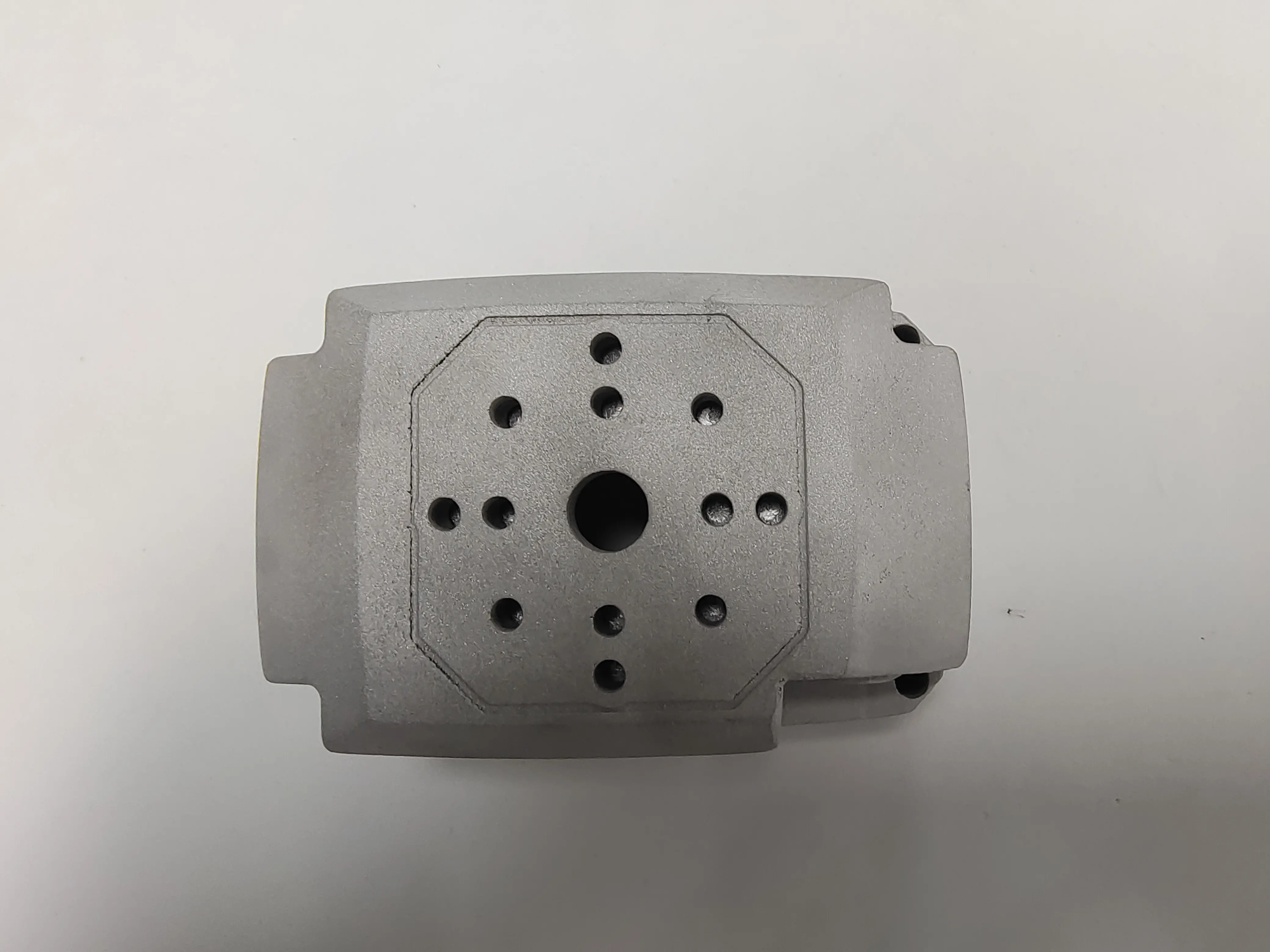
- Advanced Manufacturing: picture Selective laser melting (SLM) For metal parts, inherent chemical inertia and density are provided when needed.
- One-stop post-processing: Professionally plating, sealing, passivation (for metals), verified compliance in stringent quality control procedures, durable conformal coatings for coatings and applications.
- Regulatory compliance support: Experience browsing the documentation and verification process required for food contact materials.
- Quality and reliability: Industrial-grade processes ensure repeatability, complete therapeutic ability and freedom from microporosity – problems that are difficult to guarantee in DIY environments.
The use of professional services eliminates the guesswork and inherent risks of DIY food safety resin printing, providing peace of mind through a proven process and rigorously tested materials.
Conclusion: Safety first, always
3D printing resins have incredible creative potential, but taking a risk into food contact applications requires great caution, meticulous effort, and a realistic understanding of limitations. While the food safety name on the resin bottle is the starting point, it is no Ensure the safety of finished printing and processing parts.
For low-risk, decor or disposable items, outlined steps (using certified resin, compulsive post-treatment, sealing, careful cleaning) possible Enough to stay alert. However, for any failure involving extended contact, heat, oil or acid or safety, alternative materials or Work with professional rapid prototyping manufacturers, such as Greatlime It is a highly recommended path. Their expertise in metal and plastic prototyping and finishing ensures that parts reliably meet stringent food safety requirements.
Prioritize safety – Your health and the trust of your creator depends on it.
FAQ: Food Safety 3D Resin Printing
-
Q: If I wash and cure it, are there any resin 3D printed parts that can be safe to eat?
- A: Absolutely not. Wash and cure removal most Unguaranteed resin, but cannot guarantee 100% removal of residual chemicals or elimination of micropores for bacterial propagation. Uncertified food safety resin and This section is an effective, fully cured, non-porous sealant that is inherently unsafe to food contact.
-
Q: Where can I find a true food safety resin?
- one: Buy ads from reputable suppliers "FDA meets food contact" Refer to specific regulations (e.g. FDA CFR21 §177.1520). Requires SDS (Safety Datasheet) and compliance certificate. Be cautious about vague claims. Brands exist, but thorough research is crucial.
-
Q: Can I put the washed and cured resin printed cups in the dishwasher?
- A: Even using food-safe resins is incredible. A combination of high-calorie, intense detergent and aggressive water spray heads can degrade resin polymers faster, interrupt sealant coatings and leaching chemicals. Hands must be washed with gentle soap and cool until warm water is a must.
-
Q: Is it safer to use resin prints for cold drinks?
- one: A reduced temperature reduction may significantly reduce leaching compared to hot liquids or oils. However, microporosity remains a bacterial risk. If using resin for short-term cold applications, start The only one Perform perfect treatment and tightly sealed finishes with certified food safety resins and wash your hands carefully. Understand that the risk has not been eliminated. Consider using direct food/beverage contact only with disposable lining.
- Q: Why choose professional rapid prototyping, such as Greatlight for food safety parts?
- one: Professional service ensures:
- Certification materials: Use rigorously tested food grade plastics and metals.
- Industrial processing: Ensure complete curing, material density (poreless) and structural integrity.
- Experts completed: Applications are proven, durable, food-compliant seal/polished/passivating coating applications.
- Regulatory Insights: Supports necessary documentation and compliance standards (FDA, EU).
- Reliability and safety: Consistent quality is not inherently risked by DIY porosity and incomplete treatment. Responsibility and consumer safety in commercial or critical applications are critical.
- one: Professional service ensures:
Customize your precision, safe prototypes now
Navigating the complexity of food safety? Let Greatlight’s expertise and advanced features simplify your journey. We use the cutting edge SLM Metal Printing To provide powerful, inert components and leverage our extensive material knowledge as well as one-stop post-processing to provide functional prototype and end-use parts to meet stringent food safety standards. Avoid gambling with DIY resins – Get reliable, compliant solutions for precise production.
[Explore GreatLight’s Rapid Prototyping & Finishing Solutions Today – Get Your Quote!]