Fort Worth 3D printed home unveiled: A leap into the future of architecture
The unveiling of Fort Worth’s first 3D printed house marks a watershed moment in construction technology. Built by additive manufacturing pioneer ICON in partnership with renowned architecture firm Lake Flato, this 2,000+ square foot home demonstrates how 3D printing can blend innovation and artistry. Unlike traditional buildings, its wide curved walls, energy-efficient design and resilient structure highlight the potential of robot-driven construction. Completed in late 2023 after months of planning and printing, the project demonstrates that 3D printed housing is no longer experimental and is ready to redefine real-world construction.
The technology behind the build
ICON’s Vulcan building system brought the house to life. The printer extrudes layer by layer a proprietary cement-based material called Lavacrete® with a level of precision not possible with traditional methods. Each wall is printed on site, merging formwork and structure into one seamless process. Lavacrete® mixes are designed for fast curing, thermal efficiency and resistance to extreme weather, ensuring durability while significantly reducing waste. Integrated sensors embedded during the printing process monitor structural stresses in real time, setting a new standard for smart, adaptive buildings.
Why this matters for sustainable urban development
The Fort Worth project is not just a novelty; Here’s a blueprint for scalable solutions to pressing global challenges:
- Speed and cost: Compared with traditional construction, construction time is shortened by 45% and labor costs are reduced by 30%.
- Sustainability: Near-zero construction waste and optimized thermal mass reduce long-term energy consumption.
- Design freedom: Complex geometries, such as organic curves or integrated pipes, can be achieved without expensive custom molds.
- Elasticity: Lavacrete® structures are tested for fire, flood and high wind resistance, exceeding traditional building codes.
City planners see this as the key to affordable housing. Projects in Texas, California and Mexico are now leveraging similar technology to build communities faster and greener.
From megastructures to micron precision: the role of industrial 3D printing
While construction printers like Vulcan are reshaping the skyline, precision-focused additive manufacturing technologies like Selective Laser Melting (SLM) are revolutionizing prototyping and industrial production. Unlike concrete extrusion, SLM uses high-power lasers to fuse fine metal powders layer by layer to create complex, durable parts with micron-level precision.
This is what companies like huge light Outstanding. As a leading rapid prototyping manufacturer, GreatLight utilizes advanced SLM 3D printers to solve complex metal part challenges. From aerospace turbines to medical implants, their expertise covers:
- Material Versatility: Custom alloys (titanium, Inconel, aluminum) tailored for strength, heat resistance or biocompatibility.
- Speed to market: Rapid prototyping and small batch production, delivery time is 5-10 times faster than CNC.
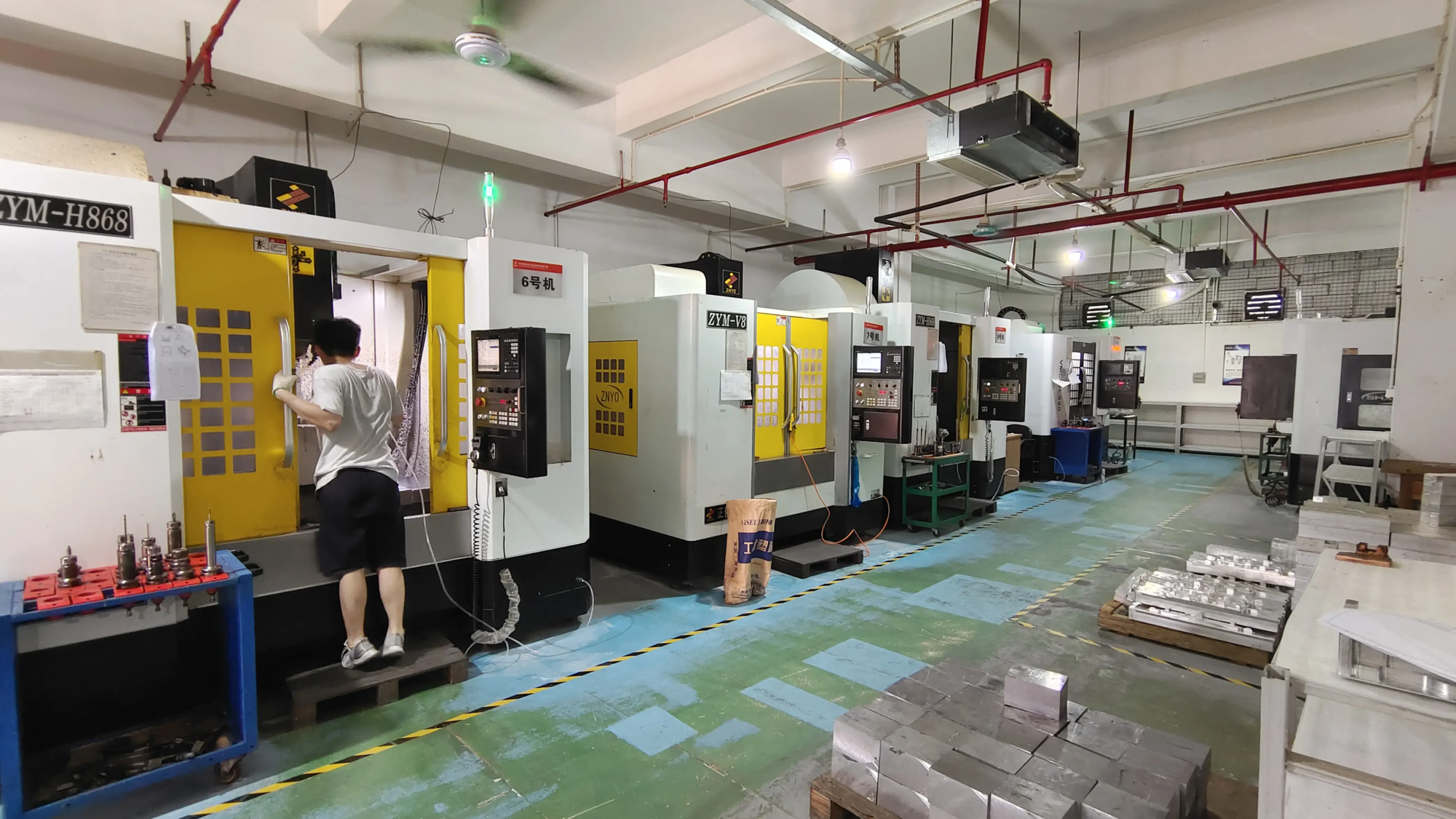
- End-to-end service: Heat treatment, CNC machining, surface polishing and quality inspection – all under one roof.
For engineers pushing boundaries in fields such as automotive or robotics, GreatLight’s agile approach bridges the gap between CAD design and high-performance end-use components. As additive manufacturing evolves, partnerships with specialized companies are turning once-impossible concepts into reality.
Conclusion: Building tomorrow layer by layer
The Fort Worth home proves the feasibility of 3D printing in mainstream construction—addressing barriers to efficiency and sustainability while democratizing design. The broader lesson, however, lies in the versatility of additive technology: whether it’s extruded concrete or laser-fused aerospace alloys, precision layering can lead to unprecedented innovations. For industries looking for fast, resilient solutions, embracing these advancements is not optional but essential. Companies like GreatLight exemplify how technological prowess and customer-centric service can accelerate this transformation, turning bold prototypes into reliable realities.
Frequently Asked Questions About 3D Printing in Construction and Manufacturing
Q1: Are 3D printed houses in Fort Worth suitable for living?
Absolutely. It undergoes rigorous structural testing and complies with the International Building Code (IBC). Materials like Lavacrete® are more durable and resilient than traditional concrete, making them a safe, sustainable choice.
Question 2: How is metal prototyping (SLM) different from architectural printing?
Construction printers extrude cement materials for large buildings. However, SLM uses lasers to sinter metal powder into complex, high-strength parts, making it ideal for industrial applications. Both rely on additional layering but serve different scales and materials.
Q3: Can SLM printed parts meet industrial needs?
Yes. GreatLight’s SLM parts are stress-relieved heat treated and precision finished (machined, coated) to ensure fatigue resistance, dimensional accuracy and performance comparable to forgings – critical for engines, tooling or medical equipment.
Question 4: What are the environmental benefits of printing buildings?
Projects like Fort Worth reduce construction waste by approximately 95% and reduce CO2 emissions through efficient use of materials. Thermal efficiency design can also reduce energy consumption over the life of the building.
Q5: How cost-effective is rapid prototyping for small batch production?
SLM eliminates tooling costs and enables design iterations without upfront investment. For batches of 10-1,000 units, it is generally less expensive than CNC or casting while offering superior sophistication.
Q6: Does GreatLight support custom material requests?
Yes. Customers provide specifications (e.g. tensile strength, corrosion resistance) and GreatLight develops a custom material profile or suggests the best alloy from its product portfolio.
Q7: Are there any restrictions on what a 3D printer can print?
There are size limitations – construction printers can print structures up to around 10m, while SLMs can accommodate parts up to 500mm x 280mm x 350mm. However, complex internal geometries are the strength of both technologies.
Q8: How to start rapid prototyping?
Submit designs in STP/IGES format to experts like Greatlight. Their engineers review files for manufacturability, make optimization recommendations, and then deliver prototypes within days at a competitive price.
Transform concepts into reality: GreatLight combines cutting-edge SLM technology with industry expertise to deliver rapid prototyping that exceeds expectations. Customize precision metal parts at unmatched speed and price. Your vision is perfected layer by layer.