Entering the Future of Metal Prototypes with Fusion Edge 3D Printer
The ruthless evolution of additive manufacturing has ushered in an era of digital design realization of complex metal parts with unprecedented speed and accuracy. For engineers, designers and innovators, demanding perfection will not help Fusion Edge 3D Printer It is a beacon of technological progress. At Greatlight, we use this revolutionary selective laser melting (SLM) technology to transform how the industry is prototyping and manufacturing rapidly.
As a leader in rapid prototyping, Greatlight combines cutting-edge hardware with deep metallurgical expertise to solve engineering challenges that traditional methods cannot. From aerospace to medical devices, our fused edge systems go beyond traditional boundaries, making geometry once considered as "Unable to manufacture." But what really sets us apart? We are not just equipment operators, we also have problem solvers. Our end-to-end solutions include precise post-processing and finishing to ensure your prototype is ready, not just printed 3D.
Unlock Fusion Edge SLM technology
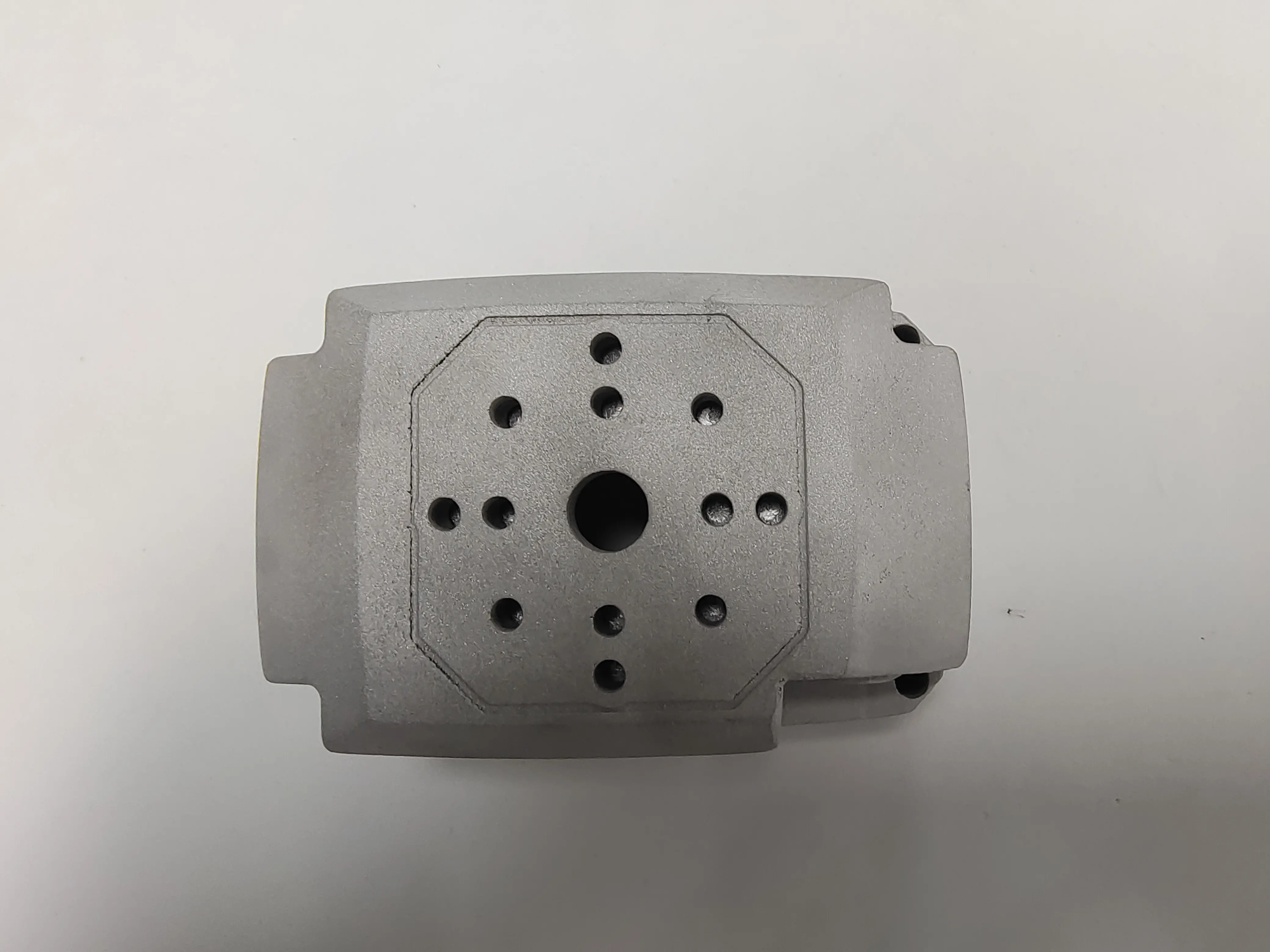
Utilization of the fusion edge Selective laser melting– The process of fusing fine metal powders with high power lasers. Unlike the subtraction method, SLM adds parts to eliminate material waste while reaching a density of more than 99.9%. This results in components with mechanical properties that enable the forged metal to match.
Key Features:
- Unparalleled precision: With the size of the laser spots reduced to 70 microns and the layer resolution is 20 microns, the complex details generated by the fusion edges can be ignored by the human eye, but are crucial to performance.
- Material versatility: Handle a variety of alloys including aviation grade titanium (TI6AL4V), corrosion-resistant stainless steel (316L, 17-4PH), aluminum (ALSI10mg) and nickel superalloy (Inconel 718). Customized materials? We will work together to qualify.
- Scalability: Large build volumes (up to 300 x 300 x 350mm³) cater to micro components and bulky functional components, reducing the compromise of multi-part design.
- Speed is not sacrificed: Compared with traditional SLM systems, parallel processing algorithms reduce printing time by 30-50%, making it ideal for iterative prototypes and bridge production.
Beyond Printing: Gremight Advantage
Having a groundbreaking printer is just the beginning. Great 360° support ecosystem Integrate each step:
- Design optimization: Our engineers preprocess your CAD files, optimize direction and support structure to minimize post-processing needs.
- Internal post-processing:
- Surface refinement: Electric polishing, bead blasting, CNC milling.
- Heat treatment: Relieve pressure, solution annealing, heat and other static pressure (hook joint).
- Quality verification: CT scan, coordinate measuring machine (CMM) inspection.
- Quick customization: Modify alloy or part specifications? We adapt within 24-48 hours to accelerate the R&D cycle without additional NRE costs.
Why Greatlights separate
Customers from Fortune 500 companies to Agile Startups choose us for three non-commodity:
- Professional knowledge: Twenty years of SLM innovation using ISO 9001 certification process.
- Fast Market: 70% of projects are delivered within 7 days, even if completed.
- Economic scale: Raw materials partnerships and lean workflows allow quality quality 15-20% lower than their Western counterparts.
Conclusion: The future of metal prototype production is here
Fusion Edge 3D printers are not only tools; they enable the industry to violate design restrictions, cut lead times and accept sustainable production. At Greatlight, we blend this technology with unparalleled service flexibility "Impossible" The prototype is a tangible reality – anniversary.
Join global visionary innovators who unlock faster, smarter and more resilient manufacturing. Contact Greatlight to start your project: Imagination is in line with industrial grade execution.
FAQ: Answer your Fusion Edge Query
Q1: What materials can be used for Fusion Edge 3D printers?
Greatlight supports industry-standard metals (titanium, aluminum, stainless steel, inconel) and offers custom alloys. We have dealt with cobalt chromium, copper and custom blends for specialized thermal/mechanical needs.
Q2: How does SLM compare to traditional CNC machining of prototypes?
SLM stands out in complex geometry (internal channels, lattices), solidifies components into single parts and cuts material waste into ~95%. Selecting CNC for simpler shapes requires ultra-high tolerance (±0.025mm) or specific finishes.
Q3: What is the typical turnover time of the project?
Standard prototypes are shipped within 5-7 days, including design review, printing and post-processing. An expedited selection (<72 hours) is available. Complex geometry or custom materials may expand the timeline slightly.
Question 4: Are you working on the post-processing internally?
Yes – all under one roof. From stress relief to final machining and non-destructive testing, we ensure that parts meet aviation-grade quality standards without subcontracting delays.
Q5: Can fusion edges produce end-use parts or prototypes?
Absolutely. As mechanical properties exceed casting components and close to realization density, it is ideal for functional prototypes and short-term production batches. Hip processing further enhances fatigue resistance for key applications.
Question 6: How cost-effective is metal 3D printing?
By eliminating tool fees and achieving partial mergers, SLM becomes economical at low volumes (1-100 units). We provide granular cost breakdown to optimize value during the quotation period.
Q7: What file format do you accept?
Upload STL or Step Files through our portal. For best results, including material, surface surface specifications and tolerance requirements. Our team verified manufacturing in hours.
Question 8: Is Greatlight certified in a regulated industry (medical, aerospace)?
Yes, our facilities comply with ISO 9001:2015 and AS9100D standards. We document material traceability, verification reports and audit process controls.
Q9: How to ensure partial accuracy?
Each build is subjected to a layer of monitoring and post-print CMM/CT scan. We provide detailed inspection reports with dimension deviation mapped to the CAD model.
Question 10: Can you assist in designing additive manufacturing (DFAM)?
Our engineers offer free DFAM consultation – optimize wall thickness, support structure and orientation to reduce costs and risk of failure.
What’s the possibility of preparing to redefine? Start your Fusion Edge project now.