Embrace the revolution: transform your garage into a 3D printing factory
Garages have long been a hub of DIY innovation, a haven for tinkerers, hobbyists and aspiring inventors. Now, 3D printing has revolutionized the field, turning humble garages into miniature factories capable of producing complex prototypes, functional tools and custom parts overnight. But running a successful 3D printing studio from home requires strategy. Here’s how to optimize your garage setup for efficiency, safety, and stunning results.
1. Space optimization: beyond shelving units
Garages combine storage, parking and work space into a clutter-free space. Priority organizations:
- Safe zone: Separate the printer from flammable materials (paint, fuel) and dust-prone areas. Use a fire-resistant enclosure for your printer.
- Ventilation is non-negotiable: ABS filament emits volatile compounds; resin printers emit fumes. Install an exhaust fan outdoors, or use an activated carbon filter.
- Modular workstation: Mount the printer on an anti-vibration pad on top of a sturdy table. Place the filament drying box overhead and the tool cart on wheels for increased flexibility.
2. Printer Selection: Match Target to Machine
Your printer determines your limitations:
- FDM (Fused Deposition Modeling): Great for beginners to prototype functional parts. Choose an enclosed model to manage temperature fluctuations.
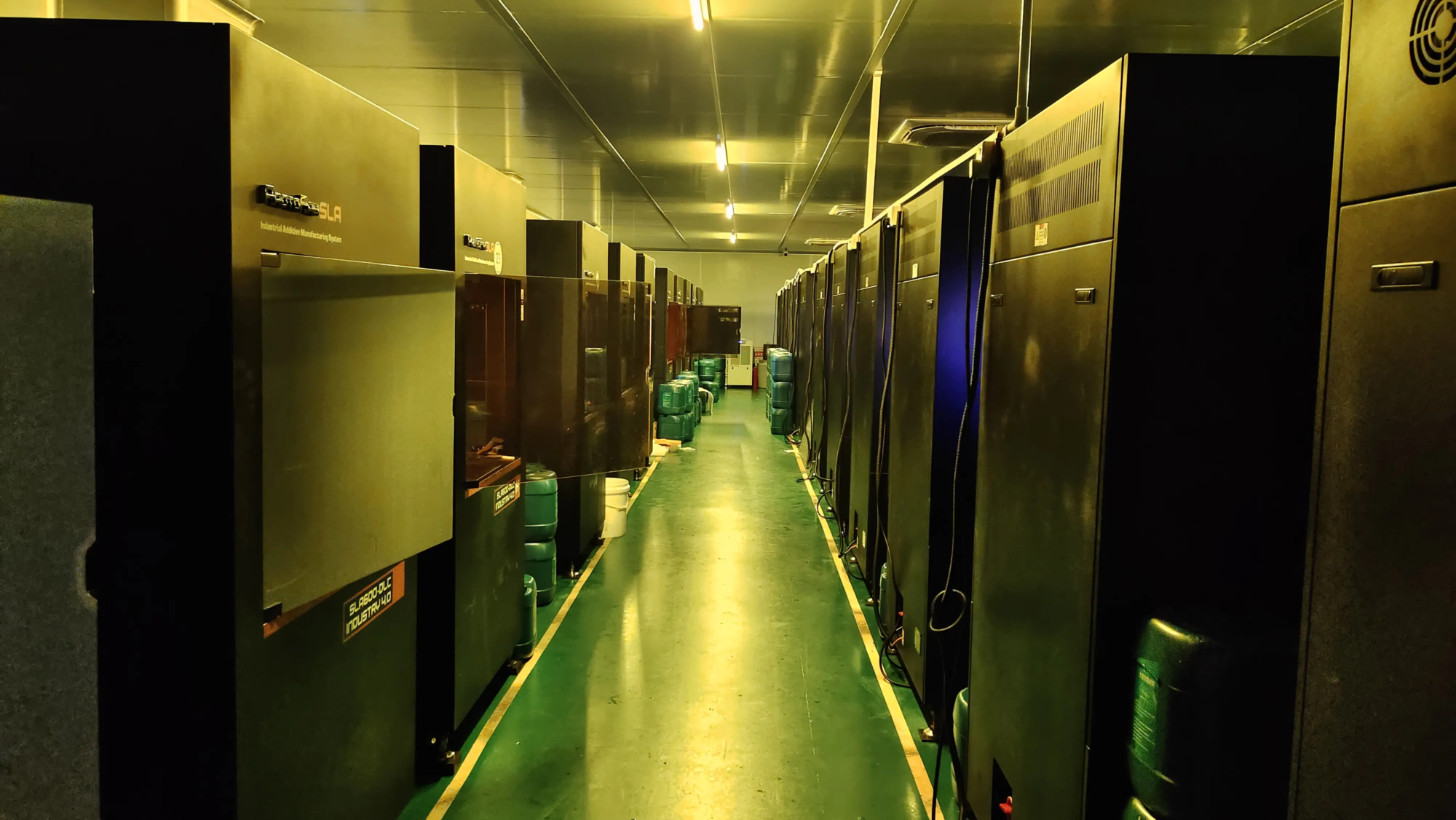
- Resin (SLA Smart): For complex miniatures or jewelry, resin provides ultra-high detail but requires post-processing (IPA bath, UV curing).
- Industrial partners: Home printers run into difficulties when prototypes require titanium aircraft mounts or end-use injection molds. Work with professionals e.g. huge light bridges this gap (more on that below).
3. Climate Control: The Silent Print Killer
Temperature and humidity destroy clever prints:
- Filament Wars: In humid climates, PETG absorbs moisture within 48 hours, causing bubbles and delamination. Store rolls in an airtight container with desiccant.
- Winter proofing: PLA cracks below 15°C. Use a printer housing heated to 25–30°C or use ABS instead.
- Summer solution: Ambient temperature higher than 35°C? Actively cools the garage interior; heat softens prints while working.
4. Advanced technology ensures perfect output
Beyond the default settings:
- Calibration ceremony: Perform weekly bed leveling and extruder flow testing. Tools: Feeler gauge and calibration cube.
- Vibration damping: Concrete slab beneath printer reduced "ring" cultural relics. Foam pads dampen the resonant frequencies of mechanical vibrations.
- Material Science Hacks: Combining wood-filled PLA with TPU spacers for rigidity allows for flexible joints – a multi-material design unlocks higher levels of functionality.
5. When to call in the cavalry: Professional partners
Home setups face inevitable obstacles: industrial-scale work, specialty alloys (tungsten, superalloys) and mission-critical precision. This is where rapid prototyping experts shine. consider huge light for:
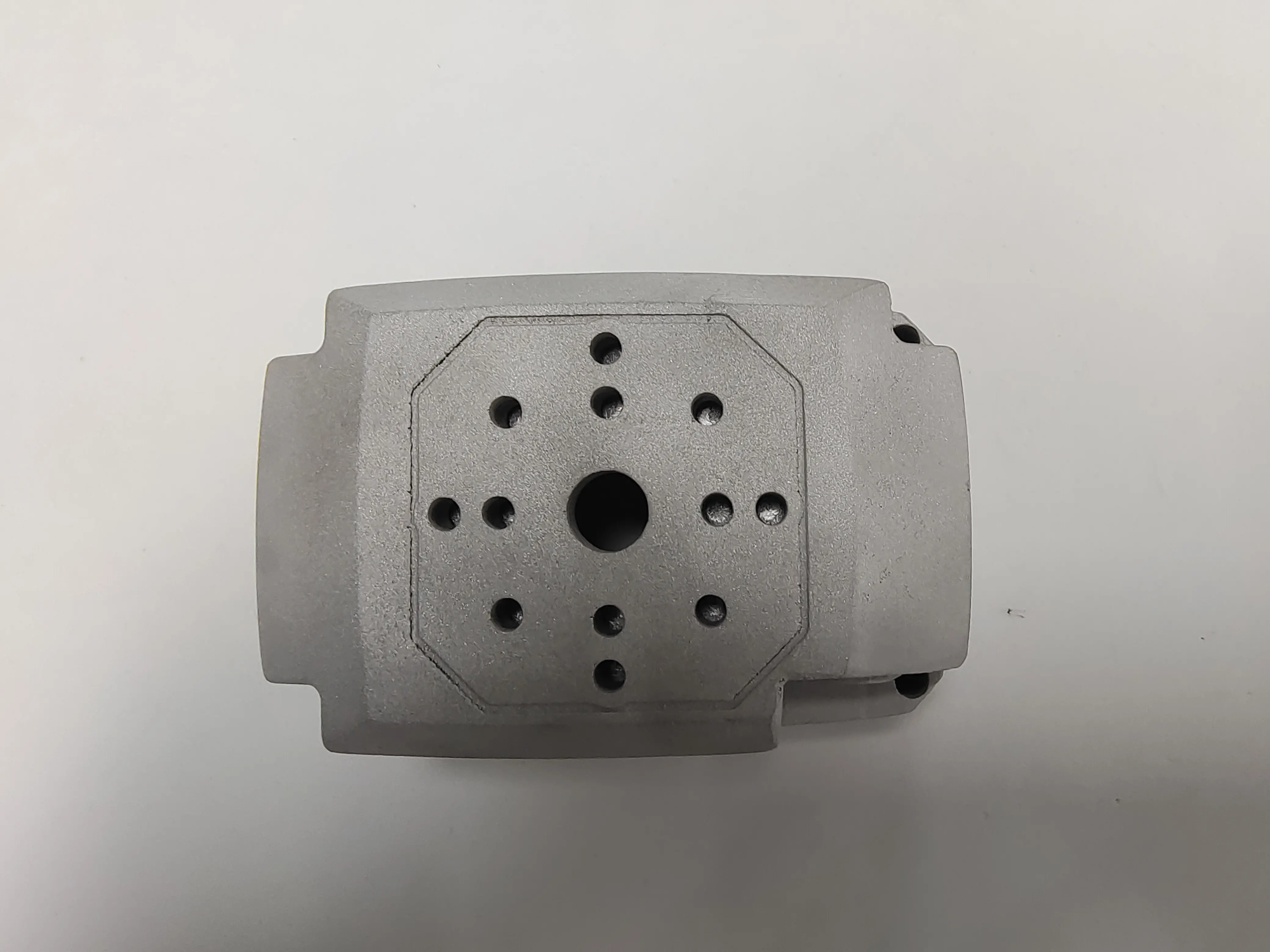
- Metal Mastery: SLM (Selective Laser Melting) printers can process titanium, aluminum and stainless steel with CNC-grade tolerances (±0.05mm).
- End-to-end workflow: From CAD file optimization to polishing, anodizing or heat treating, outsourcing eliminates post-processing challenges.
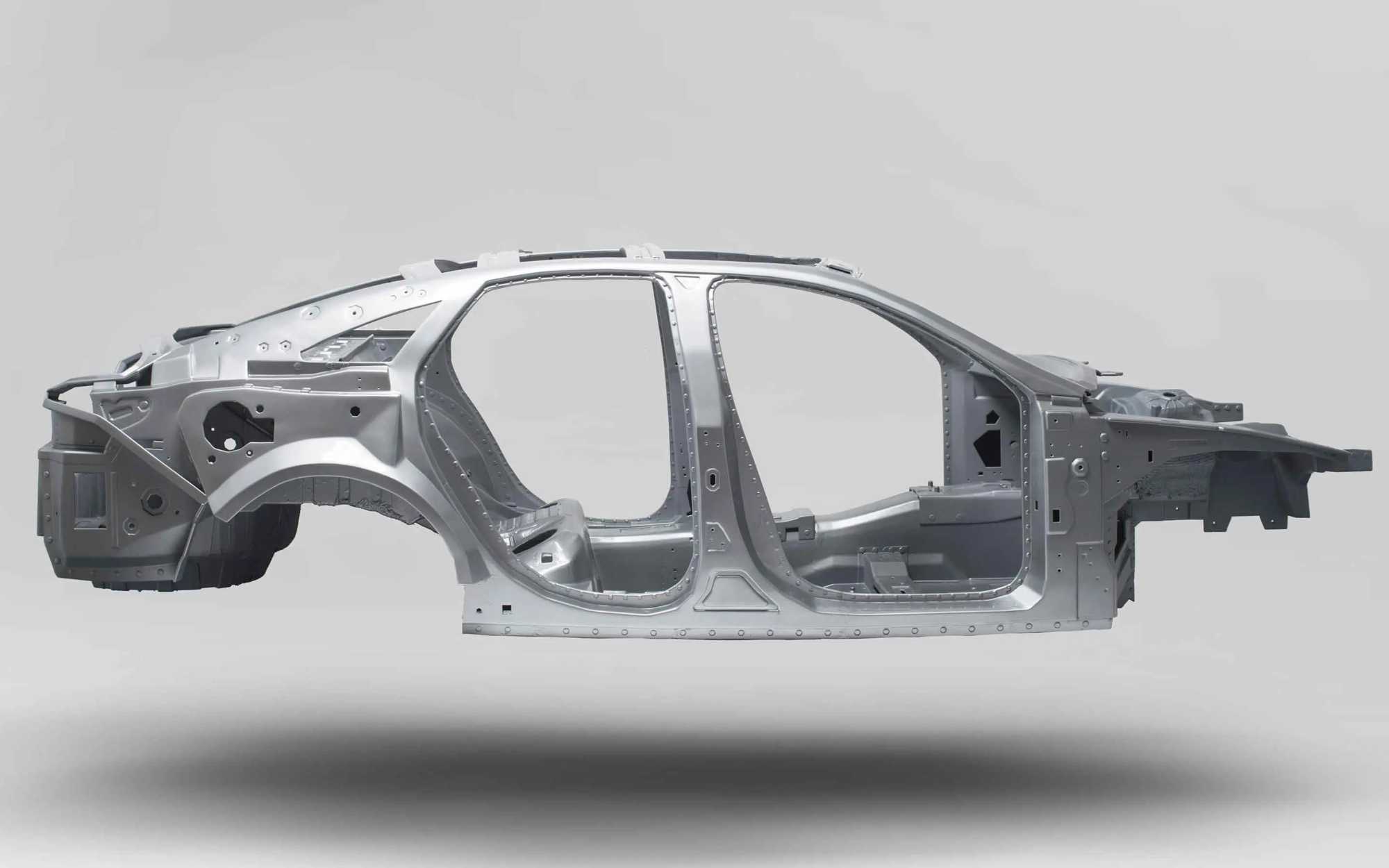
- Speed and scalability: Requires 200 identical drone arms next week? Mass production pipes perform better than a garage printer (24/7).
As one of China’s leading rapid prototyping partners, GreatLight combines cutting-edge SLM technology with agile customization, which is indispensable for entrepreneurs to scale garage prototypes to market-ready products.
Conclusion: From hobby center to innovation engine
Your garage 3D printing station is more than just a hobby, it’s a launching pad for innovation. By optimizing space, mastering materials, and reducing environmental quirks, home workshops can create stunning creations. However, embracing professional partnerships can unlock true potential. For high-risk projects requiring aerospace alloys or production runs, services like GreatLight can transform garage concepts into commercial reality. Now go ahead—create fearlessly, but know when to amplify results with a touch of a professional.
FAQ: Garage 3D Printing Revealed
Q1: Can I print metal parts at home?
Home printers typically use plastic or resin. Metallic FDM filaments (such as bronze-filled PLA) are present, but the parts lack structural integrity. For real metal parts that require strength or heat resistance, outsourcing to an industrial SLM service like GreatLight is critical.
Q2: How to reduce noise in the garage workshop?
- Place the printer on a rubber paver or anti-vibration platform.
- Use a silent stepper driver (such as the TMC2209).
- Build a soundproof enclosure out of acoustic foam.
Q3: What are the biggest security risks of garage printing?
Electrical fires and thermal runaway. Use only UL listed printers, install smoke detectors, cross-connect printers on non-flammable surfaces. Never leave long prints unattended without remote monitoring.
Q4: When should I switch from DIY to professional prototyping?
Consider professional services when:
- Parts require extremely high precision or load-bearing certification.
- You’ll need special materials (such as medical-grade stainless steel).
- Production volume exceeds 50 pieces – the cost per part drops significantly with industrial mass production.
Q5: Can Ferrite handle special alloys or certifications?
Absolutely. GreatLight’s SLM printers process cobalt-chromium, Inconel and titanium alloys used in aerospace and medical applications. They offer documented material certification, ISO 9001 compliance and custom reprocessing, making them a strategic partner for regulated industries.
(Explore the potential of your prototype: Design. Print. Scale. Request a custom quote huge light: Pioneer of metal rapid prototyping in China. )