Uncover the Secrets of Destiny: Your Ultimate Guide to Ghost 3D Printing
There are few symbols in games as instantly recognizable as Bungie’s Ghost companions destiny Franchise. These loyal, floating AIs are more than just guides; They are beloved characters and coveted collectibles. Creating your own physical ghost replica using 3D printing is a dream project for many Guardians, combining passion with cutting-edge manufacturing technology. However, transforming a digital model into a flawless, show-worthy piece requires expertise, especially when pursuing a premium metallic feel. This guide demystifies the process, utilizing professional rapid prototyping techniques to ensure your Ghost not only prints, but is perfect.
Why print your own ghost?
Ghosts serve as your loyal companions as they travel through the game’s vast universe. Making a product yourself gives you a unique sense of ownership and customization that you won’t find with off-the-shelf items. Whether you’re creating a cosplay centerpiece, a detailed display model, or a personalized gift, 3D printing puts you in control. However, achieving ghostly complex geometries, gleaming polished surfaces, and a durable feel often requires professional-grade craftsmanship that goes beyond typical desktop printing.
Absolute Precision Title: Step-by-Step Destiny Ghost Printing Guide
1. Basic steps: Obtain a perfect model
- Source wise: High-fidelity Ghost models are available on platforms such as Thingiverse, MyMiniFactory or Cults3D. Look for models designed specifically for 3D printing, while paying attention to manifold geometry (water resistance) and manageable support needs. Pay close attention to the level of detail.
- Consider the complexity: Some ghost shells have complex moving or interlocking parts. Evaluate your desired outcome – is it a static display piece, or do you want clarity? If outsourcing production, communicate this clearly.
- custom made: Want your Ghost to be unique? Modifications such as adding personal badges or changing surface patterns can be made with simple CAD skills. For complex changes, it is recommended to work with a prototyping expert.
2. Digital preparation and optimization (preprint)
- Software proficiency: Properly position, scale and orient Ghost’s component STL files using specialized slicing software (PrusaSlicer, Cura, Simplify3D). Orientation minimizes support on critical surfaces.
- Support strategy: Given the spherical and curved nature of the Ghost, support structures were inevitable. Smart orientation and advanced slicing techniques are essential to minimize scarring and preserve fine details of the top/bottom surface.
- Hollow out: Solid printing is heavy and wasteful. Powerful slicing software allows control of infill density and shell thickness adjustment or manual hollowing, reducing material use, print time and risk of warping without sacrificing strength.
3. Choose your manufacturing capabilities: Materials & Technology Industries
- Desktop printing (PLA/resin):
- advantage: Easy to access, low upfront cost (DIY), suitable for prototyping.
- shortcoming: Durability is often lacking, detail fidelity can suffer, and surface finishes often require extensive manual post-processing to achieve a premium look (sanding, priming, painting). Thin parts are prone to deformation/brittleness.
- Best for: Early prototypes, cheap cosplay props, professionally painted resin figures.
*Um Professional Spark Advance Printing (Metal – highly recommended for excellent results): - Why choose metal? authenticity, unparalleled durability, precision and real Painted plastic cannot have a weighted metallic feel. This fits perfectly with how Ghost is described in the game.
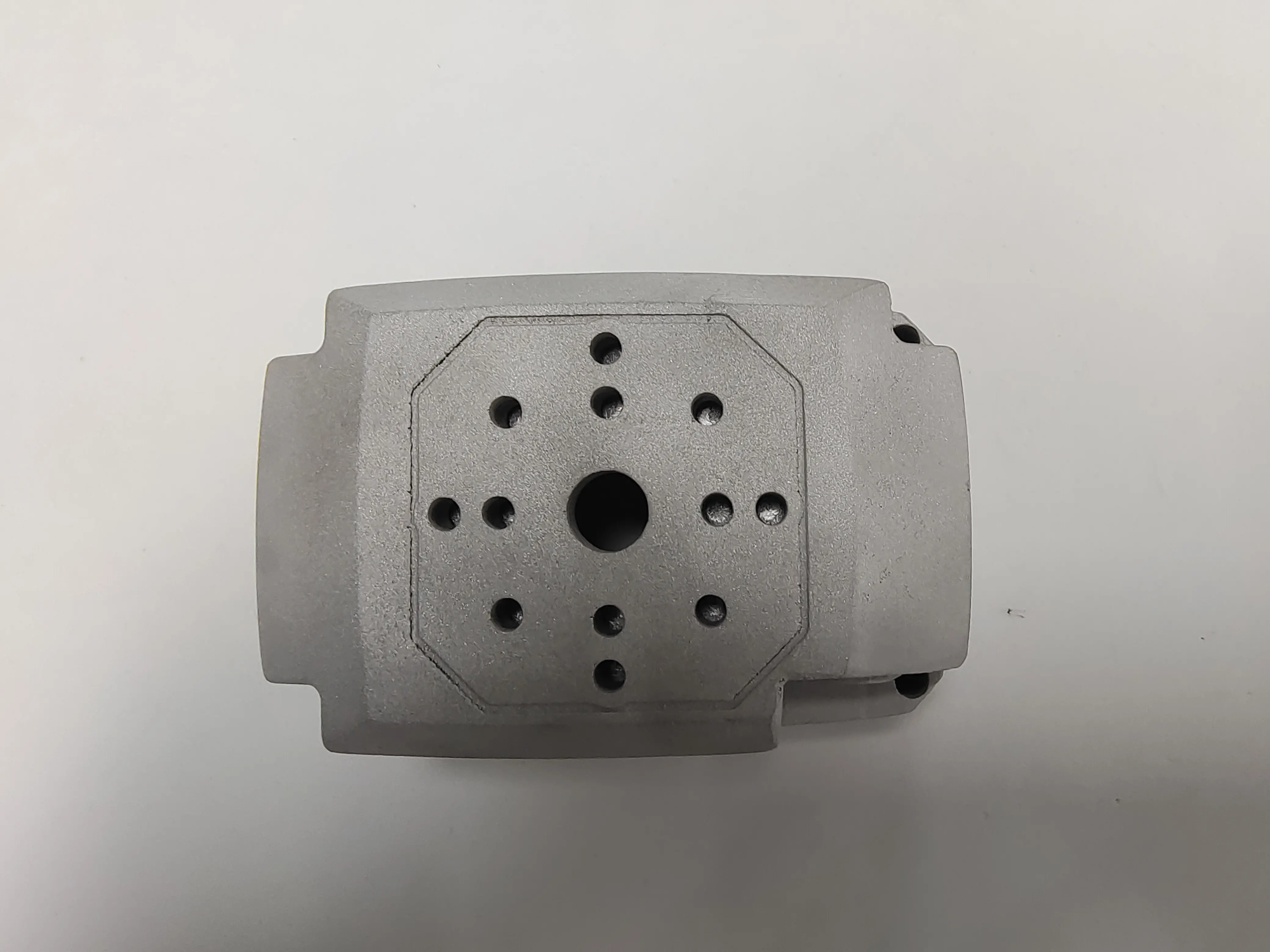
- Professional process: Technology such as Selective Laser Melting (SLM) – which uses powerful lasers to fuse fine metal powders layer by layer – is ideal. Companies like GreatLight excel at this:
- Advantages of SLM:
- Release complexity: Seamlessly handle the thin walls, undercuts, overhangs, and complex internal features inherent to Ghost models without creating support-induced surface imperfections.
- Excellent material: Available in strong alloys such as stainless steel (316L), aluminum alloy (AlSi10Mg), titanium (Ti64), and even nickel alloys. Offers excellent strength, scratch resistance and thermal stability.
- Unparalleled precision: It can achieve micron-level precision and perfectly capture every circuit line, lens detail and curvature.
- True metal properties: Delivering inherent ruggedness and premium aesthetics straight from the printer provides the foundation for a superior finish.
.
- Advantages of SLM:
- Material selection: Honglaite professionals guide your choice