Unlocking Perfect Bed Adhesion: A Glue Stick Guide to 3D Printing
There’s a familiar frustration that every 3D printer enthusiast encounters: returning to the printer, eager to see your finished masterpiece, only to find a spaghetti nightmare or the print deformed from the bed midway through. Often, the culprit is poor bed adhesion – the print doesn’t adhere properly to the build surface during the critical first layer. While solutions abound, from specialized build boards to edging and rafting, there’s one humble tool that always stands out for its simplicity and effectiveness: the glue stick. Glue sticks are more than just a school supply, they’re a versatile ally for consistent, successful printing. Let’s dive into how to choose and use them wisely.
Why Bed Adhesion Matters (More Than You Think)
Think of bed adhesion as the foundation of 3D printed structures. Not firmly bonded to the bed:
- Warp: Materials such as ABS and PETG shrink significantly as they cool. Poor adhesion can pull corners upward, deforming the print and often leading to failure.
- Layer shift: A poorly bonded base layer may move during the printing process, causing all subsequent layers to become misaligned.
- Total failure: Prints completely separate very early, wasting supplies and time.
- Bottom defects: Even after the print is complete, weak adhesion can result in an uneven, rough, or spotty bottom surface.
Glue sticks solve these problems by acting as release agents and Adhesive. As the plastics cool and solidify in the bed, they slightly penetrate into the plastic, creating a sticky interface that holds the part securely while also providing a “sacrificial layer” – a buffer that prevents some materials, such as PETG, from sticking also Strong to fragile building surfaces such as glass. They also fill in micro-scratches in the printing plate, providing a smoother surface for the filament to grip.
Browse Glue Sticks Aisle: Types & Selection
Not all glue sticks are created equal. Here’s a breakdown of key types and selection criteria:
-
Standard PVA (polyvinyl acetate) glue stick:
- advantage: Ubiquitous, extremely affordable, water-soluble, easy to clean, and effective on PLA and ABS.
- shortcoming: It may be less effective on high-temperature materials like nylon; if applied too thickly, the dried residue may become brittle and lift slightly.
- Best for: PLA printing, beginners, cost conscious users on glass or standard printing plates. Generic office brands often work well, but consistency can vary between brands.
-
Special 3D printing glue stick:
- advantage: Specifically formulated for FDM printing, often optimized for wider temperature ranges and multiple materials (PLA, PETG, ABS, TPU). Often provide stronger adhesion, better consistency within the brand, and sometimes easier release properties (critical for PETG).
- shortcoming: The price is higher than standard PVA rods.
- Best for: Enthusiasts printing on PETG, TPU, Nylon, ABS or many materials. Brands such as Layerneer Bed Weld, Magoo (in stick form) and specialist printer manufacturer sticks belong here.
- "purple" Washable glue sticks:
- advantage: They are clearly visible during use (they are purple in color and clear when dry) and can be washed with water.
- shortcoming: Adhesive performance may be inconsistent; may not withstand certain materials and temperatures required for PVA or specialty adhesives.
- Best for: Mainly used in educational settings or printing PLA on a non-heated bed where visibility helps. Less recommended as a primary binder for reliable production printing.
Choosing the perfect club: key factors
Choosing the right glue stick involves more than just grabbing the nearest glue stick:
- Main filament materials: PLA generally works well with standard PVA. PETG absolutely need An adhesive that prevents damage to the glass bed and benefits from a special adhesive that can be released fairly easily after cooling. ABS requires strong adhesion; TPU has a slightly sticky surface to reduce curling.
- Build the board surface: Glass need Adhesive that works on most materials and loves glue sticks. Textured PEI boards may not require PLA glue, but PETG or ABS glue may be used. Flexible build plates require adhesives that can be easily removed without force.
- Temperature resistance: Your adhesive needs to withstand the bed temperature of your chosen filament without excessive melting or burning. Specialty adhesives often have a wider temperature tolerance.
- Easy to clean: Standard PVA is easily cleaned with water. Some specialty adhesives can be cleaned with water or IPA. Thick, uneven layers are harder to clean than thin layers.
- Application requirements: How chaotic are you willing to get? Sticks are generally cleaner than sprays but require direct contact. Precision-tip joystick provides control.
Master application technology
get how It is equally important whether it is correct or not What:
- First clean the bed: Remove all dust, grease (fingerprints!) and debris. Use isopropyl alcohol (IPA >90%) – not water. The glue residue after cleaning should be easily soluble in water.
- Apply thinly and evenly: Less is more! Apply for one very thin and translucent layer. Avoid thick lumps. Imagine lightly shading a surface.
- Consistency issues: Even coverage of the planned print area ensures consistent adhesion. Common techniques include:
- Grid/Crosshatching: Draw horizontal and vertical lines on the surface of the bed.
- Circular motion: Lay out the bed in an overlapping circle.
- Reapply wisely: After multiple printings, adhesion will weaken. Reapply gently only When clearly needed or when the residue looks uneven/thin.
- The power of patience: Let the glue dry or become sticky forward Start printing. This may take anywhere from a few seconds to a minute, depending on the stick and bed temperature.
Beyond persistence: A quick look at alternatives
Glue sticks are not the only solution, each option has its role:
- PEI sheet: Excellent adhesion to many materials, no additives required. Failure to use a release agent may result in damage by PETG.
- Blue painter’s tape: Classic unheated bed, suitable for PLA, ABS The risk of warping still exists.
- Hairspray: Spraying adhesive effectively can be messy and prone to overspray.
- BuildTak/Surface Plate: The adhesion is similar to PEI and is easier to scratch.
- Raft/Edge: Microtome-generated structures increase contact area but consume filament/time and leave a rougher base surface.
Glue sticks offer unparalleled cost-effectiveness, ease of use, broad compatibility and reliable performance, especially when working with difficult materials like PETG.
in conclusion
Choosing the right glue stick and applying it effectively are essential skills for successful 3D printing. Understanding the nuances of your materials, bed surfaces, and different adhesives allows you to turn frustration into consistently high-quality prints. Whether you choose affordable PVA rods or a specialized formula, mastering this technique can significantly reduce print failures and minimize warping.
While glue sticks can help hobbyists, complex geometries, tight tolerances, or advanced materials like metal require industrial-grade expertise and equipment.
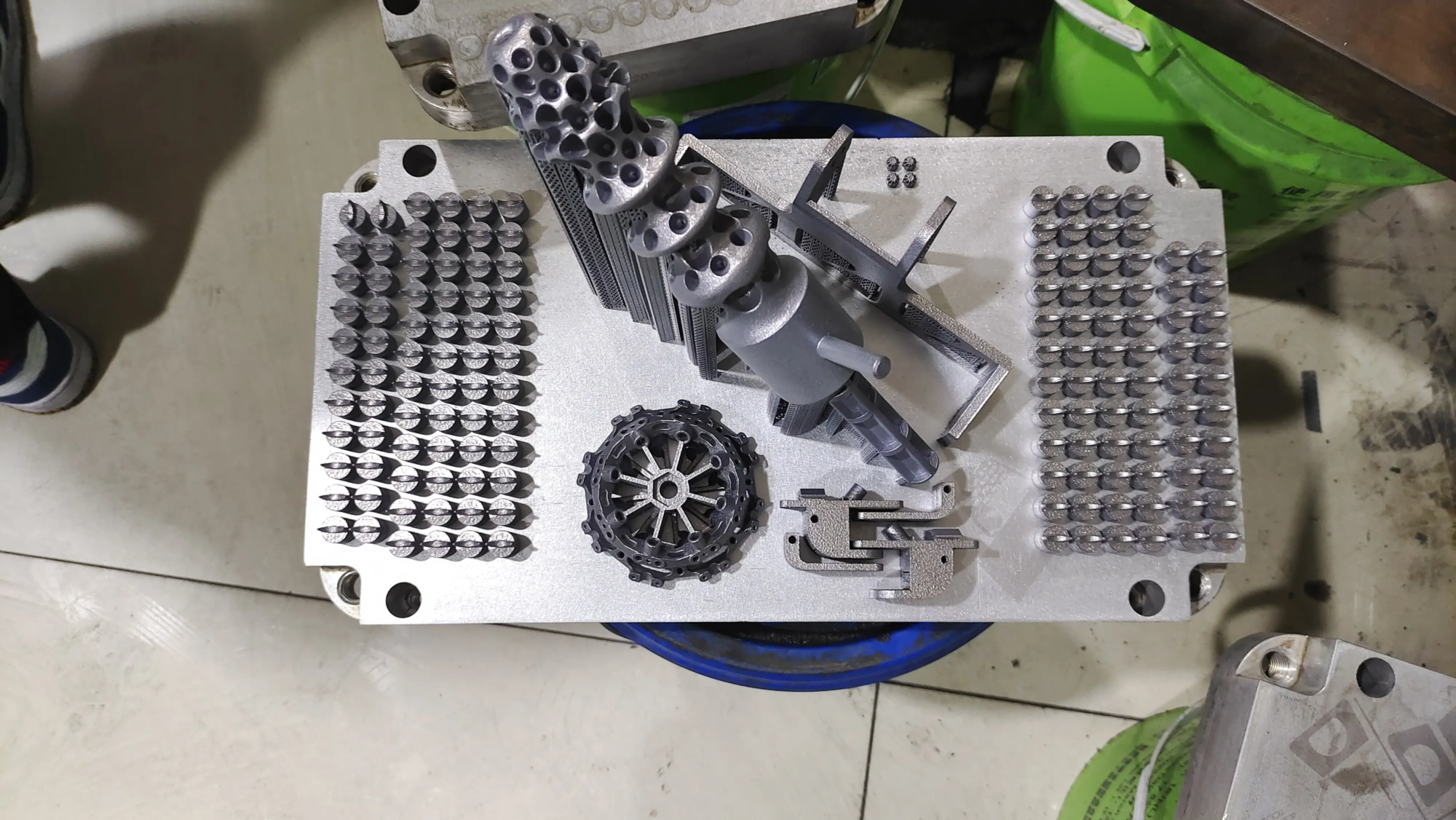
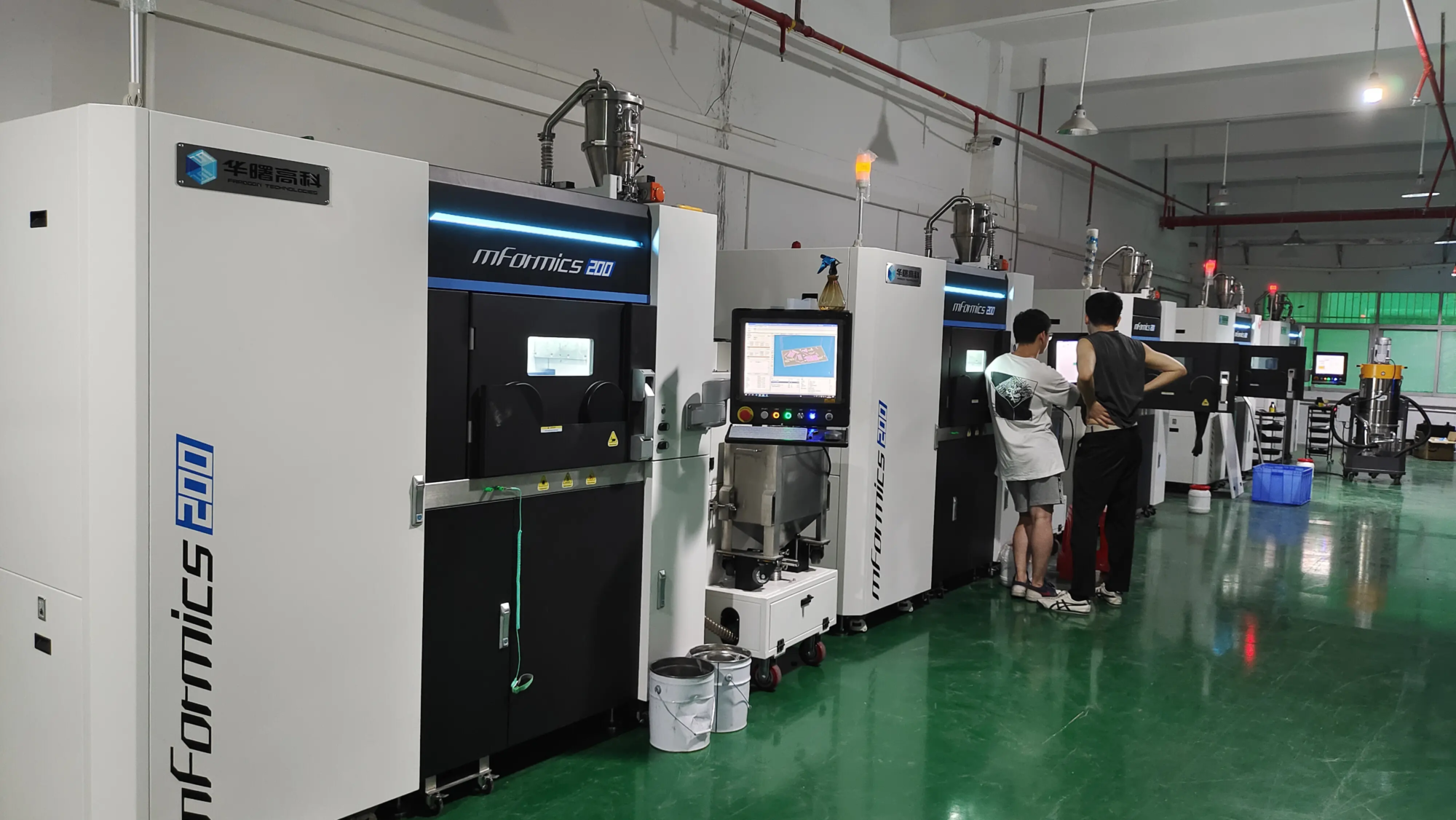
At GreatLight, we put EAT into action. As a professional rapid prototyping manufacturer, we utilize advanced Selective Laser Melting (SLM) 3D printers and state-of-the-art production technology. We specialize in solving challenging metal part prototype problems, offering not only printing but also comprehensive one-stop post-processing and finishing services. From complex aerospace components to custom biomedical devices, we machine a variety of materials quickly and accurately. Competitive pricing combined with uncompromising quality makes GreatLight one of China’s premier rapid prototyping partners. Ready to bring complex metal prototypes to reality with precision and speed? Customize your next precision rapid prototyping part today with GreatLight at the best price!
Frequently Asked Questions About 3D Printing Glue Sticks
-
Q: Can I use any Regular office glue stick for 3D printing?
- one: Yes, standard PVA glue sticks usually work pretty well, especially with PLA on glass. However, they may struggle with higher temperatures (PETG/nylon) or consistent adhesion/release. Specialized 3D printing rods are optimized for better performance in different materials and temperatures and are often recommended for demanding applications.
-
Q: How often do I need to reapply glue stick?
- one: Reapply lightly only when adhesion is significantly reduced. This may be after 1-5 prints depending on the type of rod, thickness of application and abrasiveness of the filament/material. A thin, complete layer can usually be printed multiple times. If the existing layer is still fairly even, reapply; if it’s uneven or contaminated, clean the bed and start over.
-
Q: Are glue sticks safe to use on my PEI sheet?
- one: Generally speaking, yes. Apply a thin A glue stick layer (especially a specialty adhesive) on PEI can actually be beneficial, especially with PETG or TPU. It provides excellent adhesion while acting as a release agent, protecting the PEI surface from permanent bonding and potential damage when removing PETG or TPU prints. Clean with water/IPA regularly.
-
Q: How do I remove glue stick residue from the build plate?
- one: Wash with warm water! Standard PVA and most specialty adhesives are readily soluble in water. Use a damp paper towel or cloth. For glass beds, remove them from the printer and rinse them under the tap. A scraper may be required for thicker build-ups. Always make sure the bed is completely dry before re-gluing or starting another print. Avoid using strong solvents unless your board/adhesive specifies it.
-
Q: Is the glue stick suitable for flexible filaments such as TPU?
- one: Yes, glue sticks usually work great for TPU. TPU tends to curl at the edges or stick firmly to the nozzle. A thin, sticky layer of glue stick helps the flexible filament stay adhered to the bed without excessive curling, providing a stable base.
-
Q: Will glue sticks damage the printer or bed?
- one: Very unlikely if used correctly. Make sure no big chunks fall onto the mechanism – apply lightly. The main risk is temporary confusion, not damage. The key is the glue stick prevent Permanent Bonding and Potential Damage – For example, PETG sticks excessively to glass without glue, sometimes cracking the glass during removal.
- Q: Why are glue sticks more effective for PETG than a clean bed?
- one: PETG bonds extremely Suitable for materials such as glass or smooth PEI. Without a barrier (such as a glue stick), the cooled PETG part can weld itself to the surface. Removing them often requires excessive force, risking damage to the print, build plate, or bed surface. Glue sticks create a controlled, releasable bond that’s strong enough to hold the print in place, but weak enough to be easily removed once it cools. This is critical for secure PETG printing on common surfaces.