Unleash creativity: Enhance Gravitrax with innovation in 3D printing
The dynamic marble running system Gravitrax combines imagination through physics and creativity. But what if you can get rid of standard track limitations and designs Your own Custom components? Enter 3D Printing – Change the game rules for Gravitrax enthusiasts. For engineers, educators, or hobbyists, release gravity into unprecedented possibilities. This is how cutting-edge technology can revolutionize this modular ecosystem, and Great Bring these visions to professional precision.
The synergy between Gravitrax and 3D printing
The traditional Gravitrax set provides predefined tracks, curves and drops. In the case of versatility, complex layouts often require customized parts. 3D printing bridge is enabled by:
- Super destined: Create connectors, ramps, or starters for nonlinear designs.
- Functional upgrade: Print gear elevator, magnetic switch or timing release mechanism.
- Theme experiment: Design Lunar base, medieval castle or robotic arms integrated with orbital systems.
- Scalability: Prototype miniature parts for desktop setup or industrial scale cycles for exhibitions.
For students, this fusion is a secret STEM lesson, enabling physics through iterative design. For professionals, this is a quick fix for problems.
Real-world projects break boundaries
Emphasize community creativity and professional applications:
-
Magnetic suspension bridge
- challenge: Crossing the wide gap without support.
- Solution: 3D printed magnetic cantilever keep track "Floating" Between the towers.
- Technical Note: Weight-balanced ABS or nylon printing (SLS) is required to prevent bending.
-
Automatic loop loop
- challenge: Maintain momentum in the vertical ring.
- breakthrough: Magnetic booster with sensor trigger acceleration, enclosure printed with impact-resistant resin.
- Educational Add-ons
- Interactive Counter: Infrared sensor tracks marble speed/count, displayed on the LED panel.
- Physical module: Friction test track with adjustable surface texture.
These projects turn games into prototypes – offering concepts of robotics, materials science or logistics systems.
Why professional 3D printing services are important
While enthusiast FDM printers can be used for simple PLA prototypes, High-performance gravity parts require industrial-grade execution. This is Great Good at it.
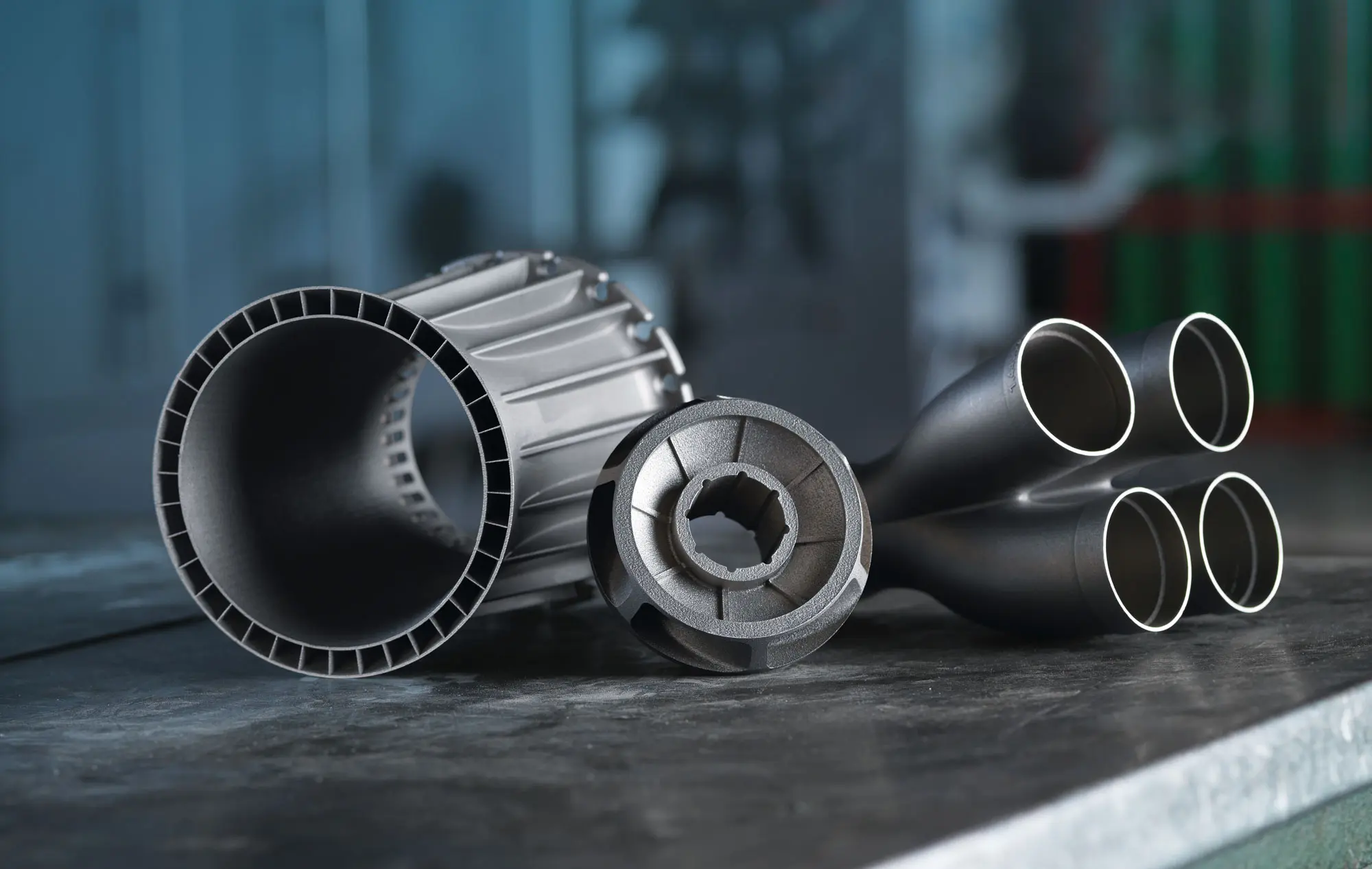
- Precision Engineering: Our SLM (Selective Laser Melting) 3D printer process is durable, with complex geometry that cannot be used with desktop units. Do I need a titanium magnetic foundation? We have done it.
- Material versatility: Printed in engineering thermoplastics (Ultem, Peek), metal (stainless steel, aluminum) or resins to enhance thermal/wear resistance for high pressure components.
- Post-processing mastery: Smooth, plating or custom coatings can eliminate friction points while adding an aesthetic polish.
- Fast value: From CAD file to doorway within 72 hours – No printing failed, no trial and error.
Case study: The client designed a dynamic sculpture using Gravitrax orbits. Greglight printed interlocking carbon fiber reinforced tracks that support more than 500 marble running without deformation.
Designed for success
The main things to note when printing Gravitrax parts:
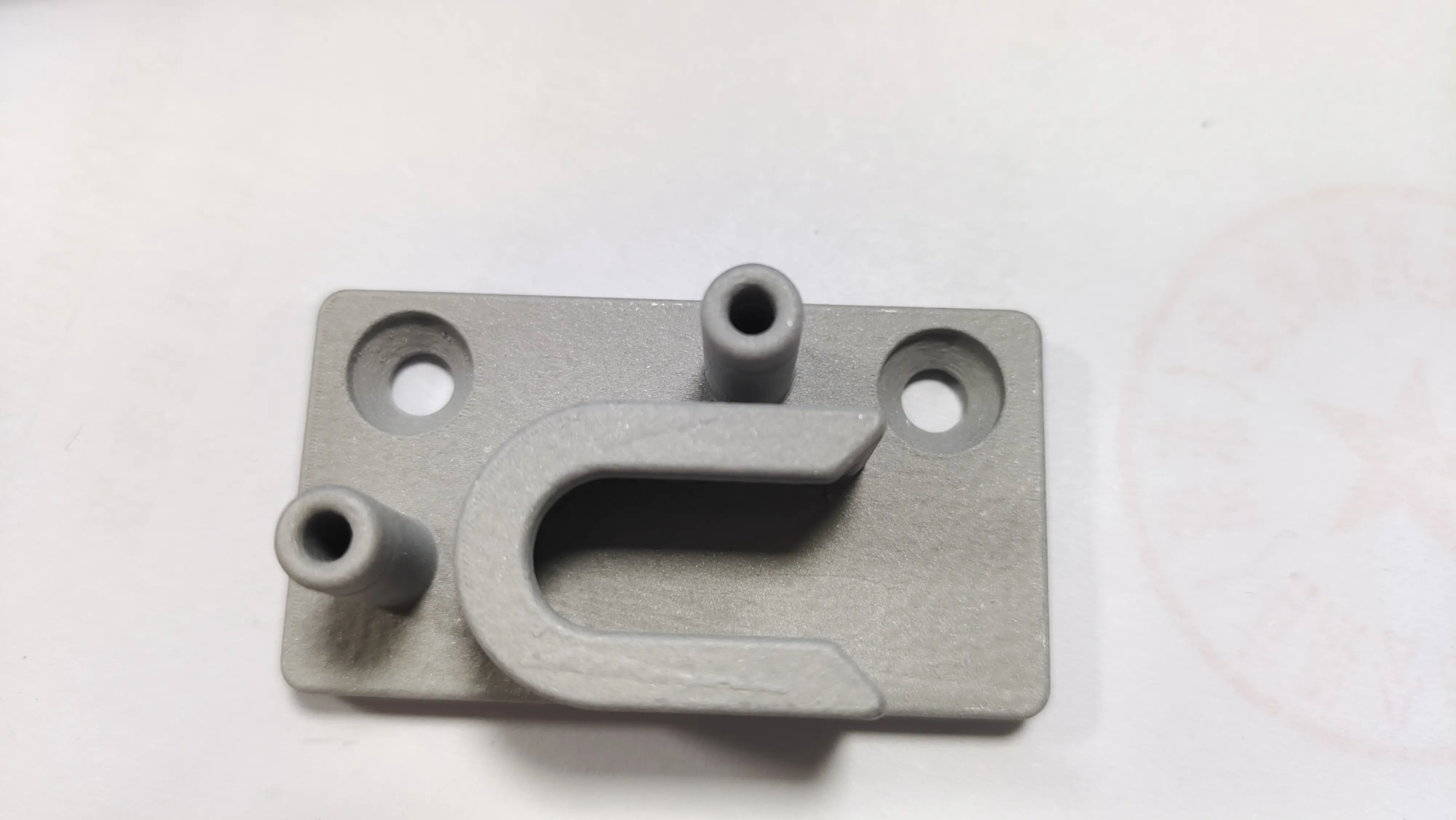
- Tolerance calibration: Consider the difference of ±0.1mm to ensure fast fit compatibility.
- Dynamic load testing: Simulate the effects of marble to avoid fragile fractures.
- Modular: Designed with universal joints, cross-compatible with OEM parts.
Tools like Fusion 360 or Tinkercad simplify this, but engineers at Greatlight can perfect your model for productivity.
in conclusion
Integrating 3D printing with Gravitrax is not just about building cooler marble runs, but about converting toys into toolkits for innovation. For educators, it democratizes mechanical engineering. For tinkerers, it can achieve infinite experimentation. With partners like this Greatthese projects leaped from concept to reality with aviation-grade precision. Whether it’s a prototype functional art or an industrial simulator, the fusion of Gravitrax and additives can reshape the possibilities – custom tracks at once.
Ready to design a vision against gravity? Greglight provides quick prototyping "If anything" Enter "What’s next."
FAQ
Q1: Can 3D printed parts really match OEM Gravitrax quality?
A: It is definitely professional printing. Greatlight uses high-resolution SLS and SLM processes to achieve dimensional accuracy, durability and seamless integration with branded suites. Post-treatment (e.g., sandblasting) ensures smooth tracks of marble.
Q2: Which material is best for moving parts?
A: Engineering thermoplastics (such as PA12 (nylon)) or PETG for lightweight flexibility; metals and other aluminum for bearing joints. Avoid fragile resin unless it is coated with impact.
Q3: How do I make sure my 3D model will work with existing tracks?
A: Share your design files with the Greatlight team. We will verify tolerances through DFM (Design for Manufacturing) analysis, suggest reinforcements and optimize wall thickness.
Question 4: What time is the turnaround time for complex Gravitrax projects?
Answer: The prototype will be shipped within 3-5 days. Batch production (over 50 units) takes 1-2 weeks, including completion. An expedited selection is available.
Q5: Can you print multi-material components?
Answer: Yes! Embed metal threads in a plastic base or combine rigid/flexible segments. Simply specify the feature requirements in your quotation request.
Improve your build
From backyard experiments to company demonstrations, Greatlight’s 3D printing expertise ensures that your Gravitrax creations perform perfectly. Start your project today – Gravity fits creativity.