Unleash Your Mastery of Metal: Essential Grinder Tool Tips for Perfect Finishes
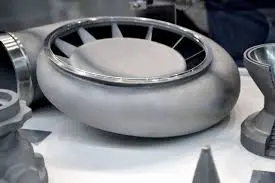
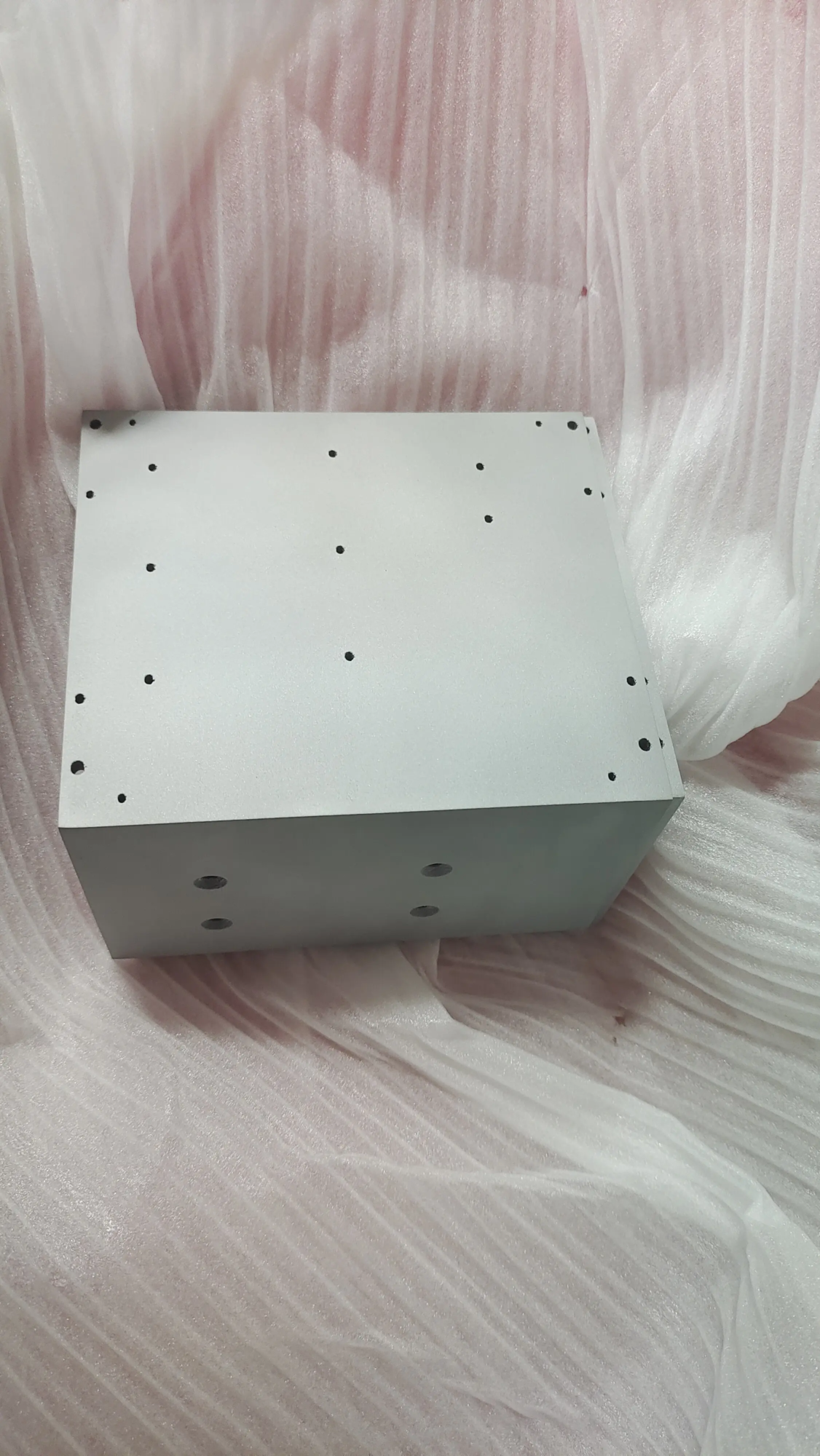
The whine of an angle grinder as it bites into metal is the soundtrack of innovation. In rapid prototyping and manufacturing, grinders are more than just tools, they are precision instruments that can bridge the gap between pristine printed parts and polished masterpieces. At GreatLight, we’ve mastered the symphony of sparks by transforming SLM 3D printed metal prototypes into functional works of art. Here’s how you can wield this powerful tool with confidence and precision.
Why grinding is important in rapid prototyping
Metal 3D printed parts printed directly from the printing plate often suffer from rough surfaces, support structure residue, and subtle warping. Grinding is a non-negotiable step towards:
- Dimensional accuracy Used to assemble key interfaces.
- surface integrity For coating, anodizing or aesthetic appeal.
- relieve stress By eliminating micro-cracks created during the printing process.
Unlike subtractive machining, grinding preserves the complex geometries inherent to additive manufacturing while refining tolerances to ±0.05 mm.
Professional Grinder Technology: Beyond the Basics
1. Wheel of Wisdom:
- Material specific abrasives: Stainless steel uses zirconia alumina and titanium uses ceramic alumina. Diamond coated grinding wheels are ideal for hardening alloys.
- Gravel Graduation: Start by using a coarse grit (24-40) for aggressive cutting. Go to fine grit (80-120) for finishing. Mirror finish requires polishing disc (220+).
2. Controlling aggression:
- Angle and pressure: Maintain an angle of 5°–15° between the grinding wheel and the workpiece. Let the tools do the job—too much pressure can cause gouging or overheating.
- Pattern Discipline: Moves consistently along the grain of the workpiece. 30% overlapping passes prevent ridges.
3. Thermal management:
- Pause every 10-15 seconds on thin slices. Use coolant spray or compressed air to keep the temperature below the annealing threshold.
- Blue/tan discoloration indicates heat damage – STOP IMMEDIATELY!
4. Safety first:
- Wear ANSI-rated face mask, gloves, and flame-retardant clothing.
- Secure small parts in the magnetic chuck – never grind precision parts with your bare hands.
Advanced strategies for complex geometries
- Contour grinding: Use a flexible sanding belt on a curved titanium airfoil.
- Micro deburring: The 5mm pencil grinder provides access to internal passages that milling tools cannot.
- Vibration damping: When polishing thin-walled structures, add counterweights to the grinder.
How GreatLight improves polish in prototyping
Our SLM 3D printing workflow turns grinding into a science:
- Smart support removal: Robotic waterjet cutting minimizes post-grinding work.
- Metallographic analysis: We map residual stresses via X-ray diffraction to guide the grinding path.
- Automatic sorting: The CNC-driven grinding station achieves a finish of Ra 0.1μm on Inconel turbine blades.
- Material-specific protocols: The aluminum alloy is cryogenically ground to prevent sticking; the hardened tool steel undergoes intermittent cooling cycles.
As an ISO 9001 certified manufacturer, we combine additive precision with subtractive technology. Our one-stop services—from heat treatment to ceramic coating—ensure your prototype performs as beautifully as it looks.
in conclusion
Grinding converts potential into precision. Whether you’re smoothing a prototype stent or mirror-polishing a medical implant, technique determines the outcome. At GreatLight, we transform grinding from a chore into a competitive advantage, delivering metal parts that meet aerospace tolerances and aesthetic benchmarks. Remember: every spark is a bug that gets erased – use the grinder like a craftsman.
FAQ: Grinding in Rapid Prototyping
Question 1: Will grinding damage the mechanical properties of SLM printed parts?
Not when executed correctly. Controlled access avoids heat-affected zones. GreatLight performs hardness testing before/after grinding to ensure properties such as tensile strength remain intact.
Q2: What is the fastest way to grind the internal lattice structure?
Use electropolishing or microabrasive flow machining. For manual grinding, attach a flexible shaft with an abrasive head to the rotary tool.
Q3: Why choose grinding instead of CNC machining for finishing?
Grinding preserves complex thin-wall geometries not possible with machining tools. It is also ideal for achieving optical finishes on hardened metals.
Q4: How to prevent wear marks on the surface of cosmetics?
Progressive grit steps (40→120→220→Polish) combined with a crosshatch pattern. Vibratory finishing provides final homogenization.
Q5: What safety certifications apply to industrial grinding?
GreatLight complies with OSHA 29 CFR 1910 and ISO 16003 standards, including enclosed grinding chambers and real-time particulate monitoring.
Precision is a journey, and the grinder is your compass. At GreatLight, we drive advancements in biomedical, automotive and aerospace for our customers every day. [Explore our rapid prototyping solutions]——Every micron counts, and every surface treatment tells a story of excellence.