Into the Fun: The Ultimate Guide to 3D Printed Beach Toys (And Why They’re Awesome!)
Summer screams beach days and beach days scream Toy! But what if you could ditch those cheap, generic plastic trinkets that shatter as the sun goes down in favor of unique, personalized beach gear? you Designed? Welcome to the world of 3D printed beach toys – where creativity meets practicality and sustainability. Forget waiting for the store; your next sandcastle masterpiece starts with your imagination and your 3D printer.
Why choose 3D printed beach toys?
- Unleash your creativity: Design your own whimsical sand molds (dinosaurs, rockets, mythical creatures), personalized spoons, custom Frisbees with unique patterns, or even intricate waterways for an elaborate moat. The only limit is your imagination!
- Built for Purpose: Customize your toys exactly to your needs. Need a super sturdy shovel for hard-packed sand? Design it. Want a bucket marked with a specific capacity? Print it out. Create lightweight floating bodies or complex interlocking bricks that are only possible through additive manufacturing.
- Speed and agility: Planning a trip to the beach out of the blue? Rapid prototyping shines. Quickly design and print replacement parts or entirely new toys, bypassing the constraints of off-the-shelf availability.
- Environmentally Conscious Fun: Take control of your materials. Choose durable plastics designed to last longer (and reduce waste), or explore more environmentally friendly bioplastics like PLA (although careful waterproofing is required). Repair a broken toy instead of replacing the entire toy!
- Cost effectiveness: While a printer and supplies are an investment, printing replacement parts or highly customized designs can be cheaper than purchasing specialty items, especially for large batches of identical toys (such as sand molds).
Designing a Beach-Friendly Masterpiece: Key Considerations
Before you hit “Print,” keep these beach-specific factors in mind:
- Hardness rod: Beach toys need to withstand sand abrasion, salt water exposure, UV rays, drops and vigorous play. Prioritize impact-resistant materials.
- Children’s safety first: design must Avoid small removable parts (choking hazard), sharp edges, points, or thin features that can easily break into sharp fragments. When it comes to children’s toys, smooth, rounded edges and sturdy construction can’t be ignored.
- Waterproof warrior: While the plastic itself doesn’t degrade easily in water, the ply lines are porous! Water can seep in, causing mold or a weakened layer. Design for effective sealing through post-treatment or selection of inherently waterproof materials.
- Sand prevention: Minimize complex internal channels or cracks where sand can become hopelessly trapped and unable to be completely cleaned.
- Size issues: Balance printer size limitations and capabilities. The shovel handle needs to be comfortable and long enough. The bucket requires available capacity. Consider printing multi-part model combinations.
- buoyancy: Designing a floating toy? Density and wall thickness factors – a solid block will sink, a well-designed hull will float!
Materials matter: choose filaments suitable for sand and surf
Materials can make or break the longevity and safety of beach toys:
- PETG (recommended choice): Our top picks for beach toys. Excellent impact strength, good UV resistance, inherently waterproof (porous layer has lower adhesion than PLA), easy to print, and often available in food-safe grades. Great for shovels, buckets, spoons, durable Frisbees.
- (While PLA is widely available and easier to use, it doesn’t biodegrade well near water, and its porosity requires a high degree of waterproofing.)
- ABS: Very sturdy and durable, but requires a heated housing to print, emits fumes, and can warp badly. Very poor UV resistance unless treated/post-treated.
- TPU/TPE (flexible filament): Ideal for flexible parts such as seals, grip handles or soft-sided sand molds. Excellent impact resistance and water resistance are essential.
- PP (polypropylene): Highly chemical resistant and naturally floats, but difficult to print well due to poor bed adhesion.
- Nylon (PA): Extremely tough and abrasion resistant, ideal for high wear parts. Highly hygroscopic (absorbs water), requires careful drying, and print setup can be tricky.
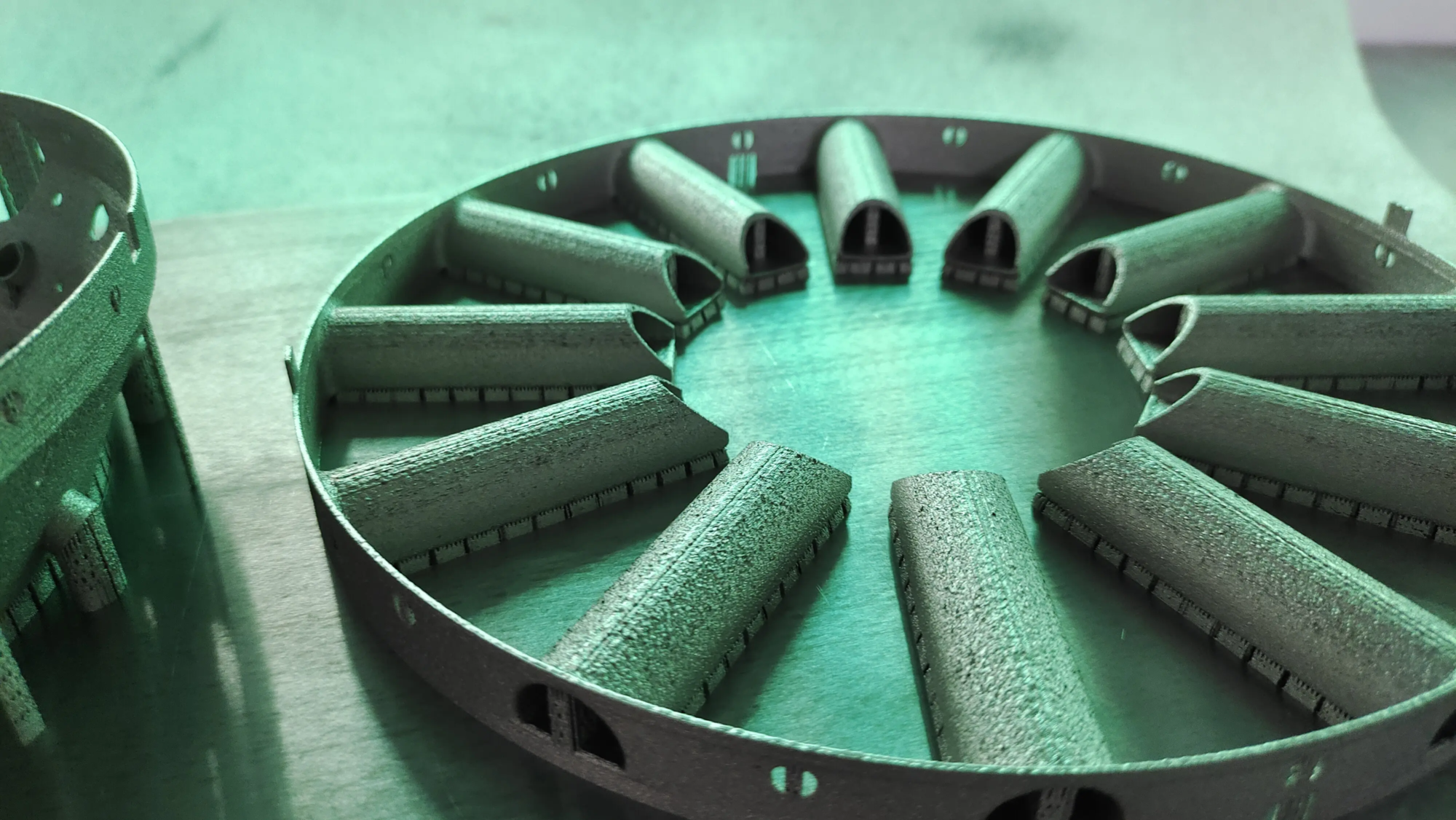
Metal magic? Professional beach toy prototyping: While home printers typically use plastic filament, professional prototyping unlocks the possibilities of metal.
think: Small complex metal parts for reinforced joints on sand excavator cranes, custom durable buckles for buckets, corrosion-resistant decorative elements, and even all-metal engraved molds.
Professional manufacturers such as huge light Take advantage of advanced Selective Laser Selection (SLM) The printer is capable of producing high-precision, durable metal parts from aluminum, titanium, stainless steel, Inconel and specialty alloys. Combined with professional finishing services (sandblasting, smoothing, corrosion-resistant surface coating), this opens the door to the production of extremely strong, seawater-resistant functional parts.
Tips for printing durable toys:
- Adhesion is key: Use edge/raft and make sure your first layer is perfect. Warping destroys the structural integrity.
- Need support? Develop a strategy: Minimize overhangs or use separate support structures. Avoid providing supports in complex cavities as sand can accumulate during removal.
- Interlayer adhesion fortress: Print temperatures are slightly higher (within material specifications). Consider using a larger nozzle (0.6 mm) to reduce layer lines and enhance print results.
- Reinforce the city wall: For load-bearing components such as shovel handles or thin panels, use a 3+ perimeter and increase the fill density (30-50%+). Gyroid padding has a good strength-to-weight ratio.
- Dry filament: Especially important for PETG, nylon and TPU. Wet filaments can cause thin layer bonding and defects.
Finishing touches: post-processing for performance and safety
When it comes to beach toys, never skip this crucial step!
- Cleanup: Carefully remove all support material, sanding away small lumps and rough edges.
- Smoothing operator: Sanding (coarse to fine) can significantly reduce the layer lines where sand and water stick. Focus on any surfaces that come into contact with skin or food (for molds used with edible sand mixture).
- Make the deal: Apply waterproof sealant:
- Food grade epoxy resin: Ideal for food/skin contact sand molds. Creates a smooth, non-porous barrier.
- Clear spray sealant: Multiple layers of UV-resistant polyurethane or acrylic spray coating (ensure child safety after curing).
- Dip coating: Plasti Dip, or specialized rubber coating, provides grip and extra waterproofing.
- Professional Polishing: To achieve the pinnacle of durability and surface finish, especially when designing complex designs or preparing for low-volume production, such as GreatLight comprehensive post-processing – including professional sanding, polishing, steam smoothing (for specific plastics), surface treatments and protective coatings – ensuring the toy is smooth, hygienic, waterproof and visually flawless, ready for commercial viability or demanding use.
Wave of Inspiration: Amazing 3D Printed Beach Toy Ideas
- Super customized sand mold: In addition to the castle, there are rockets, racing cars, elaborate animals, intricate logos, and giant dinosaur skeletons.
- Ergonomic shovel and spoon: Designed for specific hand sizes or digging techniques. Add a comfortable TPU grip!
- Sand Brick Manufacturer: Print molds of custom interlocking bricks to build epic, solid sand structures.
- Decorative Rake: Create unique patterns in the sand.
- Reusable Buoyancy Play Parts: Waterproof buoys for pool/beach games such as hoops or markers.
- Durable Frisbees and Flying Rings: With personalized design and weighting.
- Water fun: Simple boats, water pumps, drip towers.
- Camera/Sunglasses Holder: Keep sand away from your valuables.
Conclusion: Transform your beach day with personalized games
3D printed beach toys are more than just a hobby; they are a gateway to unleash creativity, promote sustainability and solve real problems. From unique sand molds that spark your imagination to durable tools that meet specific needs, the possibilities are endless. While DIY printing offers great satisfaction, taking advantage of Professional rapid prototyping services significantly increase the potential.
For projects requiring exceptional durability, complexity, specialty materials (like metals), or commercial-grade finishing, work with the experts below huge light – One of the leading rapid prototyping companies in China – is priceless. their advanced SLM 3D printer and mastery of various metal alloys, coupled with extensive Post-processing capabilitiesthe ability to create beach toy components that are truly sturdy, beautiful, and seaworthy, with optimized performance. Whether you are refining a prototype for the market or need an extremely durable custom piece, their One-stop solution from prototyping to final finishing ensures quality and competitive pricing. Dive deeper into the future of beach fun – design, prototype and print your perfect beach day accessories!
Frequently Asked Questions (FAQ)
- Is PLA safe for beach toys, especially for children? PLA is generally considered nontoxic and food safe, so potentially Suitable for sand molds that come into contact with skin or edible sand. but: PLA is biodegradable and is particularly susceptible to damage in warm, moist environments (such as exposure to sand/water). It warps over time, becomes brittle under UV exposure, and its layer lines are highly porous, promoting mold growth unless heavily coated. PETG is preferred for its durability and inherent water resistance.
- How to truly make 3D printed beach toys waterproof? Clean/Sand > Degrease > Apply Sealer. Clean the print thoroughly and sand to smooth layer lines. Use rubbing alcohol to remove oil stains. Apply multiple thin coats of sealant (food grade epoxy, specialized UV resistant polyurethane spray, Plasti Dip) ensuring complete coverage and allowing drying time between coats. Check regularly for chipping/flaking.
- Can I print beach toys entirely out of flexible TPU? Absolutely! TPU/TPE is ideal for flexible parts (handles, soft mold edges, floats). However, printing large rigid structural elements requires careful setup to ensure they maintain their shape under the weight of sand/water. Hybrid designs (TPU joints/handles + rigid PETG body) often work very well.
- How much wall thickness is strong enough for a beach toy? Aim for walls to hold small items that are at least 2mm thick. Load-bearing parts (