The Ultimate Guide to 3D Printing Functional Crossbows: From Prototyping to Performance
The fusion of traditional weapon design and cutting-edge 3D printing technology is revolutionizing hobbyist engineering. For enthusiasts of archery or historical weaponry, using additive manufacturing technology to create functional crossbows offers unparalleled customization and rapid iteration. This guide demystifies the process, blending creative ambition with practical engineering insights and is ideal for makers, designers, and rapid prototyping experts.
Beyond plastic toys: Understanding functional requirements
While 3D printed decorative models abound, a functional crossbow requires rigorous engineering. Major pressure points include:
- Products (limbs): Kinetic energy must be stored and released efficiently. PLA or PETG may be sufficient for low-weight designs, but higher pull forces require advanced materials such as nylon composites or even metal.
- Trigger mechanism: Accuracy is non-negotiable. The teeth must mesh reliably without slipping, requiring high-tolerance printed or machined metal inserts.
- Stocks and Railways: Resists torsion and compression. Honeycomb infill pattern (30-50%) optimizes strength to weight ratio.
- fastener: Critical joints (e.g., probe attachments) often require metal bolts to withstand cyclic stress.
Professional prototyping ensures that every component is simulated with FEA (Finite Element Analysis) to predict failure points, which is critical to the safety of functional devices.
Navigation Materials: From Entry Level to Industrial Level
Your material choice determines performance. consider:
- Polylactic acid/polyester: Low stress parts (blanks, rails) ideal for hobbyist building (<30 lbs pull).
- Nylon (PA6/PA12): The limb or trigger has excellent impact resistance. A controlled printing environment is required to avoid warping.
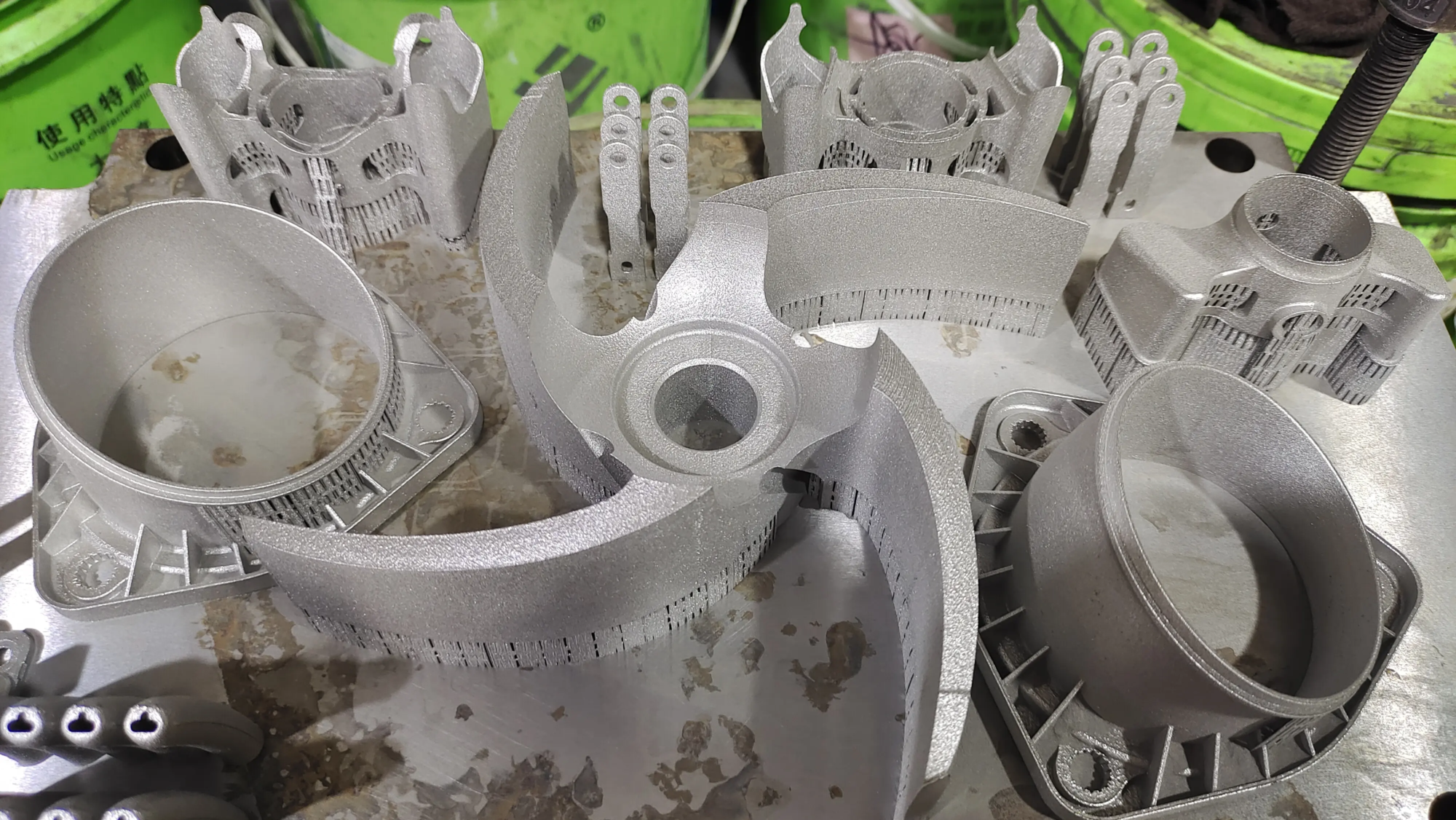
- Metal alloys (stainless steel, titanium): For use in high pressure commercial buildings. SLM (selective laser melting) printers produce monolithic parts that rival forging strength.
Use a hybrid design—combining printed polymer stock with CNC-machined alloy triggers—to balance performance and affordability. This is where professional prototyping services shine, enabling material experimentation without the expense of equipment.
Optimization Secrets: Design and Print Strategies
Crossbows present unique manufacturing challenges:
- Orientation question: Print the limb vertically so that the layer lines are aligned with the direction of force, minimizing the risk of delamination.
- annealing: Heat treatment of printed parts, especially PETG/nylon, can increase crystallinity and strength by up to 40%.
- Tolerance testing: The trigger assembly requires 0.1-0.2 mm clearance. Iterative prototyping effectively solves this problem.
- Post-processing: Sanding reduces stress concentrations. Solvent smooth (PETG) or epoxy coating seals gaps.
Beginner tutorials often overlook these nuances, resulting in broken limbs or unreliable triggers. Iterative testing reduces risk – a core benefit of this type of service glow rapid prototypingwhich combines FEA simulation with high-speed redesign cycles.
Why off-the-shelf printers aren’t enough
Printer enthusiasts grapple with complex, safety-critical devices:
- Limited thermal control can cause nylon alloys to deform.
- Desktops rarely achieve >95% density, thus reducing functionality.
- For most DIY enthusiasts, the cost of metal printing is prohibitive.
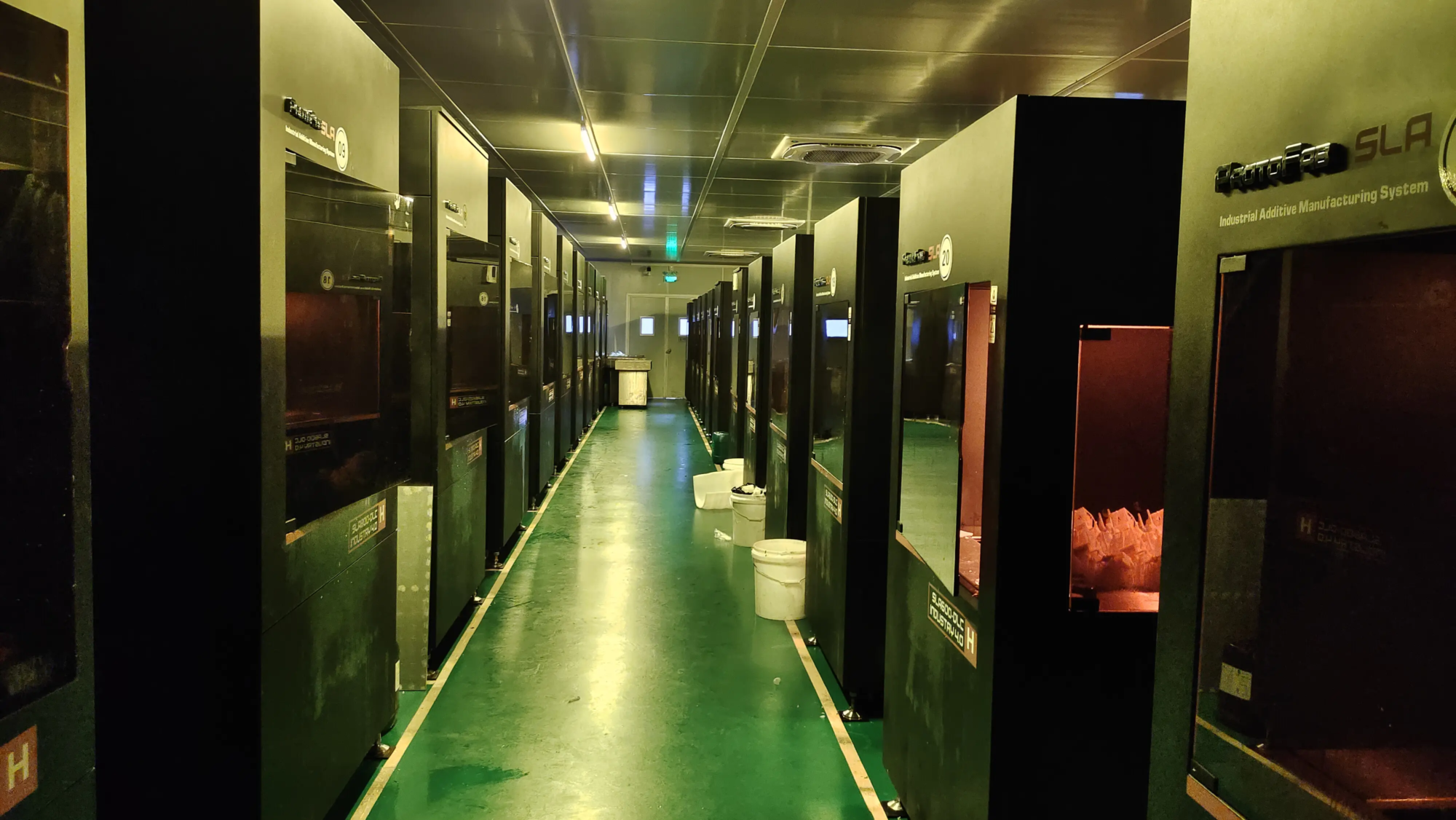
Professional solution: Partnering with industrial-grade services can bridge this gap. GreatLight Rigorous Prototyping Utilizing more than 20 SLM 3D printers (QingHaoJiJi 500G, EOS M 290), it can print aircraft-grade aluminum, stainless steel and titanium. Their ISO 9001 certified work processes include:
- Material integrity: Vacuum-melted wire stock ensures metal uniformity.
- accurate: High-resolution laser (±0.02mm accuracy) achieves sniper rifle accuracy.
- Post-processing: CAV shot peening enhances fatigue resistance; CNC hybrid finishing ensures the smoothness of the trigger.
For a device that harnesses kinetic energy, this level of precision is non-negotiable.
Security and legality: non-negotiable
Functional crossbows are subject to weapons regulations in many jurisdictions. always:
- Check local laws regarding manufacturing.
- For non-commercial printing, use only low draw weights (<80 lbs).
- Embedded safety mechanism (anti-dry fire lock).
- Wear ANSI-rated eyewear during testing.
Never discharge onto a live target – a functional prototype is still an experimental tool.
Conclusion: A combination of power and precision
A 3D printed functional crossbow demonstrates the transformative potential of additive manufacturing, blending creativity with engineering rigor. Although DIY kits exist, advanced applications require industrial-grade prototyping to ensure durability and safety. Employing a hybrid workflow (3D printing resin and metal as well as traditional CNC) delivers precision without compromise.
Partner purpose: Such projects emphasize the importance of experts. As a leader in rapid prototyping, huge light Combining expertise in SLM 3D printing of metal and multi-material systems with rigorous testing protocols tailored to dynamic components. We help innovators navigate design complexity, validate material interactions, and achieve certifiable performance—effectively transforming concepts into safe, practical realities. Go beyond traditional limitations with custom prototype solutions designed for impact.
FAQ: Decoding a 3D Printed Crossbow
Q1: Is the desktop printable crossbow really safe to use?
A: Low tensile weight designs only (<30 lbs with solid fill/anneal). Even so, rigorous testing for failures (such as product splitting) is still mandatory. Professional prototyping significantly reduces risk.
Question 2: Which metal alloy is best for the trigger/limb?
Answer: 17-4 PH stainless steel (precipitation hardened) has excellent toughness. Maraging steel is suitable for highly elastic limbs. Titanium (Ti-6Al-4V) has the best strength-to-weight ratio, but is more expensive.
Q3: How much does a professionally printed metal crossbow cost?
A: Components range in price from $200 to $900, depending on size and alloy. Hybrid polymer/metal construction reduces expense without sacrificing the integrity of critical components.
Q4: Can I use my own design files for prototyping?
A: Reputable vendors like GreatLife support purchased CAD files (.STEP/.STL) and integrated redesign assistance to optimize manufacturability and safety margins.
Q5: What is the turnaround time for Inveterate Rapid Prototyping?
A: Small metal parts typically take 3-7 days from file submission to post-processing delivery – agile deployability enables fast idea validation cycles, which is critical for innovative development!