Unlocking Design Freedom: The Complete Guide to 3D Printing Drawer Slides
Clumsy drawer slides. These unsung heroes are often overlooked, but they are critical to the smooth, reliable operation of furniture, cabinets, electronic equipment enclosures, prototypes and countless industrial applications. Traditionally, designers and engineers have faced numerous limitations, limited by off-the-shelf components and expensive custom machining. Enter 3D printing (Additive Manufacturing – AM)revolutionized the way we use drawer slides. This guide delves into the why, how and when of 3D printing drawer slides, unleashing unprecedented design freedom.
Why Consider 3D Printed Drawer Slides?
The benefits go far beyond novelty:
- Completely customizable: Forget about resizing your design to standard sizes. AM lets you create tailor-made slideshows precise Length, width, height, load requirements and complex geometries. Do curved drawers need slides? Integrated mounting point? Unique expansion mechanism? AM delivery.
- Lightweight: Optimizing the internal lattice structure (filling) allows for significant weight savings without sacrificing strength – critical in aerospace, automotive and portable device applications.
- Rapid prototyping: Test the shape, fit and functionality of your drawer system at breakneck speed. Iterate on designs overnight instead of waiting weeks for machined parts.
- Small batch production: Economically manufacture custom slides for niche products, prototypes, repairs of obsolete hardware, or specialized industrial equipment where traditional manufacturing costs are prohibitive.
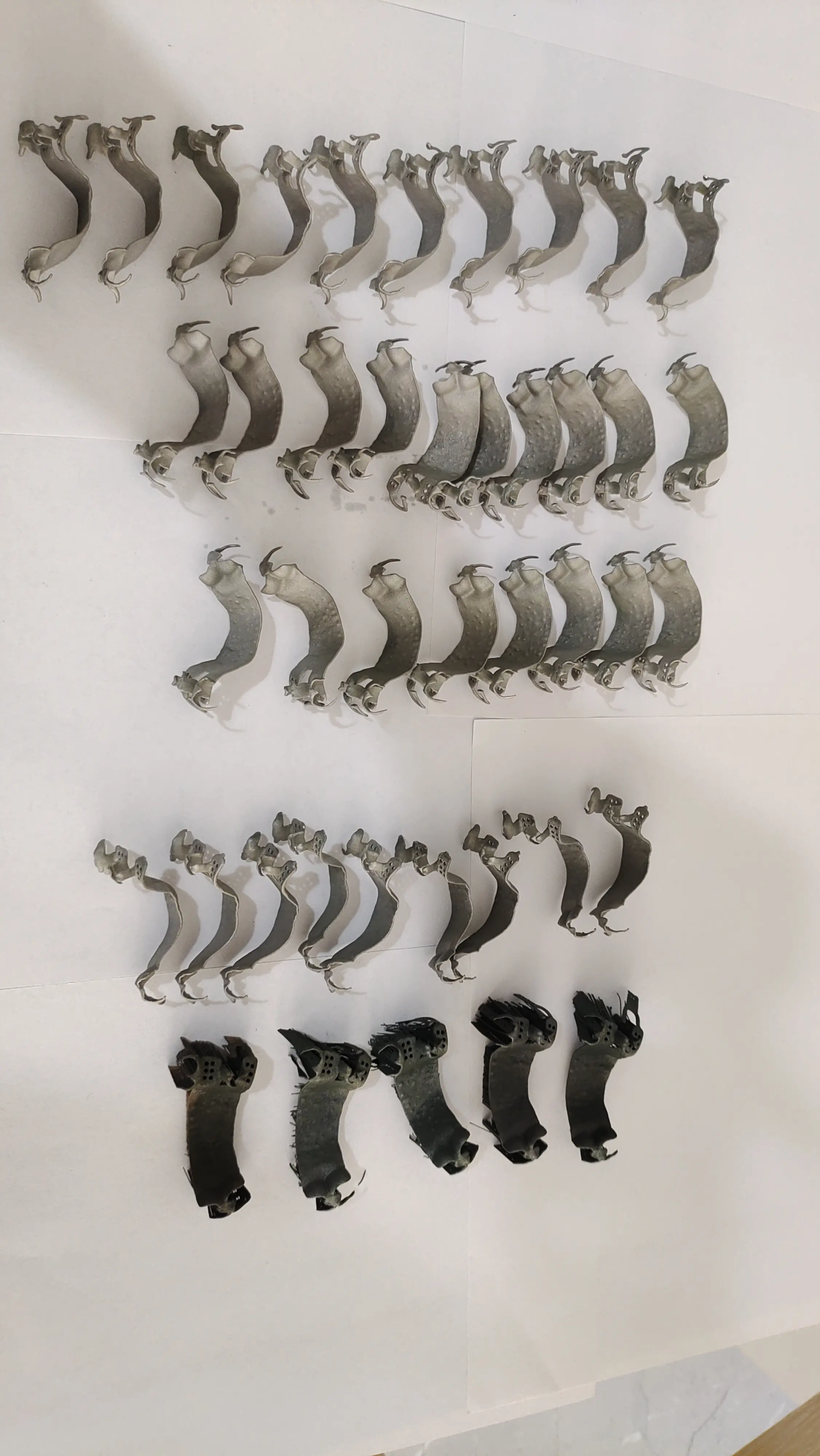
- Material selection: Choose from a broad range of polymers (nylon, PC, PETG, ABS) or high-performance composites/jet resins for smoother action. The key is, Industrial metal 3D printing (such as SLM) Able to produce very strong and durable metal slides suitable for harsh environments.
- Comprehensive complexity: Consolidate characteristics. Printed slides reduce assembly complexity by integrating bearings, lubrication channels or accessory functions as a single component.
Designing for Success: Key Considerations
Designing functional drawer slides requires careful planning:
- Material selection: Match materials to applications.
- FDM polymers (nylon/PA, PETG, ABS): Good balance between strength, abrasion resistance (especially nylon) and cost for prototypes and light to medium consumer applications. Lubrication helps reduce friction.
- Resin printing (SLA/DLP/PJ): Superior surface finish allows for lower friction and quieter operation. Photopolymer resins offer high precision and stiffness, but can be brittle and less impact-resistant than FDM parts.
- Metal (SLM/DMLS): Ideal for harsh environments: heavy loads, high temperatures (reaching material limits), harsh chemicals, or where extreme wear resistance and longevity are critical. Materials such as stainless steel (316L), aluminum alloy (AlSi10Mg), titanium (Ti64) and Inconel excel in this regard.Ideal for functional prototypes and low-volume production.
- Friction is the enemy: Smooth operation relies on minimizing friction:
- Design the sliding interface with sufficient clearance (initially approximately 0.2-0.5 mm; refine through prototyping).
- Made of low friction materials (nylon, POM/Teflon bearing inserts, resin).
- Design intentional lubrication points/channels/grooves.
- Optimize surface roughness (printing direction, layer height, post-processing).
- Strength and stiffness: Underestimating loads can be dangerous. Stress analysis (FEA even for basic research) is highly recommended.
- Strategically increase wall thickness, especially at critical bend/mounting points.
- Use higher packing density (20-40%+) in areas of stress concentration.
- Consider ribbing/gussets.
- Bearing surface: For smoother action and less wear:
- Grooves/grooves designed to accommodate standard steel or ceramic ball bearings.
- Integrated slot for insertion of low friction sheets (POM/Nylon/Teflon).
- Optimize the native printing surface (post-processing is crucial here).
- Tolerances and fits: Printing tolerances vary by machine/material/process:
- Depending on your printing technology, budget a tolerance of +/- 0.1 mm to +/- 0.3 mm. Metal additive manufacturing (SLM) has the potential for tighter tolerances (~±0.05mm – ±0.15mm).
- Design the gaps accordingly – start a little larger and refine the prototype.
- Post-processing is key: Sanding, tumbling, steam smoothing (for resin), precision machining/cathode reaming (Especially important for metal additively manufactured parts) to achieve the required smoothness and dimensional accuracy of sliding surfaces.
Applications: Where 3D printing shines
3D printed slides are ideal for:
- Prototyping: Quickly validate mechanical design and ergonomics under real-world conditions.
- recover: Recreate functional slides for antique furniture for which parts are not available.
- Maker Projects and DIY: Custom enclosures, workbenches, organizers.
- Lightweight construction: Robots, drones, aircraft interiors (using polymer composites or metal additive manufacturing).
- Low-volume/special-purpose industrial equipment: Custom machinery, test fixtures, laboratory equipment components.
- High performance and extreme environments: Aerospace components, chemical analysis equipment (via SLM using specialized polymers or high-strength metal alloys).
Beyond prototyping: The benefits of metal additive manufacturing
While polymers dominate the hobby scene, Industrial Selective Laser Melting (SLM) Unlock game-changing abilities:
- Production grade parts: There is no difference between a functional prototype and the final production part. Ideal for failure testing and regulatory approval pathways.
- Excellent strength-to-weight ratio: The optimized lattice enables lighter slides to match/exceed the performance of traditional metals, thereby increasing payload in weight-sensitive applications.
- Excellent durability: Unparalleled wear resistance, high temperature strength and corrosion resistance compared to polymers.
- Complex cooling/wiring channels: Integration cannot machine features for special applications (e.g. sliders within thermal management compartments).
The key role of post-processing
For reliable functionality, post-processing is non-negotiable:
- Polymer Finish: Sanding, steam smoothing (for ABS/printers only), and media tumbling can improve surface texture. Adding lubricant is essential.
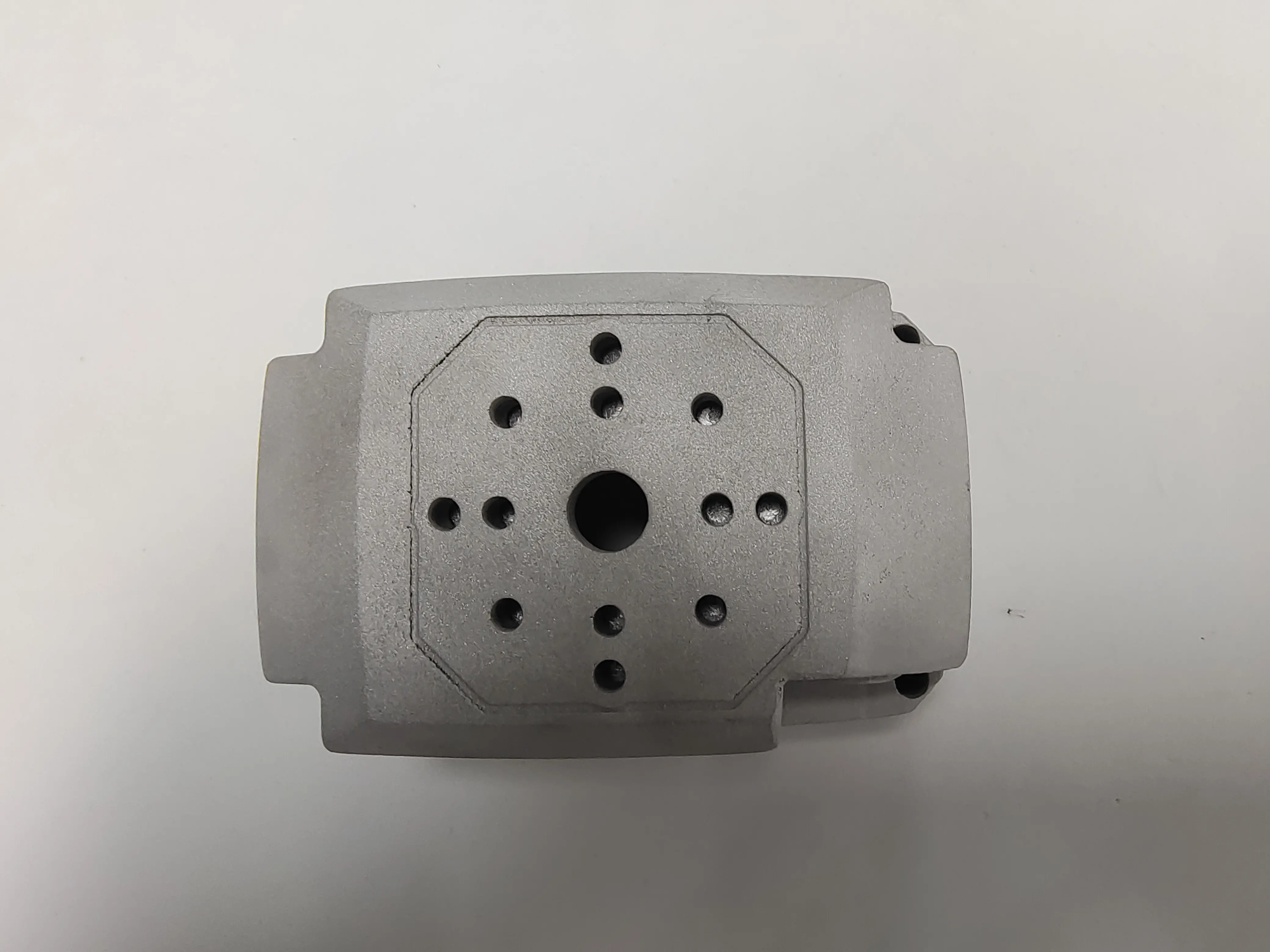
- Metal (SLM): Premium solutions include deburring, media blasting and Precision machining/cathode reaming Bearing surfaces completed by an experienced metal additive manufacturing supplier. Heat treatment (stress relief or hardening) may be required. Surface treatment (passivation, plating) enhances corrosion resistance.
Partner with experts: Accelerate success
Designing and printing functional parts like drawer slides requires expertise, especially in metals. This is where working with an experienced rapid prototyping manufacturer becomes extremely valuable.
Introducing GreatLight: Your Metal 3D Printing Solution
exist huge lightwe focus on transforming innovative designs into functional reality through advanced technology Selective Laser Melting (SLM) 3D Printing. We understand the importance of precision and reliability, especially with moving parts like drawer slides.
Why work with Gretel?
- Advanced Industrial SLM Equipment: Utilizing state-of-the-art SLM printers, we are able to produce extremely strong, dense and precise metal parts from materials such as aluminum, titanium, stainless steel, Inconel and more.
- Deep materials expertise: We guide you in choosing the best alloy based on the load, environment and service life requirements of the slide (AlSi10Mg for strength/lightweight, Ti64 for strength/corrosion/lightweight, 316L stainless steel for corrosion/wear, etc.).
- Designed for functionality: Our engineers work with you during the design optimization (DFAM) process to ensure your slides can be manufactured and meet stringent performance requirements.
- Precision machining and finishing: Crucially, we offer a comprehensive Post-processingincluding precision CNC machining and cathodic reaming of critical sliding interfaces and bearing surfaces. Our surface treatment options ensure smooth operation and enhanced durability.
- Speed and reliability: as an expert rapid prototypingwe dramatically compress your development timeline. Need to test functional metal slide prototype yesterday? We can help.
- One-stop solution: From optimized design files to fully finished, ready-to-install parts, we handle the entire process seamlessly.
Whether you need high-performance metal prototypes for rigorous testing or low-volume production of custom slides that cannot otherwise be sourced, GreatLight provides the expertise, technology and precision you need. We solve complex metals