Solving a long-standing problem: How 3D printed lens caps are changing photography gear management
Every photographer, whether a seasoned professional or an enthusiastic amateur, knows the frustration: You raise your camera to take the perfect shot, only to discover that the lens cap is missing again. Lost in a bag, slipped unnoticed or left at home – traditional lens caps seem designed to disappear. Fortunately, innovative solutions are emerging from an unexpected corner: the world of additive manufacturing. The 3D printed lens cover rail is a simple yet revolutionary accessory that changes the way we protect our precious optics.
More than a Lens Cap: Understanding Lens Cap Guidelines Concepts
Unlike traditional snap-on lens caps, 3D printed lens cap rails are used for more than just covering the lens. this is about Enhanced functionality and security. Think of it as a hybrid system:
- Base guide ring: This critical component is securely mounted on the lens hood threads (or possibly the filter threads, depending on the design). It’s precision 3D printed to precisely fit the specific diameter of your lens. It has grooves or slots designed for lanyards or clips.
- Magnetic cap: Rather than relying solely on a cumbersome friction fit, the cover integrates strong neodymium magnets. They align effortlessly and snap securely onto metal rings embedded in or attached to guide rings. A straight pull removes the cover, but accidental bumps or gravity won’t dislodge it.
Why 3D printing powers the perfect lens cap solution
This ingenious solution leverages the core benefits of additive manufacturing:
- Ultra-customized: DSLRs, mirrorless cameras, cine lenses – diameters vary greatly. 3D printing allows customization of guide rings Your exact lens modelensure tight installation and non-slip. Even unusual flange designs can be accommodated.
- Complex geometry made simple: With CAD and 3D printing, it’s easy to create precise internal grooves for a retaining ring or optimized channels for a lanyard. Injection molding struggles to handle the complexity of this customization in low-volume, cost-effective situations.
- Material Versatility: Need lightweight rigidity? Micro-tuned nylon (such as PA12) is ideal. Does it need to be resistant to high temperatures? PEI (Ultem) resin handles extreme conditions. Want a luxurious feel? Industrial polymer resin mimics smooth plastic. Rapid prototyping allows for rapid testing of a variety of materials.
- Integrated features: Printing allows the magnet holder to be embedded directly into the ring structure when manufacturing or designing the pocket, allowing for a perfectly secure crimped insert, resulting in a seamless, strong assembly.
- Iterative development: Prototyping is fast and affordable. Need to adjust thickness, magnet groove depth, or lanyard groove position? Design adjustments were implemented digitally and new physical iterations were printed overnight.
Real benefits for photographers
The transition from theory to practice yields impressive advantages:
- Say goodbye to the lost hat: Since the cover is held in place by a lanyard that fits into the groove of the guide ring, it’s nearly impossible to forget about it. The cap has a simple wrist loop to securely attach it to your camera equipment.
- Dazzlingly quick access to: The magnetic snap is instantaneous. Slide the cover sideways or pull it straight off – this is much faster than fumbling with a traditional pinch release mechanism, especially if you have cold fingers or are wearing gloves.
- Enhanced durability: 3D printing materials like reinforced nylon or high-grade resins offer excellent resistance to drops and abrasions, often better than cheap plastic injection-molded lids that break easily. Print direction can be optimized for strength as needed.
- Minimalist bulk: The guide ring adds minimal height and almost no additional diameter compared to the lens hood thread. The magnetic cap is very slim.
- Weather resilience: Carefully designed printed guide rings have a tight thread fit and act as an extra layer of dust protection. Some resins are inherently moisture-resistant or can be sealed after post-processing.
Entrust precision to expertise: The role of professional rapid prototyping
Creating a guide to truly effective 3D printed lens caps involves more than just pressing a button on a desktop printer. Precision, material science and finishing are critical:
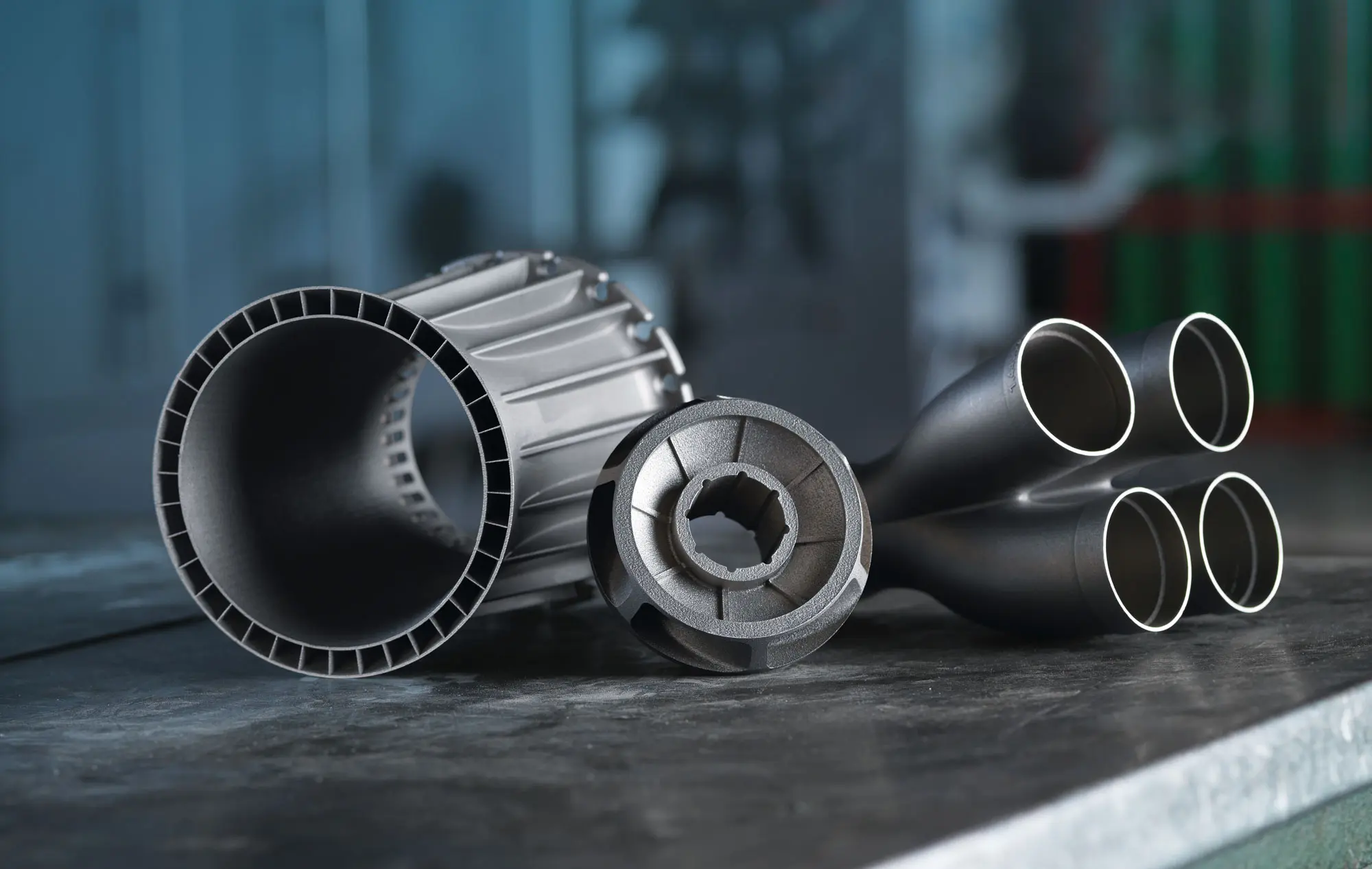
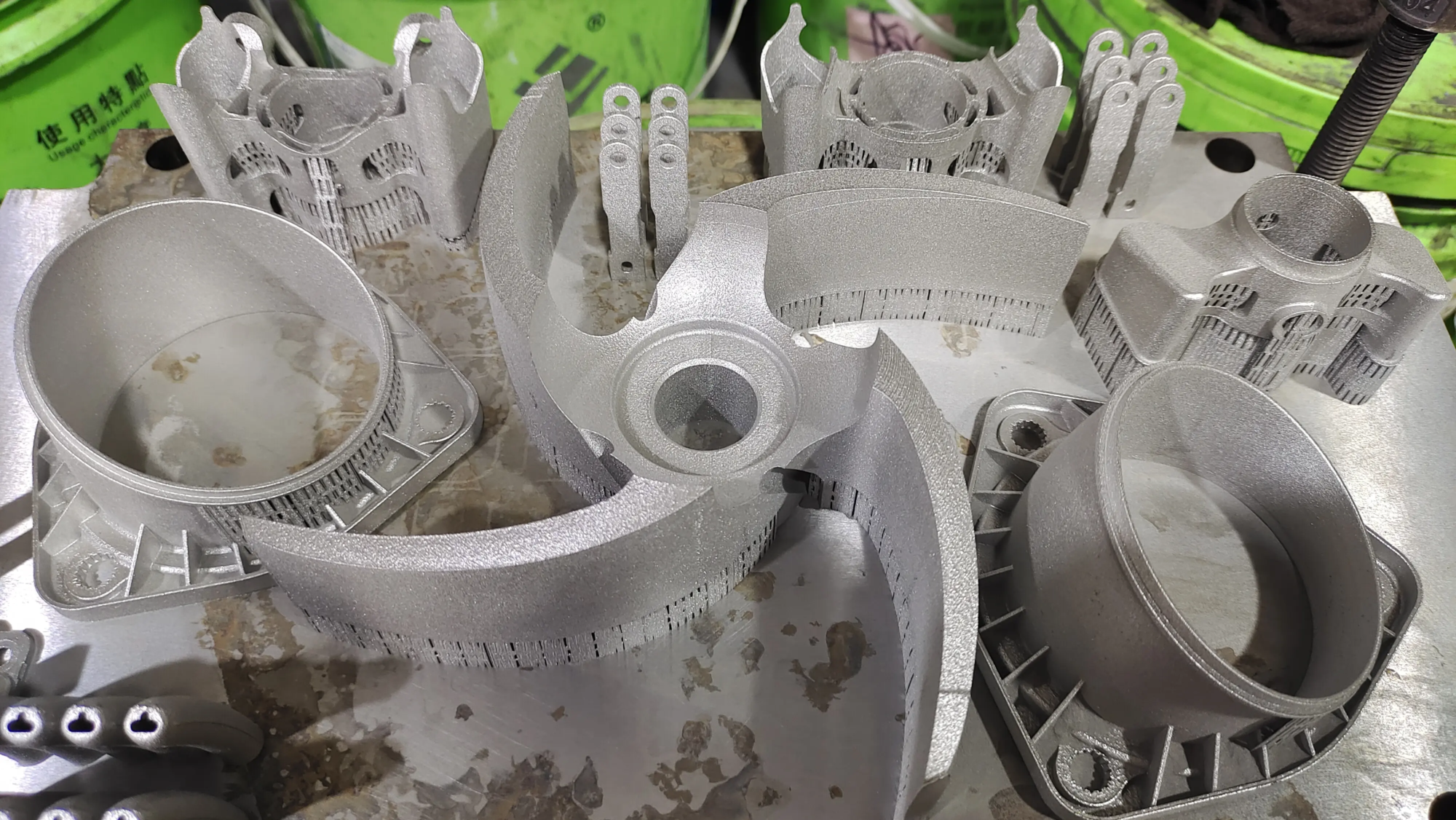
- Engineering grade accuracy: Ensuring thread consistency requires advanced CAD modeling and printers with micron-level resolution. SLM (selective laser melting) for metal guides (e.g. titanium-based for heavy lenses) or ultra-precision SLS/SLA for plastics are crucial. Slight distortions or dimensional inaccuracies can render the guide useless.
- Materials Science Expertise: Selecting the correct filament/resin requires understanding strength requirements, wire grip friction coefficient, temperature range stability, UV resistance (for outdoor use), and compatibility with embedded components such as magnets. Not all plastics are created equal.
- Improved post-processing: The threads may require CNC cleaning or tapping to engage smoothly. Parts that require waterproofing, enhanced aesthetics (staining, smoothing) or rigorous inspection require complex finishing processes managed by skilled technicians.
- Scalability: Moving from a single prototype to low-volume production requires optimizing the printing process and post-processing workflow to maintain consistency.
GreatLight: Your partner for precision prototyping of photography accessories
For innovators who want to design, prototype or even produce high-quality lens cap rails in small batches, working with a professional rapid prototyping manufacturer is critical. huge light Demonstrates a combination of technical excellence and required practical experience.
As a leading provider of professional rapid prototyping services, GreatLight utilizes the following advanced technologies