Unlocking Possibilities: A Comprehensive Guide to 3D Printed Lockpicking Tools
The community of locksmiths and security enthusiasts is bursting with innovation, thanks in part to the popularity of 3D printing technology. Desktop 3D printers enable the ability to create custom lock picks that were once limited to professional locksmiths using specialized tools. But the technology isn’t just novel; It offers unique advantages in terms of customization, speed of iteration, and accessibility of specialized tools. This guide takes a deep dive into the world of 3D printed lock picking tools, exploring the technology, materials, design, ethical considerations and practical applications that shape this niche market.
Why choose 3D printed lock picking tools?
Traditional lock picking tools require precision machining and specialization. 3D printing disrupts this status quo by:
- custom made: Design options tailored to a specific lock type (e.g., dimple lock, disc lock) or user hand size and grip preference. Easily modify existing designs in CAD software.
- Rapid prototyping: Test multiple design options quickly and cheaply. A failed torque wrench design? Simply modify the CAD file and print the new iteration within an hour.
- Auxiliary functions: Less common or specialized options of rare cleats can be produced on demand without having to rely on distributors.
- Cost effectiveness: After the initial printer investment, the material cost of plastic picks is minimal compared to purchasing multiple sets.
Technologies and Materials: Beyond Basic Plastics
While cheap PLA (polylactic acid) printed on hobbyist FDM (fused deposition modeling) printers is a common starting point, the materials field is constantly evolving:
-
FDM plastics (PLA, PETG, nylon): PLA is brittle and breaks easily, especially on thicker tension wrenches. PETG has significantly better toughness and flexibility, making it a popular choice for functional plastic picks. Nylon filament offers excellent durability and slight bending, but is more challenging to print.
-
Resin (SLA/DLP): Stereolithography and digital light processing printers produce incredibly smooth surfaces and high detail resolution. Tough or flexible resin picks are more durable and shatter-resistant than FDM plastic, which is critical for thin hooks and rakes to be able to reach deep-set pins without breaking. Their smoothness minimizes binding within the keyway.
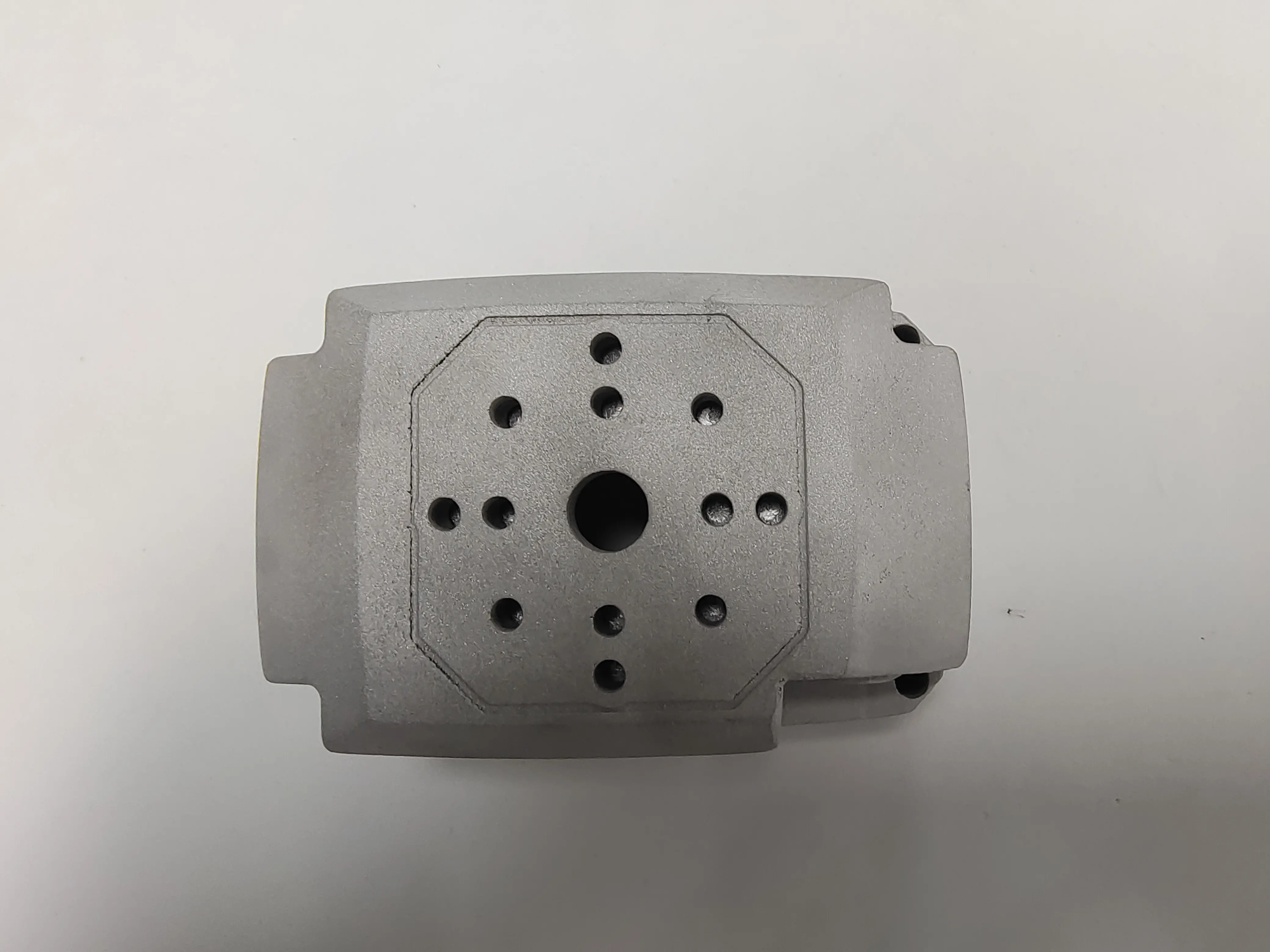
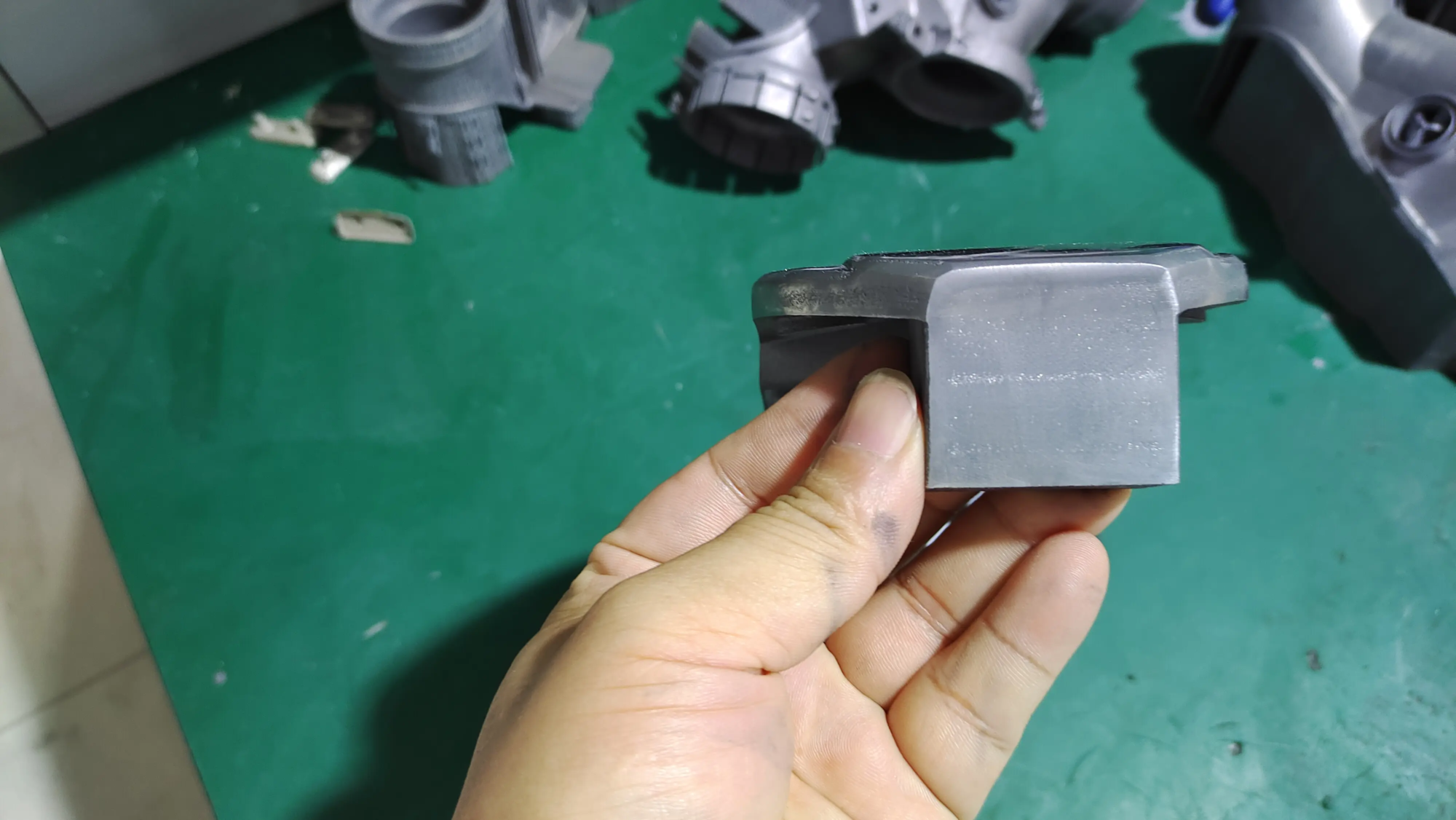
- Metal (SLM): This is where industrial capabilities shine. Selective Laser Melting (SLM) The technology uses powerful lasers to melt fine metal powders, building completely dense metal parts layer by layer. Companies specializing in rapid prototyping, e.g. huge lightutilizes advanced SLM printers to produce lock picking tools in stainless steel, titanium or tool steel. These metal picks offer unparalleled:
- Strength and durability: Resists bending or breaking under pressure.
- accurate: Excellent dimensional accuracy perfectly replicates complex high-security pick-up contours.
- Surface finish: Post-processing (polishing, heat treatment) creates a smooth surface that slides reliably through the lock.
GreatLight leverages its expertise in SLM technology and turnkey post-processing services, including precision machining and finishing, to solve complex metal prototyping challenges, making it the go-to resource for manufacturing ultra-reliable, professional-grade metal picks when plastics/resins are pushed to their limits.
Functional design considerations
A successful 3D printed lock pick requires careful design:
- Enhancing Geometry: Designs must anticipate stress points (especially the point of action of a torque wrench) and incorporate thicker sections or ribs to prevent failure.
- Accessibility profile: The pick profile must be designed to accommodate the specific keyway geometry – a narrow shaft, appropriate rake/rake angle and minimized joint surfaces are critical.
- Utilizing CAD: Parametric CAD software allows for easy scaling and modification. Open source repositories like Thingiverse provide a starting point, but modifying the design based on experience will yield the best results.
- Surface finish: Supports must be removed carefully and surfaces sanded/polished (especially on resin/metal SLM parts) to reduce friction and prevent hanging.
Ethical and legal requirements
When discussing lockpicking tools, the responsibilities cannot be overstated:
- legality: Own and possess lock picks only under express and legal circumstances, typically for locksmith certification, locksmith enthusiast groups, or expressly permitted legitimate security audit purposes. In many jurisdictions, possession may be illegal without valid grounds. Know your local laws.
- ethics: These tools are used for legal education, hobbyist practice (on your own lock!), the locksmith trade, or authorized penetration testing. no way Use them to bypass locks protecting property that does not belong to you or that you have not expressly authorized to do so.
- responsibility: Users are expected to strictly abide by locksport’s Code of Ethics, which emphasizes responsible disclosure and licensing.
Practical Tips for Using a 3D Printed Pickaxe
- Start simple: Start practicing basic rake contours on the easy-to-operate trainer lock.
- Material matters: PLA Snaps – A serious practice with PETG, resin or metal. Don’t expect low-profile PLA torque wrenches to last long.
- Surface treatment: Carefully sand rough edges or support residue to ensure smooth operation. Polished metal SLM picks provide the lowest friction.
- lubricating: Use graphite-based lock lubricants with caution. Avoid using oil-based lubricants that attract dirt.
- Understand the limitations: Recognizing when a plastic/resin has met its physical limitations and switching to a professionally manufactured metal SLM pick (like those produced by GreatLight) is critical to increasing the efficiency and success of stubborn locks.
Conclusion: Precision and responsibility go hand in hand
3D printing offers unprecedented potential in unlocking design and manufacturing. From quickly iterating on plastic prototypes on a desktop machine to producing strong, complex metal tooling using industrial SLM technology, the possibilities are vast. Resin bridges the gap with high detail durability, while professional metal services such as huge light Ability to create professional-grade precision instruments capable of handling complex safety systems. By combining cutting-edge rapid prototyping solutions including materials expertise, advanced SLM equipment and comprehensive finishing, GreatLight demonstrates how modern manufacturing can effectively and cost-effectively support the creation of specialized tooling.
However, this power goes hand in hand with significant moral obligations. Understanding material limitations, focusing on proper design, strict compliance with local laws and a clear commitment to responsible ownership and use are non-negotiable. When used ethically and for legitimate purposes, 3D printed lock picking tools become powerful tools for learning, crafting, and advancing security knowledge. As technology advances, the precision, customization and accessibility offered by solutions like metal SLM machining ensure lock enthusiasts and professionals responsibly have the tools they need.
FAQ: Your 3D printed lock picking questions answered
Q1: Is it really safe/effective to use 3D printed lock picks?
- Plastic (FDM): Yes, PLA/PETG/nylon pick able Work, especially raking on less secure locks. However, they lack the torsional strength and tactile feedback of metal picks, and tend to break/break under pressure or when encountering sticky pins. PETG and nylon are significantly more durable than PLA.
- Resin (SLA/DLP): Yes, tough or flexible resins can produce very useful picks. They offer excellent detail resolution, smoothness and better durability than FDM plastics. Ideal for complex profiles with flexibility.
- Metal (SLM): Absolutely. Professionally produced metal picks (for example, stainless steel or titanium produced by SLM) are as effective as traditional machined picks, offering superior strength, durability and reliability. Services like GreatLight ensure high precision and finished product quality.
Q2: Can I download any file and print it?
You can download the STL file from the locksmith repository, but Use with caution:
- legality: Make sure possessing/manufacturing picks is legal where you are. Printing certain restricted tool designs may pose legal risks.
- Safety: Double check the source of the document. A poorly designed model may be accidentally damaged during use.
- Potency: Design may need to be modified for your printer/material or specific lock type.
Question 3: Why choose metal 3D printing (SLM) compared with traditional machining for lock picking?
SLM has clear advantages:
- complex: Complex geometries not possible with CNC machining can be produced (thin shafts with complex contours, integrated torque wrenches).
- merge: Choose from a selection of designs with complex 3D shapes in a single print.
- Prototyping speed: Design iteration cycles are faster compared to setting up CNC machining for custom cells.
- Material efficiency: There is minimal metal waste compared to subtractive machining, especially for complex shapes.
- custom made: High adaptability to custom, low-volume production – this is GreatLight’s specialty.
Q4: Is the resin not strong enough? Why do I need metal?
Resin is great for making fine picks and has good durability, but picks made from metal SLM (Especially using a reliable supplier like GreatLight) performs well in key scenes:
- Ultimate torque: Metal torque wrenches can withstand huge twisting forces without deforming.
- High security lock: There is a need for thinner, stronger picks that can apply consistent force without bending.
- Professional Reliability: High-end locksmiths need tools that won’t fail.
- Long term durability: Compared to plastic/resin, metal picks can be reused indefinitely and in large quantities.
Q5: How does GreatLight ensure that SLM-printed lock picking tools are strong and accurate?
Companies that use SLM effectively (Such as Daguang) combines technology and expertise:
- Advanced SLM equipment: Precisely controlled laser and inert atmosphere ensure complete powder melting and material integrity.
- High quality powder: Stainless steel (316L, 17-4PH), titanium alloy, etc., selected based on strength and corrosion resistance.
- Professional post-processing: Basic steps such as support removal, heat treatment (annealing), shot peening and CNC precision surface finishing/polishing performed by Ferrite’s in-house team ensure optimal dimensional accuracy, elimination of internal stresses, smooth surfaces (minimum friction) and maximized strength/ductility. Their one-stop service guarantees consistent, professional results.
Question 6: Are there any legal risks associated with owning a 3D printed lock pick?
Yes. This is the most important:
- Jurisdictional differences: Laws vary widely from country to country, state/province, and even city to city. It may be illegal to possess locksmith tools without a legitimate locksmith license or membership in a locksmith movement.
- intention: The law often depends on presumed intent. Separate possession can be interpreted as "burglary tools" No apparent legitimate purpose.
- transportation: Check the laws before traveling with a pickaxe. Some places criminalize possession outright.
- recommend: always Research local laws thoroughly. Join a recognized locksport organization (such as TOOOL or Locksport International); in many areas their membership card will serve as proof of legitimacy. Only print choices if there are clear, legal and ethical reasons for doing so. Enthusiasts must prioritize responsible practices.