Unleash your inner beast: The ultimate guide to making a 3D printed werewolf statue
The allure of the werewolf—a primal combination of human cunning and feral beast—has captured the imagination for centuries. Now, thanks to the transformative power of 3D printing, it’s easier than ever to capture a sense of fierce elegance in miniature form. Whether you’re a seasoned hobbyist, a tabletop gamer in need of the perfect monster, or a collector seeking unique art, 3D printing allows you to unleash your own exquisite werewolf pack. This guide will take you through every step from concept to completely stunning masterpiece.
Step 1: Conceptualize Your Werewolf Creation
Before firing up the printer, imagine your beast:
- style: Classic horror beast? A noble guardian? A fighter inspired by a wizard? Fantasy RPG cartoon? Understanding style can guide your model selection and organization.
- Posture and movement: Mid-term transformation roar? Agility raid? Howling majestically at the moon? Posture has a huge impact on the character.
- scale: A miniature play scale (25-32mm), a display statue (6-12 inches) or something larger? Scale determines detail requirements and print complexity.
- complex: Do you want complex fur textures, dynamic geometries, or removable parts? Consider your printer’s capabilities and your patience!
Step Two: Find Your Werewolf Model
The digital core of the project is the 3D model:
- Market and community: Dig deeper into the repository, e.g. Thingiverse, Cults3D, MyMiniFactoryand CG Trader. Filter by "werewolf," "werewolf," "werewolf," ETC.
- artist: Find talented digital sculptors who specialize in creature creations (e.g., Luca Tuman, Oakbound for fantasy, PrintOctopus Studios for horror). Buying a quality model usually comes with superior detail and support.
- debug: For a truly unique beast, commission a freelance artist. Clearly define your vision, budget and required file formats (STL, OBJ).
Step 3: Prepare the model for printing (slicing)
Raw STL needs to be processed via Slicing software (Cura, prusaslicer, lychee for resin)
- Zoom ratio: Size exactly for your intended use.
- direction: Position the model to minimize overhang and maximize strength at key stress points such as the legs. Use raft/edge/skirt for gluing.
- support: Crucial for complex poses! Enable automatic supports, but double-check and add manual supports under the chin, elbows, paws, and curled toes. Resin printing requires a lighter support than FDM.
- Resolution/layer height: Aim for finer layers (0.1 mm or less) for smoother fur texture and facial detail. Resin excels at this (easily up to 0.05 mm).
- Hollow (resin): Significant resin savings and reduced printing time for large solid models. Most importantly, add drainage holes to prevent uncured resin from being retained.
Step 4: Choose your material – from filament to fine metal!
This is where your vision meets physics:
- Polylactic acid (FDM): Gateway filament. Easy to print with wide color range. Ideal for prototyping, basic printing, or advanced sanding/painting proficiency. May conflict with fine fur details.
- PETG (FDM): More durable and temperature resistant than PLA. Claws are tougher! Managing threading is more challenging.
- Resin (SLA/DLP/LCD): The king of details. Perfectly capturing complex fur textures, musculature and menacing expressions. Alkaline resin is brittle; consider ABS-like or tough resin Suitable for easy-to-control mini game consoles. use washable for easy cleanup. Requires UV curing back Printed and thoroughly cleaned.
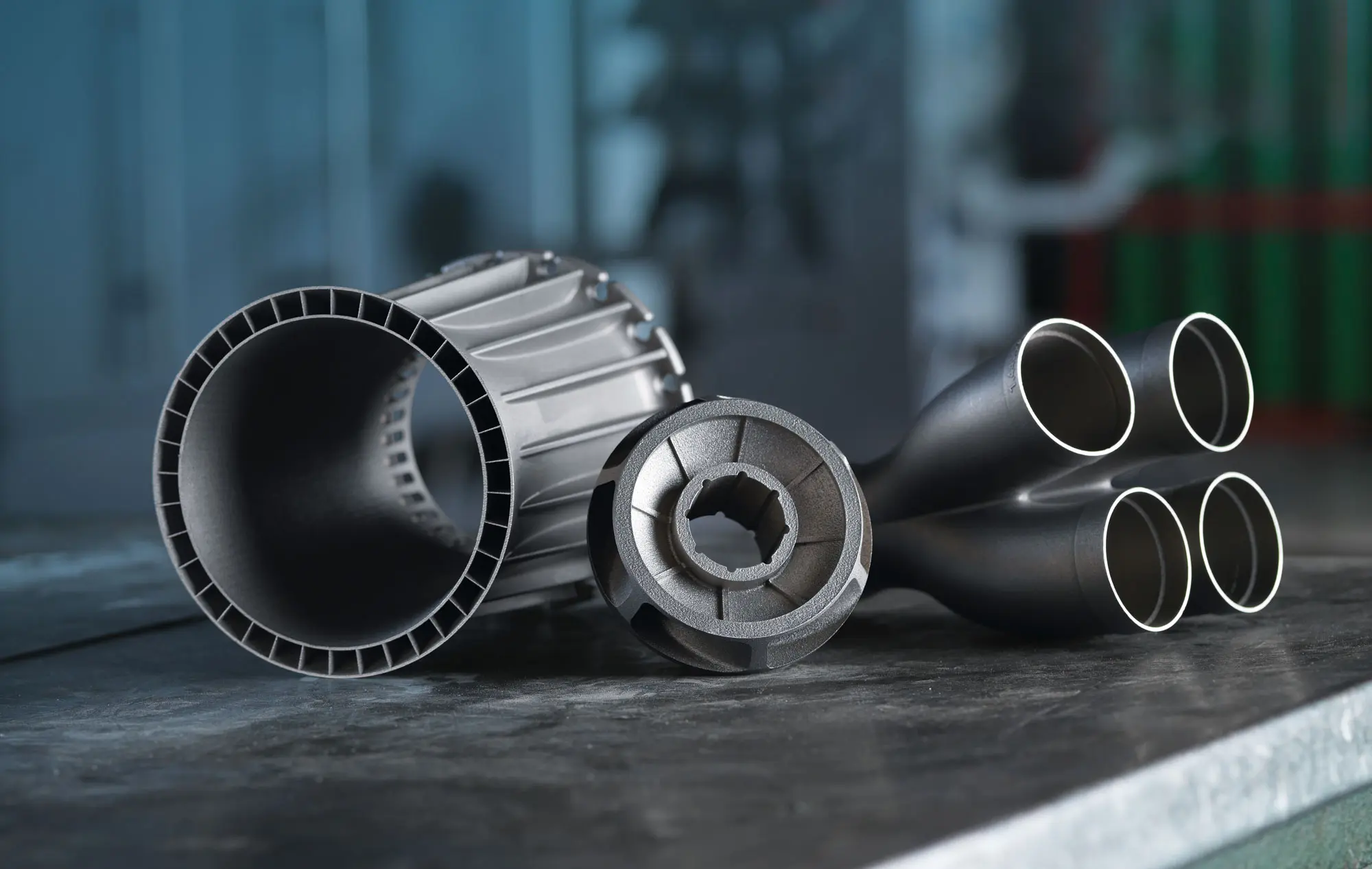
- Advanced Metals: Unlock true persistence and unparalleled prestige. For collectors and creators who demand absolute fidelity, durability and a unique look. Direct metal printing (especially SLM – Selective Laser Melting) Offers incredible possibilities.
- Material: Titanium alloy (Ti6Al4V) for lightweight strength and biocompatibility (if relevant to jewelry); Stainless steel (316L) for excellent corrosion resistance and fine polish; Aluminum alloy provides lightness and fine detail.
- Why choose metal? : Astonishing detail capture and material authenticity comparable to resin ("metal beast" Inherent effect), unparalleled durability and weight (feels solid), excellent temperature resistance, potential for functional integration (display base). Perfect for bronze-like artwork, heirloom-quality sculptures, or unique jewelry components.
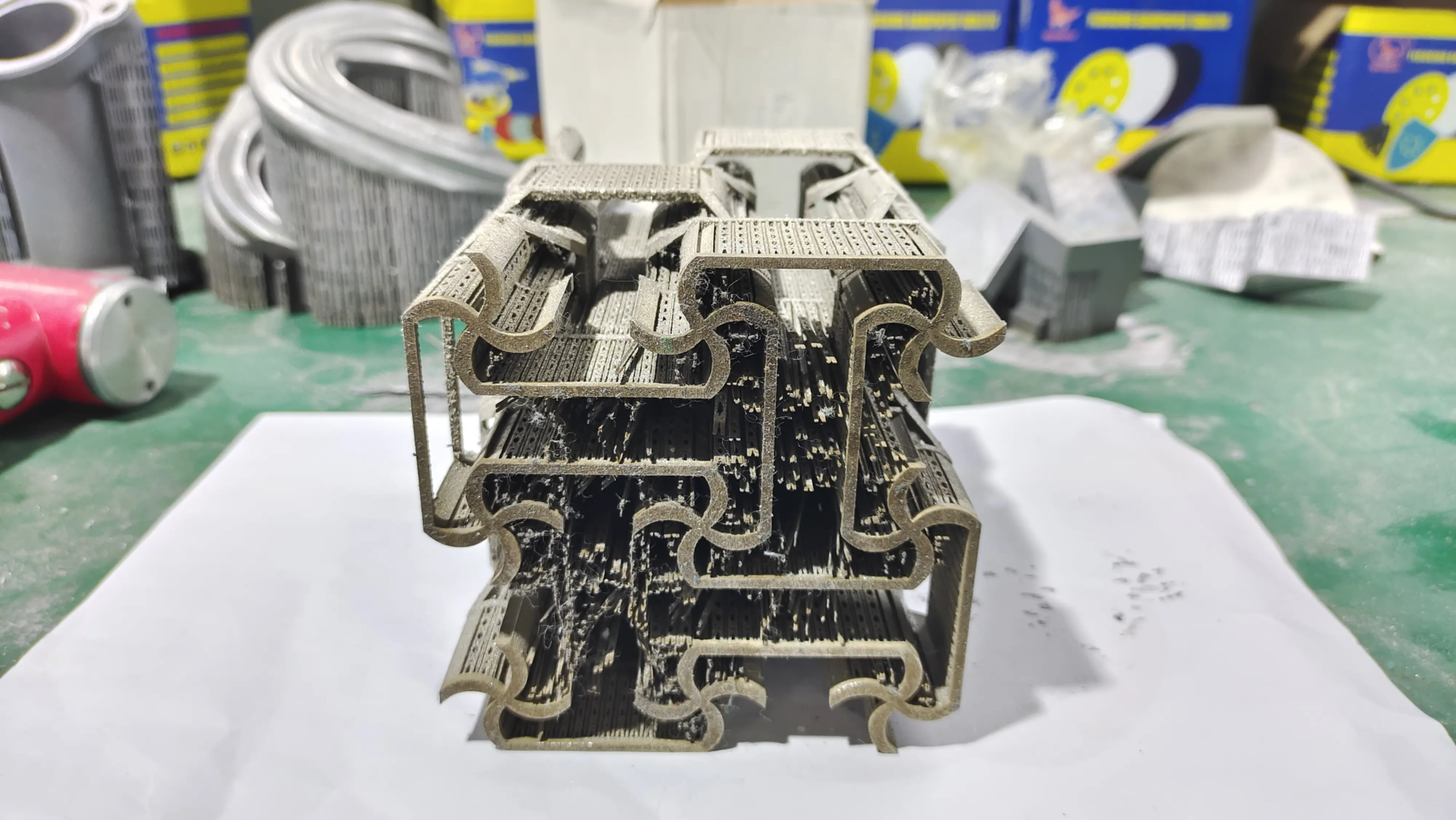
- Complexity factors: Metal printing requires advanced machinery and expertise. However, working with a professional rapid prototyping provider, e.g. huge light Making this advanced technology within reach. They provide the necessary design for manufacturability (DFM) checks to optimize your werewolf model for efficient and successful metal printing.
Step Five: Print Your Beast
- Frequency division multiplexing: Make sure the bed is perfectly level. Use an adhesion aid (glue stick, hairspray, printing board texture). Monitor the first few floors. Keep the filament dry!
- Resin: Make sure the resin tank membrane is intact and flat. Stir the resin thoroughly. Print in a well-ventilated area (Basic!) and wear nitrile gloves. After printing, clean carefully (>90%) with IPA.
- Metal: This requires the expertise of a service provider and industrial machinery, e.g. huge light. Submit your optimized STL for manufacturing.
Step 6: Post-processing—showing the wild beauty
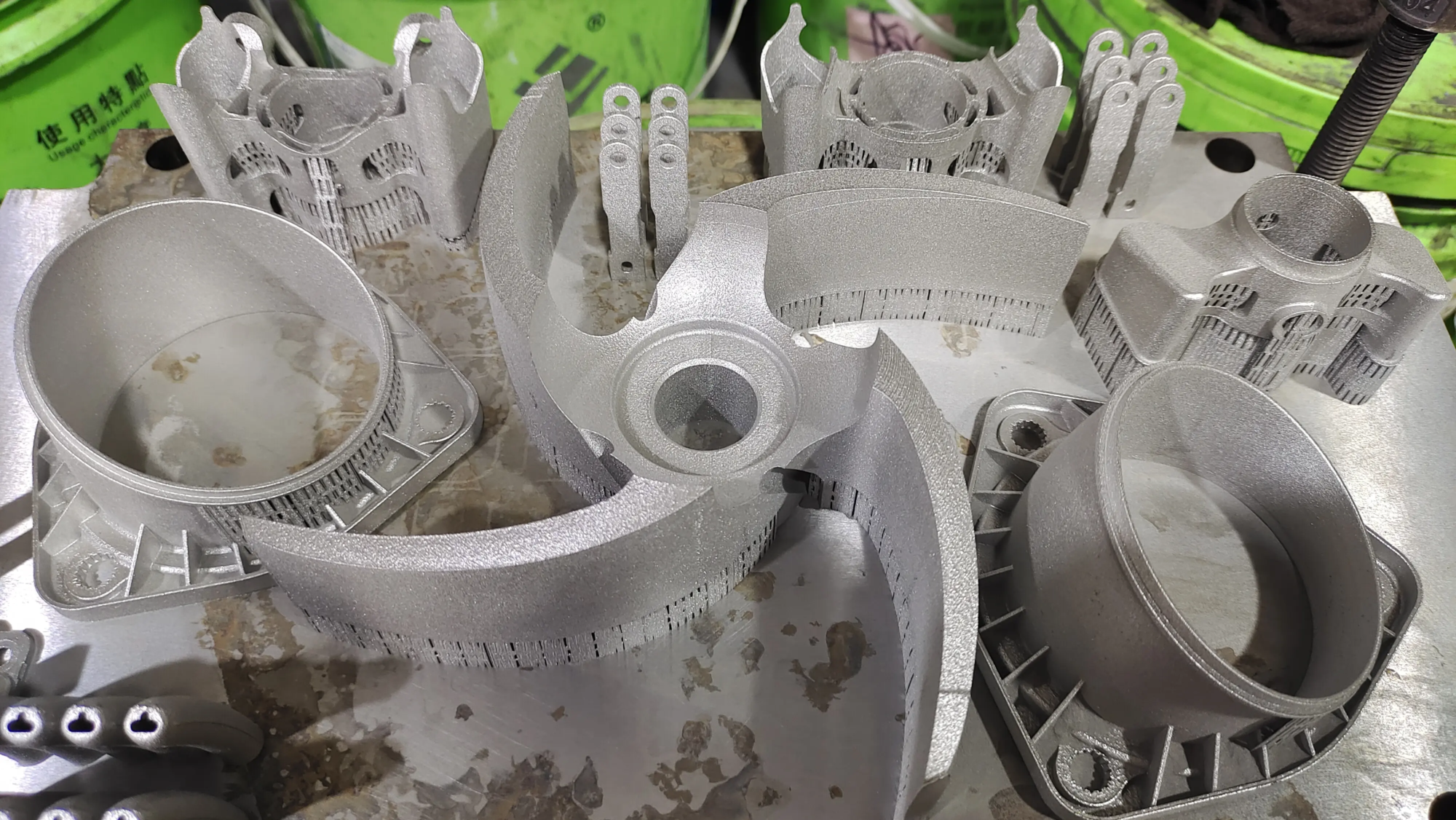
- Support removal: Clamp or gently pry the FDM supports apart. Carefully remove the resin supports – a flush cutter and a gentle twist work best. Metal brackets require specialized CNC milling/cutting post-processing.
- clean: Washable resin print Very Thoroughly (IPA wash + rinse). FDM and metal printing also benefit from cleaning.
- UV curing (resin): Cure completely according to manufacturer’s specifications. Rotate during curing to achieve uniform hardness. Protect from UV rays afterwards.
- Polishing: Essential for FDM printing and helps with resin registration lines. Start with a coarse grain size (around 200 mesh) to remove major artifacts, then gradually use finer grain sizes (up to 1000 mesh+) to achieve smoothness. A detail sanding stick/micro file is crucial.
- Primer: Use a gray or black spray primer designed for plastic or metal. This reveals imperfections in the final touch-up sanding and provides the perfect base for paint adhesion. Lots of light jackets! huge light Handle complex metal surface treatments such as polishing, shot blasting or applying protective coatings.
Step 7: Painting Tips – Make your werewolf come to life!
This is pure art:
- tool: Quality brushes (round, liner, dry brush), acrylic paints (Citadel, Vallejo, Scale75), palette, water bottle, brush cleaner.
- Primer: Fill in large areas with dominant fur/skin color.
- shadow: Apply diluted wash ink (Citadel Shades, such as Nuln Oil, Agrax Earthshade) into the crevices to define muscles and hair separations.
- Highlight: Dry brush the fur texture, muscle stripes, and claws with lighter tones to capture the details. Edge highlights reveal clear features. Layered blending creates smoother transitions.
- Detailed description: Eyes (start black, add white dots), teeth/claws (off-white/bone), wet blood effect, scars, accessories – enhance focus!
- seal: Protect your masterpiece with matte, satin or gloss varnish spray. Keep metal prints dry or seal with a specific protective wax/oil (if uncoated).
Step Eight: Reveal Your Lunar Predator
Protect your job! consider:
- floating shelves
- Display cabinet(Detolfs)
- For mini consoles: Magnetized base for safe transport.
Conclusion: From digital phantom to physical nightmare
Making a 3D printed werewolf statue was a very rewarding journey that combined digital art, technical execution and creative expression. From choosing a snarling design to meticulously painting every fur highlight, every step allows you to unleash your inner beast master. Whether you choose FDM’s approachable charm, ultra-detailed resin printing, or the ultimate pinnacle of craftsmanship offered by FDM High-precision metal printing Through expert partners such as huge lightThe basic principles of preparation, careful execution and artistic passion remain key.
By mastering model selection and understanding the nuances of materials