The Ultimate Guide to Creating a Custom 3D Printed AirPods Case: From Design to Durable Finish
Your AirPods are stylish, high-tech, and deeply personal, so why settle for a generic case? Advances in 3D printing technology now allow you to create custom phone cases that reflect your style or brand image. This guide will walk you through the design, printing, and completion of a professional-grade AirPods case, while highlighting industry innovations that elevate DIY projects.
Why 3D print your own AirPods case?
Customized exclusivity reigns supreme. Whether you want a textured grip, an integrated charm ring, or a company logo, 3D printing can turn sketches into tangible products. Beyond aesthetics, functionality is also outstanding: optimize the lid hinge for smooth operation, add anti-slip patterns, or include an extra slot for a SIM ejection tool. From an ecological perspective, printing only the material needed reduces plastic waste compared to mass production.
Design Basics: Precision is Important
Start with compatible technical specifications:
- size: AirPods cases are slightly different. Use digital calipers to capture the exact dimensions of your Pro (gens 1-3), AirPods 3, or AirPods Max headphones.
- CAD software: Use Fusion 360 (free for enthusiasts) or Blender. Refer to the open source templates on GrabCAD or Thingiverse.
- Basic features:
- A tolerance gap of 0.5–1.0 mm ensures comfortable cartridge insertion.
- Includes retention lip so earbuds stay in place when inverted.
- Reinforced hinge pins or magnetic closure prevent accidental opening.

Materials Showdown: Plastic vs. Metal
Choose filament/resin based on priority:
- People’s Liberation Army: Affordable, recyclable, and brightly colored. Great for prototyping. Disadvantages: deformation due to heat.
- Polyethylene glycol: Impact resistant, flexible; handles drops better than PLA.
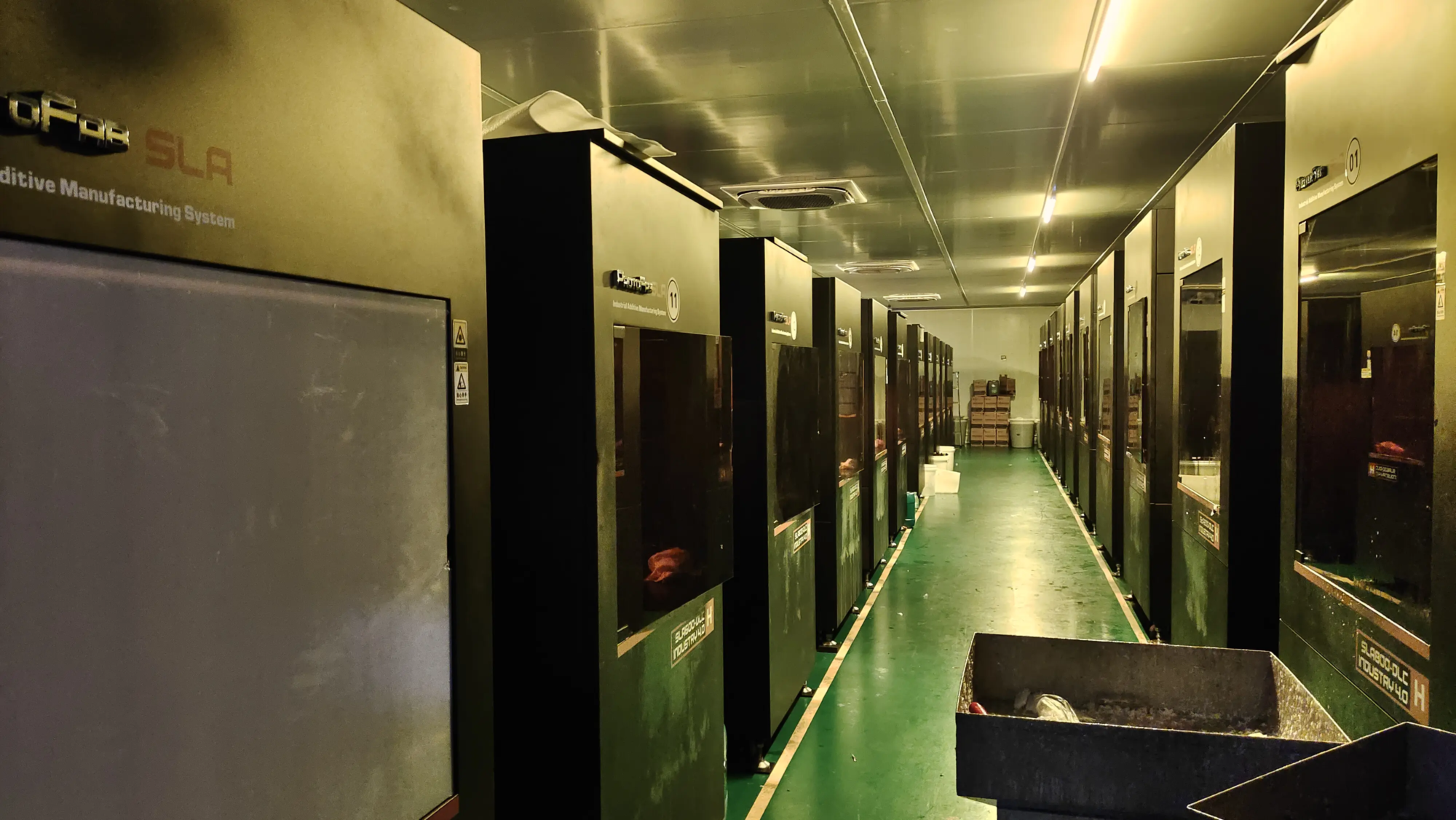
- Resin (SLA/DLP): Offering jewel-like details in intricate textures or translucent shades.
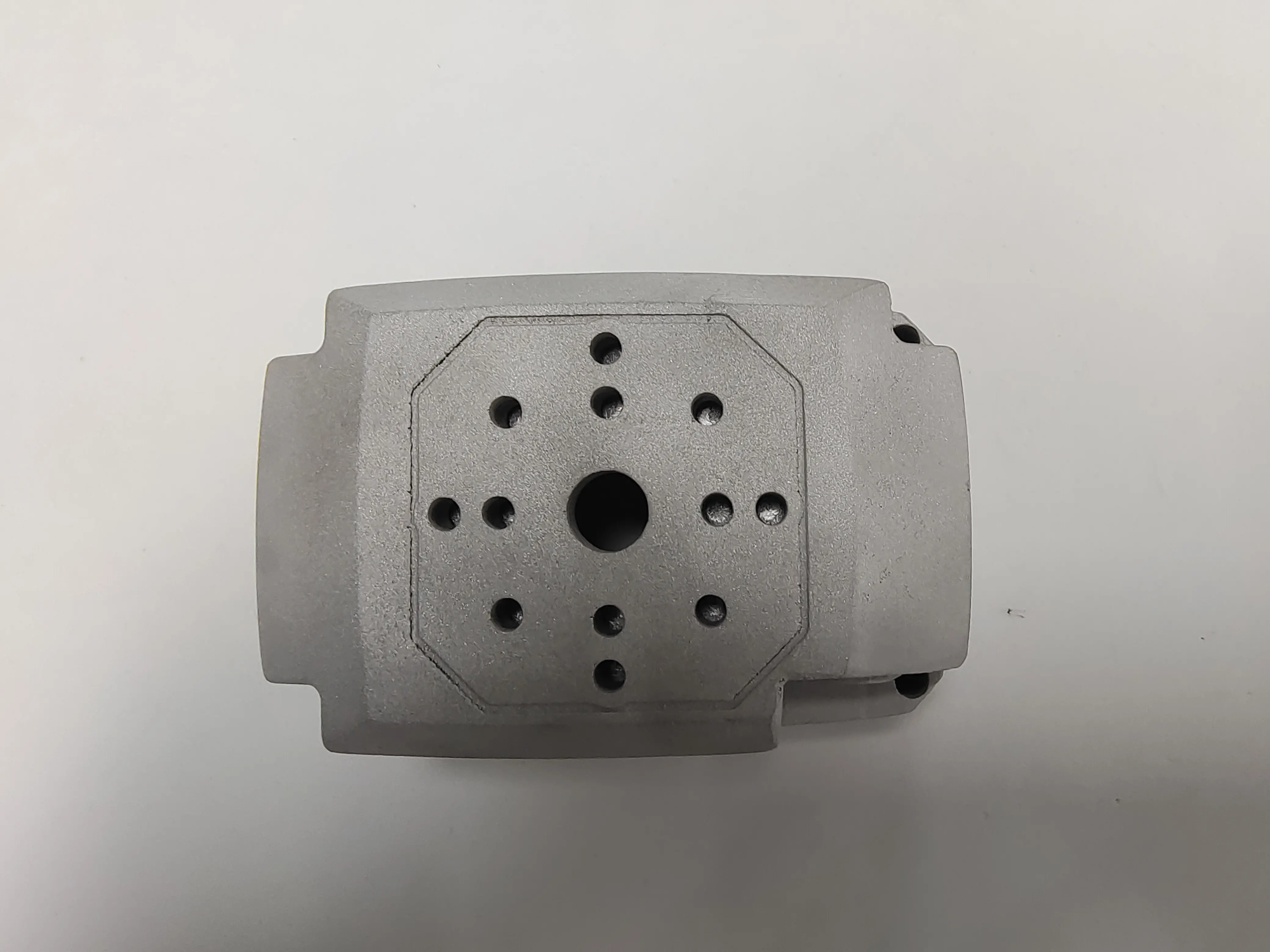
- (SLM/DMLS): Laser-sintered aluminum or titanium creates an ultra-thin, unbreakable shell. Perfect for luxury/commercial use. NOTE: An industrial printer is required.
Pro tip: TPU allows you to print flexible silicone-like sleeves that are great for shock absorption.
Preparing for printing: Slicer setup checklist
After exporting the STL file, optimize the slicer (Cura/PrusaSlicer) to improve reliability:
- Floor height: 0.15mm for smooth curves; 0.2mm for faster printing.
- filling: 20–30% hexagonal pattern balances strength and weight.
- support: Enable tree supports for overhangs (hinge areas).
- Print bed: Heat to wrinkle and emboss the pattern. Use a glue stick or PEI sheet to ensure adhesion of the bed.
After printing, gently remove the supports. Then sand (start with 120-grit sand and finish with 400-grit sand) to obtain a uniform surface.
Professional finishing technology xB:
Transform original prints into high-quality work:
- Primer: Apply filler primer, sand again, and repeat until layer lines disappear.
- painting: Spray multiple thin coats of acrylic. Sealed with UV resistant clear coat.
- Professional touch:
- plating: Bond nickel/copper to plastic for a metallic shine