introduce
The appeal of the Batman mask lies in its iconic blend of mystery and power, a symbol that resonates across comics, movies and cosplay. Through 3D printing, the Gotham Protector icon has transcended fiction and become a reality within reach for fans and creators. Gone are the days of expensive molded replicas—today, manufacturers utilize digital files and printers to create masks that fit their vision. This guide walks through the design, printing, assembly and finishing of the Batman mask, blending precision with artistry. As experts in rapid prototyping, huge light Highlights how specialized fabrication can enhance this creative journey – especially for those seeking complex geometries, industrial-strength metal structures or flawless finishes. Whether you’re a hobbyist or a business, let’s explore technology-driven craftsmanship together.
Make your mask: step by step
1. Design, procurement and customization
Start by selecting or sculpting your digital model. Files inspired by comic book classics (like Neal Adams’ stylish designs) or Christopher Nolan’s gritty realism are widely available on platforms like Thingiverse and Cults3D. For authenticity, priority is given to:
- facial ergonomics: Use tools like Blender to scale the model to match the wearer’s dimensions (avoid nose pressure, ensure eye alignment).
- segmentation: Large face masks are often printed in sections (chin, crown, back panel) to simplify manufacturing and reduce warping.
hint: Advanced users can sculpt unique elements, such as integrating micro-holes for ventilation or mounting LED components.
2. Material selection
Materials determine durability, comfort and aesthetics:
- People’s Liberation Army: Affordable and easy to print, but fragile – best for lightweight decorative props.
- ABS: Heat-resistant (essential for outdoor activities) and sandable; requires an enclosed printer.
- Resin (SLA/LCD): Captures the intricate texture of bat ears; still brittle when hardened after curing.
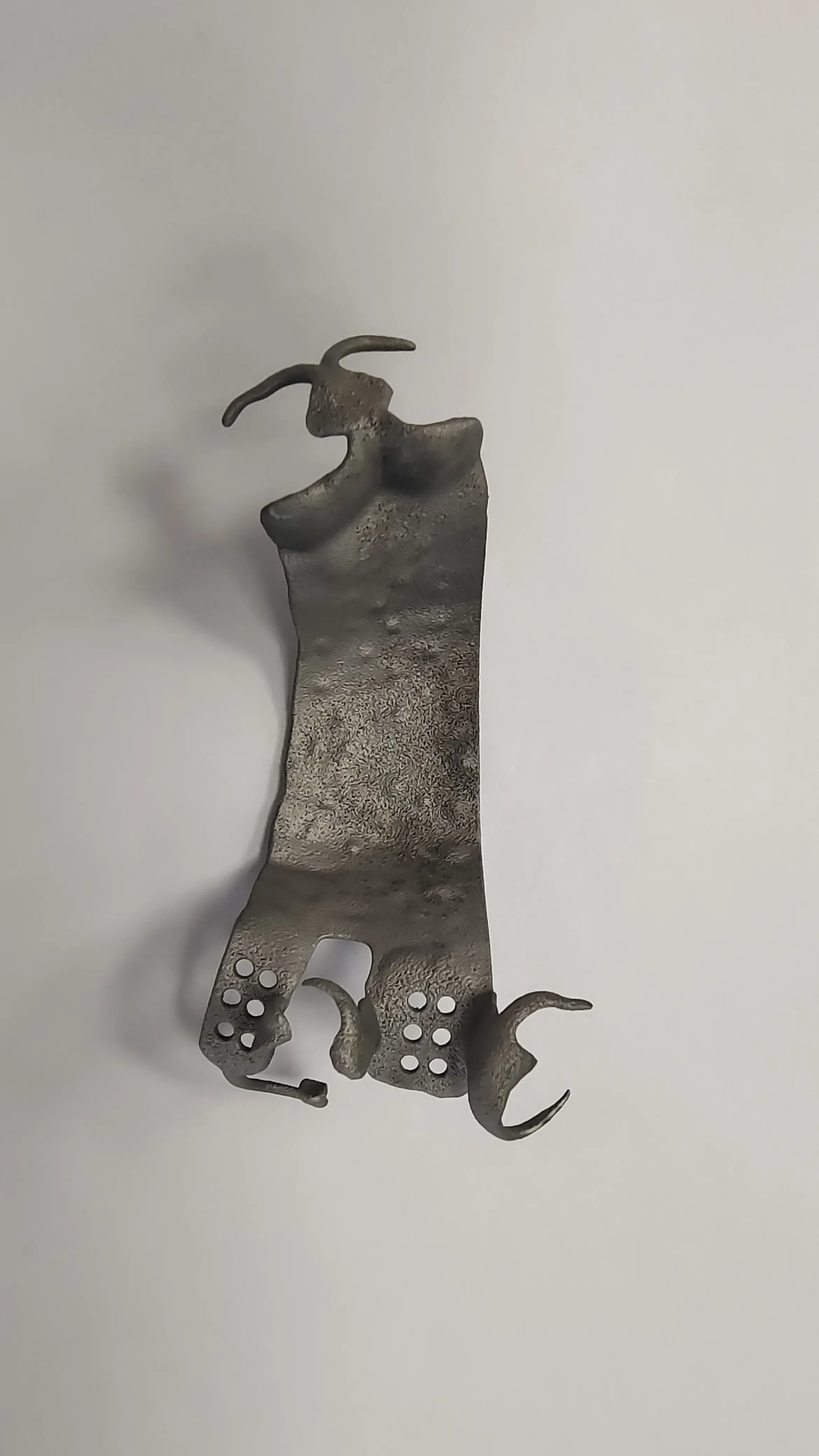
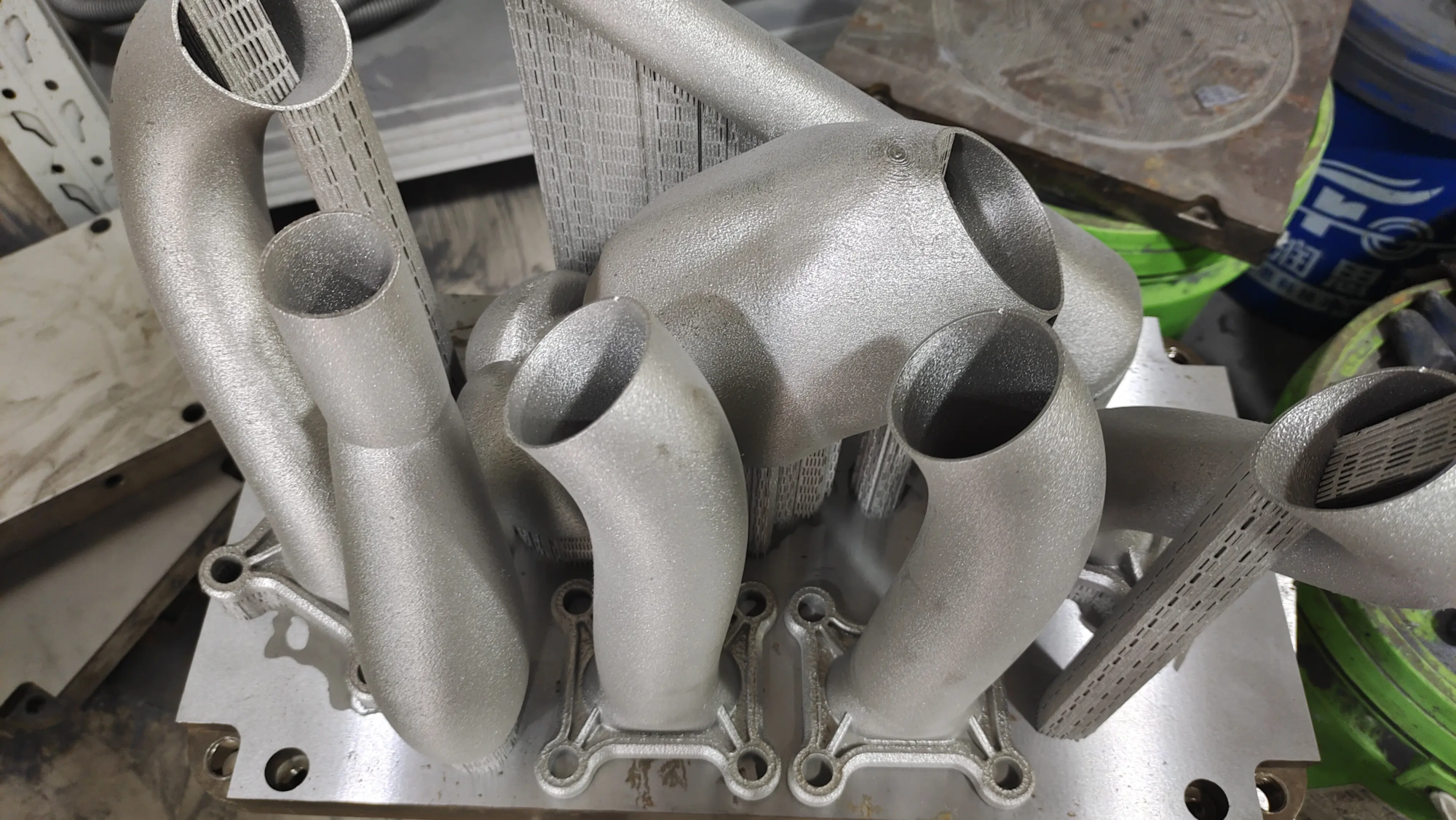
- Metal: When drama calls for brutal realism, metals like titanium (Via SLM/SLS) produces strong, functional parts. As experts in metal prototyping, huge light Use Selective Laser Melting (SLM) to create lightweight and indestructible components ideal for movie-quality props.
3. Print optimization
Mastering print settings ensures fidelity:
- layer resolution: Use 0.1 mm layer to create curved contour around cheeks and chin.
- support: Generate tree supports in Chitubox to preserve intricate nose details while minimizing scarring.
- filling: 15–20% gyro filler balances weight and elasticity.
4. Improve post-processing
Transform printed parts into polished artifacts:
- Sanding: Start with ABS/PLA coarse sand (120 grit) and gradually transition to wet sand (400–800 grit). The resin requires a fine-grained post-cure.
- Filler and primer: Apply automotive filler primer to sealer line; repeat sanding cycle until seamless.
- painting: Airbrush automotive paint for gradient cowl black; accent paneling with metallic highlights. Sealed with UV resistant clear coat.
Professional advantages: huge light Offering machining, polishing, anodizing and powder coating services to eliminate friction for creators looking for a museum-quality finish on a large scale.
5. Assembly and wear resistance
Assemble parts via embedded magnets or epoxy resin. Incorporate luxury style:
- eyepiece: Tinted polycarbonate lenses secured with thermoformed edges.
- filling: Add silicone foam lining around temples and secure with Velcro straps.
- strap system: Uses adjustable nylon straps riveted to side ear hooks.
in conclusion
Creating a Batman mask via 3D printing offers the freedom to blend tradition and innovation—from a resin-infused texture similar to the Batman: Arkham game to an SLM-forged metal visor reminiscent of Wayne Enterprises. While DIY techniques can help beginners, working with prototyping experts can unlock aerospace-grade precision and durability. huge light embodying this partnership, offering one-stop manufacturing: industrial SLM printers produce complex metal geometries, while ancillary services turn polymer prints into gallery-ready pieces. Whether you’re prototyping one design or mass-producing armor, invest in technology that redefines what’s possible. Gotham’s vigilantes deserve it!
FAQ: Uncovering the Making of Batman’s Mask
Q1: How long does it take to print a Batman mask?
- Times vary: Polymer masks such as PLA take 20-40 hours, depending on resolution. The metal variant takes 15-25 hours to print, but adds several days of post-processing (such as sandblasting).
Q2: Can I print LEDs with integrated eyes and other functional features?
- Absolutely! Plan the wiring enclosure during the design process. Professional partners like GreatLight use CNC tools for post-processing to achieve seamless circuit integration.
Q3: What is the cost difference between DIY and professional prototyping?
- Printer enthusiasts can save on out-of-pocket expenses ($20-$50 in materials costs). Professional service adds precision – SLM titanium costs $150-$300+ but ensures structural integrity and a luxurious finish.
Q4: Are 3D printed masks durable enough to be worn for a long time?
- Resin and PLA are suitable for display purposes. For all-day activities, mechanical nylon or GreatLight’s SLM metal can withstand weather/repetitive stress track testing.
Question 5: What are the obvious advantages of SLM printed metal parts?
- In addition to its strength-to-weight ratio advantages, SLM also creates a hollow arch beneath the earhook to reduce weight in combat—a revolution in role-playing ergonomics.
Question 6: How does GreatLight handle complex designs that cannot be achieved with fused deposition printers?
- Selective laser melting makes unsupported geometries impossible by extrusion – sharp angles, micro-hole vents or snap-in mechanisms emerge intact with micron-level laser precision.
Q7: Can I customize finishes with materials other than paint?
- Yes! GreatLight’s plating adds a chrome/gold finish to the metal. On resin, a textured powder coat creates a friction-resistant, functional skin feel.
Ready to prototype? Consciously driven businesses go beyond operational performance – expanding impact huge lighta fusion of aesthetics, acuity and agility. Explore now and accelerate development with custom metal 3D printing, post-processing processes and rapid scaling.
Just imagining is retrograde – activating the archetypes of tomorrow today.