The Ultimate Guide to 3D Printing Challenge Coins: Where Innovation Meets Tradition
Challenge coins have been a powerful symbol among military units, businesses, clubs and organizations for decades. These coins are traditionally made from metal by methods such as molding, and represent honor, membership, and achievement. today, 3D printing technology is revolutionizing this time-honored tradition, delivering unparalleled flexibility, speed and creative freedom. This guide takes a deep dive into the world of 3D printed challenge coins, exploring its processes, benefits, and how cutting-edge services can unlock possibilities once thought impossible.
Why 3D printing is changing the challenges of coin production
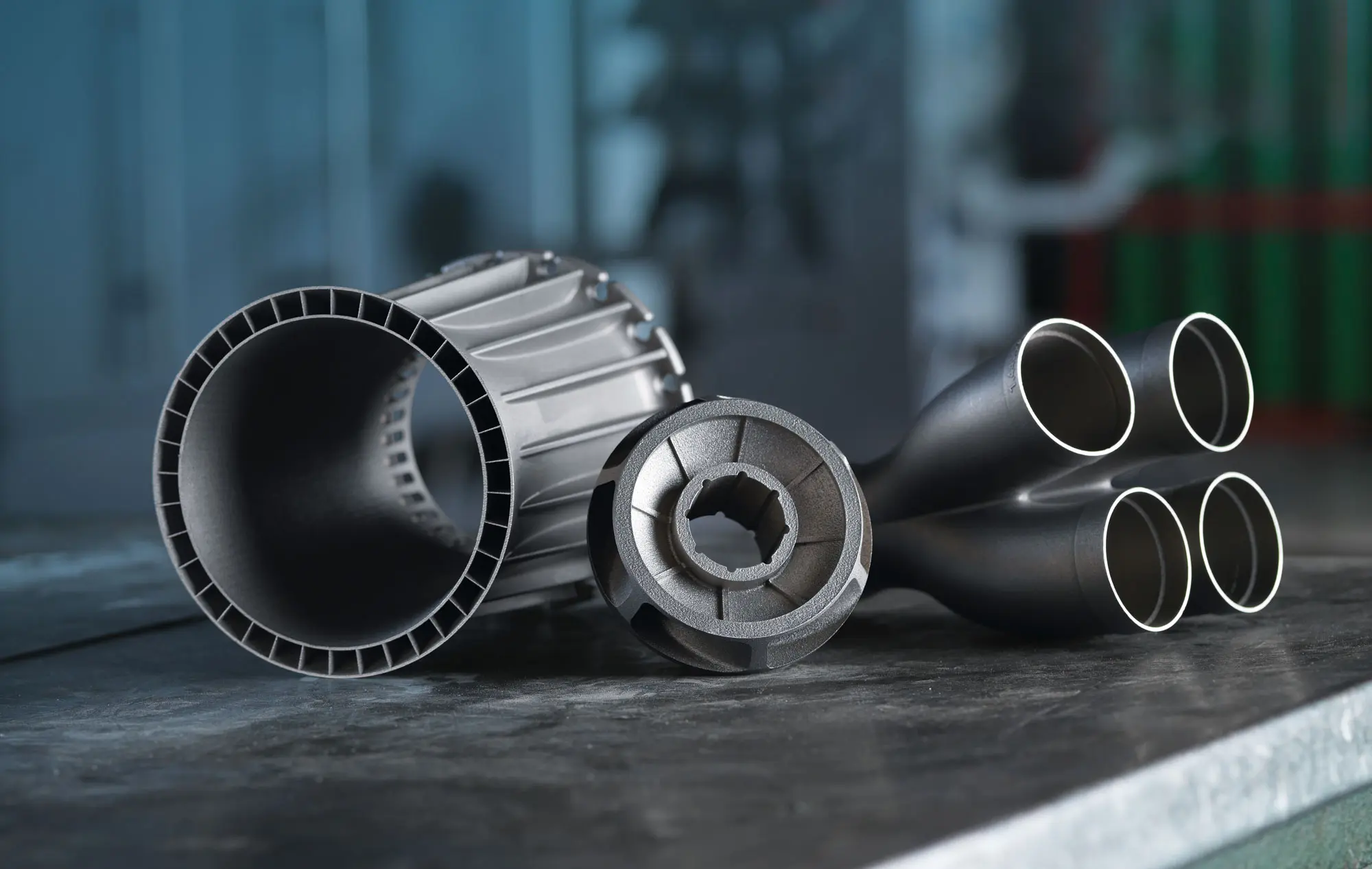
Traditional coin manufacturing relies on expensive molds and involves significant upfront costs and lead times. Need complex 3D relief? Unique shape? Intricate interior details? Traditional methods quickly ran into limitations. 3D printing, especially Selective Laser Melting (SLM) and other metal additive manufacturing technologies, break down these barriers:
- Unparalleled design freedom: Go beyond flat surfaces and simple signs. Create coins with complex 3D terrain, complex cutouts, hidden compartments, interlocking parts or sculptural elements. Implement designs that were previously impractical or prohibitively expensive.
- Rapid prototyping and iteration: Test designs quickly and affordably. Refine aesthetics, check ergonomics, evaluate carving depth, or create multiple variations without investing in new tools for each iteration. This agility is crucial to perfecting the final product.
- Short term customization: Just need some highly personalized coins? Or small batches for a specific campaign? 3D printing eliminates the need for large minimum order quantities associated with molds. It is financially feasible to produce unique coins for individuals or small groups.
- Faster start-up time: Production times can be significantly reduced compared to traditional mold making and stamping processes, especially for complex or custom designs.
- Multiple Materials Potential (Emerging): While monometallic coins are now the standard, processes such as multi-laser SLM are being explored to integrate multiple metals into a single printed coin, opening the door to achieving unique bi-metallic or even tri-metallic effects without the need for brazing or plating.
The Journey to 3D Printing Challenge Coin Production: Step by Step
Creating high-quality 3D printed challenge coins involves a meticulous process:
-
Design conceptualization and digital modeling:
- software: Designers use professional 3D CAD software (such as Fusion 360, SolidWorks, ZBrush for organic shapes) to transform concepts into detailed digital models (.STL files).
- Key considerations: Wall thickness (critical for printability and durability), minimum clearance of cuts/features, dimensional accuracy, expected surface finish (affects level of detail), and coin thickness/weight preference. Complex designs often benefit from expert consultation early in this phase.
- Detail level: Resolution matters. High-detail printing requires advanced printers and optimized parameters.
-
Material selection:
- Stainless steel (316L, 17-4 PH): Most popular due to excellent strength, corrosion resistance and economy. 17-4 PH has higher strength and can be heat treated.
- bronze: Offering the classic, warm aesthetic popular with traditional coins. Density is higher than steel.
- copper: Known for its beautiful red hue and excellent thermal conductivity.
- Titanium (Ti6Al4V): Premium Choice – Extremely strong and lightweight, highly corrosion-resistant and biocompatible. Offers unique aesthetic possibilities through different oxidized finishes.
- aluminum: Lightweight option for larger coins where weight may be an issue. Careful surface preparation is required for maximum durability.
- Special alloy: This is possible through advanced providers.
-
3D printing (Sl.M. – the gold standard in metals):
- Sustainability management process: Fine metal powders (selected alloys) are precisely spread into thin layers. A high-power laser selectively melts powder particles piece by piece based on a digital design, building the coin vertically. The process is carried out in a controlled inert gas atmosphere (argon, nitrogen) to prevent oxidation. SLM allows the creation of highly complex geometries (including internal supports).
-
Support removal and initial cleaning: Carefully remove the printed coin from the build plate. Complex designs often require temporary printed support structures to anchor overhanging features during the build process. Carefully remove these supports using special tools. Excess powder is completely removed.
- Key post-processing and finishing: This stage transforms the original printed components into shiny, durable coins:
- Heat treatment: Often crucial to relieve internal stresses during laser melting and achieve the required mechanical properties (strength, hardness) (especially for stainless steels such as 17-4 PH).
- Detailed description: Manual and CNC processes can perfect intricate details. Lines, letters and features that needed to be clearly defined were carefully cleaned up.
- Surface treatment: This defines the final look and feel of the coin. Options include:
- Machining/Grinding: Achieve flat, smooth surfaces.
- Shot Peening/Sandblasting (Sandblasting): Creates an even matte texture.
- roll: Use abrasive media to smooth edges and refine surfaces.
- polishing: Create a reflective mirror effect.
- Chemical finishing/rusting: Use on bronze or copper to enhance color or create an antique effect. Titanium oxide produces beautiful, vibrant colors.
- Metal plating: Add gold, silver, nickel, black nickel or black rhodium plating to stainless steel for aesthetics, corrosion resistance or color blocking.
- Paint/Epoxy Fill: Selectively add color to recessed areas (careful masking required).
- Laser Engraving/Etching: Add delicate text or surface patterns after printing for ultimate precision.
- Enamel (cloisonné): Apply colored enamel into surface grooves (requires compatible metal/design).
- Quality control: Strict dimensional and visual inspections ensure each coin meets specifications.
Why choose a professional provider like GreatLight?
Successful completion of this process requires specialized expertise and equipment. with dedicated partners rapid prototyping manufacturer Has obvious advantages:
- Advanced SLM technology: Using industrial-grade metal 3D printers, complex coins with excellent detail resolution and material properties can be produced.
- Materials Science Expertise: Learn the nuances of different metal powders and how printing parameters affect final performance and surface characteristics.
- Mastery of post-processing: Offering a full range of surface treatment options – from sand blasting to high polish mirror finishes, intricate plating (gold, silver, black nickel) and precision staining/engraving – all under one roof.
- Design for Additive Manufacturing (DfAM) Guide: Expert input can optimize your coin design from the start for printability, detail capture, durability, weight and cost-effectiveness.
- Quick turnaround: Utilizing additive manufacturing can significantly speed up production cycles compared to traditional tooling routes.
- Commitment to accuracy: Ensuring that dimensional accuracy, surface quality and structural integrity meet the highest standards for these emblematic objects.
Conclusion: Embracing the future of custom commemorations
3D printing isn’t just an alternative way to create challenge coins; It opens a new era of creative expression and practical advantages. It enables you to create coins that truly stand out – pushing the boundaries of design complexity, customization and detail resolution. Whether you need highly customized tokens for specialized units, rapid prototypes for design approval, or small batches of uniquely shaped commemorative items, metal 3D printing can meet your needs.
As a leading supplier Rapid prototyping services Focus on advanced metal additive manufacturing, huge light Have the technology, expertise and processing capabilities needed to turn your challenge coin vision into a tangible reality. Our mastery of the SLM process and comprehensive one-stop post-processing ensure superior quality, durability and stunning beauty.
Ready to design a challenge coin that’s as unique as the achievement it represents? Explore the potential of 3D printing and experience a modern tradition driven by innovation.
Frequently Asked Questions (FAQ) about 3D Printing Challenge Coins
-
Are 3D printed coins as durable as traditionally manufactured coins?
- Yes, absolutely. Printing with materials such as stainless steel (316L, 17-4 PH), titanium or bronze using the SLM process produces fully dense metal parts. After proper printing and post-processing (especially heat treating the steel), they have mechanical properties equal to or better than those of the minted metals used in traditional coins. Their durability and longevity are outstanding.
-
What resolution/detail can be achieved with 3D printing?
- Industrial SLM printers can achieve exceptional detail resolution, often down to a few tenths of a millimeter for features such as fine text and complex patterns. Highly complex 3D reliefs and subtle textures are achievable, beyond the capabilities of most traditional stamping. The details of what is achievable depend on printer capabilities, material selection and expert parameter optimization.
- **how