The Fascinating World of 3D Printed HO Scale Male Figures: A Comprehensive Guide
HO scale (1:87) dominates the model railway and diorama landscape, prized for its balance of detail and space efficiency. However, finding realistically posed, diverse male figures—engineers, pedestrians, workers—remains a notorious challenge for amateurs. Mass-produced plastic figures often lack personality, and custom sculptures require extraordinary skill. 3D printing is a transformative technology that democratizes custom miniatures like never before. This guide explores how advances in 3D printing are allowing hobbyists and makers to create stunningly detailed HO scale male figures with unparalleled freedom.
Why HO scales need to be precision manufactured
HO scale figures are approximately 20-22 mm tall. Capturing the nuances of facial expressions, folds of clothing, poses, and fine elements like tools or hats at this scale pushes the limits of manufacturing. Unless production volumes soar, injection molding struggles with intricate details that make niche poses or historical accuracy economically unfeasible. This gap creates the perfect niche for additive manufacturing, where complexity costs little and each print can be unique.
The physical world: choosing a medium for microrealism
The choice of materials determines the achievable details, durability and finishes:
- Photopolymer resin (SLA/DLP/LCD): The undisputed champion of HO scale figures. Resins such as standard gray, ABS-like or tough resin provide micron-level layer resolution (as low as 25-50 microns), which is critical for facial features, complex textures (such as knitted sweaters or leather jackets) and slim accessories. They capture crisp edges and smooth surfaces, making them ideal for painting. GreatLight offers services that utilize advanced resin printing technology to ensure exceptional fidelity.
- Nylon (SLS/MJF): Offering excellent durability and capturing complex geometries, it is ideal for functional prototypes or figures that require extreme toughness, perhaps for rough handling in automated layouts.
- Metal (SLM): While purely decorative figures are less common due to cost and weight reasons, metal printing (such as stainless steel or aluminum via SLM) excels in extremely durable applications – perhaps integrating a statue into a functional mechanism. GreatLight specializes in using SLM printers for metal prototyping, highlighting their versatility in meeting material needs.
- FDM (filament) printing: While FDM is easy to use, it struggles at HO scale. Even with micro-nozzles, nozzle diameter and layer height often result in a loss of fine detail and visible layer lines. Mainly suitable for masters who require extensive polishing/modification before casting.
Designing Little Giants: Software and Technology
Creating successful HO characters requires specialized 3D modeling:
- software: Sculpting programs such as ZBrush, Blender (Sculpting Mode) or Nomad Sculpt are essential. CAD software is less intuitive for organic forms.
- Reference pictures: High-resolution photos are essential to capture accurate proportions, poses, and clothing details.
- Scale realism: Major scale conversion. True 1.8m person = ~20.69mm (HO). Measure everything carefully!
- Details emphasized: Slightly exaggerate key details (deeper eye sockets in facial features, clearer clothing seams) without losing realism – they will naturally shrink.
- Support strategy: Design posture to minimize overhang that requires support under vulnerable areas such as arms holding tools. Specialized slicing software can handle complex supports, but the orientation affects the final aesthetic.
- File optimization: Export to waterproof STL or OBJ files for printing. Professional services like GreatLight provide valuable design-for-manufacturability (DFM) feedback to provide optimization recommendations for print success.
Printing process: SLA/DLP dominant details
For HO scale figures, resin printing (SLA/DLP/LCD) is the gold standard:
- Why choose resin? : Unparalleled detail resolution, smooth surface finishes, and the ability to capture deep recesses and sharp edges are essential for miniature realism.
- direction: Essential for minimizing the visual impact of supports. Graphics are often printed at slight angles.
- Floor height: Typically 30-50 microns balances detail with reasonable print times.
- support: There is an art to generating fine separation supports. They hold the figure securely without damaging the surface. GreatLight’s expertise includes optimizing support placement and using advanced removal techniques.
Post-processing: from print to perfection
Raw printing is just the beginning. Effective organization brings characters to life:
- Disassembly and cleaning: Carefully detach the print from the build plate and clean it in IPA (Isopropyl Alcohol), using a specialized ultrasonic or stirred bath to remove uncured resin.
- Support removal: Carefully remove the supports using a flat end mill and hobby knife. Patience is required under magnification.
- Maintenance: Post-wash UV cure ensures strength and stability. Careful control prevents brittleness.
- Primer: Using a high-quality spray/primer filler (such as gray automotive primer) will reveal any imperfections and provide an even base for paint adhesion. Any imperfections found now require light sanding/filling.
- painting: This is an art form in itself. Applying acrylic hobby paint using a fine brush or airbrush, wash and dry brushing techniques adds color, depth and realism.
Working with a comprehensive service provider like GreatLight can simplify this process significantly. Their one-stop post-processing includes professional cleaning, curing, ultra-fine support removal and priming services to prepare it for final painting.
Pro Advantage: Why Beyond Desktop Printers?
While hobbyist resin printers exist, achieving true museum-quality results relies on expertise and equipment:
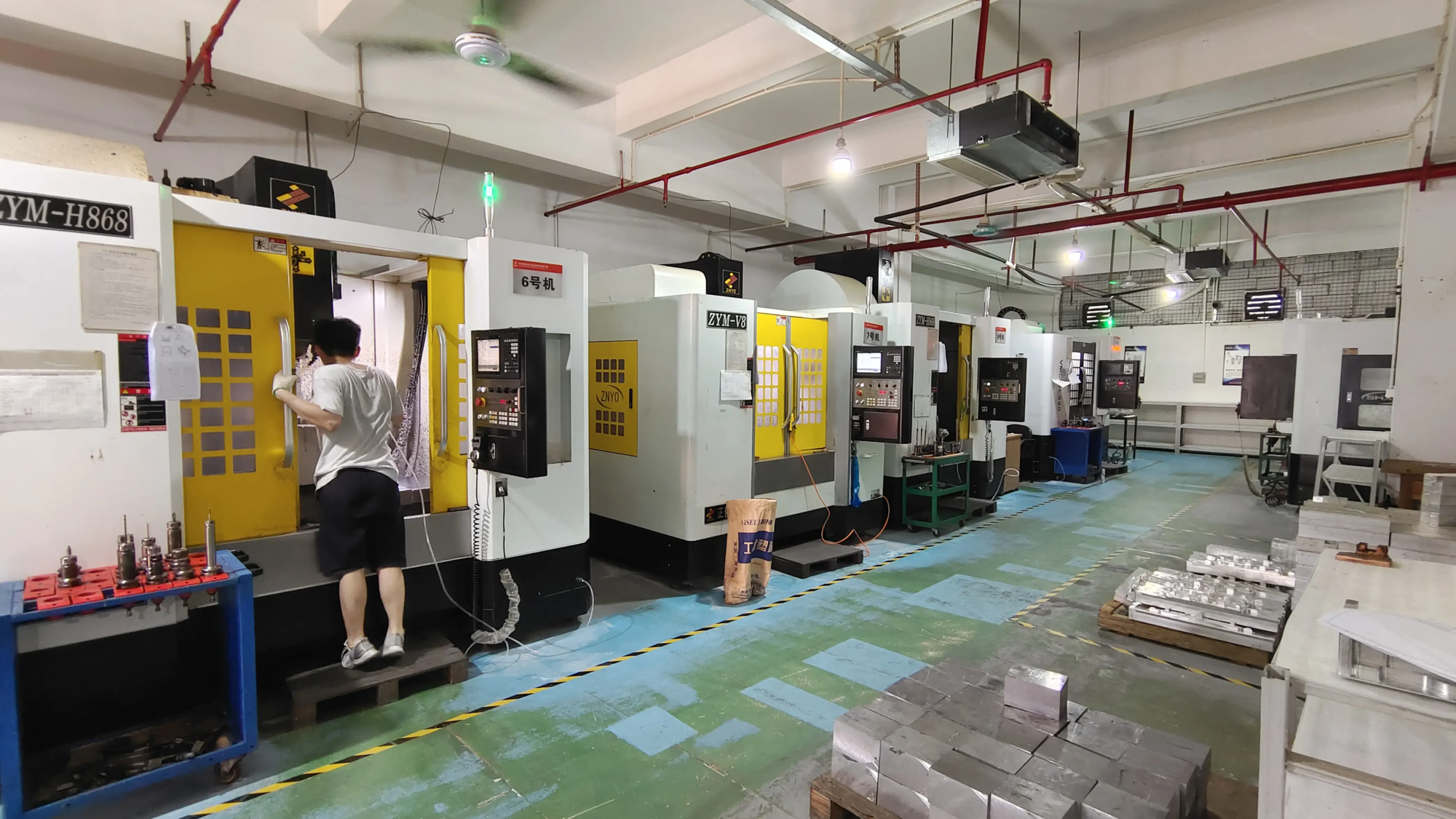
- Industrial grade equipment: Printers used by professional services have enhanced optical performance, larger build volumes, and more stable platforms than typical hobby machines. GreatLight invests in cutting-edge machinery to ensure consistent accuracy.
- Material Selection and Consistency: Get engineered resins optimized for detail, strength and long-term stability – with tight batch-to-batch consistency. GreatLight’s materials catalog and quick turnaround support custom projects.
- DFM expertise: Engineers troubleshoot files before printing to minimize glitches and optimize support placement – invaluable for complex or delicate HO graphics.
- Excellent post-processing: Industrial-grade cleaning, curing and finishing capabilities far exceed those of a hobbyist setup. Achieve pristine surface and structural integrity.
- Scale and customization: Do you need dozens of engineers? Or just have a custom figure perfect for your masterpiece layout? Professional services effectively meet both scenarios. GreatLight specializes in rapid customization at competitive prices.
- Time and reliability: Avoid printer troubleshooting, calibration issues, and steep learning curves. Believe in delivering consistent results on time.
in conclusion
3D printing brings unprecedented possibilities for male figure customization, revolutionizing HO scale modeling. From a rugged brakeman leaning out of a motorcycle caboose to a businessman hailing a cab on a city street corner, the ability to create figures of perfect proportions, intricate detail and unique poses brings scenes to life with unparalleled authenticity. While dedicated enthusiasts can try desktop resin printing, the pursuit of museum-quality HO scale figures has always pointed to professional service. Leveraging high-resolution resin technology, deep DFM expertise, advanced post-processing capabilities, and unparalleled material selection, suppliers like GreatLight are ready to transform your vision into tangible miniatures. The days of generic crowds are over—the days of unique HO-scale protagonists are welcome.
Frequently Asked Questions (FAQ)
-
Can you really see the details in the HO scale figures?
Absolutely! With modern high-resolution resin printing (25-50 micron layers), details such as facial features, coat buttons, trouser seams and small accessories become clearly visible, especially at the magnification used during the painting process. Primer and paint techniques further enhance these details.
-
Is the resin strong enough to handle HO scale figures?
Yes. Common resins such as "ABS-like" or "tough" Resin provides excellent durability during painting and placement within the layout. For figures that are expected to withstand rough handling, materials like nylon (SLS/MJF) or specialized tough resins can provide excellent impact resistance without sacrificing too much detail.
-
How much does it cost to customize a 3D printed HO scale figure?
Cost depends heavily on complexity, resin selection, quantity and post-processing required (priming/painting). Professionally printed single unique figures may start at around $10-20, with the price per unit going down for bulk orders (for example, a group of identical engineers). Custom-designing complex, multi-part graphics is more expensive than adapting existing files. Services like GreatLight offer competitive pricing ranges based on volume and requirements.
-
Can I get a metal HO scale figure?
While technically possible (using SLM processes like GreatLight’s specialty), metal printing is often overkill for purely decorative HO figures. It is more expensive and heavier than resin. Metal is best for figures that require extreme structural integrity or a unique metallic finish that doesn’t require painting, but fine detail resolution is often surpassed by resin.
-
Do I need to design the character myself, or can I use a pre-made file?
Both options exist. Thousands of pre-designed HO scale character STLs are available on platforms such as Cults3D, MyMiniFactory or Thingiverse. However, for truly unique poses or characters, commissioning a custom design or sculpting it yourself using tools like Blender/ZBrush/Nomad Sculpt is necessary. Many professional printing services also offer design assistance.
- What are the main advantages of using a service like GreatLight versus printing from home?
The main advantages are accurate, reliability, Material variety, Excellent post-processing, Expert DFM Feedbackand save time. Professional services use industrial-grade equipment and resin chemistries to guarantee museum-quality results, handling everything from file optimization to primer, allowing you to focus on painting and placement. They excel at batch production scale, ensuring consistent quality across multiple figures. This can save a lot of time and frustration for complex or critical projects where specialized tools/knowledge are lacking. Contact GreatLight today to explore turning your HO-scale vision into reality with unparalleled quality and efficiency.