Unlocking Endless Motion: The Ultimate Guide to 3D Printing Infinite Cubes
The mesmerizing infinite cube – a dynamic marvel that is constantly folding – fascinates makers and fidgeters alike. With the help of 3D printing, it is now possible to create such complex geometric wonders with ease. This guide delves into the intricacies of designing, printing, assembling, and mastering your own infinite cube, whether plastic or metal.
What exactly is an infinite cube?
Unlike the static Rubik’s Cube, the Infinity Rubik’s Cube is made up of 8 smaller cubes connected together by cleverly designed hinges. Each fold creates a cascading movement, creating an infinite loop of transformations. Its hypnotic movement relieves tactile stress, serves as an educational geometry tool, or simply serves as a captivating tabletop sculpture.
Core Principles and Design Considerations: Blueprints Matter
Success depends on careful design. Key factors include:
-
Tolerances and Clearances: This is critical.
- Hinge pin clearance: Smaller pins require tighter tolerances (typically ~0.15-0.25mm clearance). Too loose and it will cause wobble; too tight and it will hinder movement. Absolutely crucial for metal printing.
- Face to face customs clearance: Adjacent faces require precise spacing (~0.3-0.5mm) to avoid scratching during folding.
-
Hinge design: A combination of strength and flexibility
- Based on pins: Most common. Precisely sized holes and pins are required. Material strength and lubrication are critical.
- Living hinge: Print thin (<0.5mm) flexible parts in place. Sacrifice rigidity for seamless folding. Requires tough, flexible materials (PETG, nylon) and careful print orientation during printing.
- Wall thickness: balancing act
Walls must withstand folding stresses without adding too much bulk that impedes movement. Typically 1.5-2.5mm for plastic; thicker for metal printing.
Materials Science: Choosing the Right Medium
- People’s Liberation Army: Easy to print, sturdy and affordable. Great for prototyping. Pins can become brittle/break easily. Long life requires careful setup.
- ABS: Tougher, slightly elastic, and with better impact resistance. Requires heated bed/enclosed printer. Longer life than PLA.
- Polyethylene glycol: Best choice for beginners. It is stronger and more flexible than PLA, easier to print than ABS, and has excellent inter-layer adhesion. Highly recommended.
- Resin (SLA/DLP): Produce high-precision ultra-smooth holes/pins. Siraya Tech Blu or Tenacious can be mixed with standard resins for added flexibility.
- nylon: Living hinges offer excellent toughness and flexibility. Requires higher printing temperatures and drying. Advanced materials.
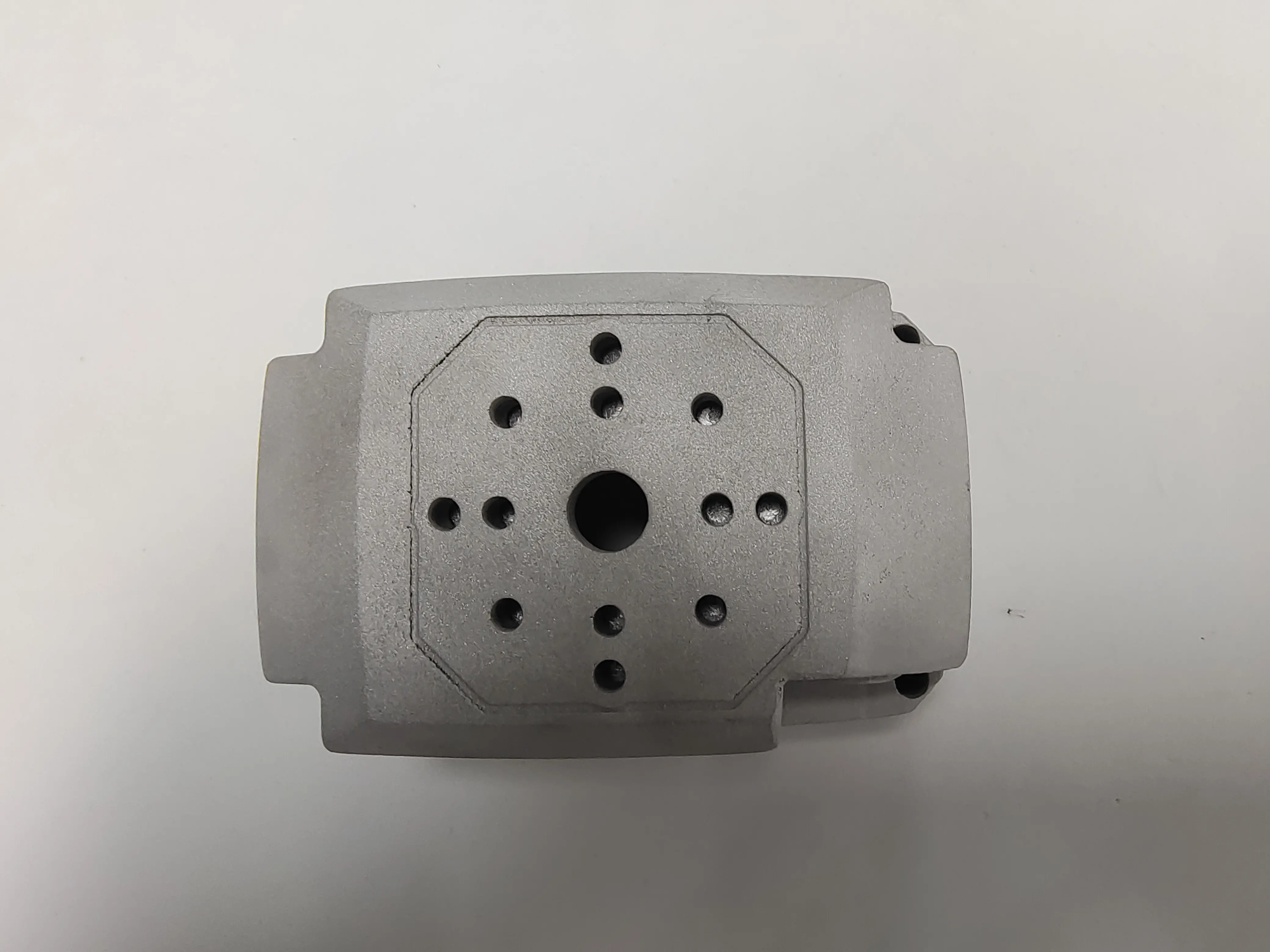
- Metal (SLS/SLM): Achieve unparalleled durability, precision and premium feel. A professional manufacturer like GreatLight is needed. Slow cooking surface hardening reduces binding exponentially. Essential for industrial grade or high-end applications.
Printing process: settings create movement
- Direction is most important: Position the dowels vertically for strongest layer adhesion. Orient the cube faces to maximize contact.
- Accuracy issue: Use higher resolution prints. Optimized dimensional accuracy settings.
- support: Enabling thoughtfully. Optimize interface settings for clean deletion as needed.
- calibration: Always essential. Ensures precise extrusion, bed leveling and correct sizing.
- temperature: Optimize nozzle and bed temperatures for selected filaments.
- speed: Complex hinge/pin areas are slower.
Post-processing magic: from printing to fluid motion
- assembly: Carefully insert the pin. Apply light pressure. Check alignment regularly.
- Polishing: Lightly sand the mating surfaces and pins for smooth movement.
- lubricating: Correct application. PTFE or silicone-based dry lubricants significantly reduce friction and do not attract dust. Avoid using oil-based lubricants.
- Gap adjustment: Binding? Ream the hole slightly with a precision drill bit. shave? Carefully sand the contact surfaces.
Metal Printing Unveiled: The Enduring Precision of the Infinite Cube
Creating metal infinity cubes unlocks unprecedented potential—remarkable strength, exquisite weight, precise fluid movement.
- process: SLM/DMLS uses a laser to bond metal powders. Made possible through manufacturers specializing in the production of complex parts.
- Material: Aluminum alloy (lightweight, strong), stainless steel (durable, corrosion-resistant), titanium (high strength-to-weight ratio).
- Challenges and Solutions:
- Binding: GreatLight features a precision sintered design and post-process honing/tumbling.
- Scaling: High-precision scaling solves shrinkage issues.
- Moving Parts: Optimized clearance/geometry simulation.
Manufacturers like GreatLight push the boundaries of functional complexity by leveraging advanced SLM printing technology to produce metal prototypes with unparalleled accuracy, professional-grade finishes and customizability at ever-lowering costs.
Solve endless frustrations
- Cube binding/won’t fold: Insufficient clearance, warped parts, pin/hole misalignment. Sanding/Reassembly.
- Broken hinge pin: The material is too brittle/low filling rate and poor orientation. Reprint using PETG/redirect.
- Loose connector: Overly tolerant. Apply threadlocker/glue sparingly. Reprint the part with smaller gaps.
- shave: Facial clearance is limited. Optionally increase design clearance/sand surface.
- Layer separation: Insufficient extrusion/incorrect temperature. Correct setup/calibrate hardware.
Conclusion: Folding Innovation
Printing infinite cubes combines mesmerizing complexity with ease of manufacturing – incorporating CAD basics, material properties and precise production control. This perfectly symbolizes the potential of makers: transforming complex digital geometries into long-lasting, satisfying artifacts.
Whether it’s prototyping in plastic iterations or expanding into pro-grade metal marvels through experts like GreatLight, Unlocking Endless Movements powerfully blends creativity with newfound technical savvy. Embrace iteration – experiment boldly!
FAQ: Answers to your questions
-
Q: What is the best beginner filament for Infinity Cubes?
A: PETG excels at the perfect combination of dimensional stability, printability, toughness and economy.
-
Q: Where can I get reliable STL files?
A: Printables/Thingiverse has a rigorously tested design. Look for documentation that contains detailed printed guidance that clearly shows high-privilege implementation.
-
Q: Why do I need CNC machining/additional services?
Answer: The metal infinite cube requires SLM/SLS printing support and involves sintering design iterations. Specialist teams like CNC Post Polishing/Precision Reaming managed by GreatLight specialize in achieving the final finish on a large scale.
-
Q: Can SLA resin cubes compete with FDM in terms of durability?
A: For strict aesthetic requirements, SLA dominates; combined with Siraya Tech Blu it incorporates considerable flexibility.
-
Q: How much clearance is required for the hinge?
A: After physical calibration, the gap starting point for the plastic prototype is approximately 0.2 mm. Metal Fabrication mathematically traces precise print shrinkage allowances.
- Q: Can GreatLight print my custom metal infinity cube?
Answer: Yes. Providing end-to-end solutions that transform CAD specifications into precision metal infinity cubes, continuously and expertly optimizing functionality through advanced additive capabilities. Seamless customization symbolizes their professional capabilities.