Unleash your creativity: The ultimate guide to 3D printing your own iPhone 13 case
In an age of mass-produced plastic phone cases, standing out requires personalization and innovation. What if you could design a case as unique as your fingerprint? Or make one from a stronger and more unique material than standard plastic? Enter the exciting world of 3D printing – a technology that transforms customization possibilities. For iPhone 13 owners looking for more than just off-the-shelf protection, 3D printing offers unparalleled freedom. When precision, superior materials and flawless finishes matter, leveraging expertise like GreatLight’s is critical.
Why choose 3D printing for your iPhone 13 case?
- Unparalleled customization: Go beyond mere color. Integrated monograms, intricate patterns, ergonomic grips, topological designs, functional stands (for wallets, tripods), and even interiors optimized for heat dissipation. Design something that is truly yours.
- Material properties: Escape from flimsy plastic. Choose a strong engineering-grade thermoplastic such as nylon (PA12, PA6) or PC (polycarbonate) for impact resistance. Or explore the premium realm of metals like stainless steel 316L or aluminum alloys with technologies like Selective Laser Melting (SLM), delivering unparalleled strength and a unique feel.
- Precision fit and protection: The perfectly modeled 3D printed housing ensures precise alignment of ports and buttons. Lessons learned from rapid prototyping allow shock-absorbing mesh or thickened corners to be incorporated into the design without adding bulk, maximizing drop protection.
- Sustainability: Compared to traditional mass manufacturing methods, 3D printing only prints what you need on demand, often resulting in less material waste. Choosing recycled filament, such as recycled PETG, can further reduce your environmental impact.
Materials matter: Choose the right material for your iPhone 13 case
Your phone case goes through daily wear and tear—drops, bumps, scratches, and oil and grease from your hands. Material selection is crucial:
- PLA (polylactic acid):
- advantage: Biodegradable (under industrial conditions), easy to print, wide color range and low cost.
- shortcoming: Poor heat resistance (may deform in a hot car), brittle in impact resistance, and will degrade when exposed to UV rays for extended periods of time outdoors.
- Best for: Decorative boxes, low impact environment, prototyping before using stronger materials.
- PETG (ethylene glycol modified PET):
- advantage: The perfect balance of strength, flexibility and impact resistance. Essential for absorbing water droplets. Good chemical and UV resistance. Excellent interlayer adhesion. Food safety (but that has nothing to do with the situation!).
- shortcoming: Clean printing is more challenging than PLA. May draw string easily.
- Best for: Highly recommended for a durable, practical, everyday driver’s box.
- TPU/flexible filament (TPU, TPE):
- advantage: Rubber-like flexibility, excellent shock absorption performance ("bumper"), scratch-resistant surface feel, and grippy texture to prevent falls.
- shortcoming: Flexographic printing is trickier; it requires a carefully tuned printer. If the setup is not ideal, surface defects may occur. Typically opaque finish.
- Best for: The case prioritizes maximum drop protection and grip.
- Advanced engineering thermoplastics (nylon PA11/12, PC/polycarbonate):
- advantage: It has outstanding toughness, high impact strength, excellent temperature resistance and good fatigue strength. Professional grade durability. PA12 is especially known for its strength and slight flexibility.
- shortcoming: Due to high printing temperatures and complex material handling, professional grade printers (SLS – Selective Laser Sintering) and industrial expertise are required. The cost is higher.
- Best for: Situations requiring maximum robustness or specific technical performance.
- Metal alloy (stainless steel 316L, titanium Ti6Al4V, aluminum AlSi10Mg):
- advantage: Unparalleled premium feel, superior strength-to-weight ratio, heat dissipation, corrosion resistance and incredible scratch resistance. Create a declaration fragment. SLM (Selective Laser Melting) technology is required.
- shortcoming: Cost and delivery time are significantly higher than plastic. Adds noticeable weight. Professional metal printing services and extensive post-processing are required. Thermal conductivity may be high/cold to the touch.
- Best for: The ultimate in luxury, durability and a unique high-end aesthetic. Professional services like GreatLight are needed.
Key design considerations for 3D printing cases
A success story is more than just looks:
- Precision dimensioning: Absolutely key! Obtain or design an accurate digital model of the iPhone 13 chassis. Consider changes like diagonal dual camera bump size. There are a large number of standard STL files available online – carefully verify their accuracy. The inner surface is offset by 0.5-1.5mm to allow clearance.
- Wall thickness: The goal is minimum thickness: Plastic SLS/FDM: 1.2-1.5mm wall, 1.5mm+. Metal SLM: Minimum wall thickness usually starts at around 0.4mm, but for a solid enclosure 0.8-1.2mm is recommended. Too thin = easy to break. Too thick = big and heavy.
- Button and port access: The cutouts must be precise and slightly oversized (usually +0.3-0.5mm) to ensure that all buttons click freely and the charger/headphones can be inserted easily. Don’t forget the speakers and microphone!
- Impact protection integrated: Design features like thickened corner bumpers, strategically ribbed/textured grips, or internal hanging areas/squeeze areas can significantly increase protection without creating too much bulk.
- Surface finish expectations: Understand inherent textures:
- FDM: Visible layer lines; requires sanding/painting for smoothness.
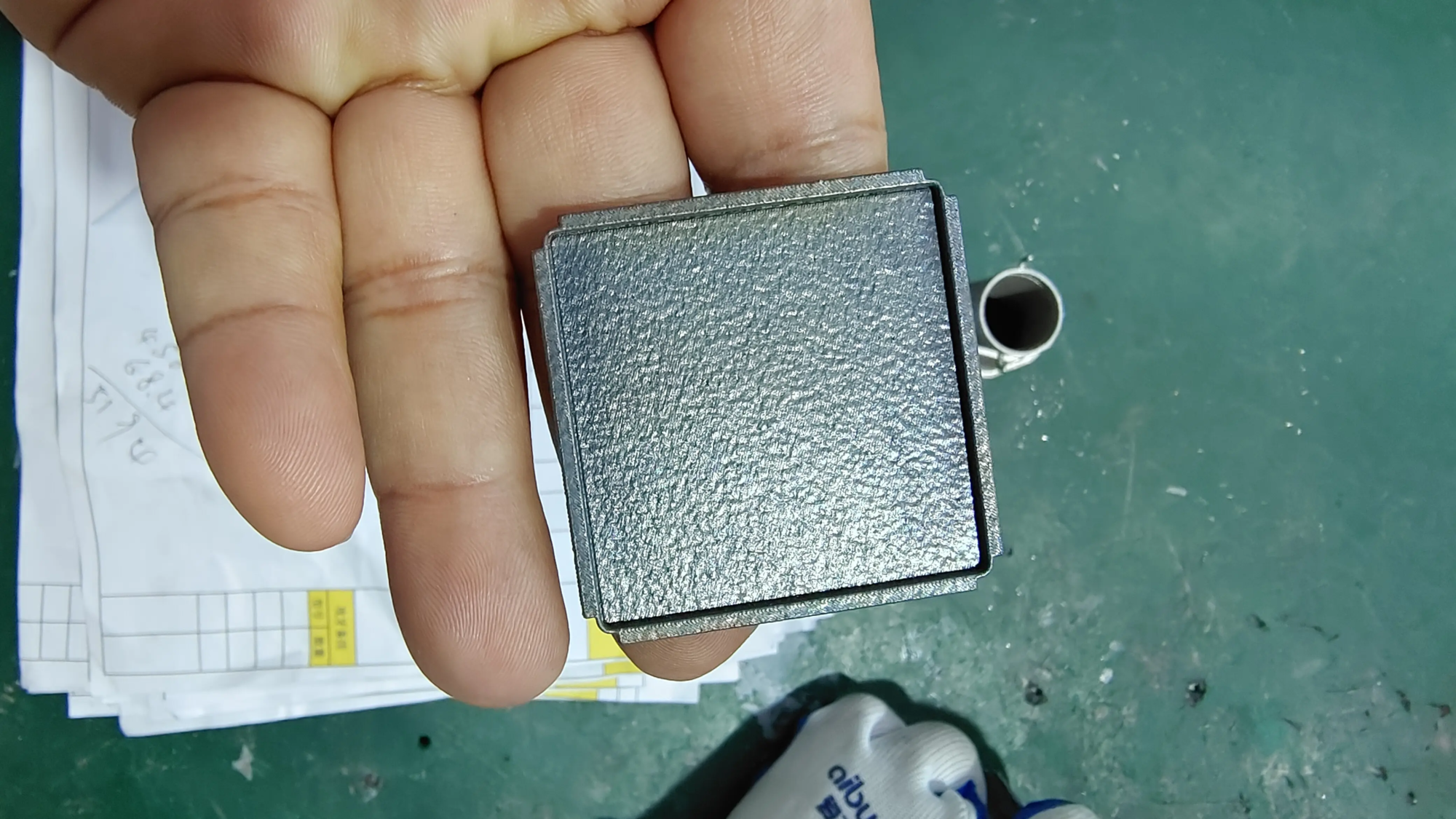
- SLS/SLM: Slightly grainy textured surface ("pebbled").
- Metal SLM: Rough surface when printing; requires polishing/machining. Embrace this texture or plan for quality finishing services.
- Magnet precautions: MagSafe compatibility requires strong rare earth magnets (such as Neodymium N52) to be precisely embedded during the design/printing process. Material selection becomes critical – metals can interfere with inductive charging/magnets.
Get the step-by-step guide to 3D printing an iPhone 13 case
- Concept and design: What is your vision? Minimalist? Tactical grip? Elegant pattern? Sketch it.
- Digital modeling (CAD): Create your design using CAD software (Fusion 360, SolidWorks, FreeCAD, Tinkercad).
- Use an accurate base model.
- Apply your design features.
- Ensure correct thickness, cuts, tolerances. Check balance and ergonomics.
- Document preparation: Export your design as an STL or OBJ file. Run it through mesh repair/slicing software (Cura, PrusaSlicer – even if sent to a pro) to check for errors like inverted normals, non-manifold edges, and overly thin features. Optimize printing direction.
- Material and process selection: Make your decision based on desired aesthetics, functionality, budget, and durability. Is metallic luxury the goal? Or rugged and durable TPU for daily protection?
- print: Choose wisely:
- DIY printing: Requires access to a powerful FDM printer (for PLA/PETG/TPU) and excellent skills. Temperature, speed, bed adhesion, support – all of these things affect quality. Metal DIY printing is unrealistic.
- Professional services: Essential for SLS plastic or SLM metal. They provide expertise, industrial equipment and post-processing capabilities. Send them your verified STL.
- Post-processing and finishing: this is where GreatLight excels:
- Support removal: Crucial for complex designs.
- clean: Remove green powder (SLS/SLM) or cleaning solvent (FDM).
- Smooth/Polish: Fine finishes can be achieved by sanding (FDM), steam smoothing (select plastics), sand blasting (SLS/SLM) or machine/hand polishing (SLM metals).
- Enhanced finishing (advanced options – metal): Plated (gold, chrome, black nickel, gold plated), powder coated, anodized (aluminum – vibrant colors/textures), polished to mirror shine. GreatLight specializes in transforming raw SLM metal parts into high-quality display cases.
- Painting/Staining: Suitable for plastic SLS parts.
- Assembly (if required): Add magnets, rubber linings or other components.
- Final assembly and surface preparation inspection: Make sure it’s securely attached to your iPhone 13, everything lines up, feels good, and functions perfectly.
Enhance your boxes with professional metal printing and finishing
While printing on plastics is possible, printing on metal opens up an entirely different realm of possibilities and capabilities. SLM technology uses lasers to fuse fine metal powders layer by layer, allowing for geometries not possible with traditional machining, making complex, strong, lightweight phone cases possible. GreatLight operates advanced SLM printersenabling rapid prototyping and production of stainless steel, titanium or aluminum iPhone 13 cases.
Our comprehensive One-stop post-processing Service is crucial for metal boxes:
- Precision CNC machining of critical surfaces/interfaces.
- Expert hand/machine polishing to various finishes (brushed, satin, mirror).
- High quality electroplating (gold, chrome, black chrome, rose gold).
- Artistically patina or sandblast for an even texture.
- Ultrasonic cleaning meets original standards.
The result? A custom metal iPhone case is more than just a protective case; it’s a durable, eye-catching piece of functional art. It embodies strength, sophistication and personal expression.
Conclusion: Your iPhone deserves to go above and beyond
A 3D printed iPhone 13 case goes beyond mere customization; it allows you to design protection and express your style from the ground up. While DIY FDM printing provides an easy-to-use entry point, unlocking the full potential—especially with premium materials like engineering plastics or metals—requires expertise. GreatLight combines advanced SLM 3D printing technology with superb post-processing to transform your unique vision into a tangible, high-performance iPhone 13 case. Forget about regular stores. Design something extraordinary. Ready to create your signature iPhone case? Learn how GreatLight’s rapid prototyping capabilities and comprehensive finishing services can turn your boldest concepts into reality with unparalleled precision and quality.
Frequently Asked Questions – 3D Printing iPhone 13 Case Questions and Answers
-
Can 3D printed shells really protect?
- Absolutely, If designed and printed correctly. Materials such as PETG, nylon (PA12), TPU and metal offer significant impact resistance, often exceeding that of cheap plastic housings. Design aspects such as thickened corners and shock-absorbing construction add to the sturdiness. Professional printing ensures material integrity.
-
How much does a custom metal 3D printed iPhone 13 case cost?
- The metal casing is high quality. Costs vary widely depending on material (aluminum vs. titanium), case complexity, wall thickness, and level of finishing (polishing vs. plating). Expect prices to start in the range of professional-grade designer cases and go up for intricate designs and high-end finishes such as CNC machining or electroplating.
- Can 3D printed housings be used with MagSafe?
- Yes, but design matters. You must embed the MagSafe-compatible magnet (N52 grade neodymium) into the housing structure exactly in the correct location and orientation. Metal enclosures require careful design considerations due to magnetic field interference – thinner walls