Building Tradition through Innovation: A Guide to 3D Printing Nativity Scenes
The timeless story of Jesus’ birth—the humble stable, the guiding star, the Holy Family—is a symbol of the holiday that many hold dear. Traditionally captured in wood, porcelain or resin, these scenes can now be brought to life through the magic of modern technology. 3D printing opens up a world of creative possibilities for producing nativity scenes that are personal, unique and deeply meaningful. Whether you’re a printer enthusiast or an artist looking for intricate details, this guide will explore everything you need to embark on your journey to 3D printing Bethlehem.
Beyond the manger: Why 3D printing shines in nativity scenes
- Ultimate customization: Give up the consistency of mass production. Scale characters perfectly to fit your space, resize an entire stable, or design an entirely new scene. Want a kneeling shepherd holding a 3D printed lamb? complete. Dreaming of angels suspended in the air? make it happen. Seamlessly integrate last names or meaningful symbols.
- Intricate detail fixes: Found an antique pattern online but the original mold is missing? Or want to add details that are too fine for injection molding? High-resolution printers, especially resin printers, can capture stunning textures in robes, wooden beams, animal pelts, and facial expressions, breathing new life into classic designs.
- Accessibility and collaboration: Millions of free and paid nativity scene STL files shared online by talented designers. The community is a place for creators to discuss modifications, painting techniques, and troubleshooting. If you can’t print yourself, seek out a printing service (more on this later).
- Durability options: Materials are important! Print sturdy graphics for outdoor patio displays using ASA or PETG plastic. Create exquisite porcelain-like pieces indoors using high-quality resin. Or, imagine a completely unique centerpiece made of metal?
- Sustainability considerations: Instead of buying new supplies every year, you can reduce waste by using recycled supplies or only printing what you need. Repairing a damaged graphic is often as simple as reprinting the part.
Design your Bethlehem: from concept to STL
-
Find the right model:
- Marketplace and Repository: Explore sites like Thangs, Cultsassess, Printables, MyMiniFactory and CGTrader. Search keywords: "Jesus is born," "nursery," "bethlehem," "Holy Family." Filter by technology (FDM, resin) and design complexity.
- Open source treasures: Many designers generously share free STL. Use them as-is or customize them using CAD software.
- Unique design: Look for niche sellers that offer stylized versions (steampunk, minimalism, representation of cultural diversity).
- Key considerations: Check the documentation! Make sure scale information and assembly instructions are clear. Verify filament/resin compatibility and desired print volume/setup.
- Design Modification (Intermediate/Advanced):
- Simple adjustments: Tools like Tinkercad allow resizing basic shapes, merging objects (for example, attaching a camel to a king), or making basic changes.
- Complex transformation: Advanced CAD software (Fusion 360, Blender) makes it possible to modify poses, add personalization elements (monograms), change architectural details or create completely original characters/animals. Significant skills required.
Materials matter: choose your medium
- FDM/FFF (PLA, PETG, ASA):
- People’s Liberation Army: Easiest to print, colorful and widely usable. Best for indoor display. It becomes brittle over a long period of time and is easily deformed under continued heating.
- Polyethylene glycol: Much tougher than PLA, with better temperature resistance, and slight flexibility aiding durability. A good choice for indoor/outdoor transition areas or components that are susceptible to impact. Careful bridging and cooling setup is required.
- ASA: Excellent UV resistance, thermal stability and toughness. Outdoor champion. Due to fumes, higher temperatures and ventilation are required during printing.
- Resin (SLA/DLP/LCD):
- Standard and plant-based resins: Delivers stunning detail resolution critical for faces, textures, wings, and complex props. Create a smooth, comparable surface. Multiple colors/effects (clear, glow-in-the-dark). Requires processing and UV curing Post-processing (Cleaning alcohol/curing station). Fragile unless specific "tough" resin used. Best indoors.
- Tough/Durable Resin: Offers resin-grade detail, but with significantly higher impact resistance than standard resin or PLA. Ideal for delicate tabletop figures that require sturdy handling.
- Metals (SLM/SLS – Professional Services):
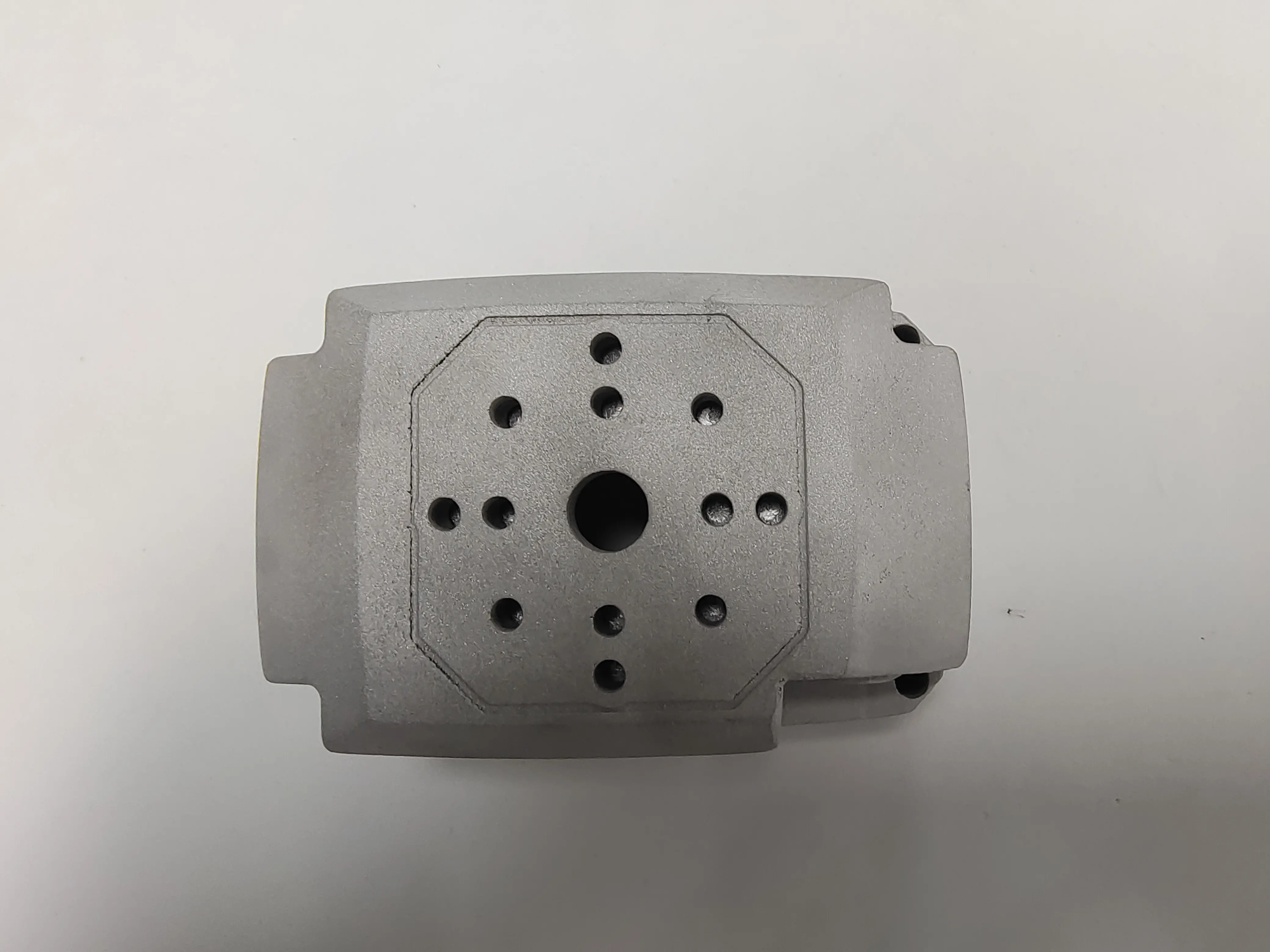
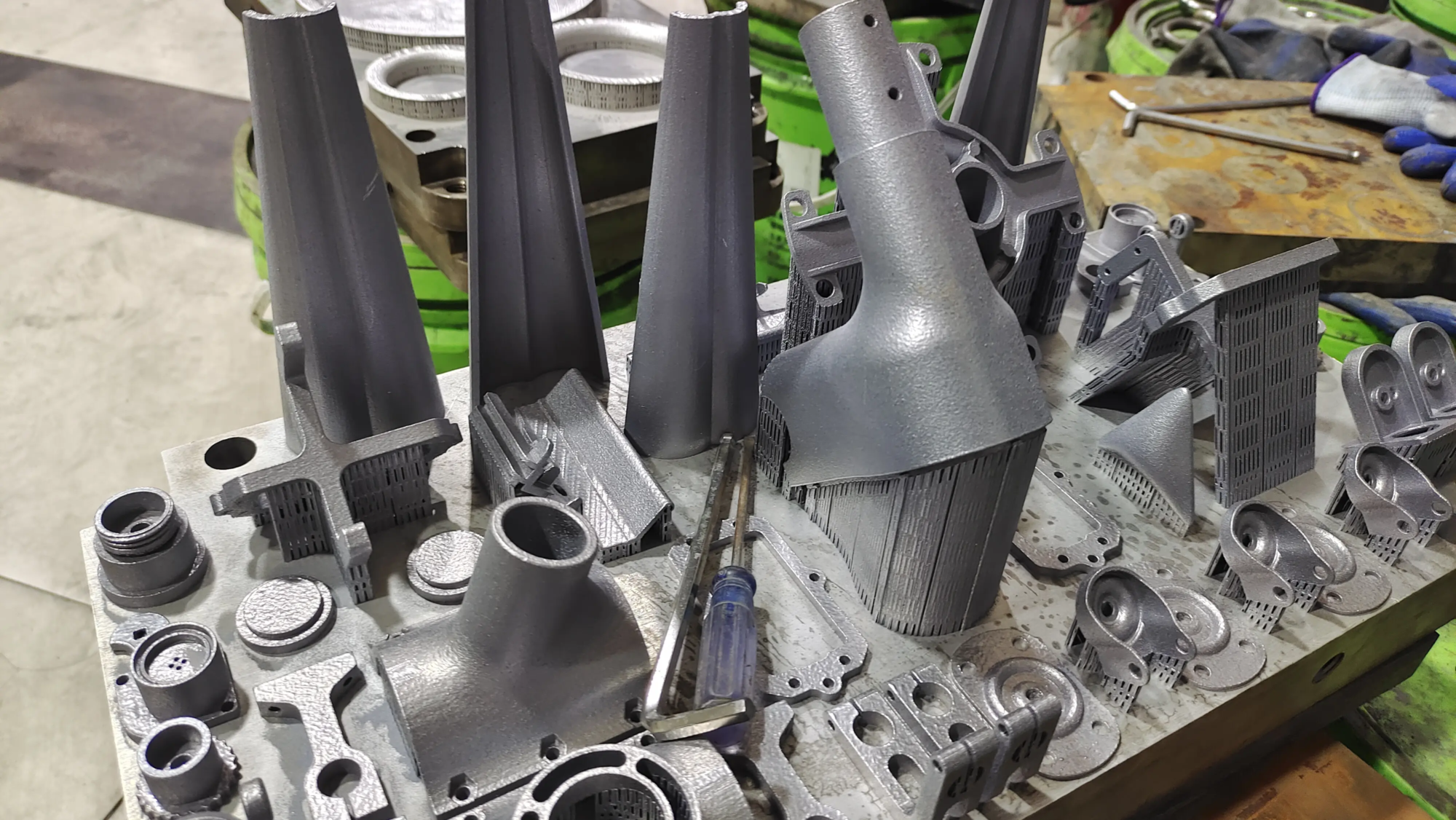
- Unparalleled complexity: Looking for a forever heirloom? Stainless steel (316L), bronze, sterling silver or titanium nativity pieces manufactured by metal powder bed fusion (such as selective laser melting) offer stunning durability, weight and unparalleled gravitas. Ideal for miniature statues or stylized reproduction ornaments that require exquisite craftsmanship.
- Implementation complexity: Metal printing excels at handling complex geometric internal structures that are difficult or impossible to achieve with other technologies.
- Work with an expert: Metal printing requires industrial-grade equipment and expertise. Services like ours (huge light) specializes in designing and producing these special pieces.
Devine deployment print prompts
- Calibration is key: Make sure the bed leveling, extrusion (FDM) or exposure (resin) settings are dialed in beforehand. Tiny numbers require precision.
- Support and structure:
- Frequency division multiplexing: Use scalloped angles or designs to minimize overhanging surface coverage, and position parts carefully to minimize unsightly supports. Consider tree supports for easier removal. Pay special attention to thin protrusions (hooks, sticks, wings).
- Resin: Automatic support is often sufficient, but manual verification is required; fragile components that are under-supported can cause failure.
- Bed adhesion: Beyond calibration – FDM benefits from glue sticks, hairspray, textured PEI. Resin requires a clean printing platform.
- Floor height: smaller number of layers