Grow your business: How 3D printed plant towers are revolutionizing urban gardening (and how to get them)
Gardening enthusiasts and eco-conscious city dwellers face a common challenge: space. As living spaces shrink and the desire for greenery continues to grow, traditional planting methods often fall short. Enter the 3D printed plant tower—a fusion of cutting-edge additive manufacturing and horticultural creativity. This isn’t just a quirky gadget; it’s a sophisticated solution that’s reinventing the way we do vertical gardening.
What exactly is a 3D printed plant tower?
Think of a vertical structure that resembles a central column or spiral, with integrated pockets, reservoirs, and channels specifically designed to accommodate a variety of plants. Unlike prefabricated plastic units, 3D printed towers are digitally designed and manufactured layer by layer, transforming precise blueprints into tangible, functional gardening aids. These towers effectively maximize vertical space, allowing herbs, succulents, strawberries and even flowering vines to grow upward rather than outward.
Why choose 3D printing over traditional solutions?
These advantages arise directly from the inherent properties of additive manufacturing:
- Unparalleled customization: This is the crown jewel. Need a tower that’s perfect for that awkward corner balcony? Do root vegetables vs. shallow-rooted herbs require a specific pocket depth? Want to integrate drip channels or modular sections for easy expansion? 3D printing makes this possible. Design software such as CAD allows unlimited adjustments before printing begins. Design considerations include:
- Factory requirements: Customize pocket size, depth, spacing and drainage holes for specific species.
- Structural integrity: Ensuring the design can withstand the weight of wet soil and mature plants often involves optimized geometry such as mesh or rib reinforcement.
- Water management: Design automatic watering reservoirs, efficient drainage paths, and even capillary wicking systems.
- environment: Choose UV-resistant materials, consider wind loads, and design for stability on a variety of surfaces.
- Complex geometric shapes made simple: Traditional manufacturing (injection molding, extrusion) struggles with complex internal channels or organic, non-linear shapes. 3D printing embraces this complexity, allowing designs to be optimized for functionality rather than simplifying factory production—think spiraling waterways or ergonomic pocket shapes.
- Gardening Material Innovation: Not all filaments are suitable for the garden. Key considerations include:
- Food safety: Using FDA-approved or food-safe certified filament, such as specific PETG (polyethylene terephthalate glycol) or PP (polypropylene), is crucial for towers that grow edible plants. Avoid using ABS due to potential styrene leaching.
- Durability and Weather Resistance: PETG has good UV resistance, moisture resistance and impact strength. ASA has excellent UV stability. While PLA is affordable and easy to print, it degrades faster outdoors unless it is specially treated.
- Biodegradability as an option: Although PLA is biodegradable under industrial composting conditions, no A durable structure is often required. Its primary use outdoors requires UV stability.
- Rapid prototyping and iteration: Design flaw? Easily repair digital files and print new versions overnight. This agility accelerates innovation and allows for personalized optimization based on the initial growing season.
- Sustainable development potential: While the use of plastic is inherent, 3D printing often minimizes waste compared to subtractive methods. The use of recycled filaments or designs optimized for minimal material use can enhance the ecological image.
The Manufacturing Journey: From Paper to Plant
Creating a sturdy plant tower requires a meticulous process:
- Design stage: The tower was modeled using CAD software, integrating all functional requirements (pockets, cisterns, drainage systems, structural ribs). Simulations can predict pressure points.
- Material selection: Choose the best supplies based on safety, weather, budget, and printer compatibility.
- slice: Convert 3D models into printer-readable instructions (G-code) that define layer height, infill density, print speed, and temperature settings. The higher the filler, the stronger it is, but the more material is used.
- print: This is usually done using fused filament manufacturing (FDM/FFF), where thermoplastic filaments are melted and deposited layer by layer. Intricate designs or finer details may utilize resin-based technologies such as SLA for a smoother finish, but material options for outdoor use may be limited.
- Post-processing: Key steps depend on printing:
- Support removal: Remove the printed temporary support structure that holds the overhang in place.
- clean: Use solvent to clean resin prints.
- Surface treatment: Sand smooth layer lines (aesthetics are important), prime or apply non-toxic paint.
- Maintenance: It is crucial for resin prints to reach their final strength.
Real-world impact: The boom in 3D-printed towers
- Urban balconies and patios: Create a lush miniature garden in your apartment or small home.
- Vertical farming innovation: Provides a modular, space-saving setup for microgreens or herbs.
- Educational Tools: Demonstrate plant science, hydroponics/aeroponics and sustainable design in schools and community centres.
- Personalized Landscaping: Create a unique layered display for gardens and patios.
- Water-saving gardening: Integrated automatic watering design minimizes water waste.
Turn your vision into reality with expert manufacturing
Designing and producing reliable, durable plant towers requires expertise that is beyond the scope of hobbyist 3D printing. Challenges such as ensuring structural stability under load, selecting materials that are truly garden-safe and weather-resistant, and achieving a professional surface finish often require working with an experienced rapid prototyping specialist.
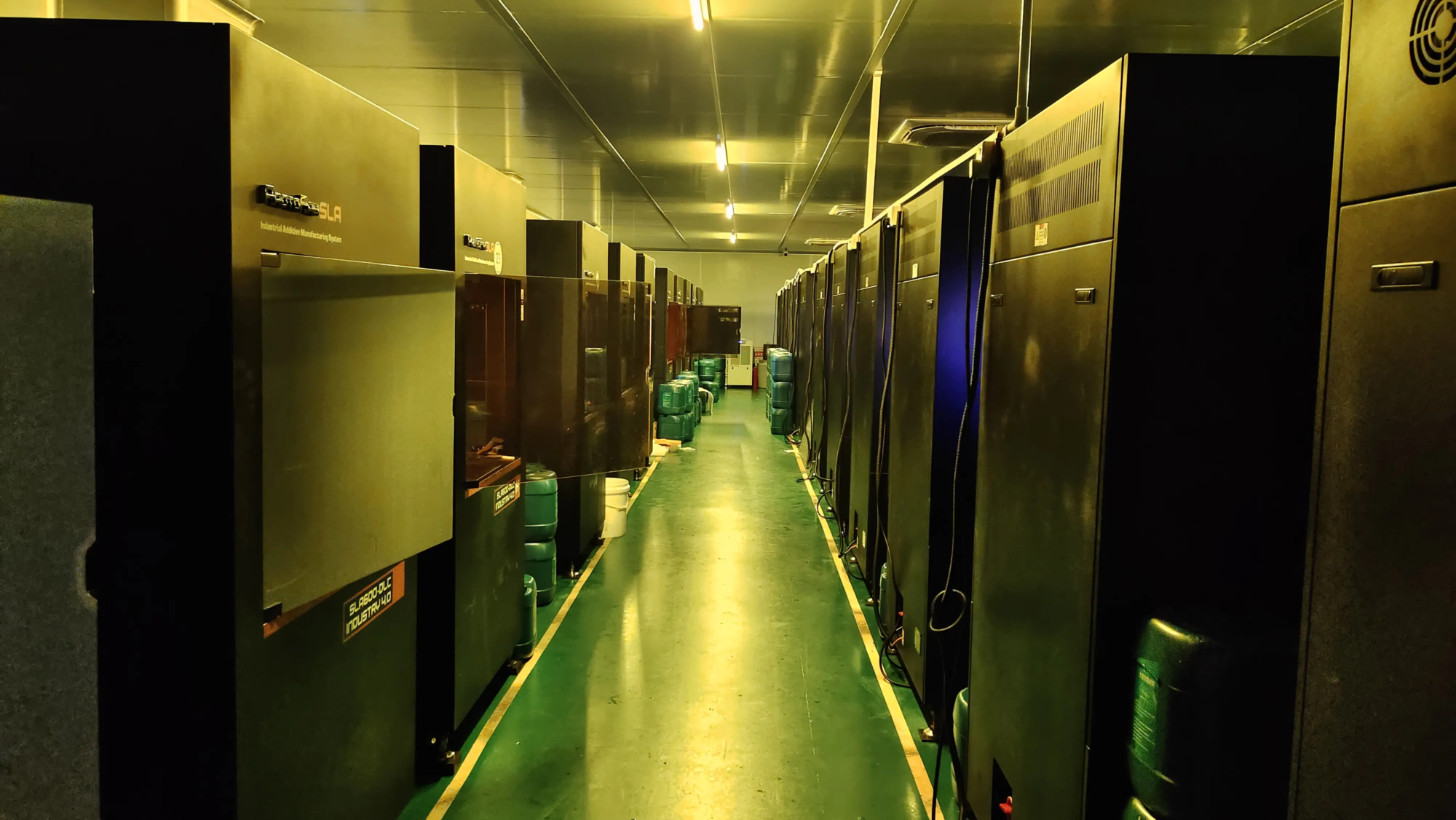
where is this huge light Excellent performance. As a leading supplier Rapid prototyping servicesGreatLight utilizes advanced manufacturing technologies, including high-performance SLM 3D printer Precision FDM systems for complex metal parts, critical for specialized parts such as mounting brackets, and for functional plastic parts. Our core competencies translate directly into excellence in plant tower manufacturing:
- Engineering expertise: We solve complex design issues to ensure your tower can withstand environmental stresses and operate flawlessly. Our team analyzes the structural integrity and fluid flow dynamics associated with irrigation systems.
- Material mastery: We use our extensive material library and knowledge of functional properties to guide you in selecting the best and safest polymers (PETG, PP, ASA) for long-term outdoor use.
- Precision manufacturing: Calibration using advanced FDM printers (and other applicable technologies) to achieve dimensional accuracy and consistent layer adhesion.
- One-stop solution: From design consultation and refinement using CAD software, to precise printing, to meticulous attention to detail Post-processing and finishing services (smoothing, sanding, non-toxic coating), we handle it all.
- Speed and customization: Most materials, including specialty engineering polymers, can Quick customization and processing. We focus on Customized precision machining to meet unique functional requirements.
- Scalability: Whether you need a single custom tower or a design prototype for potential mass production, we can adapt.
Embrace One of the best rapid prototyping companies in ChinaGretel ensures professionalism Precision Rapid Prototyping Parts Manufactured to the highest standards. Ready to grow your vertical garden vision? Customize your precision rapid prototyping parts today at the best prices!
in conclusion
The 3D printed plant tower embodies the fusion of digital design, innovative manufacturing and sustainable gardening. It solves the key challenge of urban space constraints while providing unprecedented flexibility, efficiency and customization potential. 3D printing transcends the limitations of mass production options, allowing everyone from hobbyists to commercial growers to create custom vertical ecosystems optimized for their specific environment and plant selections. Partnering with an expert rapid prototyping service like GreatLight unlocks powerful manufacturing solutions that utilize professional-grade materials and processes to ensure longevity and performance. As 3D printing technology continues to evolve alongside smart gardening practices, these plant towers represent fertile ground for the vertical development of a greener, more efficient future.
Frequently Asked Questions (FAQ)
-
Is 3D printed plastic safe for growing edible plants?
- Yes, if the correct material is chosen. Use filaments that are clearly certified as food safe (FDA/USDA compliant) or classified as food safe After appropriate printing and post-processing. PETG and PP are generally recommended for this application. Avoid using ABS. Always ensure thorough cleaning and curing after printing.
-
How long will a 3D printed plant tower last outdoors?
- Material selection is crucial. PETG or ASA filament has excellent UV and weather resistance and will last for years. Standard PLA degrades significantly faster outdoors due to UV sensitivity and hygroscopicity. If PLA is preferred, look for UV-stabilized variants. Proper sealing/priming/painting can extend service life.
-
Can I use a hobbyist FDM printer to print plant towers?
- Suitable for smaller/less complex designs. Hobby printers can use PETG to produce functional towers, especially smaller prototypes or final designs. However, achieving the structural integrity, precision, and longevity required for large, complex, or heavily loaded towers often requires industrial-grade printers with better temperature control, bed adhesion, and precision. Professional service guarantees higher reliability.
-
How to design effective drainage?
- Key simplification: Include drainage holes at lowest point each Grow bags. Design channels or openings that are slightly smaller than the soil particles you will be using. Angle the surface toward the holes. Ensure that excess water can run off and possibly collect in a foundation reservoir or drain freely.
-
How much does it cost compared to purchasing a commercial plant tower?
- Smaller, simpler commercial towers may be cheaper initially. However, 3D printing excels in customization, scalability, and access to specific functionality not available commercially. For uniquely sized towers optimized for niche plant collections, the value proposition changes. Using professional services adds cost but ensures long-term durability and functionality.
-
What kind of maintenance does a 3D printed tower require?
- Mainly standard gardening care: watering, feeding plants, pruning. Clean tower surfaces regularly to prevent mold/algae buildup. Over time, check for potential small cracks (especially in PLA) and treat them with a non-toxic sealant if needed.
- If I don’t have CAD skills, can GreatLight help me design my plant tower?
- Absolutely! part of gretel One-stop service include Design consulting and engineering support. Our experts can transform your requirements and sketches into practical, printable CAD models, ensuring manufacturability and performance. Contact us to discuss your vision.