Unleashing accuracy and innovation: a guide to 3D printing of retractable blades
In a rapidly evolving landscape of industrial tools and safety-critical components, innovation is not only desirable, but it is crucial. An excellent example of this evolution is Guide to 3D Printing Retractable Bladesa critical mechanism in the application of surgical tools to industrial cutting systems. At Greatlight, we use cutting-edge selective laser melting (SLM) additive manufacturing to redefine the design, prototype and production of these precision components.
Why Retractable Blade Guide Is Important
Retractable blade guides play a key safety and functionality: They control blade deployment, ensure repeatable accuracy and minimize friction during operation. Whether integrated into a medical scalpel handle, boxed machine, or automated machinery, these guidelines must withstand mechanical stress, resist wear and provide fail-safe retraction. Traditionally, they are processed from metal blocks, and they face limitations:
- Design constraints Prevent internal lubrication passages or lightweight wills.
- High cost Used for small volumes or custom geometric shapes.
- Long delivery time Used to iterate prototypes.
3D printing breaks these barriers, making smarter, safer, and more effective blade guidance.
Great Advantage: SLM Technology
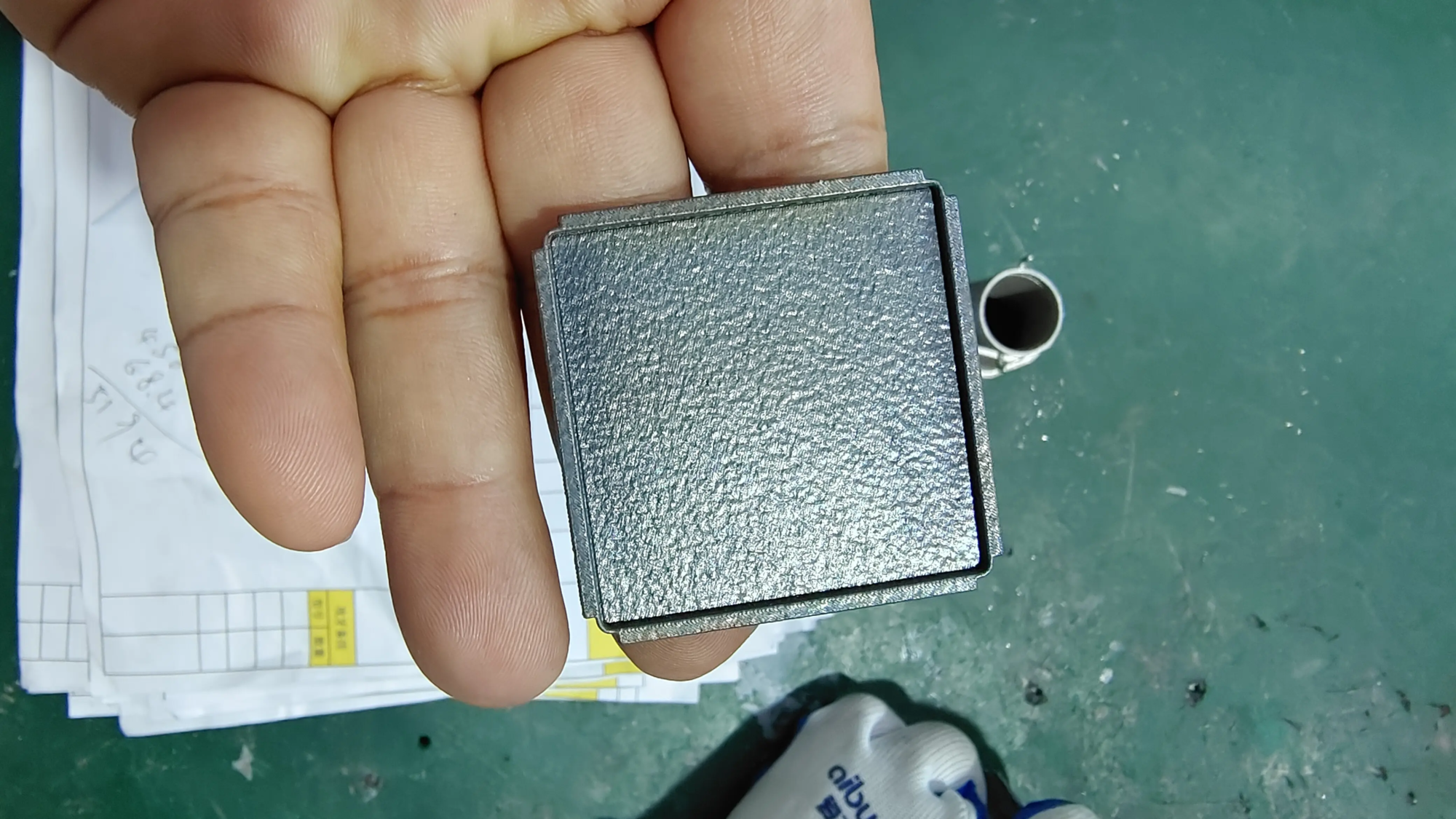
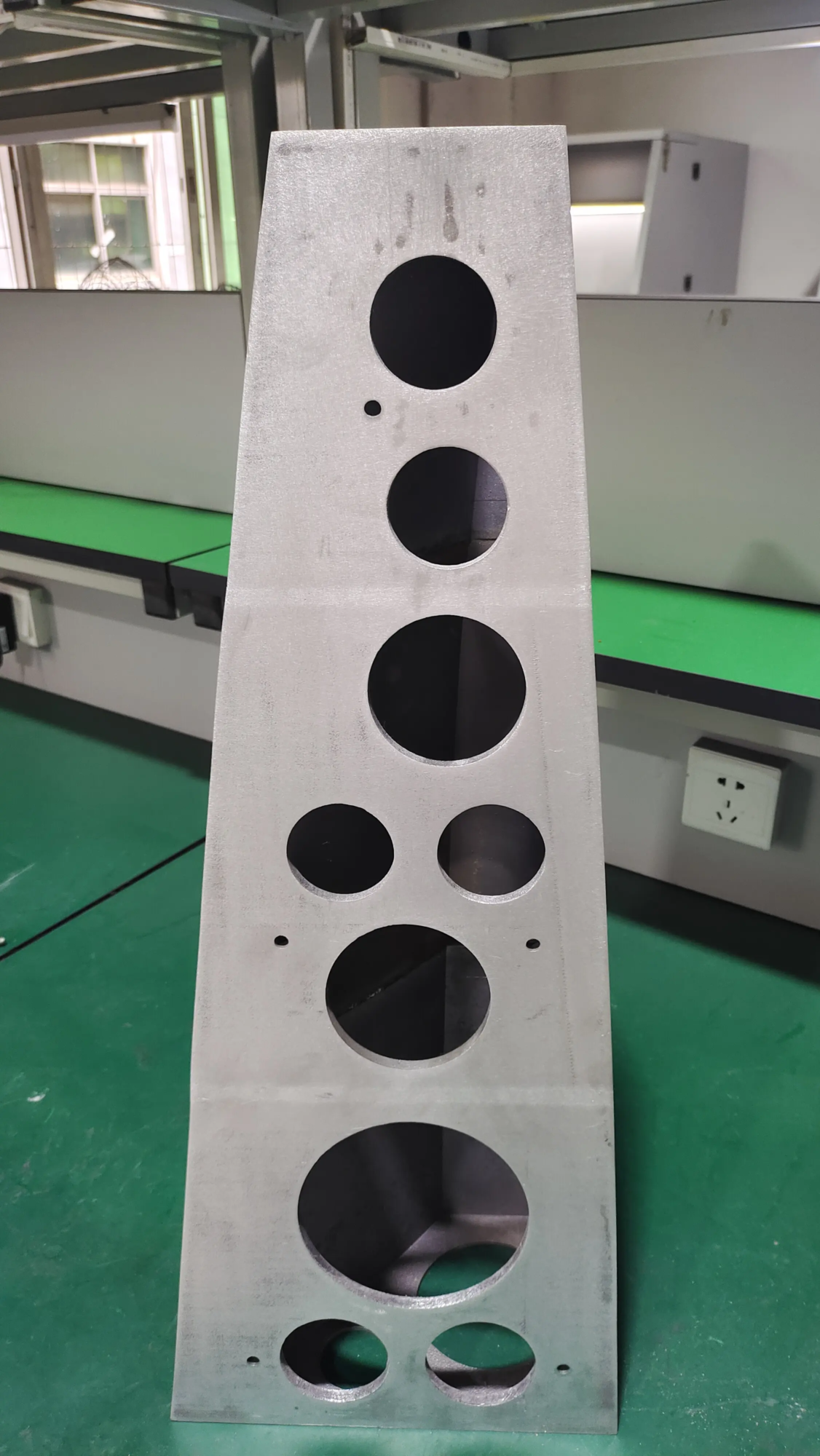
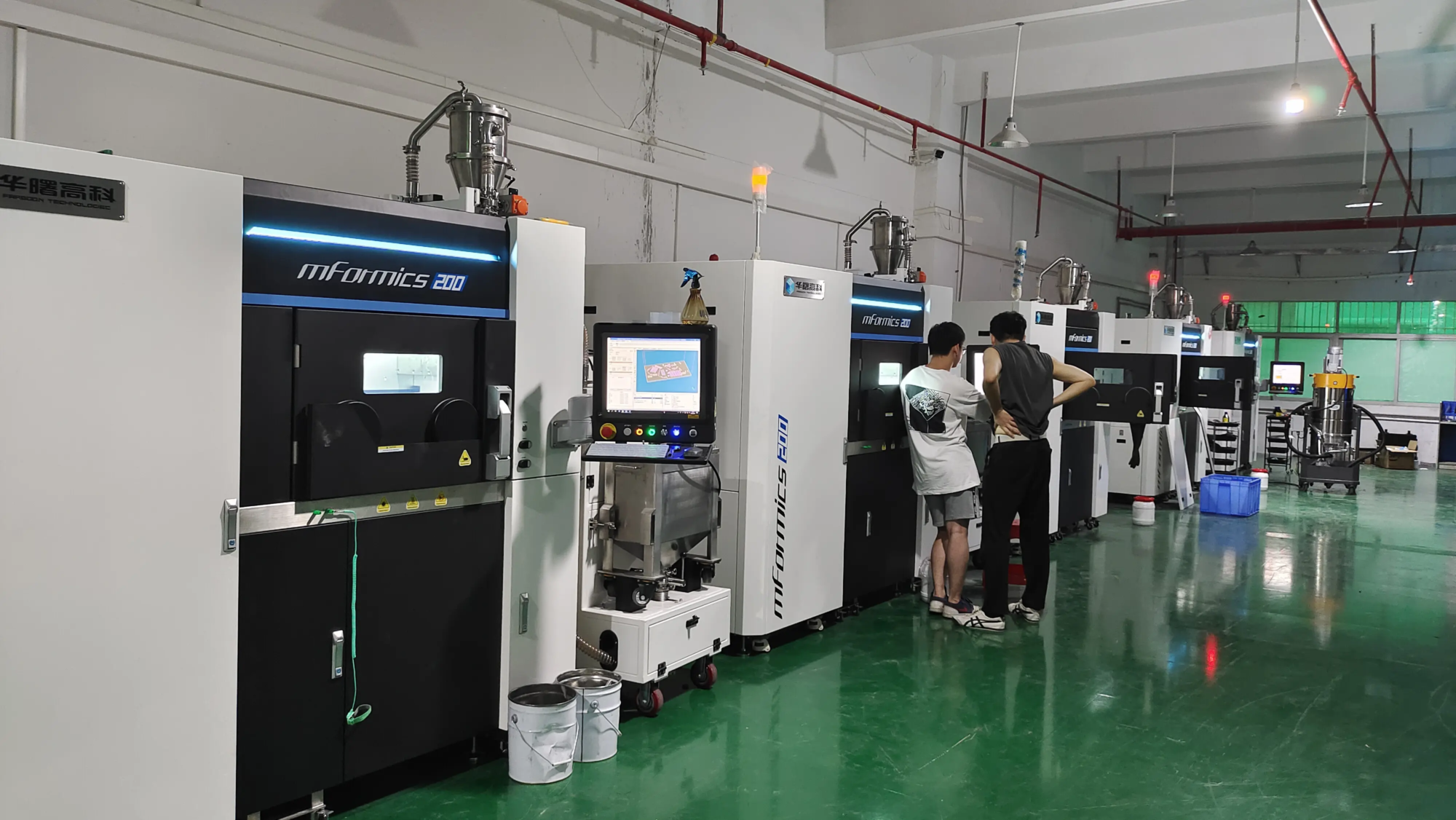
As an expert in the industrial metal additive manufacturing industry, Greatlight hires high-precision SLM 3D printers to build retractable blade guides with unparalleled complexity. Here is how we transform digital design into reality:
-
Free design
Using SLM, complex features are made in a single version, such as internal coolant channels, snapshot mechanisms, or topologically optimized lattices. This eliminates assembly failure and improves structural efficiency – reducing weight by up to 40% without sacrificing strength. -
Excellent material
We use aviation grade alloy to print:- 17-4ph stainless steel: Used for corrosion resistance and high hardness.
- ti6al4v titanium: Very suitable for medical tools that require biocompatibility.
- Mali Steel: Provides unparalleled toughness for heavy-duty use.
Material properties are further enhanced through our internal heat treatment.
- Rapid production workflow
- Day 1: CAD model optimization and simulation (stress analysis, thermal testing).
- Day 2: SLM printing (layer thickness: 20–50μm; tolerance: ±0.05 – 0.1mm).
- Days 3-5: Completed by CNC, polishing or coating (such as Altin) for post-treatment to prevent wear resistance.
Overcome the traditional challenges of AM
Regular blade guides often struggle with friction-induced wear or inconsistent blade alignment. Our 3D printing solutions can be solved directly:
- Reduce friction: Integrated microchannels allow for embedding lubrication, thereby extending part of their life.
- Dimensional accuracy: SLM ensures ultra-tight tolerance (<0.1mm) for seamless blade movement.
- Merge assembly: Multi-part components become overall components, reducing the risk of failure.
Example: A customer in the packaging industry reduced the failure of the blade guide by 70% as we switched the 3D printed design using self-lubricated grooves.
Greatlight’s full-week production
From prototyping to mass production, we offer a frictionless journey:
- prototype: Functional prototypes that are tested realistically within 24-48 hours.
- custom made: Modify the blade channel diameter, ergonomic grip or installation interface.
- Post-processing:
- Surface finish: Electrochemical polishing, abrasive flow processing of smectic surfaces.
- coating: Diamond-like carbon (DLC), used in extreme wear scenarios.
- quality assurance: CT scan and CMM check to verify dimensional accuracy.
Whether you need 1 or 10,000 units, our scalable process ensures consistency.
in conclusion
The retractable blade guide reflects how additive manufacturing improves functional components from “enough” to “upper level”. By embracing SLM 3D printing, manufacturers can enhance unprecedented design agility, reduce weight, enhanced durability and lightning speed iteration cycles. At Greatlight, we not only produce parts – we are designing solutions that address possible boundaries in rapid prototyping and end-use production. With our expertise in metal AM and comprehensive post-processing, your blade mechanism will set a new benchmark for accuracy and reliability.
Customize your next generation blade guide now –Working with Greatlime, precision can be redefined.
FAQ: 3D Printing Retractable Blade Guide
Q1: How durable is the 3D printed blade guide compared to the blades produced by CNC?
A: With the right material selection (e.g., horsepower steel) and heat treatment, our SLM printing guide matches or exceeds CNC parts. The unified structure reduces fatigue points, while coatings such as DLC enhance life in an abrasive environment.
Question 2: Can you copy existing blade guide design?
A: Yes. Share your specifications or CAD files and we will optimize them for additive manufacturing – weight saving lattice or machining impossible internal features.
Q3: What tolerances can you achieve?
A: Our SLM printer can accommodate ±0.05mm of ASTART parts. The critical surface can inject CNC into ±0.02mm.
Question 4: Are 3D printing guides suitable for medical tools?
Answer: Absolute. We use biocompatible titanium (Ti6al4v) to ensure compliance with ISO 13485. The parts are polished to eliminate bacterial traps.
Q5: Can I get the speed of the custom blade guide sample?
Answer: The prototype will be shipped within 1-3 days. It takes 5-7 days to finalize the batch (1-100+ units) after design.
Question 6: Do you handle minor operations?
A: Yes – We offer internal finishing: shooting, hardening, anodizing, engraving and more.
Q7: What is the maximum size you can print?
A: Our SLM machine supports up to 300×300×350mm. Larger guides are printed in the segment and added precisely.
Question 8: How to ensure partial reliability?
A: Each batch has undergone mechanical testing (tension, hardness) and non-destructive inspection (CT scan of internal defects).
Is there a project? Contact Greatlight to take advantage of the Blade Guide to state-of-the-art 3D printing (Safety Encounter Innovation).