Embracing the Charm of Nature: A Comprehensive Guide to 3D Printing Squirrel Models
Squirrels fascinate us—whether flying through the park’s woods, delicately holding an acorn, or frozen in a unique pose. For creators looking for tangible art, functional decoration, or complex prototypes, 3D printed squirrel models open up fascinating possibilities. But translating digital magic into flawless physical pieces requires precision engineering. As an innovator specializing in precision metal prototyping and complex manufacturing, GreatLight understands this convergence. Let’s explore how to bring your 3D squirrel vision to life.
Beyond PLA: The professional advantage of creating lifelike models
General-purpose consumer printers often limit designs to plastics such as PLA. However, the hobbyist setup lacks the fidelity required for intricate fur textures, delicate limbs, organic silhouettes, or real metallic finishes. Professional rapid prototyping services address this gap:
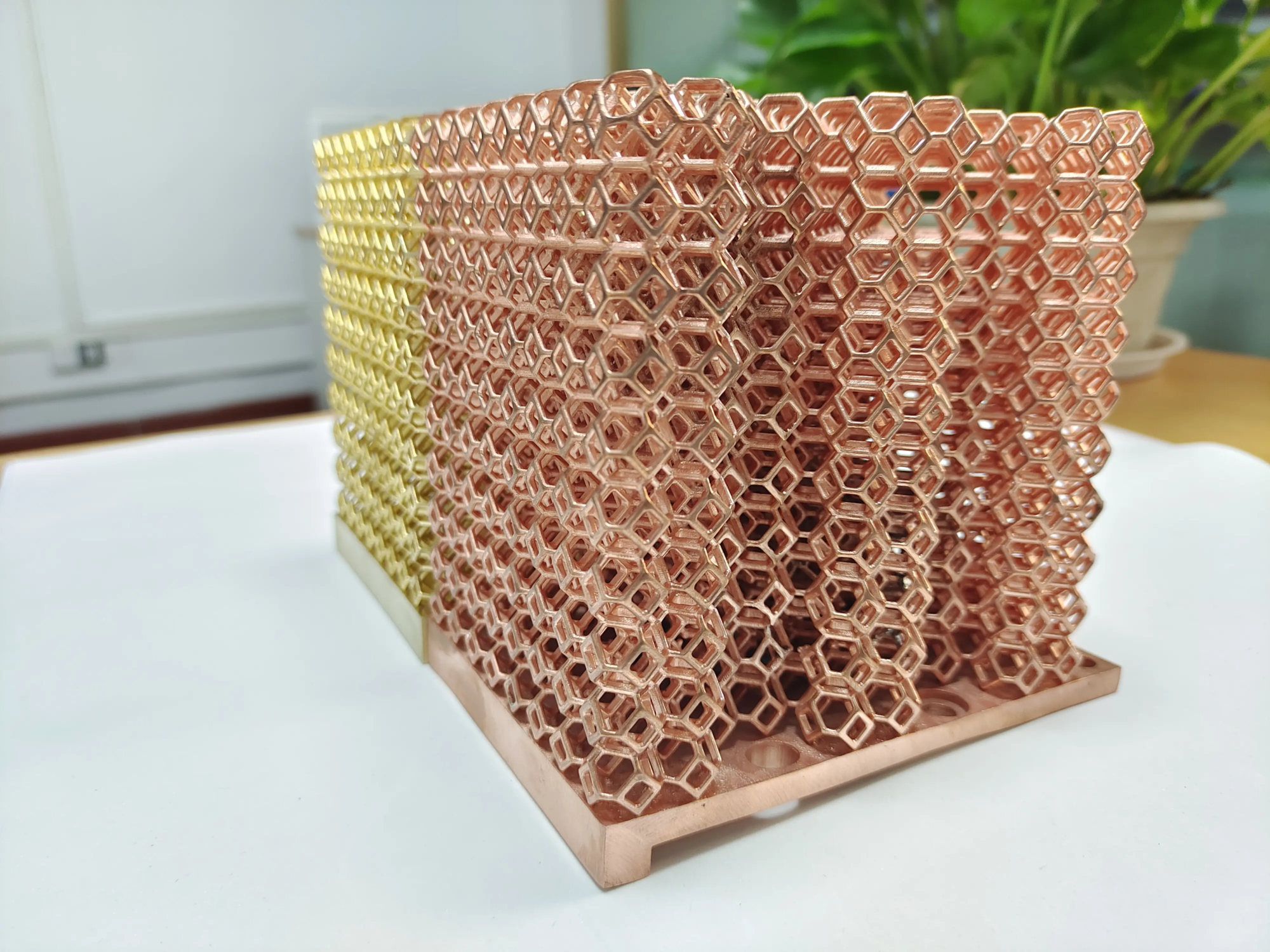
- Capturing details: Industrial-grade SLM (Selective Laser Melting) printers use precision lasers to fuse metal powder layer by layer (<30μm layers). This captures hyper-realistic fur grooves, articulated articulations and anatomical nuances that are impossible to achieve with FDM. For museums, filmmakers, designers or advertisers, authenticity is important.
- Material authenticity: Imagine a garden sculpture with titanium’s corrosion resistance that can withstand the test of the seasons. Or the gleaming chrome squirrel on the table. GreatLight processes aluminum for lightweight, stainless steel for strength, brass for timeless warmth, and titanium for aerospace-grade resilience—all of which go beyond basic plastics.
- Design Liberation: Optimizing cavities through topology analysis? Do underground cave dioramas require embedded weights? Anatomically accurate skeletal studies? Complex detachable limbs? Industrial 3D printing has almost no geometric limitations.
Make Your Squirrel: A Guide to Making Drivers
Step 1: Design with production in mind
Start with end use:
- Visual model: Pay attention to beauty. Surface topology (fur/skin texture), negative space (paws, eyes), curved overhang (tail curl) require advanced printer calibration.
- Functional prototype: Need to move your limbs? Articulate joints using CAD templates. Do the mounting bolts need to be hidden inside? Embed pre-designed threaded inserts.
- Material flow: Thin tail exceeds minimum wall thickness of stainless steel? Switch alloys. Upload STEP/STL files and consult with GreatLight engineers early – designing for manufacturability can avoid frustration.
Step 2: Precision-driven printing process
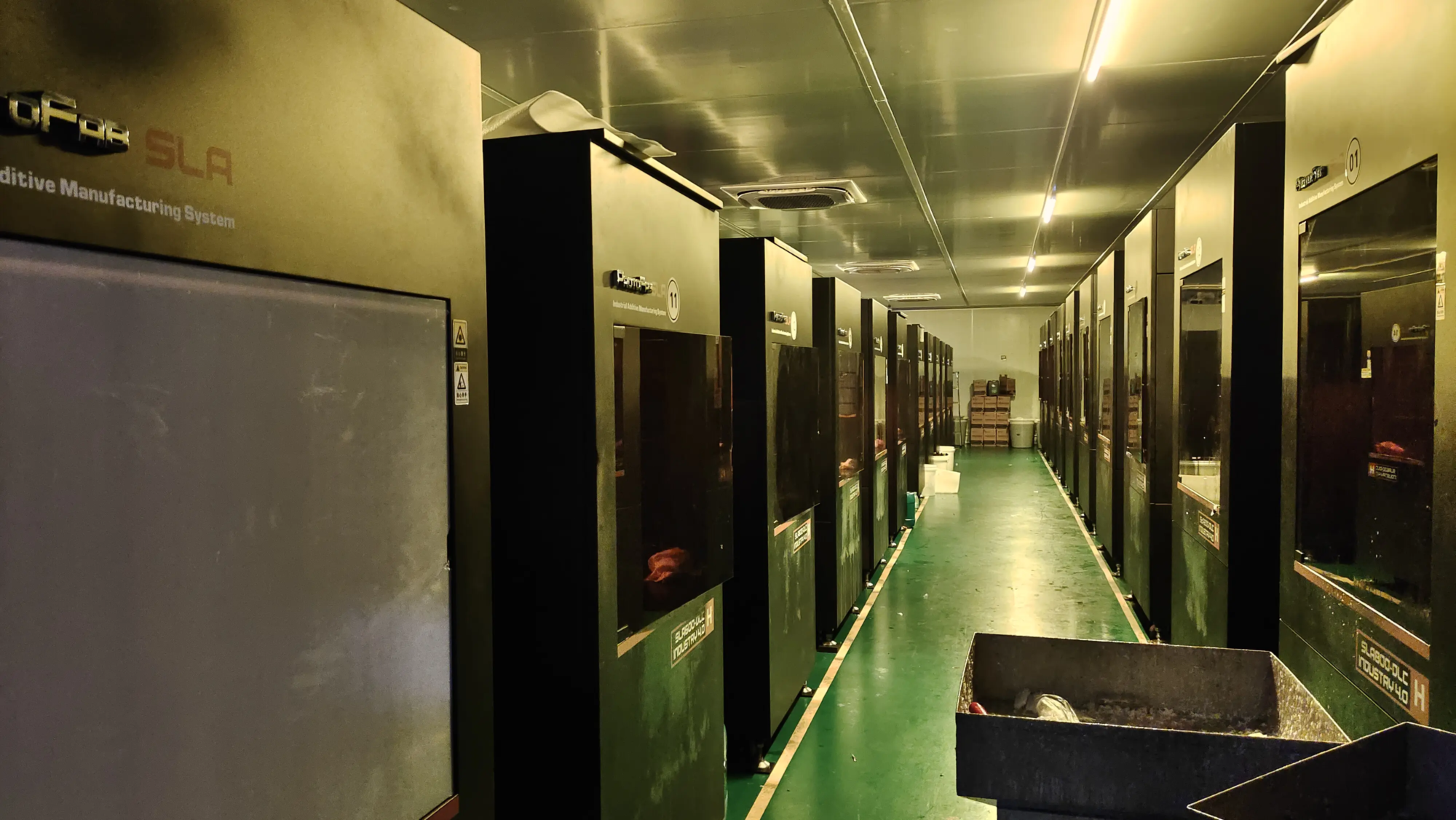
GreatLight utilizes a 600 x 600 x 600mm³ SLM machine to microscopically fuse materials:
- Metal powder fusion: The laser scans layers onto an evenly distributed alloy powder, ensuring isotropic part strength critical for long-lasting dynamic poses.
- Automation support: Software generates a soluble support mesh underneath the complex tail/paws. Fail-proof precision construction simplifies post-processing.
Step 3: Master Post-Processing: Where Art Meets Engineering
The printed squirrel is in one piece but is not yet finished. Professional finishing changes metal raw materials:
- Support removal and cleaning: An ultrasonic bath dissolves the soluble support, minimizing damage to the delicate legs/tail.
- Surface optimization:
- Mechanical: CNC micromachining for perfect dimensions; beading (soft), grinding (precision flatness)
- Chemical: Passivated to prevent rust; electropolished for a chrome-like shine
- Aesthetic: Hand-polished gradient; Microblasted matte texture; Metal plating; Custom powder-coated shades
- Assembly/Integration: Threaded socket; assemble magnetic connector; insert glass eye with precise alignment.
Conclusion: Rustic elegance meets cutting-edge craftsmanship
3D printed squirrel model blends artistic inspiration with engineering durability. But achieving museum-quality realism requires an industrial symbiosis: exceptional SLM printers, metallurgical insight, and exquisite craftsmanship. GreatLight enables rapid prototyping of designs beyond the reach of desktop printers, allowing creators around the world to render delicate grooved claws, titanium-twisting body dynamics, or scientifically correct biomechanics. This is more than just a print when you consider the finely textured tail spiral climbing vines balanced on weight-optimized claws. It transforms ephemeral wildlife moments into permanent custom heirlooms. Quote your project today; partner with Eco Elegance Mechanical Science.
FAQ: Expert answers to your biggest squirrel model questions
Q: Can I print a squirrel with movable joints?
Absolutely! Precision pin hinges using kinematic CAD components + printed on site. Post-processing cleans the interface and enables rotation with minimal friction. May have fractional tail tics/details.
Q: What is the minimum feasible tail thickness for a metal squirrel?
Stainless Steel: 0.8mm; Aluminum/Titanium: 0.5mm – fine powder fusion using SLM printer. We optimized the thinner limbs with thermal deformation simulation pre-builds.
Q: What materials are recommended for outdoor squirrel sculptures?
316L stainless steel – marine grade corrosion resistance. Annual pickling + passivation pairing or electropolishing for weatherproofing. Alternative: Anodized aluminum handles rain/sunlight gracefully.
Q: How to replicate real fur texture?
Digitally engraved staggered fractal ridge pattern + dotted pores. Print resolution down to approximately 20μm – micro-sandblasting adds felt-like matte softness and avoids unusable situations "chicken skin" Roughness.
Q: What is the timeline for delivery of custom squirrel models?
Prototyping requires approximately 1 week post design approval. Painting/multi-tech finishing will add 2-10 days. Expedited Aluminum Prototypes: 5 business day pricing available.
Q: Can I order a larger squirrel than the base photo?
Yes. Utilizes a 0.6 cubic meter build chamber. Gaussian scaling muscle/tail deformation requires topologically aligned structural adaptation. Prioritize horizontal weight distribution modeling.
Q: Can squirrel bronze be lost-wax cast?
certainly! Best suited for complex pattern depths that exceed milling limits. Resin positives are available; GreatLight manufactures silicone investment molds that can be cast with a bronze/stainless steel sand formula.
Unleash creative entomology—or avant-garde practical art—through the brilliance of metallurgy. GreatLight renders mesmerizing crystalline squirrels to your exact dimensions, alloys, and biomechanical ambitions. Explore unparalleled prototyping scope today.