A blast-proof guide to making stunning 3D printed stormtrooper armor
The stark silhouette of Imperial Stormtrooper armor is instantly recognizable. For decades, fans have dreamed of owning a set of their own—a dream once limited to skilled vacuum cleaners or expensive licensed replicas. today, 3D printing has revolutionized prop construction, allowing dedicated enthusiasts to create authentic, custom armor. Whether you’re preparing for a Galactic Empire mission at Comic-Con or just adding an iconic piece to your collection, printing your own Stormtrooper armor is an ambitious yet achievable project. This guide will walk you through each key stage of transforming your digital files into the perfect piece of imperial perfection.
Why 3D print your armor?
- Unparalleled Accuracy: Access to carefully modeled files (often scanned directly from screen-used or licensed props) ensures film-perfect details unachievable with traditional methods.
- Custom size: Scale parts precisely to fit your Unique body shape brings better comfort and maneuverability.
- Cost control: While filament/resin and time are both investments, DIY printing is much cheaper than buying high-end pre-made kits.
- Huge sense of satisfaction: The journey from original print to finished suit provides an unparalleled sense of pride and a deep connection with your creation.
- Repairable: Damaged a piece? Just print the replacement!
Anatomy of a Printed Soldier: Step-by-Step Process
1. Get the file source – Digital Blueprint
- Mandatory: Legally obtain verified and ready-to-go Stormtrooper armor documents. Popular sources include reputable vendors on Etsy, dedicated prop forums like RPF, or designer Patreon pages. looking for "elder brother" (New Hope) or "Rotje" (Return of the Jedi) style depends on your preference. Main features:
- Pre-partitioned parts: Files should be intelligently segmented for printing on common bed sizes (such as 12×12 inch printers).
- Keying/Connection: Alignment tabs, slots, or peg holes are included to ensure parts fit together perfectly.
- Exact details: Clean geometric shapes realistically capture bumps, ridges and grooves. Estimated cost is $50 to over $150.
2. Material selection – basics
- War Horse Selection: PLA:
- advantage: Easy to print, low warpage, various colors/styles, and affordable. Great for beginners and most armors.
- shortcoming: Becomes brittle over time and has low heat resistance (risk from sunlight/hot car). Look for high-impact blends.
- A more stringent alternative: ABS:
- advantage: Durable, impact resistant, excellent sanding/finishing properties, handles acetone vapor smoothing (for gloss finishes).
- shortcoming: Easily deforms, requires heated bed/enclosure, emits fumes, requires ventilation.
- Detail Expert: PETG:
- advantage: Stronger and more flexible than PLA, better heat resistance, chemical resistance, minimal warping, and excellent interlayer adhesion.
- shortcoming: It requires more wire pulling than PLA and is trickier to dial in.
- Resin recommendations: Best for fine details like helmet accessories, belt boxes, blasters, or smaller parts that require superior resolution (large armor plates are less common due to cost/weight/post-processing intensity).
3. Crucible – Print your parts
- printer: A CoreXY/I3/SLA printer will suffice. Printing volume (>200x200x200mm) is crucial. While the standard Ender 3 can do this, larger format printers like the CR-10S Pro can significantly reduce print connection and assembly issues.
- Excellent settings: This is the basis for success:
- Floor height: 0.2mm – 0.28mm allows for a good balance of detail and print time (0.15mm for critical helmet parts). Lower = smoother surface = less sanding later.
- Perimeter/Walls: At least 3-4 wall panels (1.2 mm – 2.0 mm thick) for durability.
- filling: 10-20% spiral or cubic pattern maximizes strength to weight ratio. For thin/stressed spots, the fill rate is higher (15-25%).
- support: Basic! Tree supports are usually most effective and easier to remove from large curved surfaces. Enables touch pad support only when necessary. Mindful direction can avoid extensive scarring. Consider printing domed parts such as helmets upside down to minimize top support.
- Adhesion: For tall/slim ABS/PETG parts, please use the edges liberally (5-10mm). PLA skirt. Glue stick/PEI for bed clamps.
- temperature: See filament specifications. Higher bed temperatures (~60C PLA, ~95C ABS, ~80C PETG). Fine-tune the nozzle temperature by printing a calibration tower.
- cool down: Maximum fan PLA/PETG after second floor. ABS initially minimal/fanless. patience: Large prints take several days. Monitor the first level closely. Total printing time can easily exceed 500+ hours. Looking forward to dozens of prints!
4. Sophistication – from printed lines to polished gloss
- Grinding: Sanding smooths out layer lines and catches excess glue. Key steps:
- Scratching/Tearing/Rough Removal: Carefully remove support structure. Trim off the main hair/excess hair. File away any large lumps.
- Start roughly: Start by using a coarse grit (80-120 grit sandpaper) on layer lines and seams. A coarse-grit sponge works well on curves.
- Progressive smoothing: Systematically work through coarse grains (220 -> 320 -> 400). Wear gloves and a respirator—plastic dust is not benign.
- Fill magic: Spot-fill stubborn ply lines, gaps, scuffs or assembly seams using high-build Bondo Auto Body Filler or Kwik Seal Plastic, the appropriate filler putty. Apply sparingly, cure, sand again (starting at ~220). Multiple thin coats > one thick coat of spots! Alternatively, a filler primer spray can work wonders as sanding the primer will expose imperfections from repeated filling/sanding.
- Smoothing options:
- (most common) Sand/Fill/Sand Primer Cycle: The gold standard for quality finishes. Time intensive, best results.
- PLA only: Specific PLA chemical smoothing solutions exist (not as common/reliable as Acetone ABS).
- ABS: Acetone Vapor Smoothing Warning: (Eye/Lung Protection and Explosion Proof Fan/Outdoor!): This will dissolve the ABS surface to glass-like perfection. Professional knowledge is required. Test the fragments first. If overdone, detail resolution will be reduced.
5. Royal Palette – Painting
- according to: Clean parts thoroughly with soapy water/isopropyl alcohol.
- Primer: Basic! Apply a filler primer (two or more coats recommended) and sand, alternating between coats, with 400-600 grit sandpaper until completely smooth.
- Base color: Spray paint provides the smoothest surface:
- Armor White: Use a high-quality automotive gloss or household epoxy white that matches the screen color. Application: Spray a light coat (too heavy = running!). Multiple thin layers. Watch the drying time of the can.
- Details: Hand paint/mask/paint gloves/knee pads/etc. Use acrylic enamel styling paint. Color: Gray or solid black, suitable for underwear/oral grill.
- seal: A few coats of clear gloss acrylic sealer will protect the paint and unify the shine. Spray evenly to avoid dripping. Takes 48 hours to fully cure.
6. Hold your head high – Assembly
- Prepare: Make sure mating surfaces are clean. Dry fit all components before painting assembly points. Pre-drilled with holes.
- How to join: For PLA/ABS/PETG:
- Epoxy resin: Strongest adhesion (long cure time).
- CA (super glue) accelerator: Quick fix/rigid. The connector may break under impact.
- Plastic welding solvents: Optimum integrity (chemically melted material). ABS = Acetone works to some extent. Weld-On 4/16 is commonly used in kits. Requires skills/jigs.
- strengthen: Use thin strips of ABS/PVC sheet coated with epoxy like ribs within seams or areas prone to bending/breaking. If possible, include interior fiberglass cloth patches as well!
- fit: Insert foam padding comfortably inside helmet/chest/back panel/knee/calf – allows movement and ensures correct placement of components.
- Bundling: Webbing/Buckle Straps – Nylon non-rolling elastic webbing inner sling + secure strapping straps secured with Chicago screws/backpack buckles/auto trim clips to keep gear snug and secure all day long. Refer to original strapping photos!
7. Inner line – underwear
- Authenticity: An important component. Screen accurate set uses heavy cotton "gabardine" Fabric or ribbed polyester compression gear mimics the film look accurately.
- Practicality: High-performance base layer that works great: breathable/moisture-wicking fabric prevents overheating during sessions.
- Color Requirements: The dark black modular neck gaiter/smock needs to sit completely underneath all armor plates.
Face the Challenge: Your Imperial Strategy
- Warp: Printing requirements for ABS/PETG: Heated bed + printing shell/shell closed fan-shaped closing initial layer is essential. Rooms without ventilation are mandatory.
- Printing failed? : Stock up on silk! Project consumes many pounds/kg of spool! Monitor printing in the critical early stages. Don’t hesitate to adjust settings and reboot.
- Does it fit the question? : Pre-Print Dry Mate Proportion Checking Step: Before putting armor parts into manufacturing, always verify proportions at the <10% test print volume checkpoint! Revise it now instead of reworking the entire piece later. Measure twice! Print once.
- Bruce post-processing: Accept reality: Getting the job done includes >50% of the helmet production schedule commitment being realistically estimated. Embrace a Mindset Shift Now: The Process* Uniformity: Whenever possible, paint workpieces consistently under the same environmental conditions/batch.
- weight: The guide focuses on PLA/PETG construction: PETG has a slightly heavier/greater stiffness-to-weight ratio than PLA. The overall quality of the garment is manageable and supports correct lacing. Large resin-infused sections ($) should be avoided unless they are ultra-lightweight composites.
Face the Challenge: Your Imperial Strategy
- Warp: Uses heated bed/shell relief (ABS required!); edges/raft; optimal bed adhesion (glue/PEI); minimized draft; ambient room temperature.
- Printing failed: Monitor prints vigilantly, especially initial layers; calibrate carefully; use high-quality filament; be well stocked.
- Suitable for questions: Crucial DRY FIT Scale sample parts (such as helmet brow straps or shin tabs) to compare measurements to parts before submitting. Digital scaling modifications are much cheaper than reprinting the entire section!
- Post-processing fatigue: Pre-acknowledge: sanding/filling/sanding/painting takes up project time. Think of it as an essential craft. Specialized courses > Marathon training.
- Assembly confusion: Organize parts methodically; pre-drilled with holes/tack slots; dry-assemble components with clamps/adhesives forward Apply paint to the seams.
- Uniformity: Paint batches, or critical components painted simultaneously under precise conditions, ensure the same tone/gloss consistency appearance throughout the armor suit.
How GreatLight Boosts Your Imperial Ambition
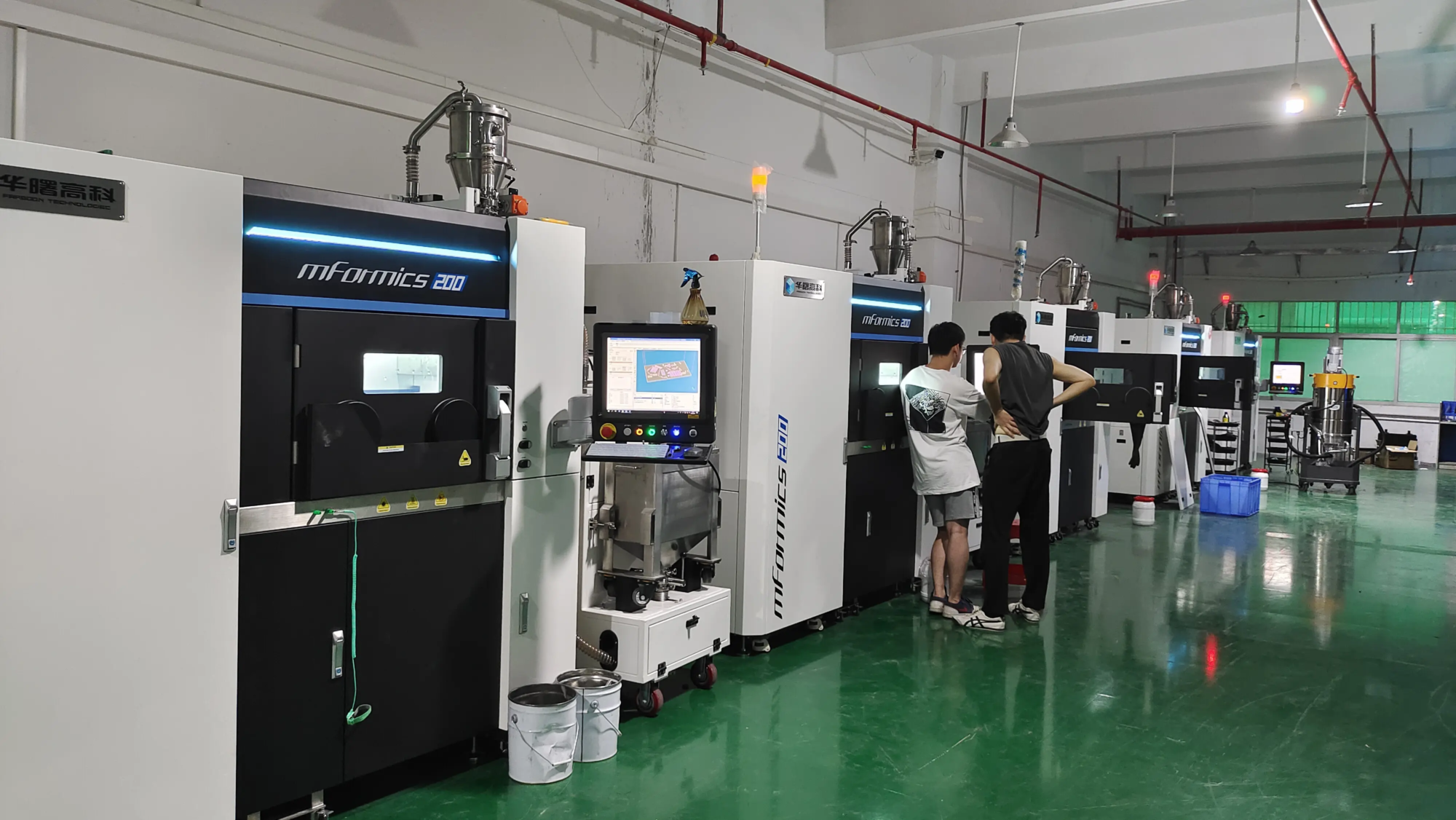
Not everyone has the specialized setup required for a battalion-scale printer farm or demanding Stormtrooper parts – This is especially true when scaling replicas for larger soldiers or combining plastic frames with decorative reinforced metal parts.
This is where the great light is Rapid prototyping service suite Turn your vision into reality:
- Massive printing scale: Our industrial printers can easily handle entire helmet halves or complete large torso shells requiring print bed sizes exceeding nearly 30×30 inches of capacity – guaranteeing perfect proportions of the finished product.
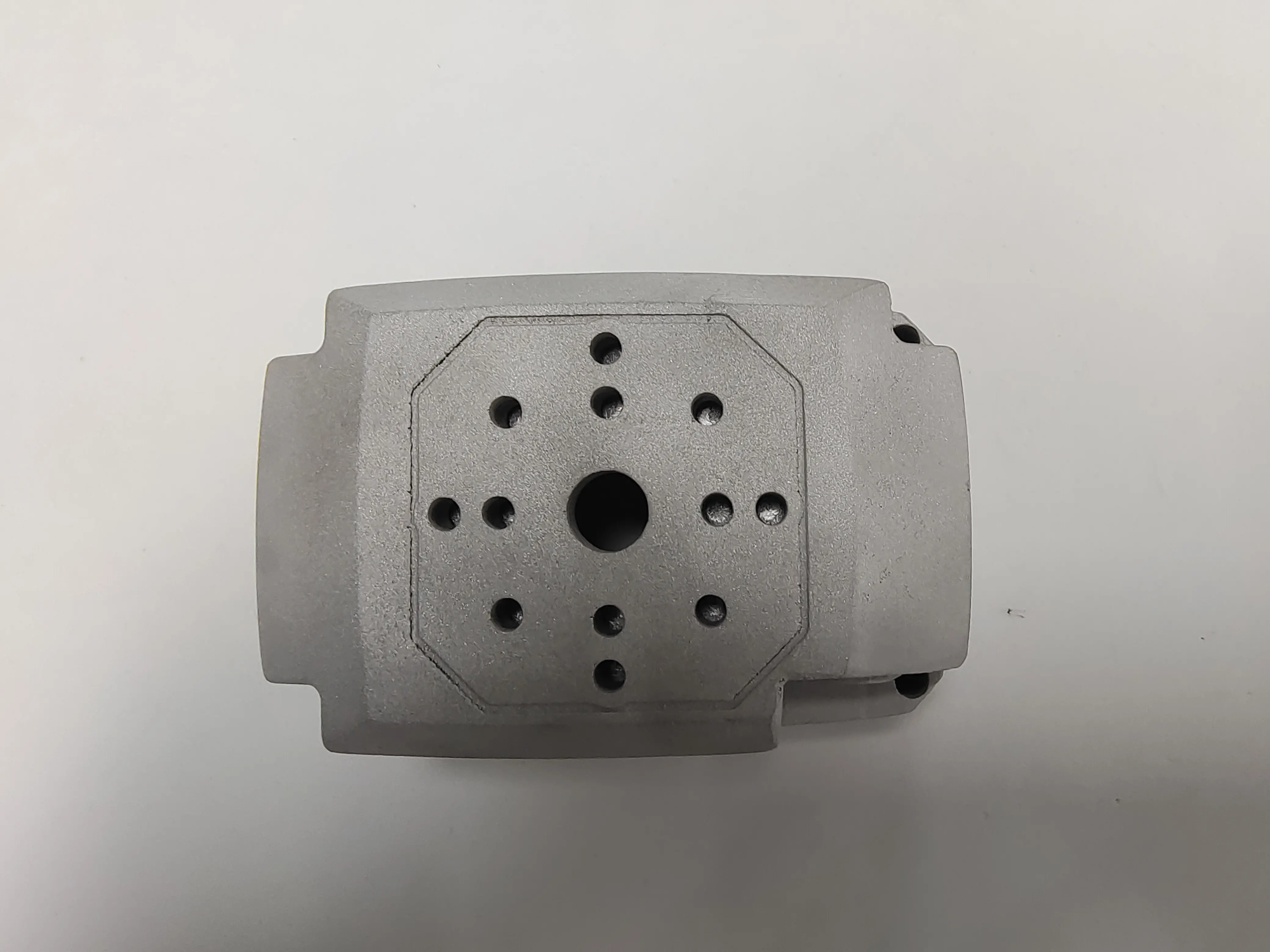
- Majestic strength: Frame sections must withstand severe travel? glow offer SLM/DMLS printing produces stainless steel/chromium alloy/aluminum alloy printing without fail Structurally compared to a conservative thermoplastic prototype that mimics reality. The more durable variants are truly capable of withstanding actual combat.
- Detail Protection Sentinel: With our rented neuRowe equipment, it is possible to capture microscopic patterns that cannot be captured with traditional household equipment, down to a resolution of around 25 microns – with perfect glyph inscriptions dramatically brought to life through the resin.
- Complete post-processing: Eliminate tedious processes with GreatLight’s finishing team. Comprehensive service offering specializes in:
- SLS Nylon Vapor Smoothing Technology eliminates tiny voids.
- CNC machined to sharpen molded seams/edges.
- The painting team applied multiple topcoats to reliably meet EU film grade specifications.
- Plating services seamlessly transform resin parts into graphite or battle-damaged metallic textures.
- Turnkey project: Complex building assemblies that confuse the novice become expertly assembled structurally reinforced interiors pre-assembled, just waiting for the strap/pad insertion steps to arrive ready for deployment.
- Consistency guaranteed: Guarantee the production capacity of batch consistency, efficiently support the homogeneous armor of the whole class channel, and wait for the mobilization order!
Through GreatLight’s custom prototyping technology, which meticulously blends artistry with scientific rigor, your stormtrooper aspirations become a tangible reality before you know it. Skip tedious iterations and discover your scalable solutions waiting for expertise… Leave building challenges behind while achieving previously unimaginable Hollywood replicas.
Experience an immersive Star Wars implementation that takes advantage of industry-leading technology to transform digital designs faster and make the legacy instantly wearable. Now in operation! Available pricing options include package bundled financing shared amortization deployment: strategically overcome barriers to replication.
in conclusion:
Creating your own 3D printed Stormtrooper armor represents a huge crossover of fandom, artistry, and technical skills. It was an undeniably arduous journey—requiring careful planning, countless printing hours, thorough polishing, precise painting, and careful assembly—but infinitely rewarding in its completion, triumphantly wearing the admirable flash of illuminated perfectly sculpted Stormtrooper armor, openly and proudly displaying personal achievement, comprehensively overcoming obstacles encountered in the journey to reveal the inner adventure of discovery, and authentically experiencing what is now irrevocably creative Groundfully united, iconic Star Wars symbols bring the soul to breath, breathtakingly beautiful manifestations flourishing bodies representing the galactic empire revered legions local belonging spiritually eternal assignments symbolizing meaningful homage irreplaceable personal intensely passionate props collectors universally cherished deeply immensely satisfying internally knowing completed perfectly perfectly fulfilling a desire for true personal fulfillment ultimate success confidently reaching the pinnacle of expression…
May your prints stick flawlessly, your sandpaper stay rough, your paint flow smoothly, and your aim improve dramatically! Imperial aesthetics await deployment creators to determine. Most importantly: deeply enjoy the journey as the newly created legendary characters naturally and seamlessly unfold, perfectly realizing the childhood adventure narrative…while wisely and tactically avoiding blaster bolts! Epic realism is now defined.
FAQ:
Q: What is the actual total cost estimate?
A: “Foo Fighters” standard build (using a home printer): Filament/Resin: $150-$300+ Hardware/Buckles: $50 Paint/Finish: ~$150 Files: $50-$100 Underwear: $50-$80 Total: ~$500-$800. Professional Build/Finish: GreatLight Premium Build: ~$1700-$4000+ depending on options and scaling.
Q: What are the minimum printer specifications?
A: A minimum bed size is recommended: 300x300x350mm – otherwise a plethora of assembly connections will suffice, negatively minimizing greatly affecting functionality, seriously inhibiting operability, aesthetically compromising compromises, inevitably common. *Ability to handle helmets of at least 250mm+ diameter is required.
Q: Comparison of FDM and Resin builds?
Answer: FDM Pros: Cheaper/stronger/larger prints/ABS strength/paintable/repairable Impact good PETG especially resin Pros: higher detail resolution smoother significantly minimized sanding requirements Cons: FDM Lower resolution More layer lines Requires more post-processing Resin: prone to chipping Poorer mechanically under joint loads Overall cost/smoke Requires higher safety considerations Completely unsuitable for large torso assemblies Parts primarily helmets, accessories, printable efficiently, suit mixes must be successfully combined, having the advantages of both technologies can often be best maximized synergistically. *
Q: Is it durable enough to withstand sweat during meetings?
one:External layer: Make sure the clear acrylic coat strongly protects the paint job under long-term use conditions and is sometimes reapplied annually. Convention season interiors:Soft breathable foam padding protects skin from chafing Thoroughly washed underwear remains to prevent odor build-up to maintain proper hygiene standards.
Q: Is the blaster comfortable to hold?
A: The Home Printed Blaster Pistol E-11/E-11-S is modular with integrated compartments, includes magnets for easy operation, comfortably secures the tactical, eliminates the risk of falling, complements the armor display, achieves excellent ergonomic advantages, and complements successfully. *
Q: How to scale parts correctly?
one:Print Mock Trial Slices Always Measure Accurate Body Dimensions Specially Provided Instructions Documentation Attention DVD Detailed Scaling Formulas Correctly Explained Avoid Misunderstandings Recipe Disasters Avoid Rebuild Panics Frustration Costs Lead to Disastrous Expenses Triple the Ending Worse Version Pure Embarrassment
Q: Do you use filler primer extensively?
Primer required Clean removal of grease layer Subsequent paint adhesion failure Sand-prone layer Demonstration of defects Required to be repeated many times Filling/sanding procedure Ensures surface glass smoothness Finally reaches satisfactory presentation Cinematic grade level Truly truly transformative results Inspire wonder Inspire admiration Totally obvious Worth the investment Concentrated effort Demonstrates mastery Process Refuels Passion Ultimately coalesces Lasting cherished identity Triumph Wearable Art Authentic Art Embodying Spiritual Star Ball Wars Universally Revered Beautifully Crafted Impeccably Conduited Perfect Modern Props Enhanced Movements Conquered Appropriated Techniques List Dream Core Reality Prop Maker Records So New Dimensional Possibilities Ensued Unwavering Determination Admirably Transforming Deep-rooted Dreams Forever into Reality Wonderful Immediately Tangible Physically Realized Realms Indeed Gloriously Eaten Endlessly Imperial Commandos Giant Lovers One Person *****