Forging the Power of the Omnissiah: A Comprehensive Guide to 3D Printing Warhammer 40K Dreadnoughts
The thundering pace of Dreadnoughts across the battlefield is an iconic sight in the harsh darkness of Warhammer 40,000. Buried with fallen heroes, these venerable war machines are more than just units; they are symbols of unwavering determination and devastating firepower. Traditionally, getting these miniatures meant spending money on Games Workshop kits – expensive and sometimes scarce due to production cycles. But now, the liberating power of 3D printing is giving enthusiasts unprecedented freedom to deploy custom, unique dreadnoughts. This guide delves into the art and science of bringing your own walking tomb to life, catering to FDM and resin enthusiasts alike, while exploring when professional metal fabrication can enhance your creations.
Why 3D print your dreadnought?
- Cost efficiency: Printing a Dreadnought, especially a complex Forgeworld variant or a unique design, is much cheaper than buying an official resin or plastic kit.
- Endless customization: Unleash your inner tech priest. Modify weaponry, add chapter-specific icons, create completely unique variants or scale the model to fit your vision.
- Auxiliary functions: Obtain designs that are no longer in production or create proxies for units that are not available in the local meta.
- Creative realization: The journey from digital files to physical models is incredibly rewarding and can deepen your connection to the military.
Browse the STL landscape
The journey starts with your STL file:
- Reputable Sources: Explore trusted platforms like Cults3D, MyMiniFactory, Patreon creators and the dedicated Warhammer printing community. Preference is given to designers known for quality engraving optimized for printing.
- Original design: To get truly unique, learn a CAD tool like Blender or Fusion 360. It takes skill and dedication, but yields unparalleled results.
- Legality and Ethics: Respect intellectual property rights. Avoid directly copying GW’s unique design. Focus on inspired pieces, universal designs, or heavily modified proxies. Supporting creators who respect GW’s intellectual property is vital to the health of the community.
Choose your manufacturer: FDM vs. resin printing
- FDM (filament printing):
- Best for: Larger dreadnought chassis parts, terrain parts, heavier weapons parts. Great for sturdy toys.
- advantage: Lower printer costs, durable prints, readily available materials.
- shortcoming: The lower resolution makes small details (rivets, fine engravings, intricate weapons) difficult. Extensive post-processing (sanding, filling) is required to obtain a smooth surface. "stepped" Very common on curves. Support removal on complex shapes can be messy.
- Material: PLA+ (best balance of ease of use and strength), ABS/ASA (higher heat resistance, tougher but more difficult to print).
- Resin (MSLA/DLP/LCD printing):
- Best for: Capture the incredible detail of the Dreadnought – intricate panel lines, scrolls, skulls, weapons barrels, smaller decorative elements. Essential for display quality models.
- advantage: Excellent detail resolution, smooth surface finish on the print platform (minimal layer lines). Great for organic shapes and undercuts.
- shortcoming: Due to the handling of toxic resin vapors and liquids, a dedicated ventilated work space is required. Post-processing is mandatory (cleaning and curing). Prints are generally more brittle than FDM.
- Material: Standard resin (rich detail, slightly brittle), tough/durable resin (better impact resistance for gaming), ABS-like resin (good blend of detail and toughness).
The printing process revealed (resin example):
- Prepare: Carefully level the build plate. Make sure the resin is thoroughly mixed.
- support: Supports are then automatically generated in slicing software (Chitubox, Lychee) Manual grinding. Critical! Anchor support points, reinforce thin sections, and orient models to minimize large support cross-sections. Printing at an angle (~45 degrees) often minimizes layer lines and large support scars. Hollow out the thick part, but remember to add drainage holes!
- slice: Choose a layer height: 0.03mm for super detail, 0.05mm for a good detail/speed balance. Adjust exposure time based on resin specifications and temperature.
- print: Monitor for failures (especially the initial layer). Maintain a stable temperature (ideally 25-30°C).
- Post-processing: Clean the parts thoroughly in IPA (or special cleaner) stirred with a brush. Cure under UV light according to resin specifications – avoid over-curing to avoid becoming brittle.
Post-processing and assembly: creating perfection
- Resin: Carefully remove the support (flat end mill, hobby knife). Shato scars are smoothed. Fill small dents with UV resin or filler putty. If exposed to uncured resin, clean again.
- Frequency division multiplexing: dense Needs finishing: sanding (coarse at first, then fine), apply filler primer spray, repeat sanding, more primer. Green Stuff/Milliput’s Gap. Patience is crucial here.
- Preparation for painting: Both types require a good primer. Resin usually requires minimal prep work other than cleaning/sanding the scar; FDM requires a lot of effort to get the paint looking good.
Upgrade your dreadnought: where metal meets miniatures
While plastics and resins excel at detail, what if you want unparalleled strength, a heavy realism akin to a metal cast model, or complex metal parts that challenge traditional casting? This is where cutting-edge additive manufacturing enters a new dimension with metal 3D printing.
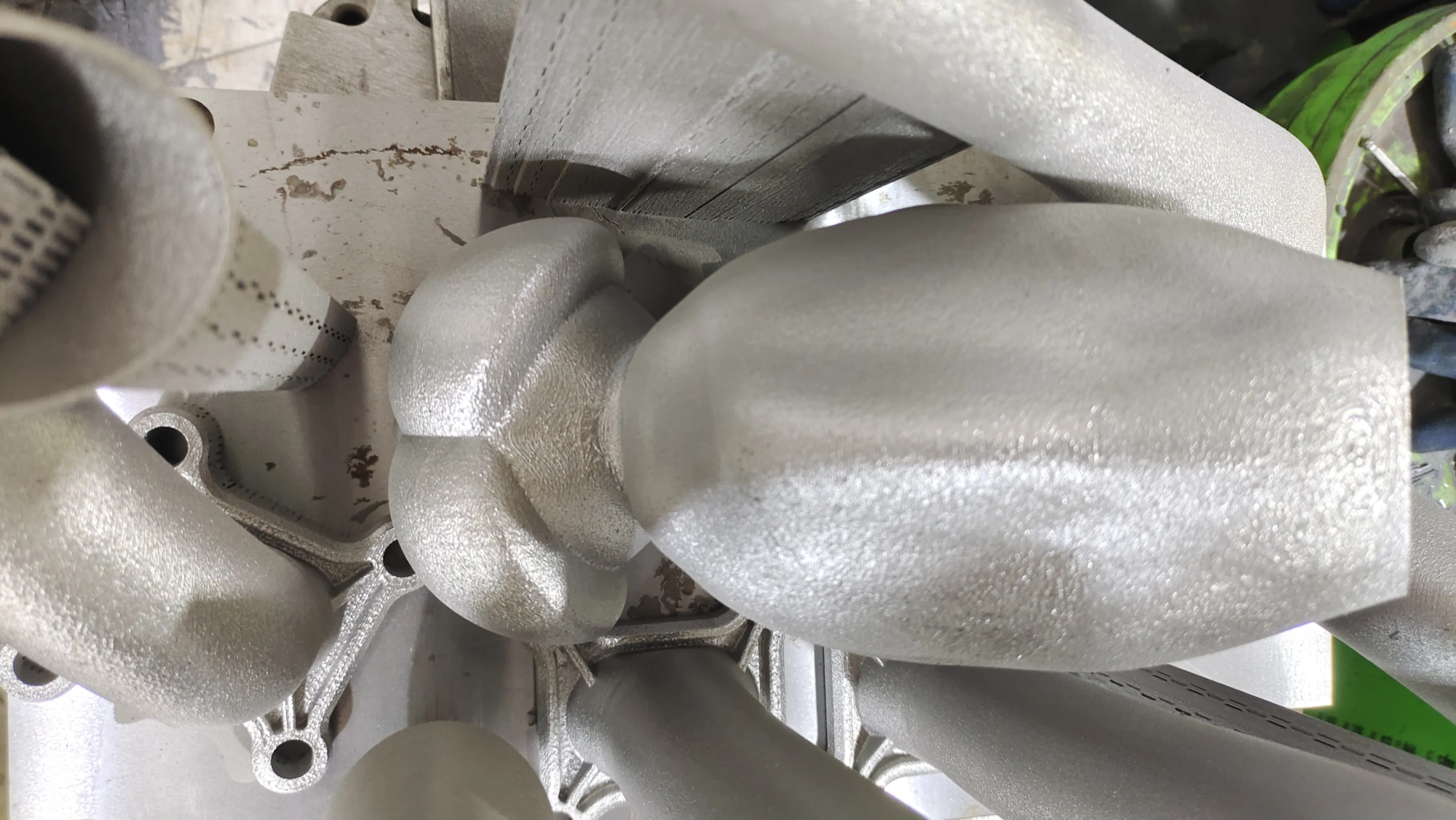
Utilizing SLM (Selective Laser Melting): Technologies such as SLM use high-power lasers to fuse fine metal powders (stainless steel, titanium, aluminum alloys). It generates fully dense, extremely strong parts directly from digital files.
Why choose metal 3D printing for your dreadnought?
- Unparalleled durability: Titanium or tool steel parts can withstand impacts that plastic or resin cannot. Ideal for attachment points such as the hip joints that bear weight during play.
- Superior detail fidelity: SLM resolution is comparable to resin printers, but not like metal printers! Achieve complex geometries, internal features and surface textures not possible with machining. Think of a highly articulated piston, an ultra-complex engine block, or a radiator that actually functions.
- Weight and feel: A real dreadnought should have weight. Metal parts provide stability and a premium, satisfying feel.
- Custom functional elements: Embed magnets into printed structures to create integrated mounting points, or design locking mechanisms directly into weapon loads.
- Cooling components: Print complex heat sink structures using thermally conductive alloys for heavy plasma weapon models that require visual heat sinks.
Turning metal dreams into reality: professional partnerships
Performing metal SLM printing is not yet a hobbyist operation in the garage. It requires high-cost industrial equipment, a controlled environment and deep metallurgical expertise. This is where working with a professional rapid prototyping manufacturer becomes invaluable.
Companies like GreatLight are ready to transform your dreadnought vision. They specialize in rapid prototyping, operate advanced SLM high-precision metal 3D printers, and have deep production expertise. Their features directly address common hobbyist challenges:
- Materials expertise: Experience printing stainless steel, titanium, aluminum, tool steel – learn about their properties (strength to weight ratio, polishability) in micro-scale applications.
- Design optimization: They act as engineers, providing advice on designing parts specifically for SLM – optimizing strength direction, minimizing bracing/clearance, ensuring structural integrity of the thin sections critical to microcars.
- Precision post-processing: Master key steps beyond printing: heat treatment (stress relief), precise support removal, complex part cleaning, machining critical interfaces, and complex surface finishing (such as CNC milling or polishing) to achieve stunning micrometal parts.
- Scalable one-stop shop: Work on prototypes, single complex components, custom one-off creations or small series production – from initial digital file consultation to final finishing.
Combining detailed resin-printed armor plates and trim with a rugged, thermally optimized metal chassis or an internal mechanical frame forged via SLM creates a hybrid dreadnought with unparalleled quality, authenticity and resilience, bridging the gap between intricate detail and functional toughness.
Conclusion: The future of the Legion? Your printer carriage awaits you
3D printing has forever changed the face of Warhammer fandom. It enables you to create legendary dreadnoughts that reflect your vision, chapter, and battlefield role. Whether you embrace the economics of FDM, revel in the stunning detail of resin, or aspire to push the boundaries of hardcore metal parts manufactured through professional SLM services like those offered by GreatLight, the technology is there. Success depends on mastering every step: sourcing ethical designs, understanding your printer’s capabilities and limitations, careful preparation and post-processing, and exploring innovative solutions beyond plastics. So fire up your comms caster, activate the machine spirit, prepare your STL files, and unleash your uniquely forged Dreadnaught on the table! Approved by the Mechanicus.
Frequently Asked Questions (FAQ): Answers to your Dreadnought printing questions
Q1: Is it legal to 3D print Warhammer 40K Dreadnought?
Answer: This question is very subtle. print Copy directly Exact reproductions of Games Workshop’s unique character Dreadnought or its protected designs infringe copyright and are illegal. However, creating original designs, generic dreadnought proxies (with significantly different aesthetics), numerous kit designs based on purchased parts, and downloading user-created files be inspired But not copying GW IP exists in a legal gray area. Supporting STL artists who clearly design original works avoids the risk of infringement and supports the community.
Question 2: Which printer type is really best for Dreadnoughts?
Answer: There is no single winner:
- Resin is the king of details: Essential for intricate armor plates, weapon details, imagery and small decorative elements. Get an unparalleled surface finish without sanding.
- FDM suitable for bulk and armor: Ideal for larger structural pieces such as main frames, leg sections or thick armor plates where fine details are secondary. Large prints are faster and less expensive per sheet.
- A hybrid approach is optimal: Use resin to create detailed parts and FDM to create large, smooth structural parts. Consider professional SLM printing of premium metal functional parts that require extreme strength.
Q3: My resin prints always fail! How to solve common problems?
Answer: Most failures can be traced to:
- support: Insufficient, poorly positioned or weak support is the number one culprit. Spend extra time manually optimizing layout and thickness.
- Build plate adhesion: Ensures perfect leveling and proper underlying exposure time/delay.
- Ambient temperature: Too low (<20°C) greatly increases the chance of failure. If needed, use a print environment heater.
- Resin settings: Exposure time too low/high? Follow the resin manufacturer’s specifications and calibrate the filter regularly.
- Support anchor failure: Hollowing out thicker sections without adding large drainage holes can create a suction cup effect, tearing the print off its support.
Q4: How difficult is it to draw a 3D printed dreadnought compared to the official kit?
one:
- Resin: After removing the supports and cleaning up the scars, it’s almost identical to the official resin kit. The primer adheres well.
- Frequency division multiplexing: Much more difficult. Layer lines and print artifacts require extensive sanding, filling (often multiple cycles), and priming/sanding again to achieve a smooth finish