Unleash your creativity: The ultimate guide to custom 3D printed keycaps
Mechanical keyboards are more than just tools, they are expressions of personality. While keycap customization has traditionally relied on mass production, 3D printing has revolutionized the fieldallowing enthusiasts to design unique, functional pieces of art. This guide takes an in-depth look at the entire process of custom 3D printed keycaps from design to finishing, combined with insights from cutting-edge manufacturing expertise.
Why choose 3D printed keycaps?
Traditional keycaps use fixed molds that limit creativity. 3D printing democratizes designenable:
- hyper-personalization: Logo, texture, ergonomic shape or theme design.
- Material flexibility: Experiment with plastic, resin or metal.
- Iterate quickly: Test prototypes in days instead of months.
- Unparalleled complexity: Hollow structures, interlocking patterns or integrated electronics.
The journey to custom keycaps: step by step
-
design stage
Using CAD software (Blender, Fusion 360), designers can focus on:- Stem Compatibility: MX lever (vital!) or optical switch.
- Ergonomics: Sculpted contours for comfort.
- wall thickness: 1.2–1.5mm ensures durability and no deformation.
- clever adjustment: Increase the gap for LED backlight or sound isolation function.
Pro tip: Start with an open source template (such as Thingiverse) and modify it.
-
Material selection
metal keycaps: Ideal for luxury/heavy duty use.- aluminum: Lightweight, anodizable.
- Stainless steel: Polished elegance.
- titanium:Aerospace grade strength.
Plastic/resin alternatives:
- Resin (SLA): Super detailed artistic keycaps.
- Nylon (SLS): Flexible and impact resistant.
-
printing technology
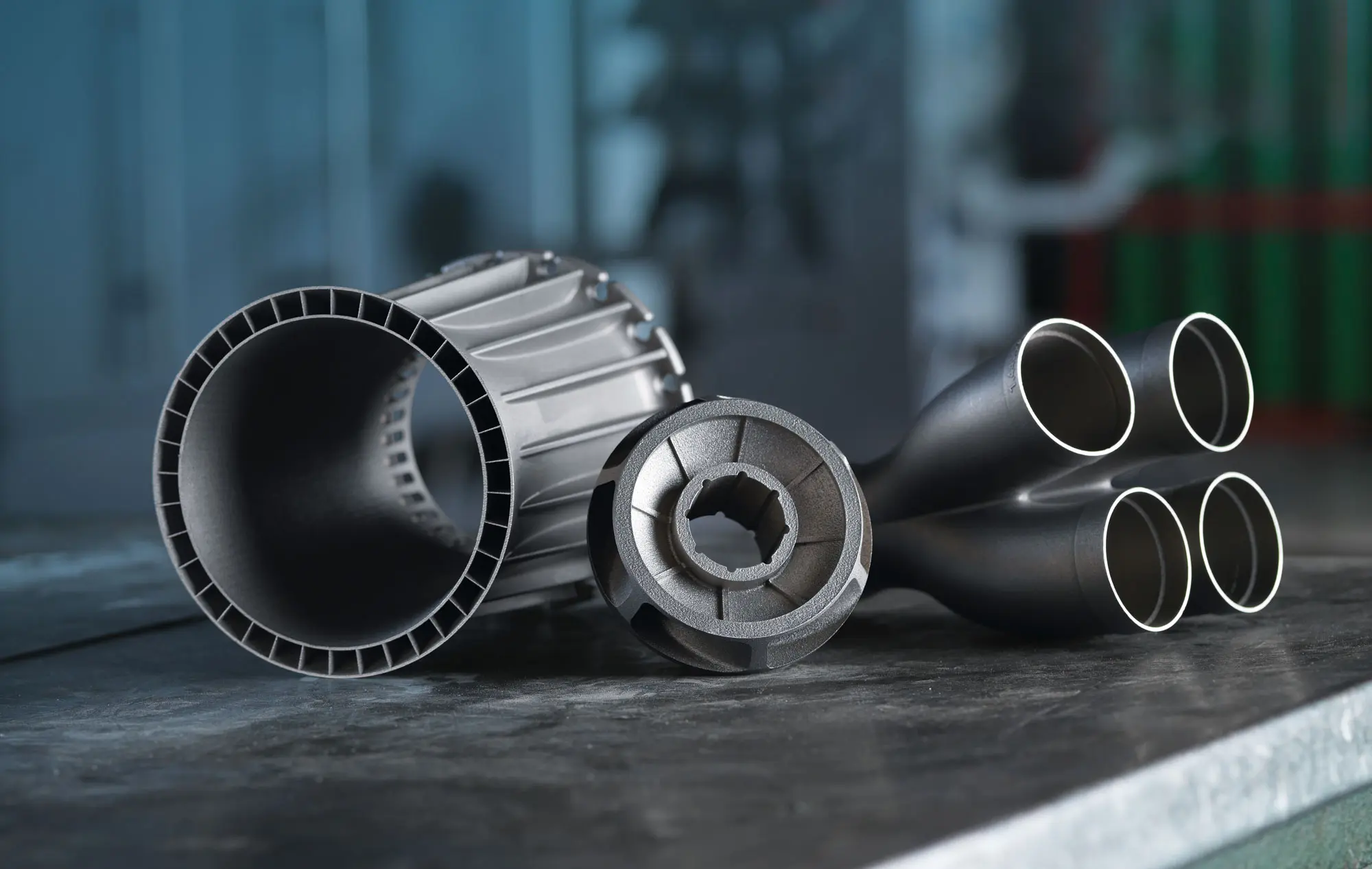
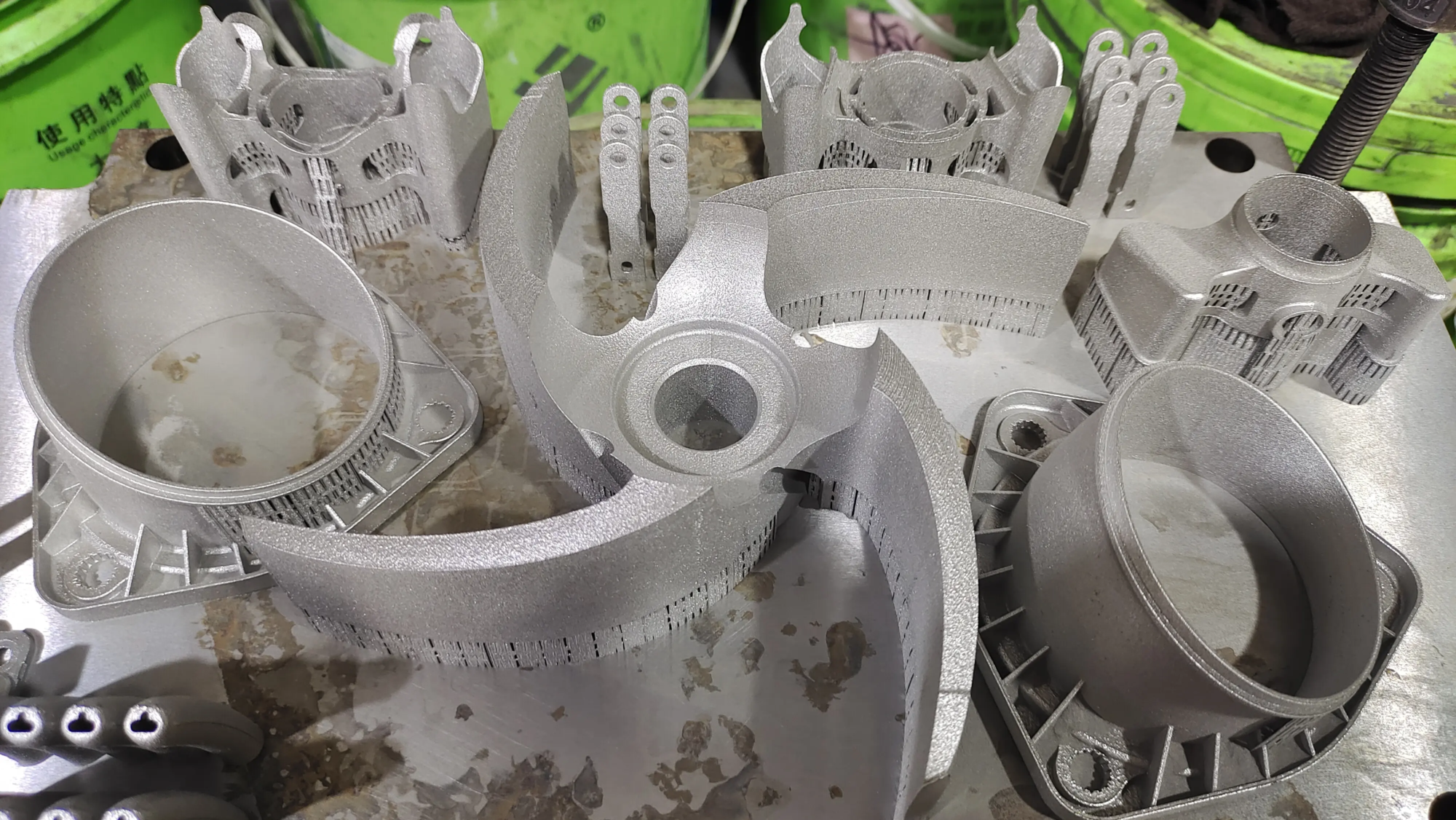
- SLM (metal): Laser fusion of metal powders with unparalleled precision and density.
- SLA: Resin captures microscopic details like craftsman figures.
- frequency division multiplexing: Cost effective for functional prototypes.
- Excellent post-processing
The original print needs improvement. Key steps:- Metal: CNC machined stems for perfect tolerances, plated or sandblasted.
- Resin/Plastic: Steam smoothing, primers and enamels.
Overcome key challenges
- Valve stem tolerance error: ±0.05mm deviation may cause shaking. Solution: Precision SLM/SLA ensures valve stem accuracy.
- Material suitability: Inferior plastic is deformed or cracked. Solution: Choose engineering-grade nylon or metal.
- feeling and sound: Hollow design echoes; dense metal will change the acoustic effect. Solution: Foam-filled prototypes or optimized filling density.
Why work with Gretel?
While desktop printers trade precision for accessibility, huge light Delivering industrial-grade perfection. As a leader in rapid prototyping:
✅ Metal strength: SLM printers create titanium, steel or aluminum keycaps with microscopic precision.
✅ Completed end-to-end: From smoothing to plating – without the hassle of outsourcing.
✅ speed to market: Complete functional prototype within 72 hours; batch within 7 days.
✅ material freedom: Available in metals, composites and engineered polymers.
Your vision, perfect design
Whether you’re an independent designer looking for micro-batch production or brand-scale production, GreatLight bridges the gap between creativity and manufacturability.
in conclusion
Custom 3D printed keycaps transform your keyboard into a storytelling canvas. Innovations like metal printing redefine durability and aesthetics, while services like GreatLight remove traditional prototyping barriers. Embrace custom design – no compromises.
FAQ
Q1: Are 3D printed keycaps durable?
Answer: Metal keycaps (aluminum/stainless steel) are better than ABS plastic. Plastic requires high quality resin/nylon. Post-processing such as annealing can enhance the printing effect.
Q2: How accurate is the 3D printed stem?
Answer: The accuracy of industrial-grade SLM/SLA reaches ±0.05mm. GreatLight uses CNC finishing technology to achieve a seamless stem switch fit.
Q3: Can I print backlit translucent keycaps?
Answer: Yes! Transparent resin (SLA) or special filament can achieve light diffusion. Design internal channels to optimize luminescence.
Q4: What is the cost range?
A: Plastic lid: $5–$25/unit (depending on lot). Metal: Custom finishes $10-$50+.
Q5: What impact do metal keycaps have on the feel of the keyboard?
A: They add weight for stability and a premium feel, but change the acoustics. Lighter metals such as aluminum balance wheels.
Q6: What is the minimum order quantity?
A: GreatLight supports everything from one-off prototypes to mass production, with no strict MOQ.
Q7: How long does production take?
A: Prototype production takes 3-5 days; batches ship within 5 to 15 days, including finishing.
Ready to realize your design?
Reimagine your keyboard with GreatLight’s rapid prototyping ecosystem.
[Explore Unlimited Customization] — Submit your design for instant DFM analysis and pricing.