Unleash Your Gaming Identity: The Ultimate Guide to Customizing a 3D PS5 Controller
Ever glanced at your standard PlayStation 5 controller and wished it reflected your Style, grip, or even performance needs? you are not alone. In such cases as 3D printingespecially metal. Let’s dive into the exciting world of custom PS5 controllers and discover how cutting-edge technology makes unprecedented control and style truly within your reach.
Why customize? More than just looks cool
While aesthetics are a major draw (imagine a controller inspired by the aesthetics of your favorite game or a gleaming unique metallic finish), the benefits of a custom 3D printed PS5 controller run much deeper:
- Ergonomic perfection: Ready-made controllers suitable for "average" hand. What if your grades are uneven? 3D printing allows for precise customization of contours, grip thickness, button placement and overall shape your Hand anatomy. This reduces fatigue during a marathon and can significantly improve comfort.
- Performance optimization: Gamers looking for every millisecond of advantage can integrate features like increased thumbstick tension, optimized rear button paddle placement, improved temperature-regulated airflow (especially important for high-power, precision electronics), and even redesigned trigger mechanisms based on specific game types.
- Enhanced durability: Utilizing advanced metal materials through technologies such as Selective Laser Melting (SLM) can create parts that are stronger than standard plastics. Critical stress points – thumb lever, trigger, housing sections – benefit greatly from the strength and heat dissipation properties of metal.
- Unique identity: This is pure expression. Intricate geometric patterns, personalized logos etched into the metal, themed color schemes using specialized finishes, and even unique textures are all possible. Your controller will become a truly iconic piece.
Powerful players: Materials are very important
Choosing the right material is fundamental. While aerospace-grade polymers have their place, metal 3D printing brings unique advantages to controllers:
- Aluminum alloy (e.g. AlSi10Mg): The superstar of custom controllers. An exceptional blend of lightweight properties, good strength, excellent thermal conductivity (to dissipate heat from electronics), and excellent machinability for fine detail and post-processing. Easily anodized for vibrant, scratch-resistant color.
- Titanium alloys (e.g. Ti6Al4V): Achieving the ultimate strength-to-weight ratio and incredible corrosion resistance. Ideal for creating extremely durable and lightweight components. Highly biocompatible and offers a unique finish.
- Stainless steel (such as 316L, 17-4PH): Offers superior hardness and abrasion resistance, ideal for high abuse areas such as trigger mechanisms or buttons. Highly resistant to corrosion and can be polished to a brilliant luster.
Build your vision: a journey from idea to gameplay
Creating a custom metal PS5 controller isn’t magic—it’s a blend of advanced engineering and art. The process usually unfolds like this:
- Concept and design: Work with designers who specialize in ergonomics and gaming hardware. Share your ideas, ergonomic requirements and aesthetic vision. Detailed 3D CAD models are created and rigorously analyzed (FEA) to ensure structural integrity and fit with Sony’s internal components.
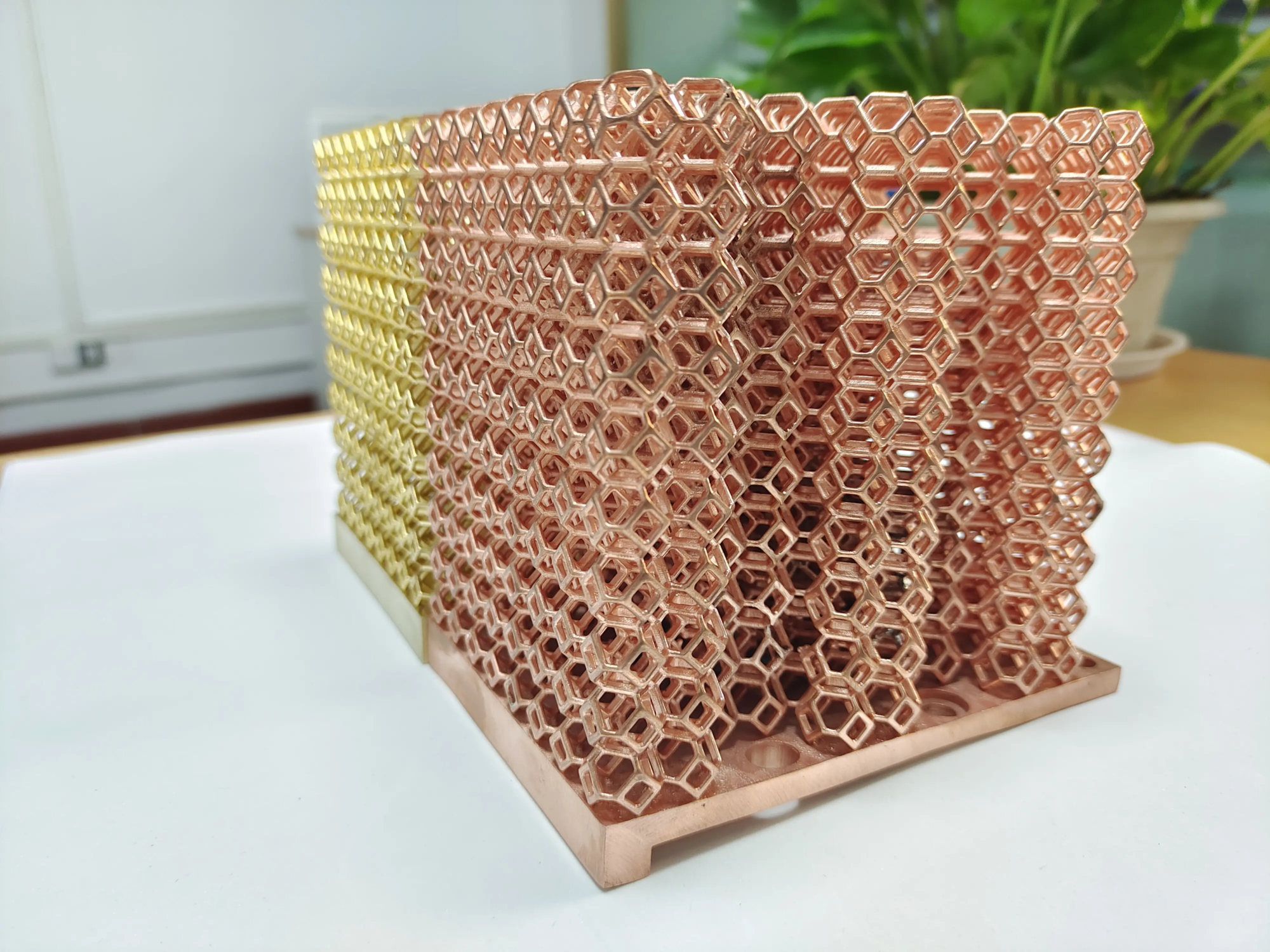
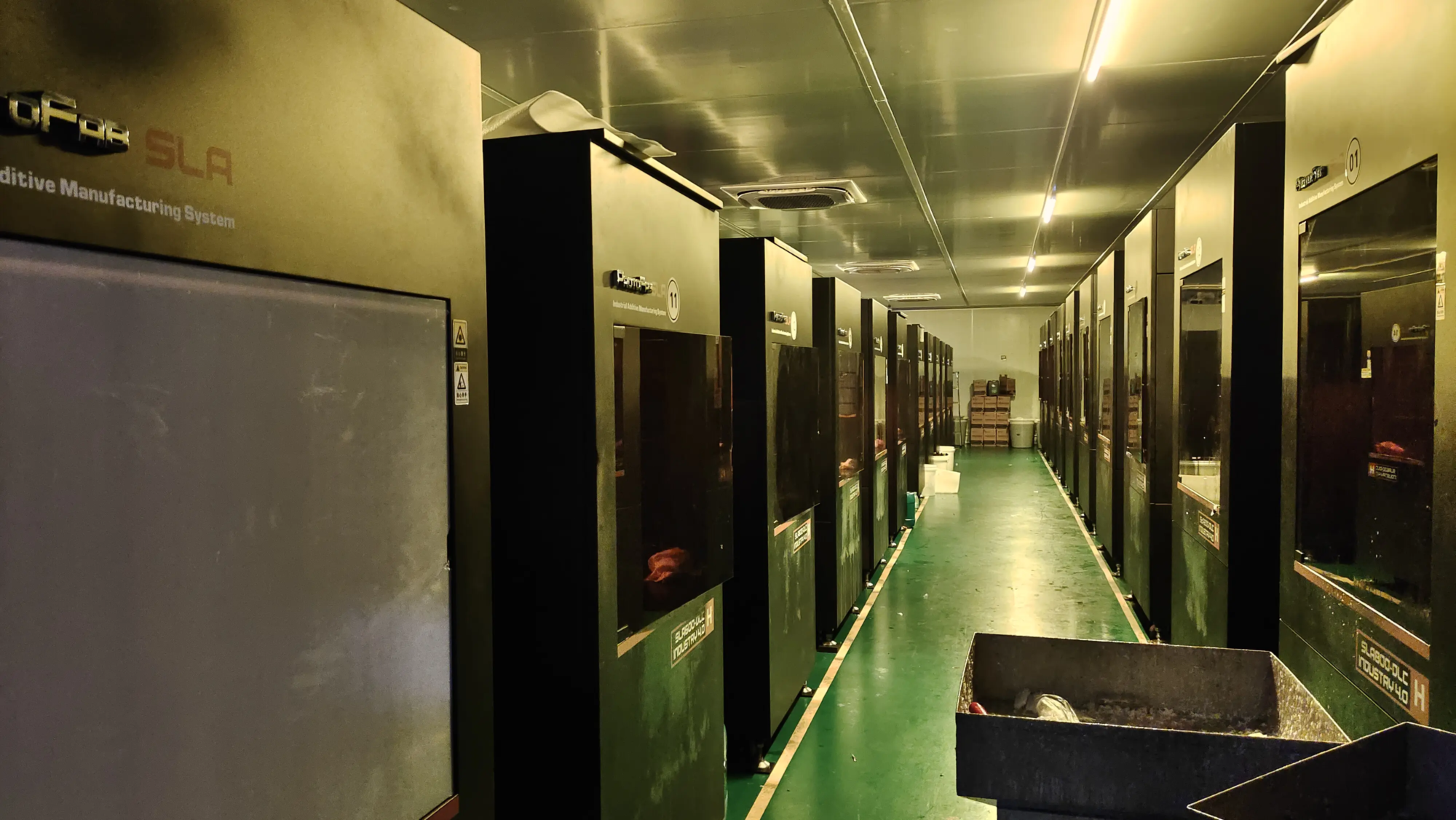
- Precision 3D printing (core): This is what manufacturers like huge light shine. Parts are carefully manufactured Industrial Selective Laser Melting (SLM) Printers. These machines build components layer by layer from fine metal powders and fuse them with high-powered lasers. This makes extremely complex custom geometries impossible to achieve with traditional manufacturing.
- Necessary post-processing: The original metal print requires refinement:
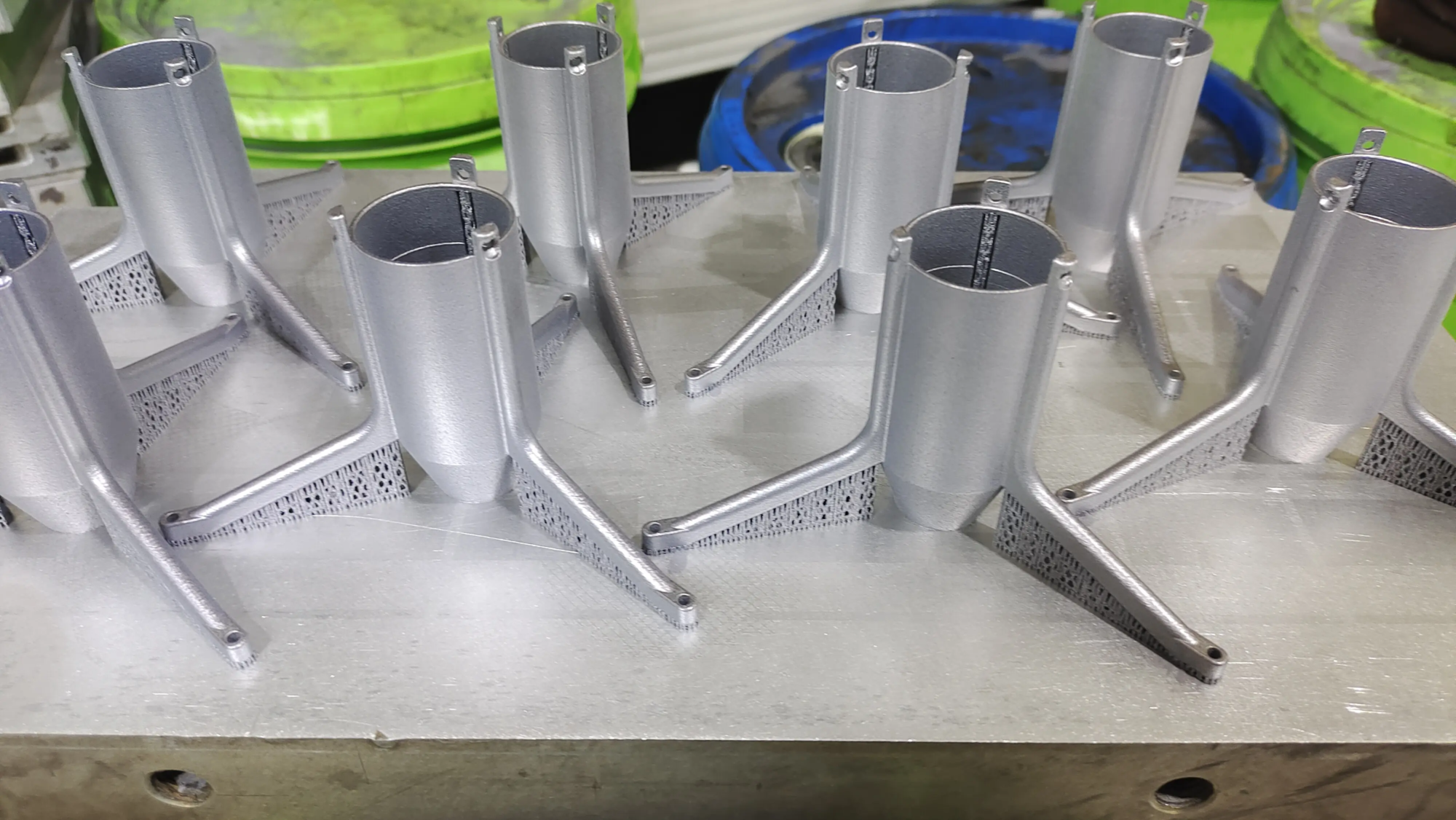
- Support removal: Carefully remove the structure holding the part in place during the printing process.
- Heat treatment: Ensures optimal material properties and eliminates residual stresses.
- Precision machining: CNC machine critical interfaces (screw holes, button openings, trigger pivots) to micron tolerances for flawless fit and function.
- Smooth and polish: Achieve desired surface finish, from matte texture to mirror gloss. Use techniques such as grinding, polishing, laser ablation, shot peening or steam smoothing.
- Finishing touches: Anodize (for color), laser engraving, custom paint or protective coating for longevity and beauty.
- Meticulous assembly and testing: Skilled technicians assemble precision-fabricated metal components with high-quality internal electronics (buttons, circuit boards, triggers) to ensure perfect fit, electrical functionality, button responsiveness, and overall integrity. Rigorous stress tests often simulate intense gaming sessions.
Why work with experts like Ferrite?
Working on a custom metal PS5 controller project requires more than just a 3D printer. It requires deep expertise across multiple disciplines:
- Advanced SLM technology: Using industrial-grade metal additive manufacturing equipment ensures high density, material purity and dimensional accuracy, which are critical for high-performance parts.
- Material mastery: Gain insights into how different alloys perform during printing and post-processing to achieve the desired strength, weight and aesthetics.
- Engineering strength: Expertise in design for additive manufacturing (DfAM) ensures parts are printable, functional and robust. Structural Analysis (FEA) identifies and eliminates potential weak links before printing.
- Post-integration processing: True one-stop capability—from raw printed metal to beautifully finished parts ready for assembly—eliminates logistical headaches and ensures seamless quality control throughout the entire workflow.
- DNA rapid prototyping: Companies specializing in rapid prototyping, e.g. huge lightdesigned for customization and low-volume, high-complexity production. They iterate quickly, proactively solve complex problems, and efficiently deliver functional prototypes or end-use parts.
Conclusion: Up your game
A custom 3D printed PS5 controller becomes more than just a peripheral; it becomes a tangible extension of your gaming identity and ambitions. The fusion of personalized ergonomics, optimized performance through solid metal components and a truly unique aesthetic creates an experience unmatched by mass-market options. Utilizing advanced SLM metal printing and professional finishing, possibilities that were only dreamed of years ago can be realized. If you’re serious about comfort, performance, and having a controller that’s as unique as your gaming style, exploring custom manufacturing with an experienced rapid prototyping partner is next level. It’s an investment in superior ergonomics, enhanced durability and undeniable style – designed with you in mind.
Ready to turn your vision into reality? Find a partner who specializes in precision metal prototyping – your perfect controller is waiting for you.
FAQ: Your Custom PS5 Controller Questions Answered
-
Is the metal 3D printing controller much heavier than the standard DualSense?
- not necessarily. While metal is denser than plastic, strategic design (using latticework, thin-walled structures) can keep weight in check. Materials such as aluminum alloys have excellent strength-to-weight ratios, often making controllers comparable or only slightly heavier than existing models, allowing for ergonomic weight distribution.
-
Are these custom controllers compatible with all PS5 features?
- Compatibility depends heavily on the design and assembly process. Reputable manufacturers design cases to properly house Sony’s original electronics. This ensures full compatibility with standard features (haptic feedback, adaptive triggers, motion controls, touchpad, speakers/microphones) to maintain the PS5 experience. Clarify feature compatibility with your chosen manufacturer up front.
-
How durable is a custom metal controller compared to plastic?
- Compared to ABS plastic, metal parts (especially aluminum or titanium alloys) often have superior impact resistance, compressive strength and wear resistance (such as rod drift caused by plastic socket wear). Metal parts won’t bend or break under pressure like plastic cans. This significantly extends the service life of critical structural components.
-
What is the turnaround time for a custom controller?
- This varies greatly based on design complexity, material selection, surface finish, and manufacturer’s queue. Simple designs may take 3-4 weeks; highly complex projects with multiple iterations and complex completions may take 8-10 weeks or longer. Discuss timelines with your prototyping partner beforehand.
-
How much does it cost to custom 3D print a metal PS5 controller?
- Cost depends heavily on the following factors: design/material complexity (titanium > aluminum), quantity and complexity of printed parts, required machining/precision level, and chosen surface finish. Cost is typically much higher than a standard controller, often starting in the hundreds of dollars and scaling up, reflecting the custom engineering, advanced manufacturing, and hand finishing involved. Request a quote based on your specific design vision.
-
Can I design my own controller housing, or do I need professional help?
- While technically feasible, designing a Fully functional, ergonomic and printable Customizing the controller enclosure requires extensive expertise in CAD, DfAM, ergonomics, and understanding of PS5 electronics integration. Most hobbyist designs may fail structurally, functionally, or ergonomically. It is highly recommended to work with an experienced professional designer or prototyping company to transform your vision into a successful product.
- Do the metal controllers have a comfortable texture/feel?
- Excellent post-processing is a key differentiator. Techniques like steam smoothing, sandblasting (which creates a fine matte texture), or contour polishing can create surfaces that are comfortable and grippy to the touch—often preferred by serious gamers. Anodized layer increases grip. Any sharp edges are carefully machined and smoothed during the finishing process. It feels distinctly premium and solid.