Unlocking the potential of custom 3D printed chastity cages
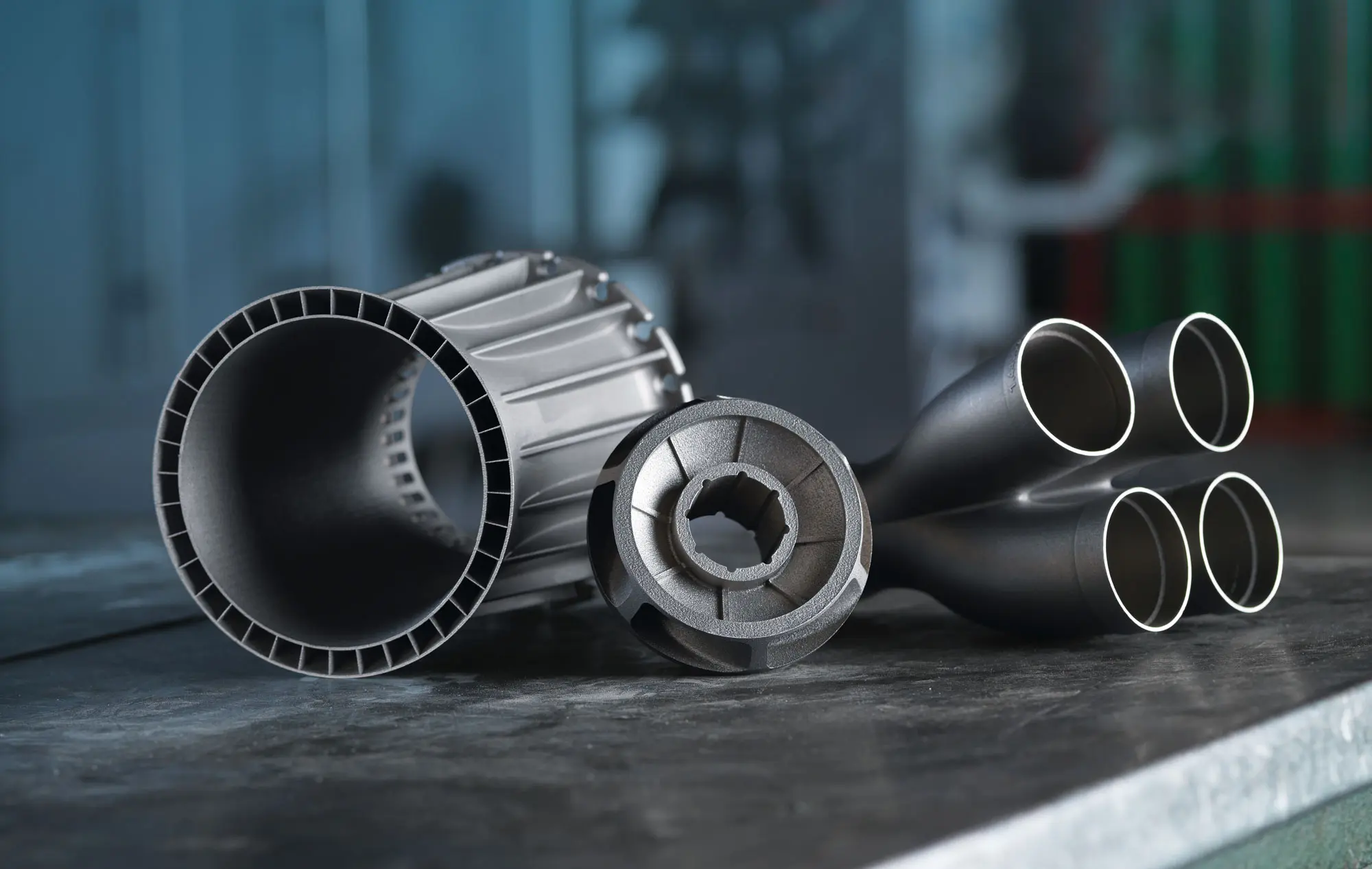
In the ever-evolving field of intimate accessories, the need for personalized comfort, safety and functionality has led to exciting innovations. One area where custom manufacturing really shines is in the realm of chastity devices. Traditionally, these devices have been limited by standard sizes and materials, often resulting in discomfort or inappropriate fit. Enter 3D printingspecifically Metal 3D printing Use similar techniques Selective Laser Melting (SLM)offering unparalleled customization potential. This guide takes an in-depth look at how custom chastity cages are revolutionizing the market, highlighting the critical role of professional rapid prototyping services.
Why choose a custom 3D printed chastity device?
Standard off-the-shelf chastity cages often force wearers to adopt a one-size-fits-all solution that rarely provides a perfect fit. Improper equipment can lead to bruising, restricted circulation, hygiene issues and even breakage. Custom 3D printing addresses these issues by focusing on the individual:
- Perfect anatomical fit: Every body is unique. 3D scanning or detailed measurements allow the device to fit precisely to the wearer’s anatomy, eliminating pressure points and ensuring comfort over long periods of wear.
- Tailor-made design elements: Ring shape, cage size, cage style (open vs. closed), spacing and safety mechanisms (such as unique locking systems) are customized to personal preference and functional requirements.
- Optimize ventilation and hygiene: Strategically placed plaid patterns or perforations can be incorporated into 24/7 airflow designs, reducing moisture buildup and simplifying cleaning—important for long-term wear and health.
- Unparalleled Strength and Security: SLM metal 3D printing produces solid, monolithic stainless steel or titanium structures that are far more resistant to tampering, bending, or accidental breakage than plastic or resin alternatives.
Materials matter: choose the right materials for safety and comfort
The choice of material for a chastity cage is crucial and affects durability, biocompatibility, comfort and hygiene. 3D printing, especially metal printing, opens up extraordinary possibilities:
- Medical grade metal: Titanium and stainless steel (316L) are the gold standard. They are biocompatible, hypoallergenic and rugged, resistant to corrosion and body fluids.
- titanium: The best choice! Extremely lightweight yet extremely strong, non-magnetic (MRI safe) and hypoallergenic. Ideal for long-term comfort and sensitivity.
- Stainless steel (316L): Highly durable, corrosion-resistant and cost-effective while still providing excellent biocompatibility. Easier to polish to a high shine.
- Advanced polymers (less common, but possible): While metal is more suitable for core safety structures, certain biocompatible resins or nylon possible Suitable for additional comfort elements or non-structural components Some design, although they lack the strength and safety of primary component metal.
- Surface treatment: Smooth surfaces cannot be ignored for comfort and hygiene. Professional finishing services are crucial:
- polishing: Achieve a medical-grade mirror effect, eliminating tiny pores where bacteria hide, leaving skin feeling smooth.
- Electrolytic polishing: An electrochemical process that further smoothes and passivates metal surfaces, thereby enhancing corrosion resistance.
Perfect design: key considerations
A successful custom chastity device depends on careful design:
- Comprehensive measurement: Accurate determination of ring diameter, cage internal dimensions, gap between ring and cage, shaft and testicle diameter, and distance from base to tip are absolutely fundamental. The professional guidance here is priceless.
- Anatomy diagram: Understand curvature, contours, pinch points – a scanner or precision measurement captures subtle details better than a tape measure alone. Some providers may use 3D scanning systems.
- Ventilation strategy: The integration of holes or mesh must balance airflow with structural integrity and safety.
- Security mechanism integration: Design features around your choice of locking system (padlock, integrated lock, security screw).
- Comfort fine-tuning: Smooth transitions to avoid sharp edges during printing and finishing.
The Custom Manufacturing Journey: From Concept to Safety and Comfort
Working with a professional rapid prototyping manufacturer ensures a smooth and precise journey:
- Inquiries and specifications: Discuss specific needs, material preferences (titanium or 316L stainless steel highly recommended), design complexities and safety requirements with an engineering expert.
- Accurate measurement/scanning: Depending on the manufacturer’s capabilities, provide extremely precise physical measurements or utilize targeted 3D scanning services.
- Digital Design and Simulation: Skilled engineers translate requirements into detailed 3D CAD models. Advanced software simulates pressure and airflow before printing. Multiple iterations ensure design perfection.
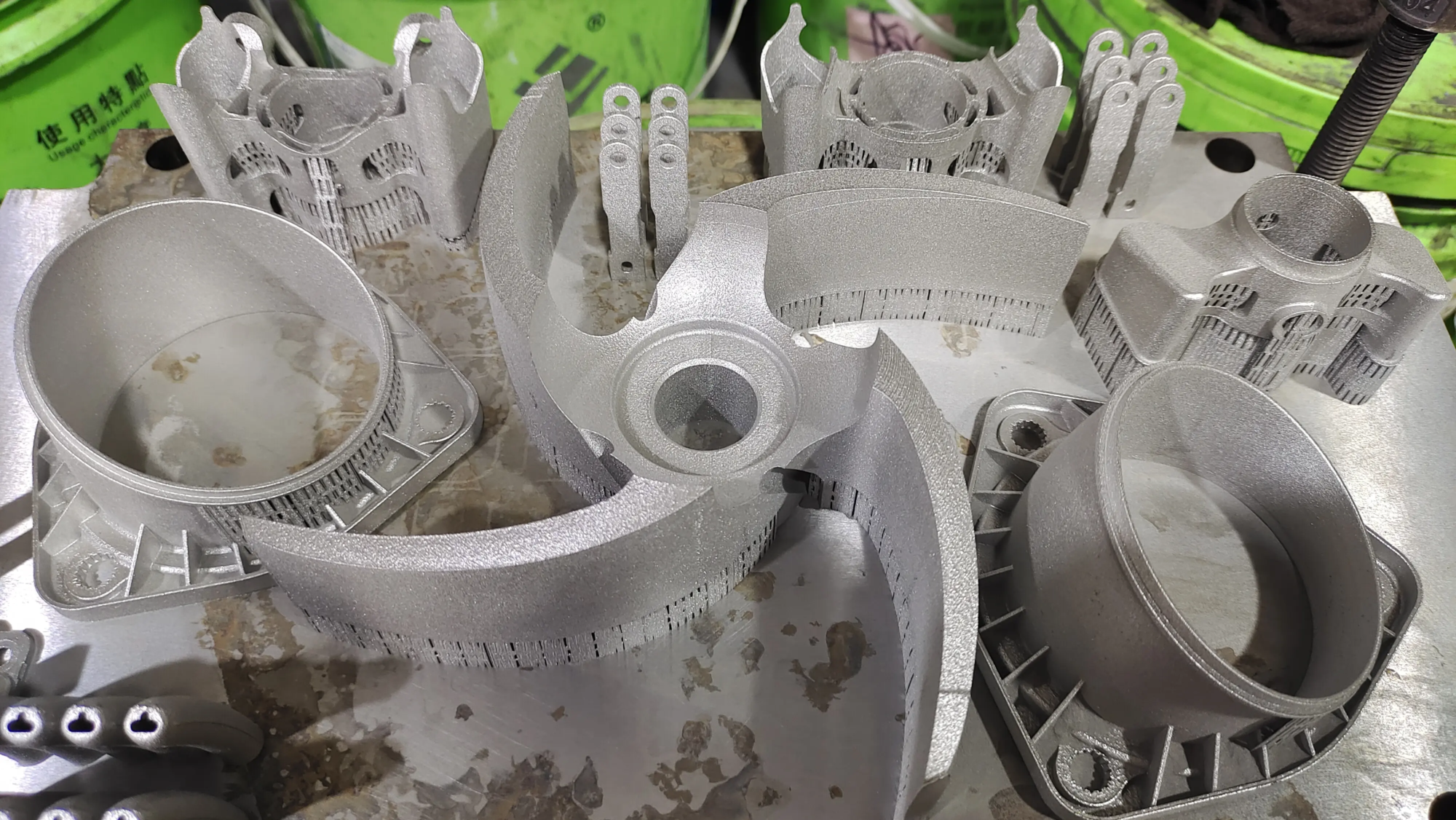
- Advanced Metal Printing (SLM): The design was printed using SLM technology. A high-power laser melts fine metal powder (Ti or SS) precisely layer by layer based on CAD data. This builds a very strong single piece.
- Support removal and initial cleaning: Carefully remove the support structure. Original parts undergo a thorough initial cleaning.
- Key post-processing:
- Heat treatment: Eliminate internal stress during the printing process.
- Precision machining: Secondary machining of interfaces such as keyholes ensures perfect tolerances and alignment.
- High polish finish: The necessary mirror-smooth surface is achieved through multi-stage polishing.
- (Optional) Electropolishing: Achieve ultimate smoothness and passivation.
- Strict quality control: Rigorous inspections for dimensional accuracy, surface finish quality, structural integrity and defect detection ensure the final equipment meets the highest standards.
Safety and hygiene: non-negotiable priorities
Custom 3D printed metal cages are inherently superior