Unlocking Customization: A DIY Guide to 3D Printing Light Switch Covers
Tired of bland, off-the-shelf light switch covers? Turn your walls into a personalized statement of style with DIY 3D printing! Whether you desire intricate patterns, sleek minimalism, a themed design for a child’s room, or the unparalleled durability and luxurious feel of metal, 3D printing can help you create a truly unique switch cover. This comprehensive guide will guide you through the entire process, exploring materials, design techniques, and professional options.
Why DIY 3D printed switch covers are so popular:
- Ultimate customization: Get rid of store restrictions. Design your own geometric pattern, company logo, fan logo, sculptural element, or perfectly match the aesthetic of your room.
- Cost-Effective Uniqueness: Create high-impact personalized finishes without commissioning expensive custom millwork or metal fabrication, especially for single pieces or small batches.
- Quick replacement and repair: Quickly print replacements for cracked, outdated or damaged plastic covers, or create matching kits for refurbishment.
- Material innovation: Get materials other than injection-molded plastic—try bright colors, textured finishes, or even sturdy metals.
- Satisfaction factors: You can take great pride in designing, printing and installing functional pieces of your own creation.
Your step-by-step DIY guide:
-
Measurements are crucial:
- Accurately measure your existing switch plate screw hole spacing (center to center). There are standard US sizes (e.g., single, double), but variations also exist.
- Measure the depth gap (outlet depth) around the switch. Your cover must not interfere with the plug.
- Capture the overall dimensions of the electrical box cutout in the wall. Your design must fully cover this.
-
Design your masterpiece:
- software: Beginners can start with user-friendly platforms like Tinkercad. For complex curves or parametric designs, Fusion 360 or FreeCAD are powerful free options.
- Main design features:
- panel: Visible decorative surface.
- Screw post: Cylinder positioning precisely At the location of the screw hole you measured. Make sure the inner hole matches your screw size.
- Switch opening: Slightly larger than the rectangular cutout of the switch toggle itself (leaving about 1-2 mm of clearance on each side).
- depth: Make sure there is enough clearance behind the panel for the switch mechanism. >10mm is generally safe; verify against your switch. Angled screw posts facilitate flush installation.
- Wall offset: There is a slight groove (0.5-1mm) around the edge ensuring a clean finish on textured walls.
- resource: Leverage open source repositories like Thingiverse or Printables as templates to modify or inspire original creations. Always verify template measurements against your measurements!
-
Choose the right material:
- PLA (polylactic acid): First choice for beginners. Easy to print, wide color range, biodegradable (under industrial conditions). Sufficient for most interiors, but may become brittle over time in direct sunlight/high temperatures.
- PETG (ethylene glycol modified PET): Better than PLA in this application. More durable, heat resistant, UV resistant, stronger impact strength, and waterproof. Great choice for kitchens, bathrooms, garages.
- ABS (acrylonitrile butadiene styrene): Durable and heat resistant, but very tricky on desktop printers due to warping and fumes requiring a vented/enclosed chamber.
- ASA (Acrylonitrile Styrene Acrylate): Similar to ABS, but with better UV resistance and easier printing. Ideal for outdoor facing applications if properly sealed/finished.
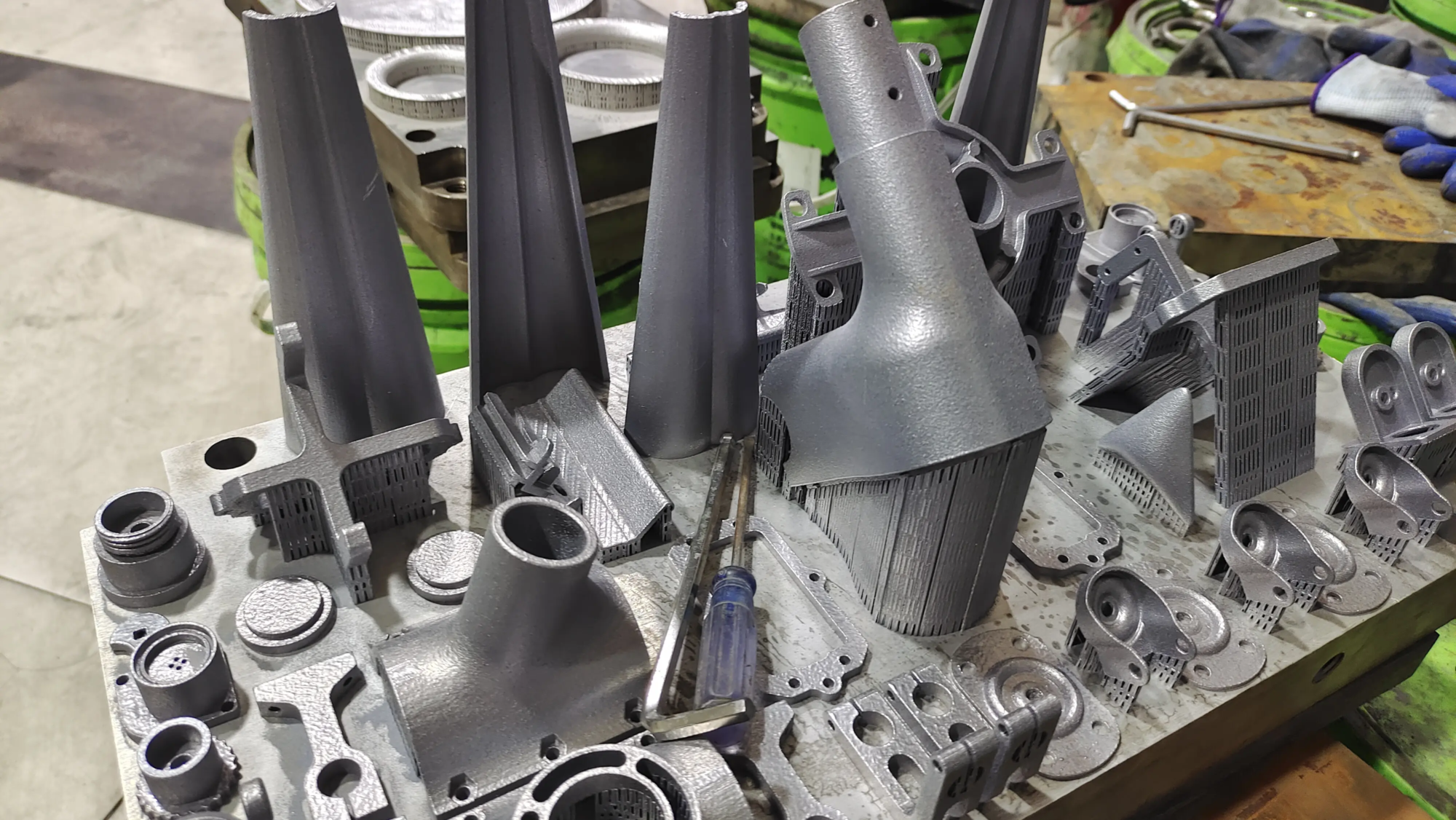
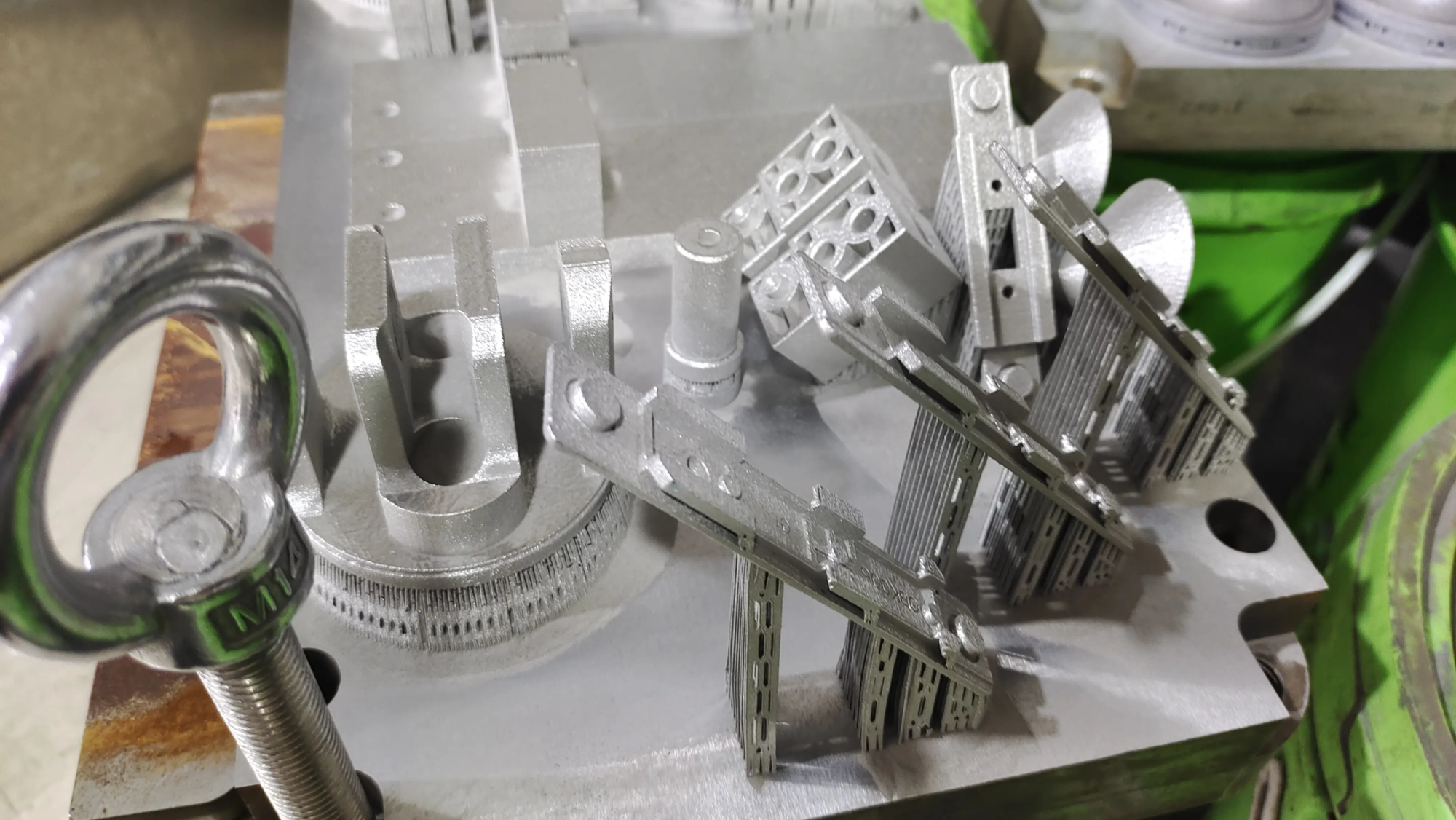
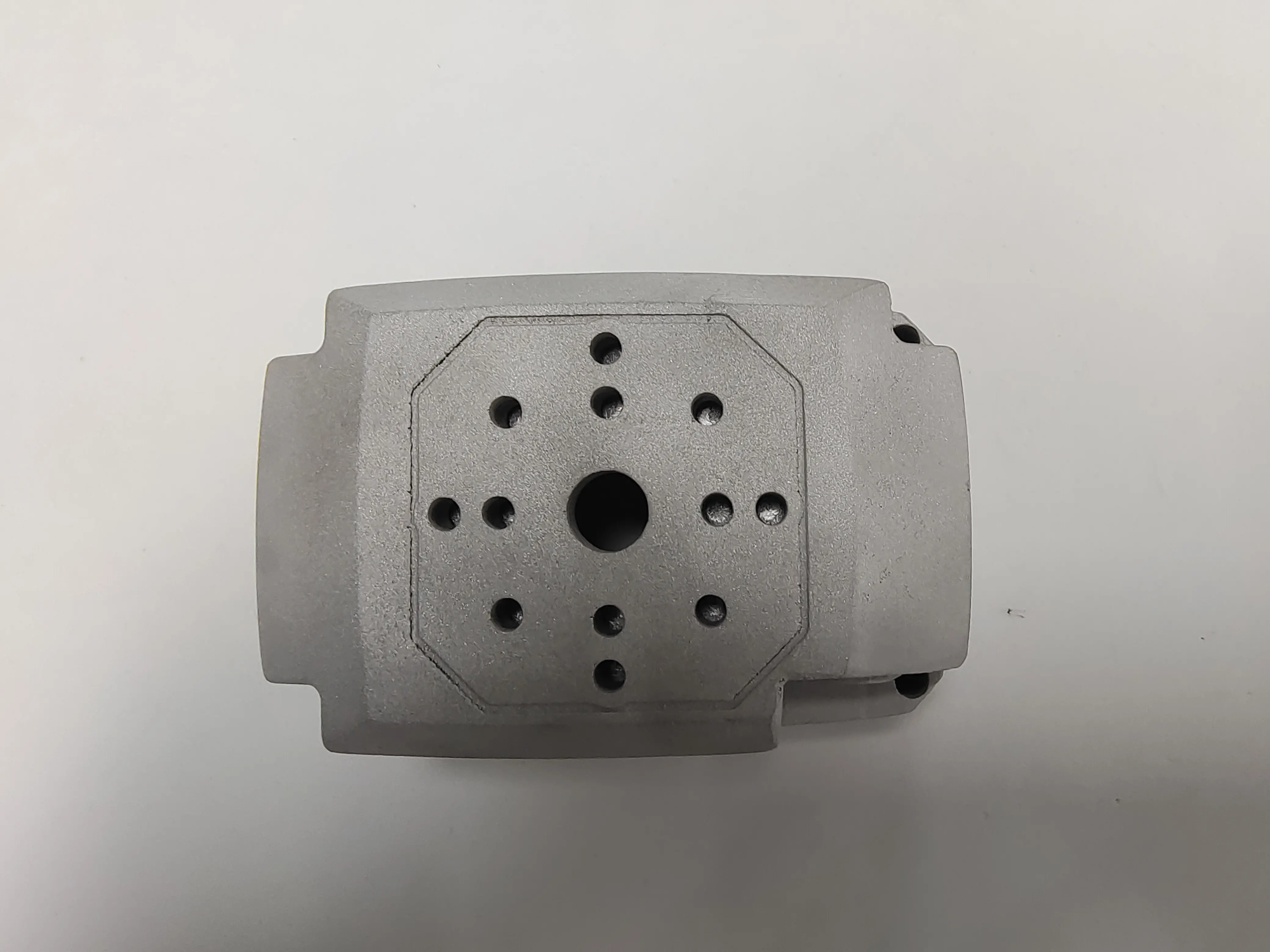
- Metal (Aluminum, Stainless Steel, Titanium Alloy): The pinnacle of durability and beauty. Offers unparalleled strength, corrosion resistance, flame retardancy (vital!), thermal conductivity (safety considerations required!) and a premium feel/look. Professional printing services like GreatLight are crucial here.
-
Print your cover:
- Desktop FDM printing (plastic):
- direction: Print the panel face down (on the print bed) for the best surface finish. Use overhang supports (such as angled screw posts).
- Floor height: The smaller the layer height (0.1-0.2mm), the smoother the surface, but it will take longer.
- filling: 20-40% filler provides a good balance of strength and material use.
- perimeter: At least 3 perimeters (shell) for rigidity.
- Adhesion: Use brim or raft to prevent warping, especially for ABS/ASA or large boards.
- Fine-tuning: Accurate extrusion calibration and bed leveling are critical to good stud and flat cap assembly.
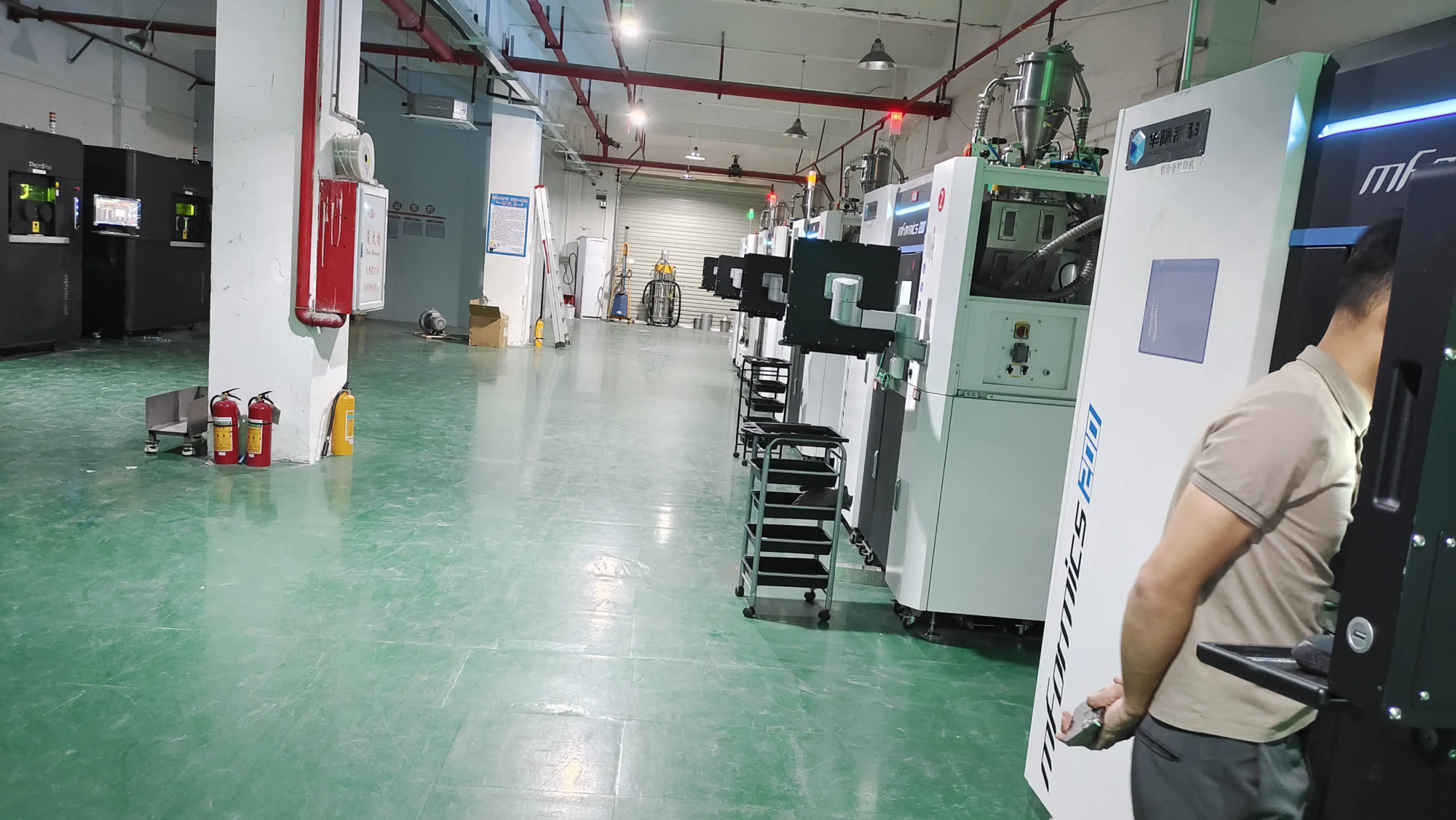
- Professional metal printing: For metal lids, SLM (Selective Laser Melting) Technology is required. Complex shapes are printed layer by layer from metal powders—stainless steel (durable), aluminum alloys (lightweight and conductive), titanium (high-end). This requires advanced equipment and expertise to ensure safety and quality. Services like GreatLight specialize in rapid metal prototyping, handling complex geometries and ensuring the structural integrity critical to electromechanical assemblies.
- Desktop FDM printing (plastic):
- Necessary post-processing:
- move: Carefully remove the printing support. Smooth rough edges.
- Polishing: Start with coarse grit (120-220) and gradually increase to fine grit (400-800+) to achieve a smooth surface. Wet grinding helps.
- clean: Make sure to remove all dust and residue.
- finishing:
- painting: Primer is essential (especially with PLA). Use a spray primer and spray paint designed specifically for plastic/metal for an even, durable finish. It’s best to apply multiple thin coats. The clear coat protects.
- polishing: For PETG/ASA/ABS, flame polishing or specialized plastic polishing work can be performed. For metals, professional polishing can achieve a mirror-like shine.
- Special effects: Consider filling the printed pattern/engraving with colored paint/epoxy, or applying a finish such as faux brass/bronze.
- Professional finishing: Companies like GreatLight offer integrated polishing, heat treating, anodizing (for color!), sandblasting (for texture), powder coating, and metal prototype inspection, delivering production-ready aesthetics and durability.
Key safety considerations:
- insulation: Plastic is naturally insulating. Metal covers pose serious electrical risks. them must Professional design, printing, installation, integrated grounding. Metals conduct electricity and heat by nature. Any metal cover requires:
- Design including integrated ground lug/terminal.
- Correctly connect the electrical box ground wire.
- Rugged mounting ensures internal wiring cannot come into contact. Never use DIY desktop printed metal parts or untreated/substandard metal prints for electrical enclosures. Professional services understand and mitigate these risks.
- Flammable: Use high temperature wire (PETG, ABS, ASA) near the heat source. Metal has excellent flame retardancy.
- furnish: Make sure that no part of the switch mechanism or internal wiring contacts the cover. Verify toggle clearance.
in conclusion
DIY 3D printed light switch covers offer an incredible way to personalize your space affordably and quickly. Desktop printing allows creators to experiment with designs from plastics such as PETG or ASA. Metal switch covers represent a premium solution for homeowners seeking the ultimate in customization, functionality, and luxury. However, due to the complexities of material science and critical electrical safety requirements, metal printing requires specialist knowledge – this is where working with an experienced rapid prototyping manufacturer is crucial.
company likes huge light Combined with cutting-edge SLM 3D printing equipment, deep materials science knowledge including a wide range of metals and high-performance plastics, and comprehensive post-processing capabilities. They expertly solve complex rapid prototyping challenges, ensuring structural integrity, electrical safety compliance of metal parts and flawless finishes – turning your custom switch cover concept into a durable, safe and beautiful reality. Ready to take your designs beyond standard plastic? Discover rapid prototyping solutions for truly custom metal switch covers and precision parts.
Customize your precision rapid prototyping parts today at the best prices!
FAQ: Answers to DIY 3D Printed Light Switch Cover Questions
Q1: Can I really 3D print metal light switch covers? Is it safe?
Yes, absolutely. Use professional SLM (Selective Laser Melting) Technically, metal lids can be printed in stainless steel, aluminum alloy or titanium. It is vital that metal covers are professionally designed and manufactured. They require an integrated ground lug/terminal and must be properly connected to the electrical box ground wire during installation. DIY desktop metal printing is unsuitable and dangerous due to serious electrical safety hazards.
Q2: What is the best plastic wire for a durable light switch cover?
PETG is the recommended choice for desktop printing. It has excellent durability, impact resistance, water resistance, heat resistance (higher than PLA), and is relatively easy to print. ASA is an excellent alternative for outdoor-facing switches with superior UV resistance. Keep PLA away from heat sources.
Q3: How to create or find the design file for the switch cover?
Beginners start with custom templates from platforms like Thingiverse or Printables (always verify measurements!). Design your own using free or paid CAD software (Tinkercad, Fusion 360, Shapr3D, FreeCAD). Focus on precise screw hole locations, adequate switch toggle clearance, and the correct size of the outlet box.
Q4: Why is my printed cover cracked or feeling brittle?
This usually points to:
- Low padding: Increase the fill percentage (try 25-40%).
- Insufficient girth/skin: Use at least 3 perimeters (shells) and multiple top/bottom layers.
- Improper material selection: Switch to a stronger material such as PETG.
- Insufficient extrusion: Calibrate the extruder’s E-steps and check for blockages.
- Weak layer adhesion: Increase the printing temperature slightly or reduce the cooling fan speed. Printing PETG hotter improves interlayer adhesion.
Q5: Does metal printing cover require special post-processing?
Yes. Metal prints require extensive post-processing for functionality and safety: loose powder/support removal, thermal stress relief annealing, separation from the build plate (usually via wire EDM), surface finishing (sanding, polishing, sandblasting), possible heat treatment, and possibly coatings such as anodizing (for aluminum) for corrosion resistance and aesthetics. Professional services comprehensively solve this problem.
Q6: Can Honglaite manufacture switch covers other than standard plastic?
Absolutely. Gretel specializes in Custom metal rapid prototyping using SLM technology. We can produce high-precision, complex switch covers from strong metals such as stainless steel or lightweight aluminum alloys. Our one-stop service covers design consultation (including safety features), printing and advanced post-processing (polishing, anodizing, etc.) ensuring functional, durable, electrically safe and visually stunning results