Introduction: Embrace safety in resin 3D printing
Resin 3D printing (SLA, DLP) unlocks incredible details of prototypes, jewelry, dental models and complex microcosm. But, besides its accuracy, this is a serious concern: toxicity. Traditional resins usually contain hazardous chemicals such as volatile organic compounds (VOCs), methacrylates and photoactivators. These can cause skin irritation, respiratory problems, allergic reactions and long-term environmental risks. Thankfully, it appeared Non-toxic resin Provides a pathway for safer and more sustainable printing. This guide reveals these alternatives and provides best practices to minimize risks throughout the printing process.
Understanding non-toxic resins: Beyond labels
"Non-toxic" It is not an absolute guarantee in resin printing, but a significant reduction in harmful components relative to standard resins. Key features include:
- Low or no VOC: Many non-toxic resins are formulated to minimize the release of irritating volatile organic compounds during printing and post-processing.
- Bio-based and plant-derived components: Some resins combine most of the materials from soybeans, corn, or other renewable resources, reducing dependence on oil and often reducing overall toxicity.
- Lack of irritating irritability: They often exclude known effective stimuli, such as specific methacrylates or use them at lower concentrations.
- Improved biocompatibility: Certified by USP VI or ISO 10993, some resins indicate the safety of skin contact for long-term or specific medical/dental applications.
- Washable properties: While the prevalence of non-toxic resins is not universal, many overlap with this category, eliminating the need for irritating solvents such as isopropanol (IPA).
Important Note: "Non-toxic" Do no Meaning "Safe intake" or "Skin contact is completely harmless." Always maintain basic security protocols.
Even with non-toxic resins, critical safety practices
While non-toxic resins reduce risks, vigilance remains vital:
-
Personal protection equipment (PPE):
- Gloves: wear No compromise Nitrogen gloves (not latex, can be degraded) whenever the unfixed resin is processed, contact with the resin or the tool for washing/curing the station.
- Eye protection: Safety goggles are essential to prevent splashes. In messy missions, the full-face shield provides higher protection, such as tank cleaning.
- Respiratory protection: While low VOC resins will remove smoke, robust ventilation is the main one. When ventilation is insufficient or sensitivity is high, it is recommended to use a respirator with an organic vapor cartridge (even the N95 mask under the particles). Consult SDS paper.
-
Ventilation is not negotiable:
- Dedicated space: Print in well-ventilated areas, ideally a dedicated workshop or garage. Avoid kitchen or living space.
- Active exhaust: invest Extractor smoke Place directly above the printer exhaust port. The gold standard is to enclose the printer and exhaust through the pipe. The open windows provide dilution only, not active removal.
- Air purifier: While no replacement for exhaust, an air purifier using large activated carbon filters can help reduce background VOC.
-
Printer technical considerations:
- Carbon filter: Printers with integrated carbon filters (especially charcoal) can significantly reduce odors and VOCs emitted during printing. Make sure to replace the filter according to the manufacturer’s schedule.
- Sealed/enclosed design: The printer with sealed and built-in housing is better than the open frame model.
-
Safe Material Handling and Storage:
- container: Always store the resin in an opaque container away from the cool, dry place of UV rays that is out of reach of children and pets.
- Spill: Clean spills immediately with absorbent materials (paper towels, spill kits). Wear PPE. Properly dispose of waste.
- deal with: Never pour liquid resin into the drain pipe. Dispose of it as a hazardous waste according to local regulations, completely curing any excess resin or contaminated liquid (water/IPA wash) into solid blocks. Contact your waste disposal provider.
- Post-processing security:
- washing: Although the washable resin eliminates IPA, the washing water is contaminated. The solid was filtered and the water was cured before disposal. If using IPA with unavailable resin, treat the rinse similarly.
- Maintenance: Thoroughly cure and print according to the resin specifications. If using high-intensity UV lamps, wear UV protective glasses. Make sure the parts are completely Curing before extending the gloves.
- Grinding/organizing: When grinding or processing cured resin parts, wear a respirator with a particle filter (N95+) to avoid inhaling fine dust particles.
The role of professional services: to mitigate risks through expertise
For complex projects, mass production or applications requiring certification of biocompatibility or specific material properties Great Eliminates the need for full contact with resin. Why consider this?
- Industrial safety: Facilities use a powerful flue gas extraction system, dedicated disposal protocols, and highly trained personnel to handle hazardous materials under strict industrial safety standards.
- Material expertise: In addition to typical consumer formulas, a wide variety of advanced resins (including engineered and certified biocompatible materials) can be used.
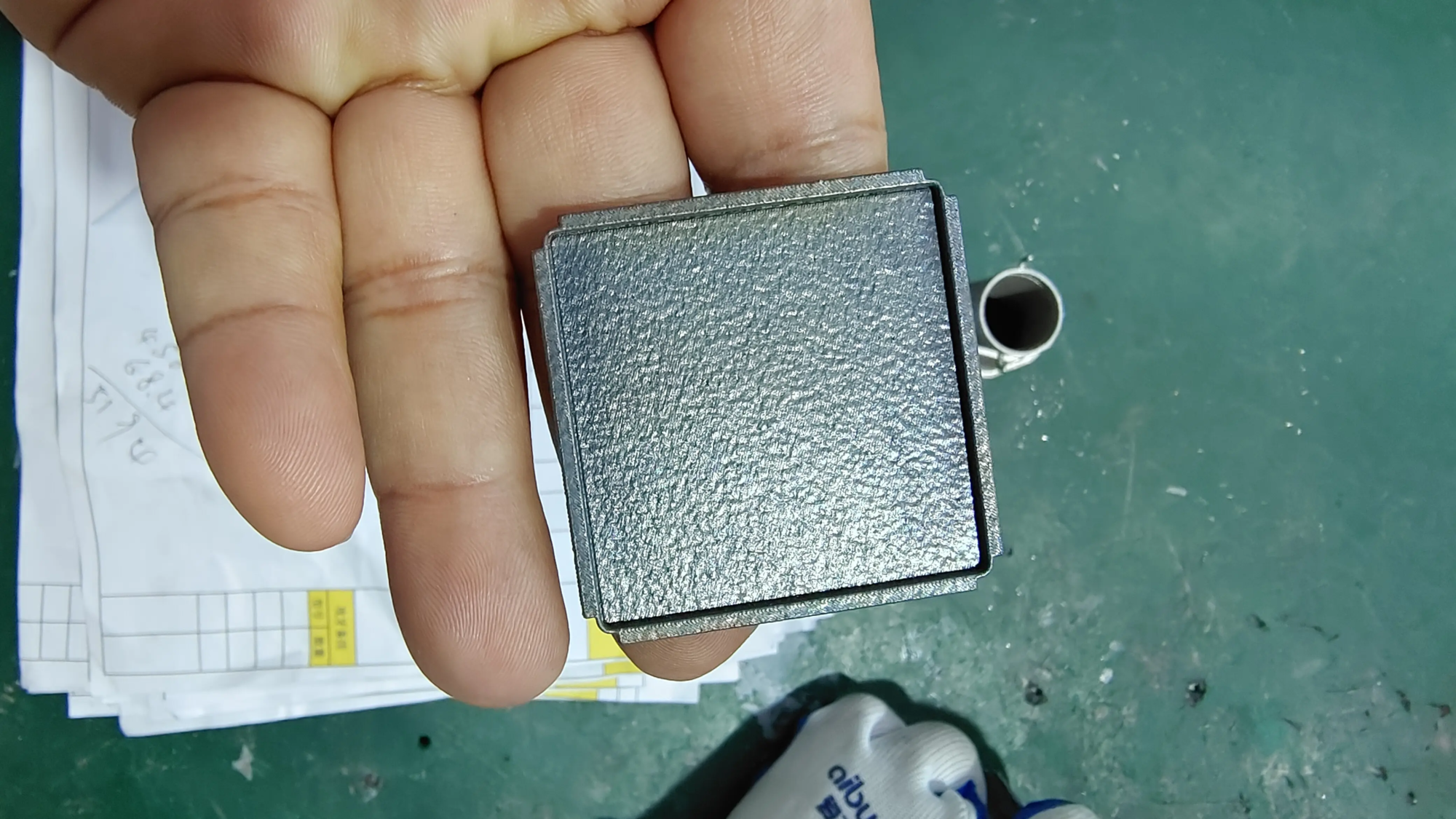
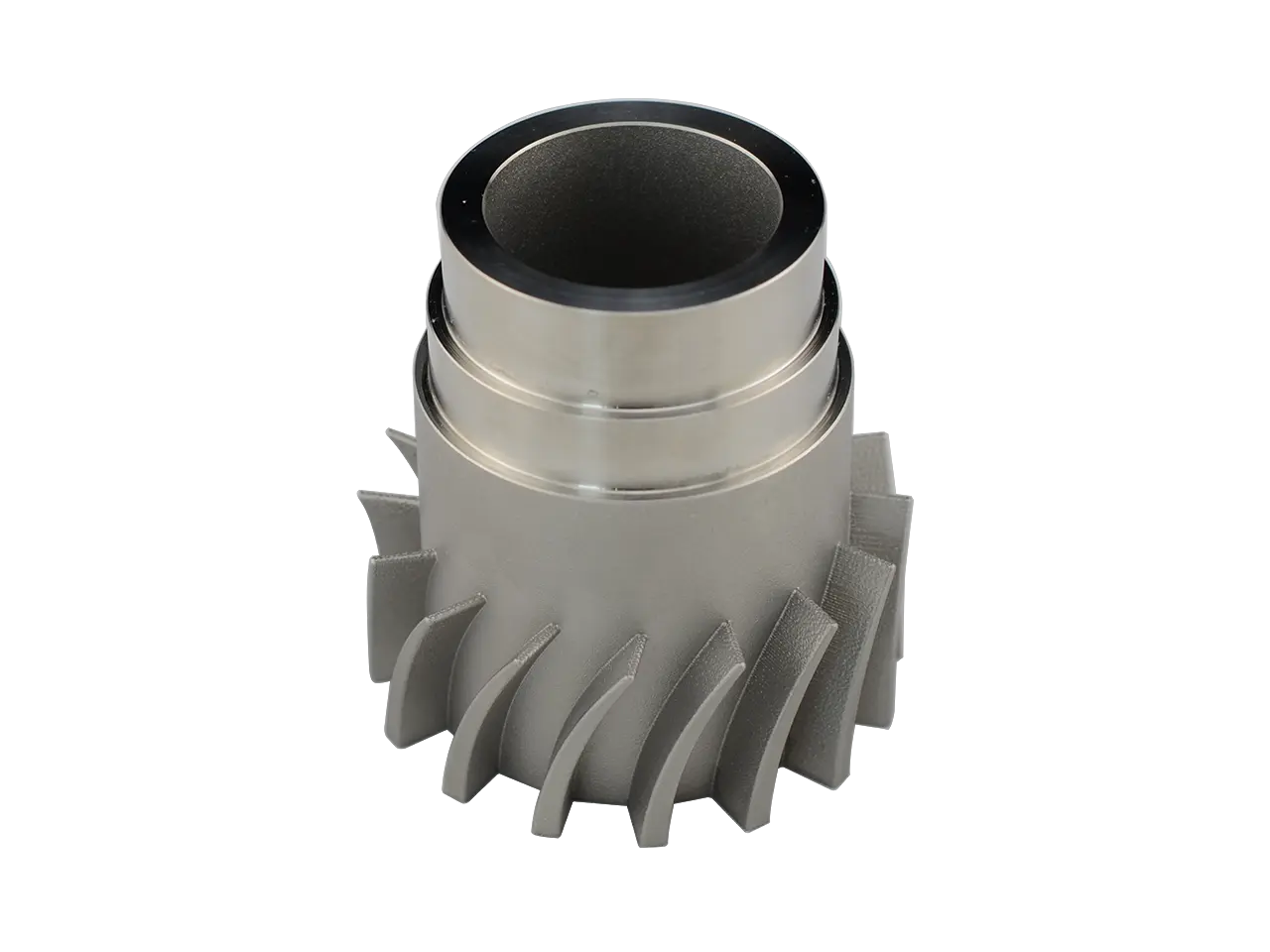
- Advanced Technology: Utilization of industrial and other technologies SLM 3D Printer High quality and dimensional accuracy are ensured for metal parts and high-precision resin printers.
- One-stop post-processing: Services include professional washing, curing, support removal, surface finishing (sanding, painting, polishing) and complex handheld post-steps to provide ready-made parts.
- Speed and scalability: Ideal for demanding schedules or efficient production of larger batches.
Greatlight illustrates this professional approach, from design verification to finished custom metal or plastic parts, providing a comprehensive rapid prototype solution that can handle the entire process safely and efficiently.
Conclusion: Print responsibly in the future
Non-toxic resin printing is a crucial step in making this powerful technology safer and easier to obtain. However, "Non-toxic" is a term that requires a relatively constant caution. By investing in high-quality low VOC or biobased resins, prioritizing strict ventilation and PPE, carefully treated with treatment and disposal procedures, and leveraging professional services when appropriate, creators can leverage the incredible potential of resin printing while protecting their health and environment. Embracing security is not a limitation, but a fundamental principle of sustainable innovation. As technology develops, the future of resin printing looks brighter-safe.
FAQ: Non-toxic resin printing
-
Q: Yes "Non-toxic" Is the resin completely safe?
- one: no. Although significantly less dangerous than traditional resins, they are still industrial chemicals. They have to be safe and can still irritate the skin or respiratory system, especially if exposed to improper exposure. Always use PPE and proper ventilation.
-
Q: What safety certification should I look for in non-toxic resins?
- one: Check the Safety Data Sheet (SDS). Looking for clearly marked resin "Lower you" or "On you". Certification USP VI Indicates biocompatibility (for skin contact). "Can be washed" Eliminate IPA hazards but introduce contaminated water disposal.
-
Q: Can I safely use washable resin indoors?
- one: Even resins that can be used with water will release some smoke during the printing process. Indoor use is only safe Excellent Active ventilation (smoke extractor exhausts outside). Contaminated wash water also needs careful treatment and curing/disposal – it is not safe to pour into the drain.
-
Q: What if I am still worried about smoke and disposal?
- one: Consider outsourcing! Professional rapid prototyping service Great Safely handle resin printing. They feature industrial grade ventilation, PPE and disposal systems that provide expert post-processing/finishing, and provide material expertise – providing finished parts without DIY risks.
-
Q: How to safely handle non-toxic resins?
- one: Unfixed liquid resin and waste liquid: Cure all liquid resin until it is completely solid under UV light. Curing resin (waste/clean up debris): Dispose of solid solid waste according to your local hazardous waste regulations. Contaminated Water/IPA: The solid is filtered, the liquid is cured to cure the remaining resin, and the solid and liquid residue are then disposed of as hazardous waste. Never pour water.
-
Q: Are non-toxic resins as strong/detailed as traditional resins?
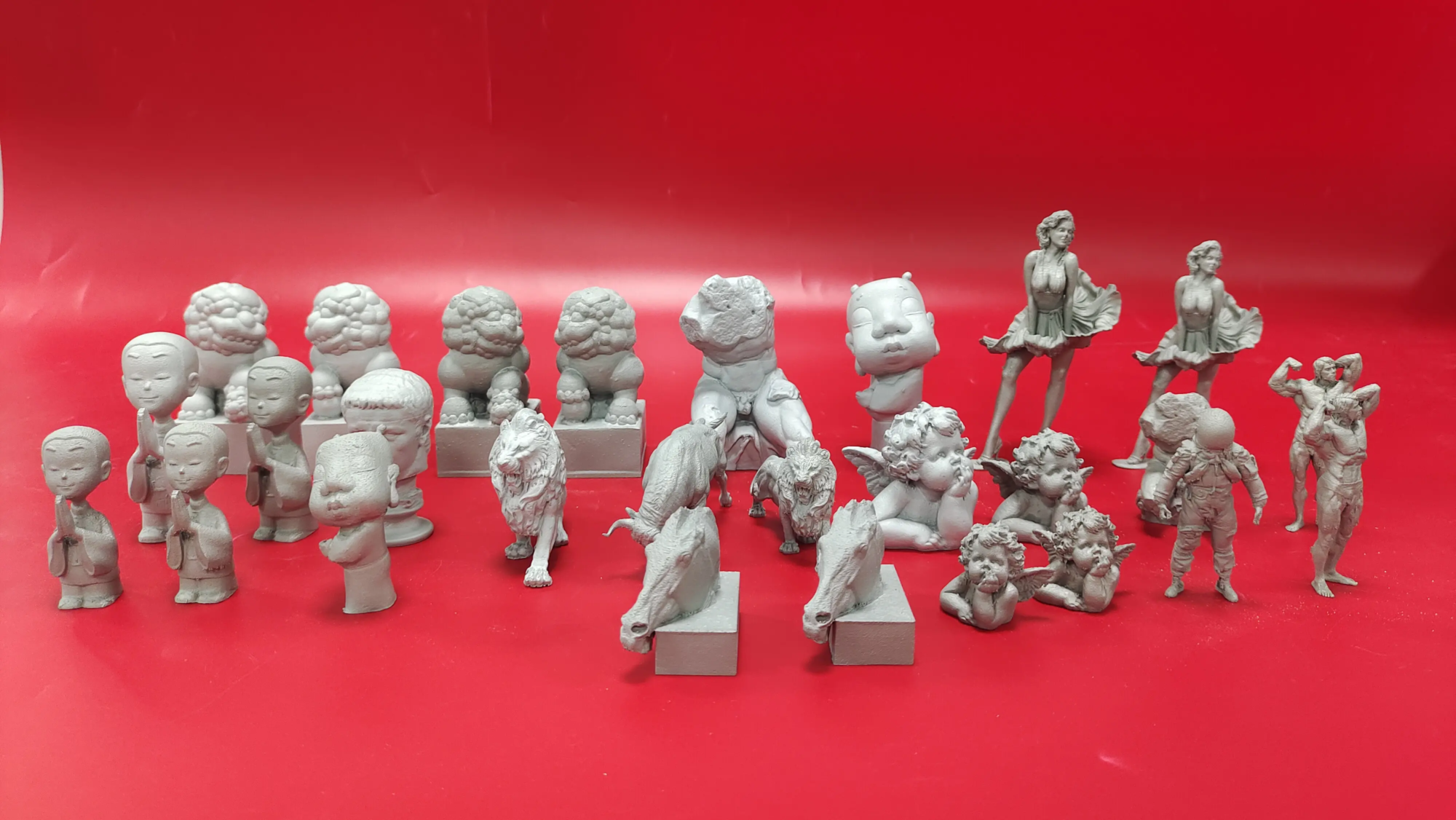
- one: Modern non-toxic resins have improved dramatically. While engineering grade resins generally have higher strength, many non-toxic resins (especially plant-based photopolymers) provide excellent resolution of detail and sufficient mechanical properties for prototypes, statues, artworks and jewelry.
- Q: Can Greatshile work with specific non-toxic resin grades?
- one: Professional services like Greatlight often specialize in high performance and certified materials. Discuss with them the specific material requirements of your project (e.g., biocompatibility, strength, flexibility). They can advise and procure the appropriate industrial grade resins, including compatible low VOC or biocompatibility options, and handle all treatments safely.