Beyond Barking Fun: An Essential Guide to Safely 3D Printing Dog Toys
The appeal of 3D printing to customize unique toys for our canine companions is undeniable. From replicating their favorite chewing dinosaur to creating a personalized puzzle feeder, the possibilities seem endless. But unlike mass-produced toys that undergo rigorous safety testing, DIY projects place the responsibility entirely on the pet owner. Ensuring your 3D printed creation is safe to chew, throw, and drool over requires careful consideration. This guide delves into the key factors in designing and producing truly safe 3D printed dog toys.
Why "dog safety" Not just common sense
The traps of unsafe toys are more than just immediate choking hazards:
- Internal damage: Sharp fragments, ingested plastic or toxic ingredients can cause serious internal injuries, blockage or poisoning.
- Soft tissue injuries: Breaks that create jagged edges can cut your gums, tongue, or cheeks.
- Long term health: Bacteria hidden in porous prints or chemicals leaching from unsafe plastics can pose chronic health risks.
- Mental distress: Undersized toys or choking incidents can be traumatic for both pets and owners.
Safety Basics: Choosing the Right Materials
Material selection is non-negotiable:
- Food grade plastic: People’s Liberation ArmyOften promoted as bioplastic, usually non-toxic but Not easy to digest. If swallowed in large pieces, it may cause blockage. Its main limitations for dog toys are its low melting temperature and brittleness under heavy chewing. polyethylene terephthalate is a stronger contender – tougher, more heat-resistant, chemical-resistant (dog saliva) than PLA, and widely used in food-safe applications. Be sure to verify FDA food contact compliance documentation for your specific filament brand and color lot. Avoid ABS due to styrene emissions, while ASA/nylon requires extra caution due to toxicity issues since there are no dedicated, proven grades.
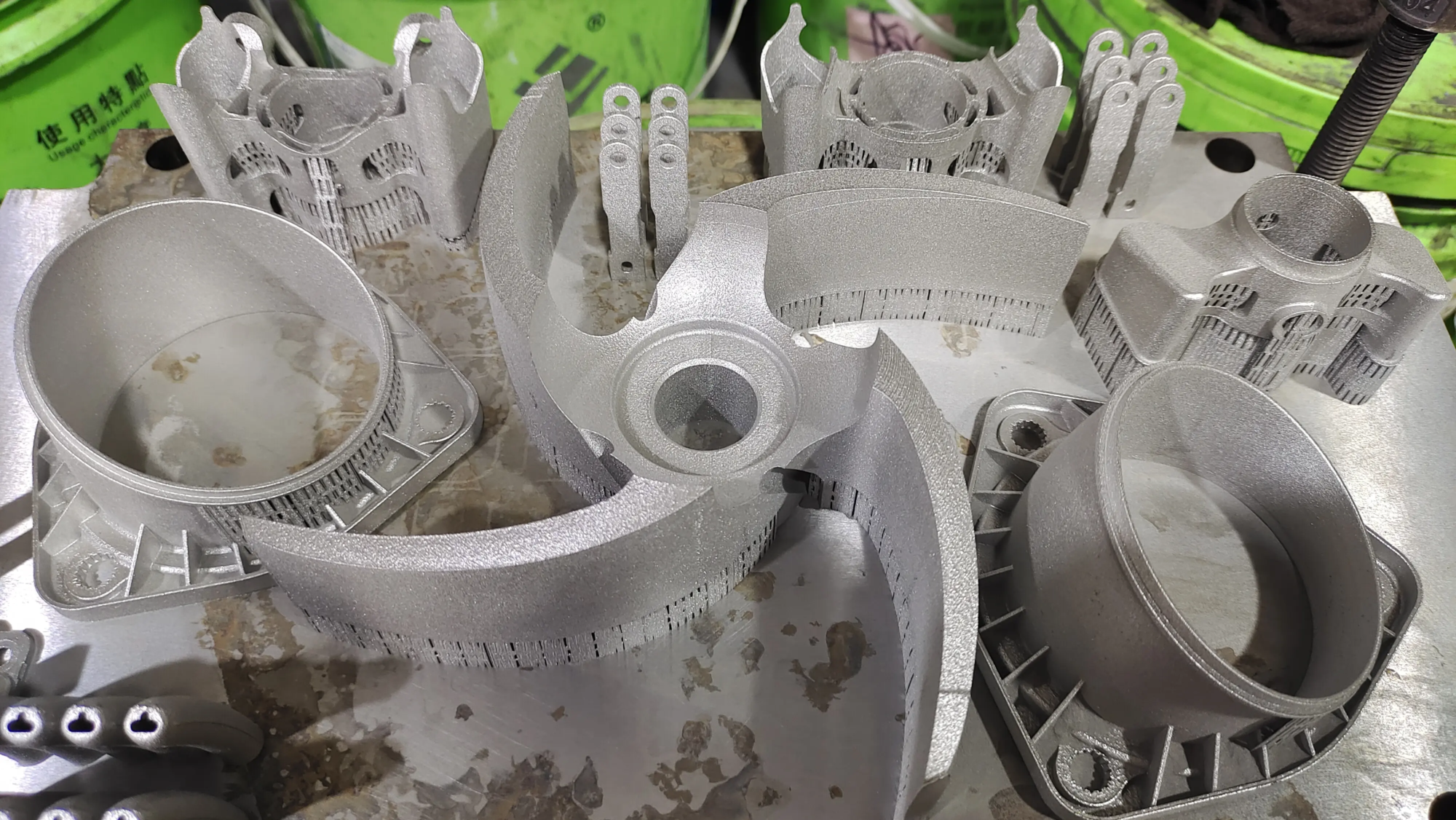
- Medical grade resin (SLA/DLP): While being able to achieve a smooth surface, Standard resin is toxic and brittle. Use only specific biocompatible, certified non-toxic resins Materials designed for prolonged contact may be suitable but will require intensive post-curing and sterilization. Generally speaking Not recommended When it comes to chew toys, due to their inherent brittleness and the complexity of ensuring complete safety. Metal printing: While durable, the main purpose here is Create mold Ensure the safe production of non-metallic toys.
Design with safety first
Even the safest filament can’t save poor design:
- No small parts: Each dimension must resist separation. Integrity of design or ensuring that any small part is inherently non-removable and exceeds the suffocation hazard threshold.
- Zero Rui features: Eliminate points, thin edges, and steep corners. Always maintain wide rounded corners (rounded corners). Designed to fail gracefully without falling into pieces.
- Sufficient strength: Scale objects appropriately. Consider wall thickness – thinner parts are weak links. The thicker design is suitable for people who have difficulty chewing.
- Choking and Swallowing Prevention: Adjust the size of the toy appropriately according to the size of the breed. Avoid shapes that may get stuck in the throat. Be careful of holes that may trap your chin. Make sure the toy is too big to be swallowed whole.
- Manage porosity: The printed layer creates micropores in which bacteria can multiply.
A critical production stage: secure printing
Materials and design alone are not enough:
- Stellar slice: Maximize layer adhesion: Optimal temperature settings (higher temperatures increase fusion), strategic positioning (maximizes strength direction), careful calibration (prevents gaps and weak layers), high infill density (>40% for chew toys), slower print speeds for better adhesion.
- Printer hygiene: Make sure the nozzle, bed and feed path are free of previous (potentially toxic) material.
- Printing environment: Avoid dust or debris contaminating prints.
Post-processing: a step you can’t skip
This stage greatly affects safety and hygiene:
- Surface seal: Essential for reducing bacterial retention. Options include:
- Food safe epoxy coating: Forms a hard, non-porous shell. Make sure the resin has specific food safety and pet safety labels. Requires thorough curing.
- Vapor Smoothing (PG only): Smooth PLA surface and reduce porosity. Use only polyetherimide (PEI) systems designed for PLA; solvent not safe. This is easier to achieve with ASA.
- disinfect: Seal before use: Soak in pet-safe disinfectant (follow label directions) or use UV light specifically designed for plastics. Avoid harsh chemicals.
- Smooth all edges: Post-print finishing touches: Carefully remove supports and carefully sand away any layer lines, spots or roughness, starting with a coarse sand and finishing with an ultra-fine finish to ensure no particles remain.
Assemble components safely
If assembling parts:
- Press-fit/rivet/nylon rope: Where feasible, use stronger glue alternatives. Make sure the installation is extremely secure.
- Food safe adhesives: If gluing is requireduse only adhesives that are safe for indirect food contact when fully cured.
Work with the pros: Take safety to the next level
Worried about your own printer meeting the necessary security standards? Professional services like GreatLight come with specialized knowledge and technical hurdles. Experienced technical staff ensure:
- Best material choices: Recommend and source proven food-safe, canine-friendly materials.
- Precision Engineering: Achieve superior layer adhesion and minimize the risk of porosity with advanced industrial SLA/SLM printers compared to hobby printers.
- Expert post-processing: Implement robust cleaning, sterilization cycles, and flawless surface preparation using methods not possible at home, such as ultrasonic cleaning, controlled chemical vapor smoothing. their expertise Prototyping It also provides a robust path to producing high-volume, pet-safe silicone toys cast from durable 3D printed master molds, potentially combining safety and cost-effectiveness.
- Functional testing: Prototype for evaluating structural stability under stress scenarios.
Conclusion: Responsible Creativity
3D printing offers exciting ways to enrich your dog’s life. However, prioritizing safety over novelty or aesthetics is paramount. Master material selection, design specifically for canine hazards (no small parts, choking risks, sharp edges), perform meticulous printing and sealing processes, and rigorously sterilize. Practice strict quality control: check constantly, replace toys at the first sign of damage, and supervise playtime. If your DIY abilities limit implementing these basic safeguards, Working with a professional rapid prototyping company like GreatLight can give you peace of mind. By combining creativity with strict safety protocols, you can create toys your furry friends will love without taking unnecessary risks. Safety is truly the best treatment you can give them.
Frequently Asked Questions (FAQ): Safe 3D Printed Dog Toys
Q1: Is PLA completely safe for dog toys?
Answer: PLA filament itself is generally non-toxic, but Not easy to digest. The main risks come from: ingest causing dangerous intestinal obstruction, brittle fracture produces sharp fragments, and bacteria in the porous layer. PLA requires careful engineering for toughness, tight sealing, sterilization, and careful supervision. PETG is generally a safer filament choice.
Q2: How to effectively sterilize my DIY 3D printed dog toys?
A: After thorough cleaning and sealing:
- Soak in a pet-safe disinfectant solution (vet-recommended diluted bleach? NOTE: Rinse Very Be thorough (if bleach was used) and follow instructions exactly.
- Use a UV-C sterilization box designed specifically for plastic/stuffed toys (make sure it is fully covered). Important: Avoid exposure to harsh chemicals proven to be unsafe for pets.
Q3: How thick should the walls of a dog chew toy be?
A: There is no single magic number, it depends on the filament type, filler, geometry and your dog’s chewing intensity. as a starting pointthe minimum wall thickness of PLA/PETG is 3 mm, suitable for light chewers. For heavy chewers, increase significantly to over 5 mm and consider significantly higher padding (75%+). Be sure to rigorously test durability under supervised conditions before playing without supervision.
Q4: Can I use my standard SLA resin printer to make pet-safe toys?
one: Extremely difficult and generally frustrating. Standard resin is toxic and brittle. Only specialized biocompatible resins are used possible Applicable if extensively post-processing tested (long curing, sealed, proven no leaching). Brittleness remains a major issue. FDM with PETG/food safe PLA + seal is generally safer and more practical.
Q5: How do I know when to replace my 3D printed dog toys?
Answer: Check the toys daily. Replace now If you see: any cracks, breaks, broken pieces, missing chunks, sharp spots or points from excessive wear, thinning of the walls, significantly deepened holes, embedded dirt that cleaning cannot remove, a foul odor indicating bacterial growth, or distortion/change in the condition of the toy.
Q6: Can Honglaite’s metal printing service be used for dog toys?
A: While GreatLight excels in metal rapid prototyping (SLM/MIM), Metal is generally not suitable for direct chew toys Due to the hardness, small parts can damage teeth or create a choking hazard if they become dislodged. However, GreatLight utilizes metal printing extremely well Used to create master molds or functional prototypes. They can then use these durable metal molds to cast safe volumes of non-toxic silicone rubber toys – combining ruggedness with canine safety. They also provide key expertise in: Advanced polishing and surface treatment This is essential to ensure that the printing master produces truly safe silicone toys with a non-porous surface. their comprehensive Post-processing Features significantly improve the quality and safety of the prototyping process for potential pet products.