Essential Guide to Safe 3D Printing Filament: Protecting Your Health and the Environment
introduce
In the rapidly evolving world of 3D printing, material selection is not just about strength or aesthetics, but fundamentally about safety. Whether you’re prototyping functional parts at home or overseeing industrial production, understanding filament safety can protect users from harmful emissions, chemical exposure, and environmental hazards. At GreatLight, we utilize cutting-edge SLM metal printers and strict safety protocols, but filament safety is universally applicable to all 3D printing technologies. This guide demystifies material risks and gives you strategies for printing more safely.
Section 1: Hidden risks of ordinary filaments
Many widely used thermoplastic filaments release volatile organic compounds (VOCs) and ultrafine particles (UFPs) when heated. Major offenders include:
- ABS (acrylonitrile butadiene styrene)
Styrene, a potential carcinogen, is released during the printing process. Prolonged exposure may cause respiratory irritation or headache. - nylon
Releases caprolactam vapor, causing dizziness and skin sensitization. A bed temperature of ≥70°C is required to amplify particle dispersion. - Resin (SLA/DLP)
Uncured resin contains acrylates, which can cause skin burns or irritation. Ozone is generated during curing after printing. - Composite filament (carbon fiber, metal filling)
Abrasive particles accelerate nozzle wear and release nanoparticles into the air. Carbon fiber fragments pose an inhalation risk.
Part 2: Safer filament alternatives and best practices
Material recommendation:
- PLA (polylactic acid)
Plant-based and biodegradable under industrial compost. Very low VOC emissions (<20% of ABS production). Avoid high temperature PLA blends. -
PETG (ethylene glycol modified PET)
Combines PLA’s low toxicity with ABS-like durability. Safe for food contact (FDA approved).
^Table: Comparison of low-risk filaments:filament Volatile organic compound emissions Heated bed requirements Food safety? Best use cases People’s Liberation Army very low Elective ✅ toys, decorations, models polyethylene terephthalate low Elective ✅ Containers, tools thermoplastic polyurethane low-moderate ❌ ❌ Washers, mobile phone cases
Operation guarantee:
- ventilation
- Use an enclosed printer with a HEPA/activated carbon filter.
- Place the printer near a window or outdoor setting with an exhaust fan.
- hardening cycle
- The PLA/PETG is baked at 60°C after printing to degrade the entrapped lactide monomer.
- safe storage
- Seal hygroscopic filaments (nylon, PVA) with desiccant to prevent hydrolytic toxins.
Session 3: Security through the Lens: Metal Printing Insights
SLM (Selective Laser Melting) metal 3D printing, like our industrial services at GreatLight, presents unique dangers:
- Metal powder: Titanium/aluminum alloys will burn if exposed to air. An inert argon chamber is required.
- Post-processing: Chemical smoothing (such as acetone vapor) requires a fume hood. Electropolishing uses an acid bath that requires PPE.
How we ensure safety:
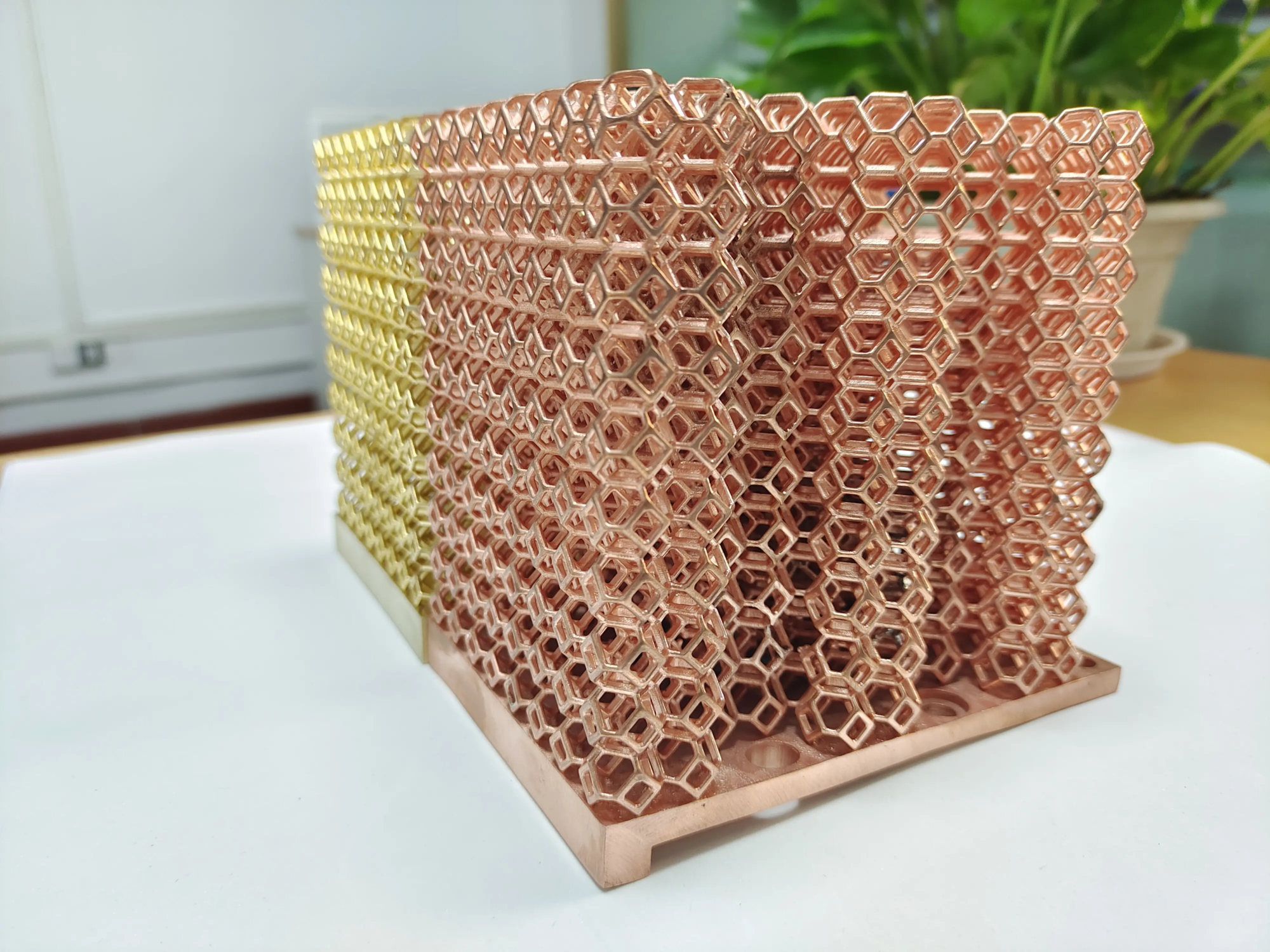
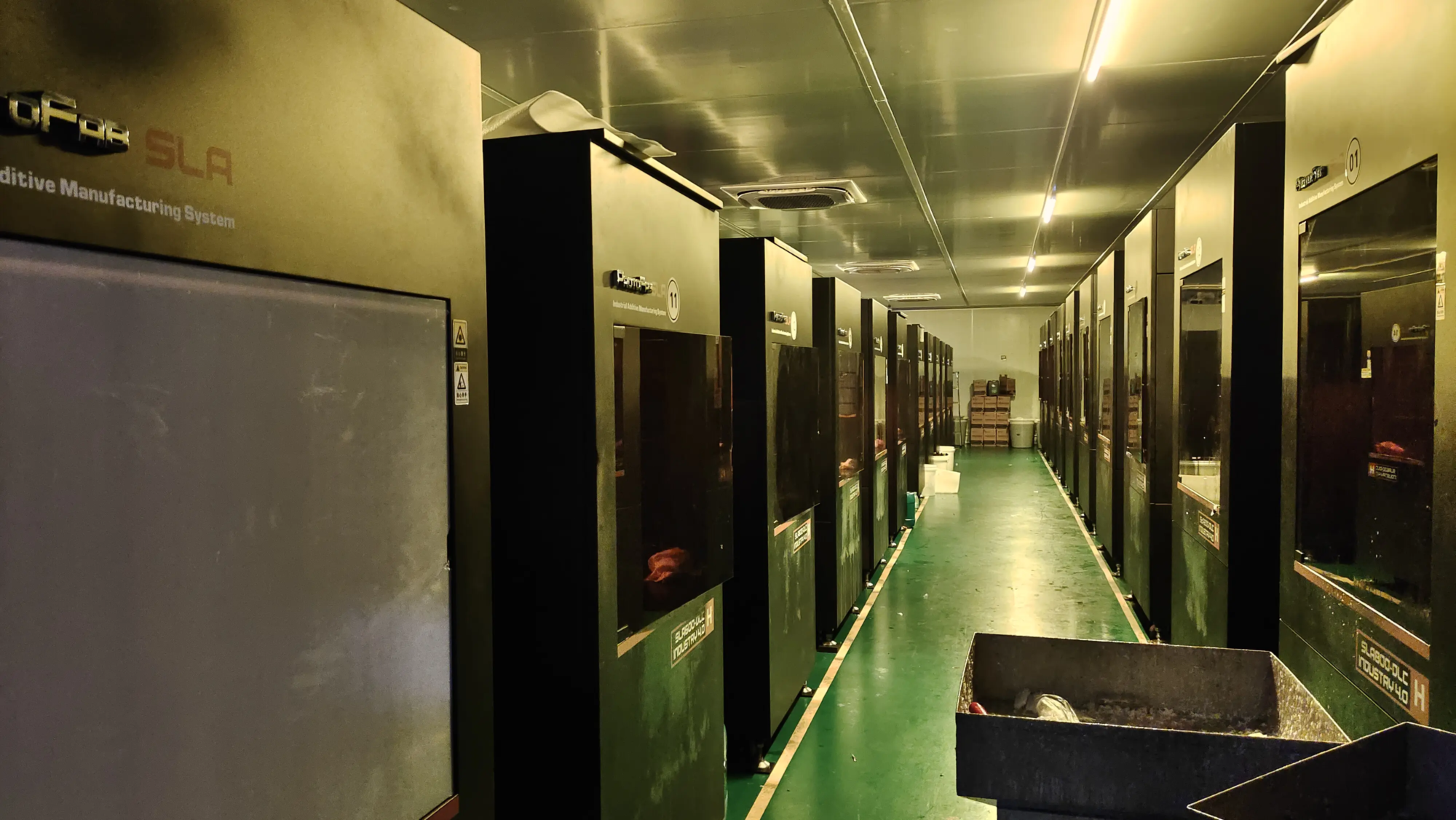
GreatLight uses sealed SLM machines with integrated gas filtration, ISO 6 clean rooms for powder handling, and automated post-processing to minimize human exposure. Metal additive manufacturing safety certifications include ISO 9001 and ASTM E2900.
in conclusion
Material safety in 3D printing is not optional, but an integral part of sustainable innovation. While PLA or PETG reduce risk for hobbyists, industrial-scale metal printing requires rigorous protocols, such as the one embedded in GreatLight’s SLM workflow. By prioritizing ventilation, material certification and advanced equipment, users can realize the potential of 3D printing without compromising their health. As additive manufacturing advances, proactive safety measures have become not only a guideline, but an industry imperative.
FAQ: Safe 3D Filament Practices
Question one: Can I safely print with ABS indoors?
one: Only suitable for housings with industrial grade filtration (e.g. ULPA + carbon filter). Always wear a NIOSH N95 mask.
Question 2: yes "non-toxic" Are filaments really safe?
one: "non-toxic" Typically refers to the finished part, rather than emissions from the printing process. Verify VOC data in SDS table.
Q3: What temperatures trigger harmful emissions?
one: Most VOCs are released at temperatures >200°C. PLA/PETG is safer at lower temperatures (<210°C).
Q4: What do I do with failed prints?
one: PLA/PHA is industrially decomposable. Due to its chemical composition, ABS/resin requires specialized recycling.
Q5: Can GreatLight safely handle SLM metal powder?
one: Yes – the powder is stored and processed in an oxygen-free environment and uses an explosion-proof system that complies with NFPA 484 standards.
Expert precision, engineering responsibility
At GreatLight, we combine high-precision SLM metal prototyping with uncompromising safety to provide rugged parts for the aerospace, medical and automotive industries. From material sourcing to finishing, our processes minimize ecological impact while maximizing part integrity. explore [Your Project Link] Start your secure prototyping journey today.