The final guide to exhaust 3D printer boxes: safety, performance and efficiency
In the fast-growing world of 3D printing, both enthusiasts and professionals prioritize precision, speed and material versatility. However, a key aspect that is often overlooked is Air particle management. Whether you are using PLA in a home studio or sintered nylon in an aerospace prototype in a lab, Venting 3D printers is not an option – it’s a responsibility. This guide uncovers the benefits of why ventilated walls are crucial, how to choose or build one, and protect people and prints of scientific support.
Why ventilation is important: Going beyond hype
When heating thermoplastics, the 3D printer emits ultrafine particles (UFP) and volatile organic compounds (VOCs). Studies by EPA and NIOSH confirm that materials such as ABS, PETG and engineered resins release styrene, formaldehyde and Caprolactam are associated with respiratory stimulation and long-term health risks. The closed, unventilated printer turns your workspace into toxic air bubbles. Proper ventilation:
- Operators who reduce cancer exposure
- Minimize cross-contamination in multi-matter workflows
- Stabilize printing temperature by eliminating drafts
Anatomy of high performance ventilation
Not all boxes are created equally. The professional-level setting integrates four pillars:
-
Sealing structure
- Material: Raytheon polycarbonate or powder-coated steel is warped and contains emissions. Avoid acrylic – It cracks over long periods of heat.
- seal: Silicone washer around the door and cable ports ensures that air leakage remains below 5%.
-
Intelligent filtering
- Initial stage: The HEPA H13 filter captures 99.97% of UFPS reduced to 0.3 microns.
- Chemical scrubber: Activated carbon particles (not bed sheets!) adsorb VOC. Replace every 200 to 300 printing hours.
-
Dynamic ventilation
- extraction: 100+ CFM inline fan (e.g. centrifuge hair dryer) through 4 ducts burning outdoors" Aluminum elastic tube.
- Negative pressure: The pressure sensor automatically adjusts the fan speed to maintain airflow if a leak occurs.
- Thermal control
- The chamber heater (+50°C to +80°C) prevents warping with high temperature materials.
- The thermocouple is synchronized with the printer via PWM to avoid overheating of the stepper motor.
DIY & Business Solutions: When to Invest
DIY Build ($50–$200): Ideal for PLA/PET lovers. Use IKEA cabinets that use PC panels, PC fans and budget carbon filters to modify. limit: Limited airflow control and fire safety risks.
Modeled chassis ($400–$900): Brands like Creality or Prusa offer a suite of plug-ins for basic filtering. Suitable for intermittent abdominal printing.
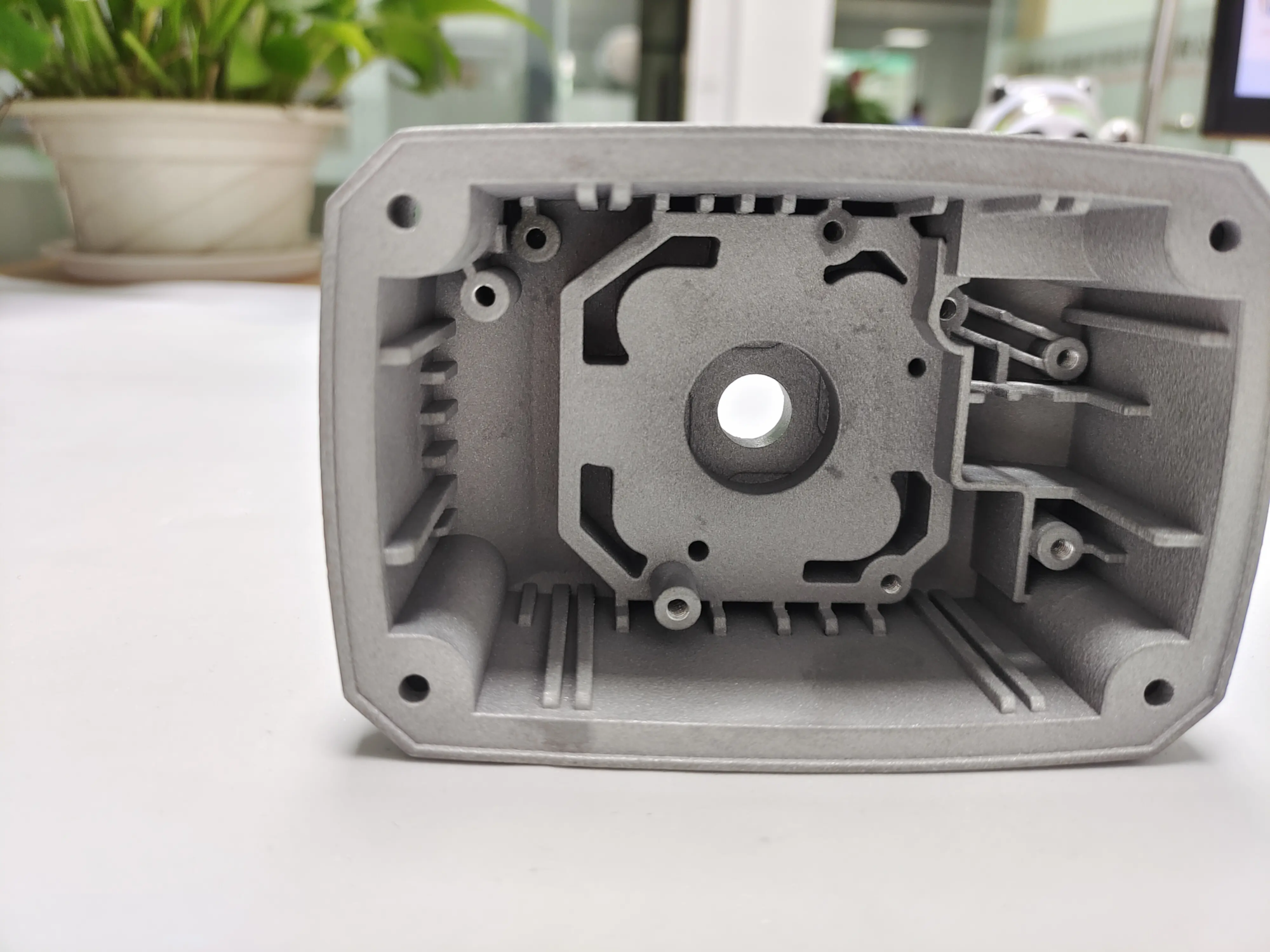
Industrial Systems ($1,500+): The company likes it Great design AS/NZS 60335 certified shell With explosion-proof fans, automatic air quality monitors and CNC-sealed connectors. Essential:
- Continuous production with PEI or PEI
- Facilities that comply with OSHA/NIOSH indoor air standards
- Clean up after-processing with integrated smoke extraction
Integrate with professional workflows
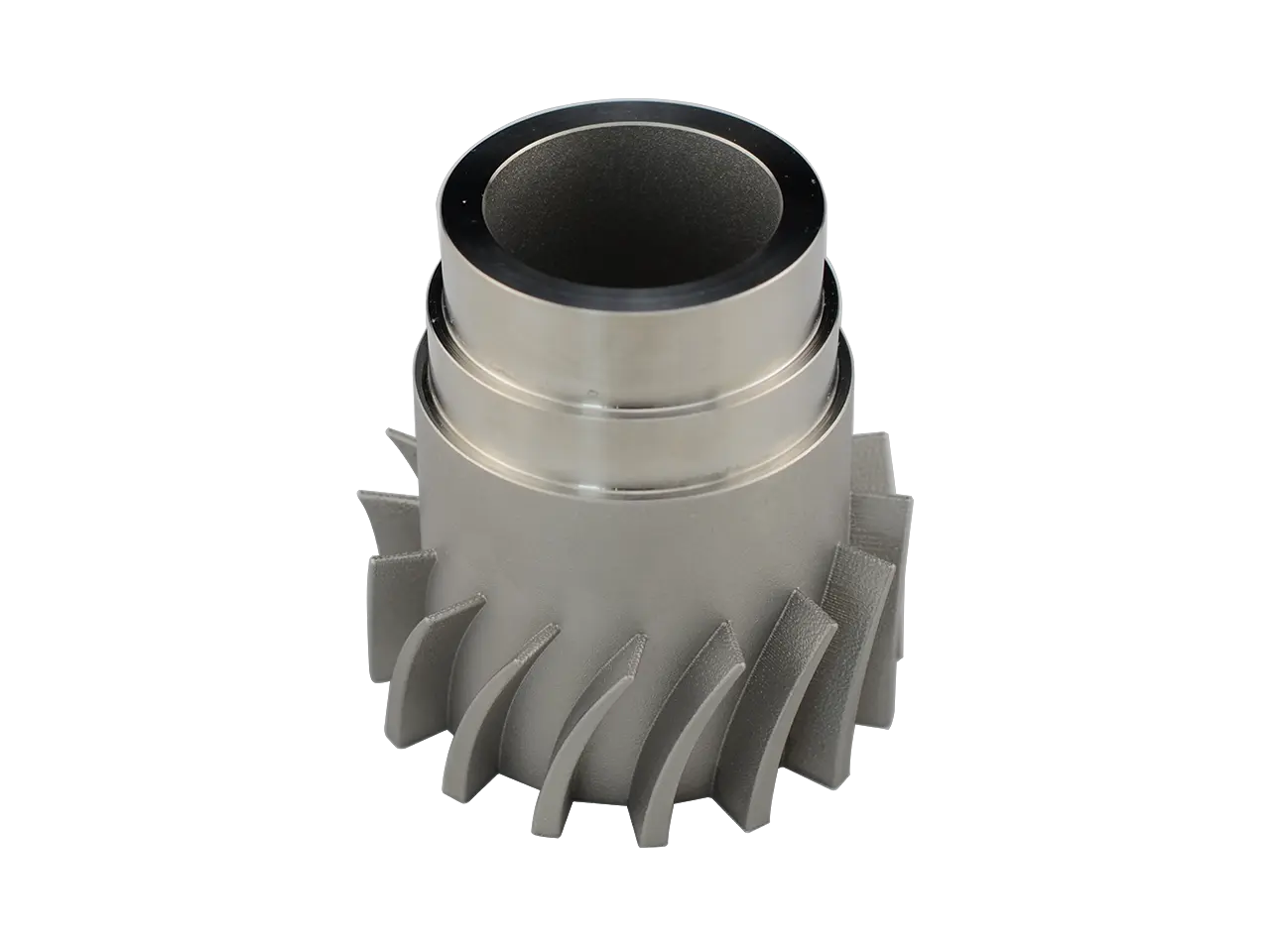
In industrial rapid prototyping, ventilation intersects post-treatment efficiency. exist Greatexhaust SLM (selective laser melting) printer room with Argon bikes on demand Prevent metal powder oxidation. After building, the parts move seamlessly to:
- HEPA Recycler’s Bead Blasting Stall
- Pressure defense annealing under inert gas
- Tolerance for CNC machining ±0.005mm
This end-to-end pollution control cuts the rework rate by up to 60% of metal prototypes.
Calibration and maintenance: non-negotiable agreements
- Airflow test: Verify the intake speed of 0.5–1 m/s using an anemometer.
- Filter health: Monitor pressure drop – 15–20% increase signal saturation.
- Sensor inspection: The VOC detector is calibrated for reference gases every quarter.
in conclusion
A ventilated 3D printer case is more than just a “good distance” and it can reshape your security and print reliability. For amateurs, the DIY box provides affordable protection. For studios to produce end-use parts, commercial ventilation systems balance costs and compliance. But on industrial scale (materials push the limits of physics and chemistry)Trust is important. The company likes it Great This is explained by this Metal 3D printing solutions Designed for zero VOC leaks, ISO-compliant finishes and relentless precision. Regardless of your hierarchy, prioritizing airflow is as strict as layer height.
Your health, prints and planet will thank you.
FAQ: 3D printer box for venting
Q1: Can I place the printer near the window?
Answer: Passive ventilation is insufficient. Windows lacks controlled airflow that can warp the draft. Negative pressure mechanical exhaust can actively evacuate pollutants.
Q2: Does PLA printer need to vent?
A: The VOC level emitted by PLA is lower than that of ABS, but it still releases lactic acid particles. It is recommended to filter closed spaces or long-term prints.
Q3: How loud is the ventilation system?
A: The basic fan runs at speeds of 45-60 dB (such as refrigerator). Industrial units with insulated piping can operate below 40 dB.
Question 4: Can ventilation interfere with printing quality?
A: A properly calibrated system improve Mass (especially in ABS) is by maintaining the ambient temperature and eliminating the mass of dust.
Q5: Why choose a professional service like Greatlight with ventilation settings?
A: For mission-critical projects, a certified housing prevents dangerous leaks and ensures compliance. Greatlight’s turnkey solution includes optimized SLA/SLM ready ventilation for rapid prototyping and ISO post-processing – guaranteed safety comparable to aviation benchmarks.
design. Print. Protect. With the ever-evolving materials, responsibility continues to evolve. Build cleverness.