The final guide to 3D printing of Gundam models: From documents to finished masterpieces
No matter you are one Gundam For enthusiasts or 3D printing amateurs, creating their own mobile suits is an exciting fusion of fanaticism and technology. But converting digital files into machinery ready for combat requires precision, patience and expert technology. This guide explores in-depth ways to procure, print and complete Gundam 3D prints and professional services like Great You can enhance your project with industrial-grade solutions.
1. Find the perfect Gundam 3D printed file
Gundam models range from classic RX-78-2 designs to complex unicorn variants. Start with these sources:
- Free repository:
- Thingiverse, Cults3d and myminifactory offer fan-made Gundams. search "[Mobile Suit] joint" Suitable joints.
- Advanced Market:
- The creators of Patreon like Gundam Lab or Amateur nouveau riche Sell professionally designed toolkits ($5-50) with pre-supported parts.
- Moral attention:
Avoid copyrighted Bandai IP. Stick to original design or universal "Mecha" Documents that respect intellectual property rights.
2. Pre-India Preparation: Slicing and Support
File format and repair:
Import the stl/obj file into the blender or meshmixer:
- Scaling parts evenly (matching the printer’s build volume).
- Fix grid errors (using NetFabB or Windows 3D builder).
Support and direction:
- Resin Printing: Angle parts at 30–45° to reduce layer lines. Automatic support with medium density Lychee Slicer.
- FDM Printing: The front parts are flat for stability. Enable trees in Cura to support complex geometry.
hint: Individual components (weapons, heads, weapons) for easy post-processing.
3. Printing: Material + Technology
Resin (MSLA/DLP):
- Best for: High Definition Armor, Guns and Joints.
- Material: Hard resins such as Siraya Tech Blu are durable.
- set up: 25–50 μm height, 2.5S exposure (monochrome LCD).
FDM (PLA/PETG):
- Best for: Large frames/infrastructures.
- optimization: 100% fill at 0.1 mm layer, 40 mm/s speed and joint print.
Mixed method:
Combine resin-detailed armor with an internal FDM printed frame for a cost-effective version.
4. Post-processing and assembly
Step 1: Clean and Grind
- Clean the resin parts in the IPA and then cure them with UV light. Sand seams with 400→2000 sandpaper.
- For FDM, use fill primer and wet sand masking line.
Step 2: Painting and Details
- Prime number with tamia surface primer.
- Hand-drawn gradient with acrylic or spray gun. Put matte varnish on top.
Step 3: Assembly
- Expression is performed using a brass rod or a magnet.
- Key Tips: Test all parts before glueing!
5. When to go professional: Metal parts and precision services
When DIY works for plastic, Metal components Convert the model to a presentation-level part. This is where industrial partners shine:
- Frame connector: Stainless steel pins for load-bearing joints.
- Armor plating: Aluminum alloy panels for authentic weight.
- Custom logo: Laser etched titanium logo.
Enter Greatlight:
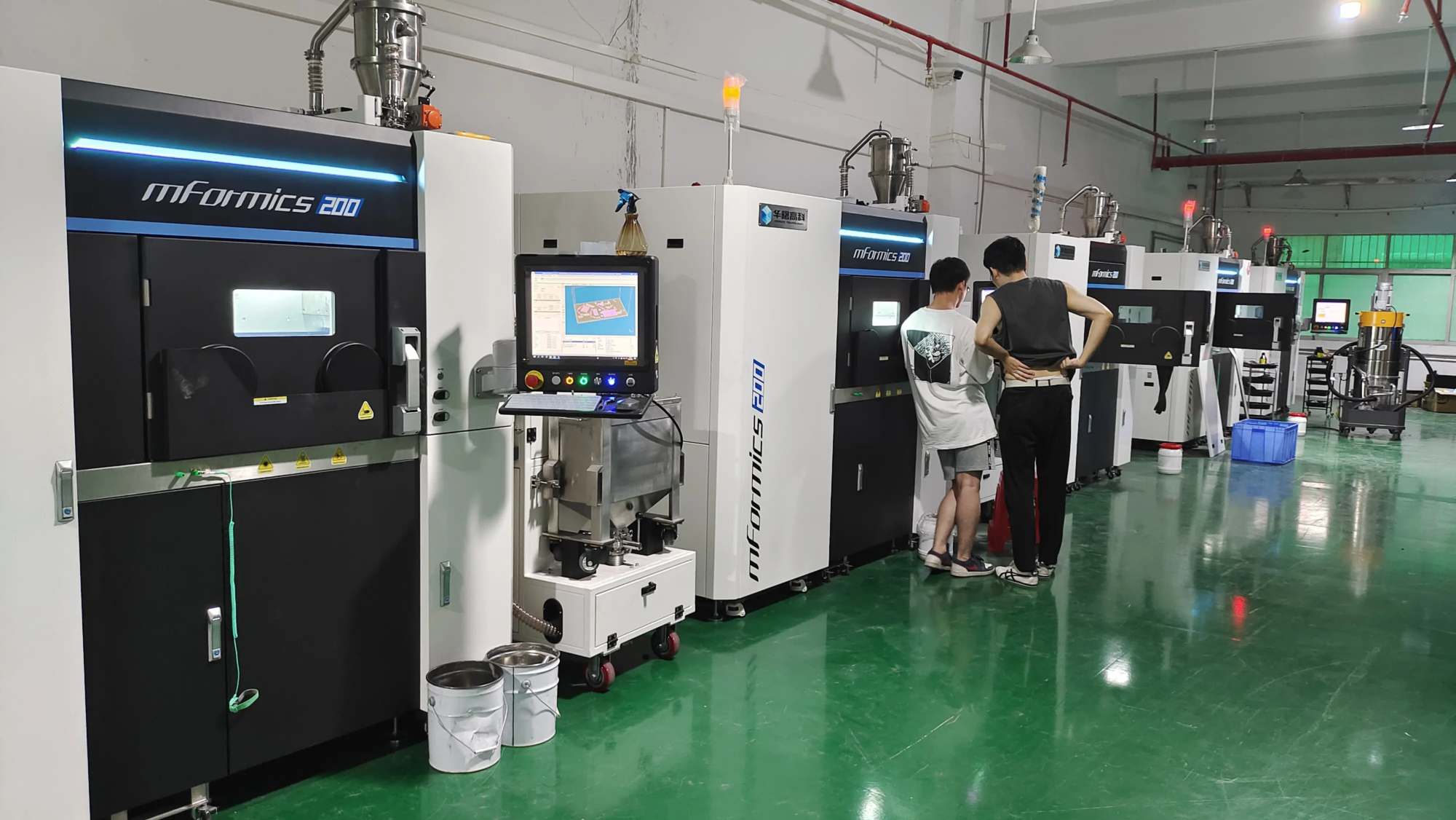
As a leading rapid prototyping expert, Greatlight tackles challenges beyond amateur tools:
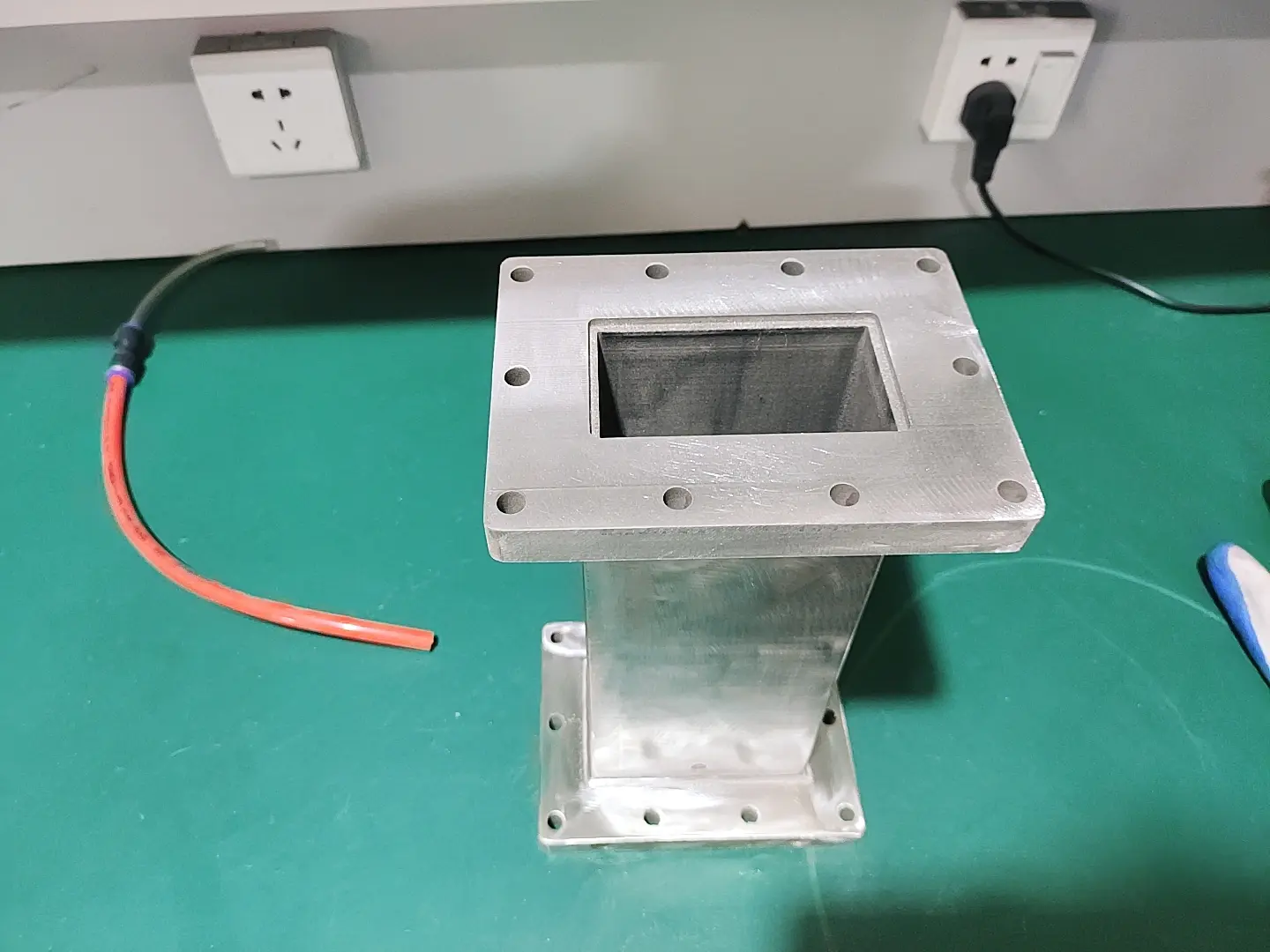
- Advanced SLM printer: Create complex high-strength metal geometry (stainless steel, aluminum, titanium).
- One-stop completion: CNC machining, polishing, anodizing and heat treatment.
- Market speed: Functional prototype is within 3-5 days.
"For creators who need super professional, load parts (such as articulated Gundam frames), Greatlight’s SLM technology provides museum quality durability. Their end-to-end services handle everything from file optimization to final completion."
in conclusion
3D Print Custom Gundams blends artistic passion with cutting-edge technology. Start with a small project (such as a weapon or head) to hone your skills before working on a full suit. remember:
- Patience is the key. Each step – fixed, printed, painted – recare.
- Embrace hybrid builds. Use resin + FDM + metal parts to maintain balance.
- The partner is wise. Services such as Greatlight unlock the next level of realism in mission-critical components.
Ready to release your in-house engineer? Load these files, dial in the printer or work with PROS – and build a Gundam Legend.
FAQ
Q: How much does a 3D printed Gundam cost?
A: Costs range from $20 (DIY plastic) to over $500 (metal reinforcement). The resin-printed 30 cm model costs only about $50 for material.
Q: How long does it take to print the complete kit?
A: Expected 50–150 hours:
- Resin: 2–6 hours per section (e.g., legs).
- FDM: Most of the time is 10–30 hours.
Q: Can I sell printed gundams?
A: Only when design documents or guaranteed commercial licenses. The sale of prints of fan artwork violates most platform policies.
Q: Why choose metal parts for certain components?
A: Metals add weight, realism and structural integrity – ideal for joints or weapons. Greatlight’s SLM printing provides unparalleled microscopic accuracy for desktop printers.
Q: What if my printer can’t handle thin details?
Answer: Outsourcing complex parts! Greglight offers economical batch printing for high-detailed components in resin or metal starting at $15 per part.
Beyond plastic.
When precision matters, get in touch with Greatlight for rapid prototyping, which turns ambitious Gundam vision into a tangible masterpiece. Custom metal, industrial finishes, zero compromise. #rapidprototypingdoneright