Release bed adhesion: Surprise ability of hair spray in 3D printing
Achieving the first layer of perfection in 3D printing is often the difference between a successful masterpiece and a tangled spaghetti monster. Despite the presence of dedicated adhesives, many manufacturers have found a surprisingly effective, affordable and ready-to-use tool lurking in common household items: hairspray. This guide delves into the practicality of using hair spray for 3D printed bed adhesion and provides expert tips to maintain consistent results.
Why does hairspray even work?
Hair spray provides adhesion through a clever mechanism:
- Cheesy layer: The main active ingredients are polymers (usually vinyl acetate or acrylate copolymers) and solvents. During spraying, the solvent evaporates, leaving a thin, sticky polymer film on the construction plate.
- Surface interactions: This cheesy layer greatly increases the contact area between molten plastic (especially PLA, PETG, ABS) and the build surface. It produces a higher coefficient of friction than bare boards.
- Pressure-sensitive bond: The film provides mild stress sensitivity. It’s powerful enough to securely secure your print edges while cooling and shrinking, but is weaker and can be relatively easy to remove once the print is completely cooled and the adhesive layer becomes brittle.
- Release agent effect (violating the enterprise): On surfaces such as textured PEI or glass, once cooled, the adhesion decreases significantly. Hair spray film is essentially a separate layer that prevents prints from bonding also Permanently to the plate itself.
Hair Spray Elements: Types, Selection and Application Tips
Not all hairsprays are equal. Here is what you are looking for and how to use it effectively:
-
Choose the right spray:
- Stay strong: choose Extra or Maximum value variety. These contain higher concentrations of cheesy polymers. avoid "Take it lightly," "Natural light," or "Flexible to keep" Types – They lack the necessary stickiness.
- raw material: Find vinyl acetate (VA), acrylate copolymer or PVP (polyvinylpyrrolidone) in the ingredients list. Avoid oil, conditioner ("Enhanced"), if possible, heavy silicon or perfumes as they can leave residue or interfere with adhesion. It is usually preferred to be tasteless.
- Style/Aerosol: Stick to standard aerosol hair spray. Avoid pump sprays, mousse, gels or waxes – they lack the fine mist and evaporation properties required.
-
Surface preparation is key:
- Clean first: This cannot be exaggerated. Remove the build board (or mask from the printer component). and Warm water and wash soapand then dry it thoroughly. follow Isopropanol (IPA) > 90% Remove any final oil or fingerprint. Dirty plates are #1 reasons why hairspray adheres to failure.
-
Application technology ( "Do"):
- Even coat: Apply hairspray on one Very light, even foggy15-20 cm (6-8 inches) from the plate. You don’t want pools or thick droplets.
- pattern: Use stable full-scale movement throughout the required build area. A very light jacket is usually enough.
- Non-print application (strongly recommended): Always spray leave From your printer! Remove the build board and spray it on a well-ventilated area (such as a strong exhaust fan outside or nearby). For printer electronics and linear guides, hair spray particles are viscous and terrifying. If spraying indoors, use a cardboard box or a dedicated spray booth.
- Let it flash: 30-60 seconds after spraying to allow the solvent to completely evaporate, then place the plate back to the printer and start printing. The surface should be slightly sticky, but not wet.
-
Maintenance and reapply:
- Rarely reapply: Hair spray is not "Once and for all" Solution. Typically, 10-15 small prints (PLAs) or 3-5 larger prints can be done using one application. Reapply for a Very light jacket When you notice that the print starts lifting around the corner (especially materials that tend to twist, such as ABS), or the adhesion feels weaker. Too much accumulation leads to surface imbalance.
- Cleaning accumulation: How often? Adhesion is affected when the surface looks noticeably cloudy/yellow, or despite re-spraying.
- Glass: Remove the plate, use warm water and dish soap and scrub well. Stubborn residues may require IPA or a dedicated glass cleaner.
- PEI/PEX for texture: Use warm soapy water. Avoid harsh abrasives on these surfaces. IPA can help dissolve residues. For large accumulations, a dedicated PEI cleaner may be required.
- Smooth PEI/GAROLITE: Similar to glass – warm soapy water and IPA.
- When hairspray shines (when isn’t):
- Best for: PLA, PETG, ABS (on the heating bed), TPU (flexible). Excellent on the glass, smooth PEI (requires extra fixation) and Garolite. Ideal for prints with small one-layer contact areas.
- challenge: High temperature materials such as polycarbonate or peeping sometimes fail with the hair gel film breaking. Extremely large or easy to bend prints possible More positive solutions are needed. A printer with efficient textured plates (such as PEI of some powder coated layers) is usually not required.
Beyond Hair Spray: Alternatives and Professional Solutions
While hairspray is a fantastic hack for amateurs and prototyping, it’s not the only option:
- Glue stick: Popular, similar bonding principles (PVP), cheap, less chaotic air particles, but difficult to apply evenly.
- Blue Painter’s Tape: Suitable for other poorly pasted materials (like some nylons) that require surface preparation and may leave texture behind.
- Commercial Adhesives: Products like Magigoo, LiseNeer or 3D Gloop offer tailored adhesion and release characteristics.
- Manufacturing board technology: Textured powder coated PEI is usually amazing without adhesive. PEI sheets, Garolite and proprietary surfaces are constantly improving.
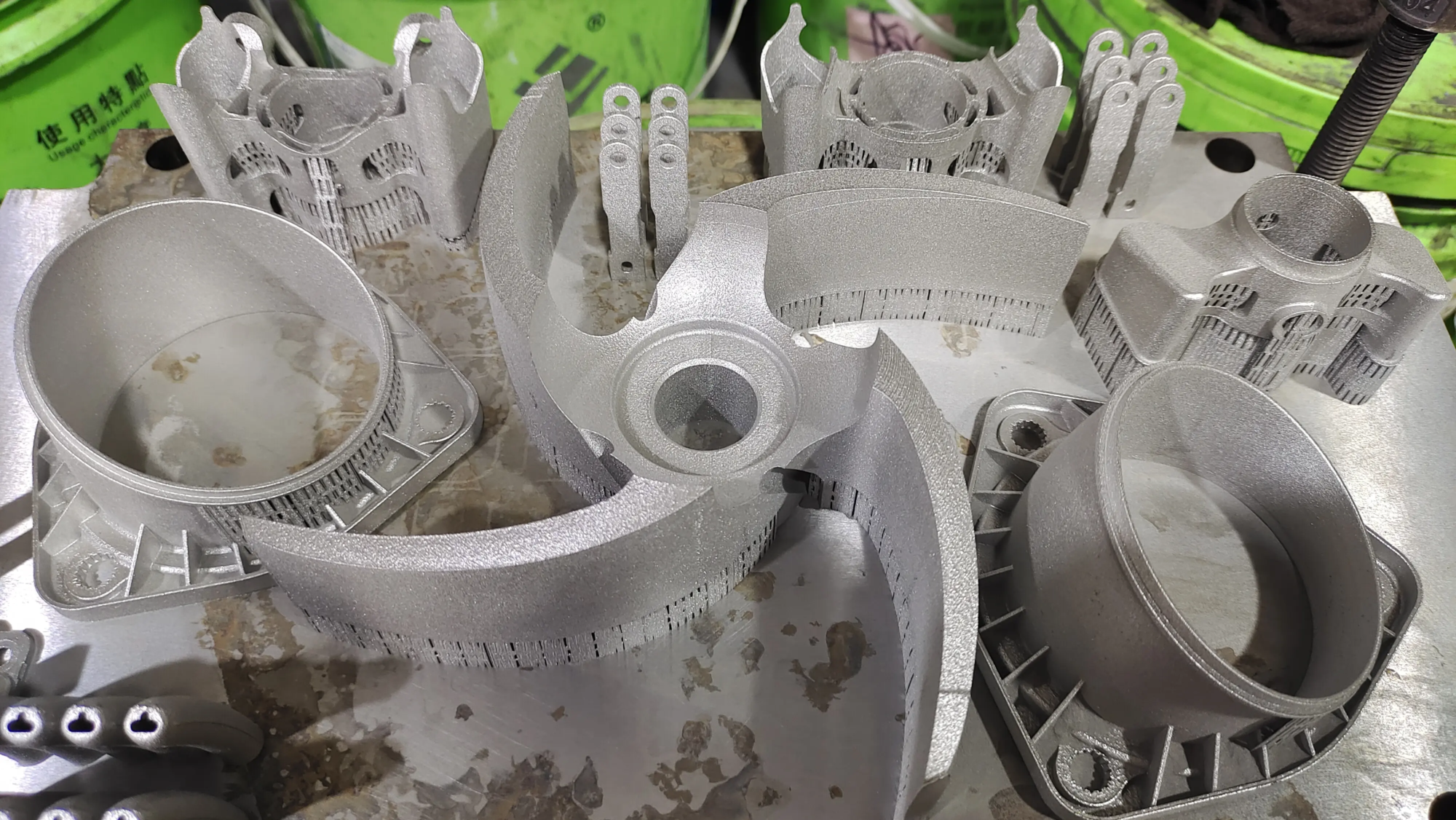
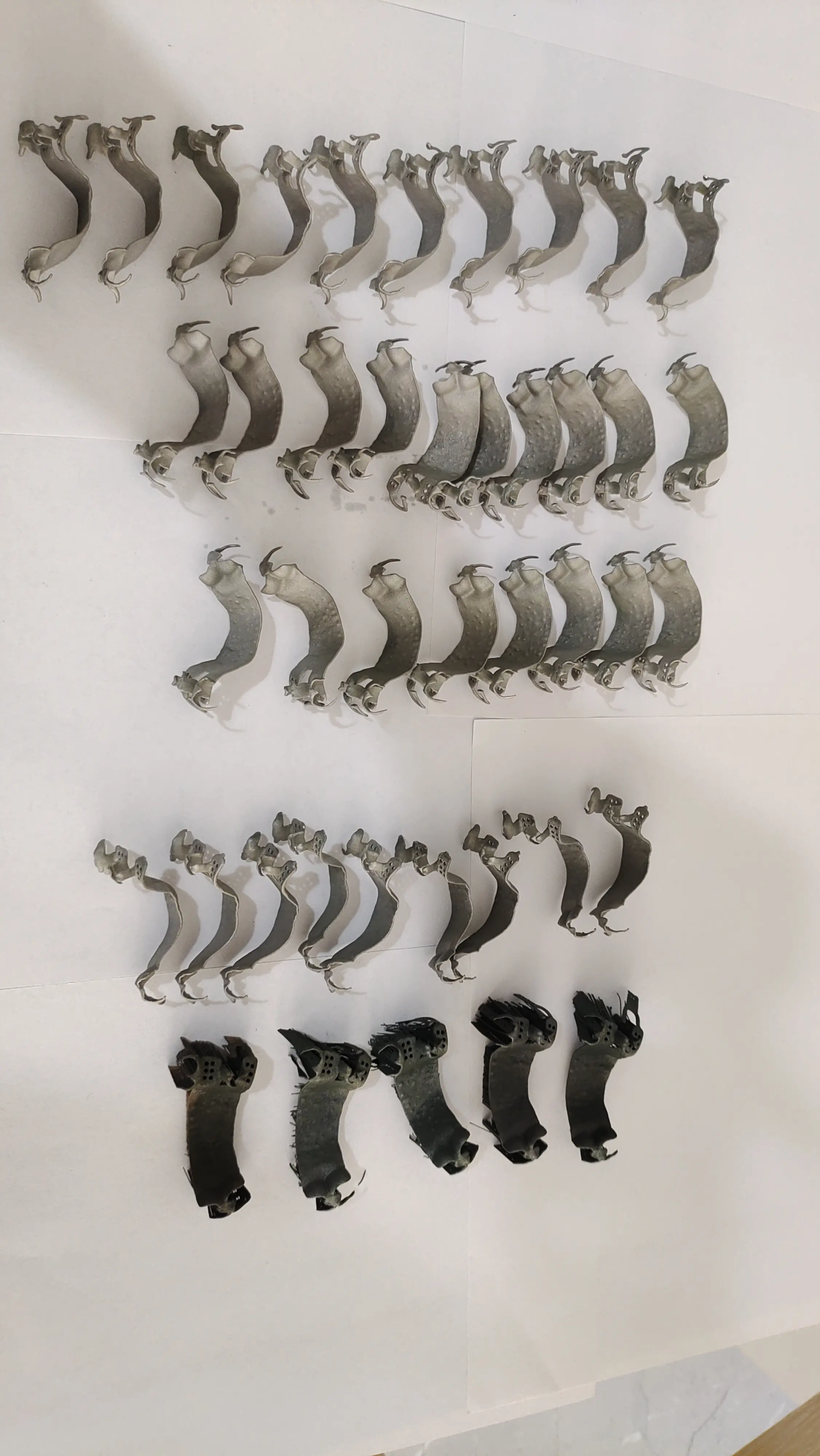
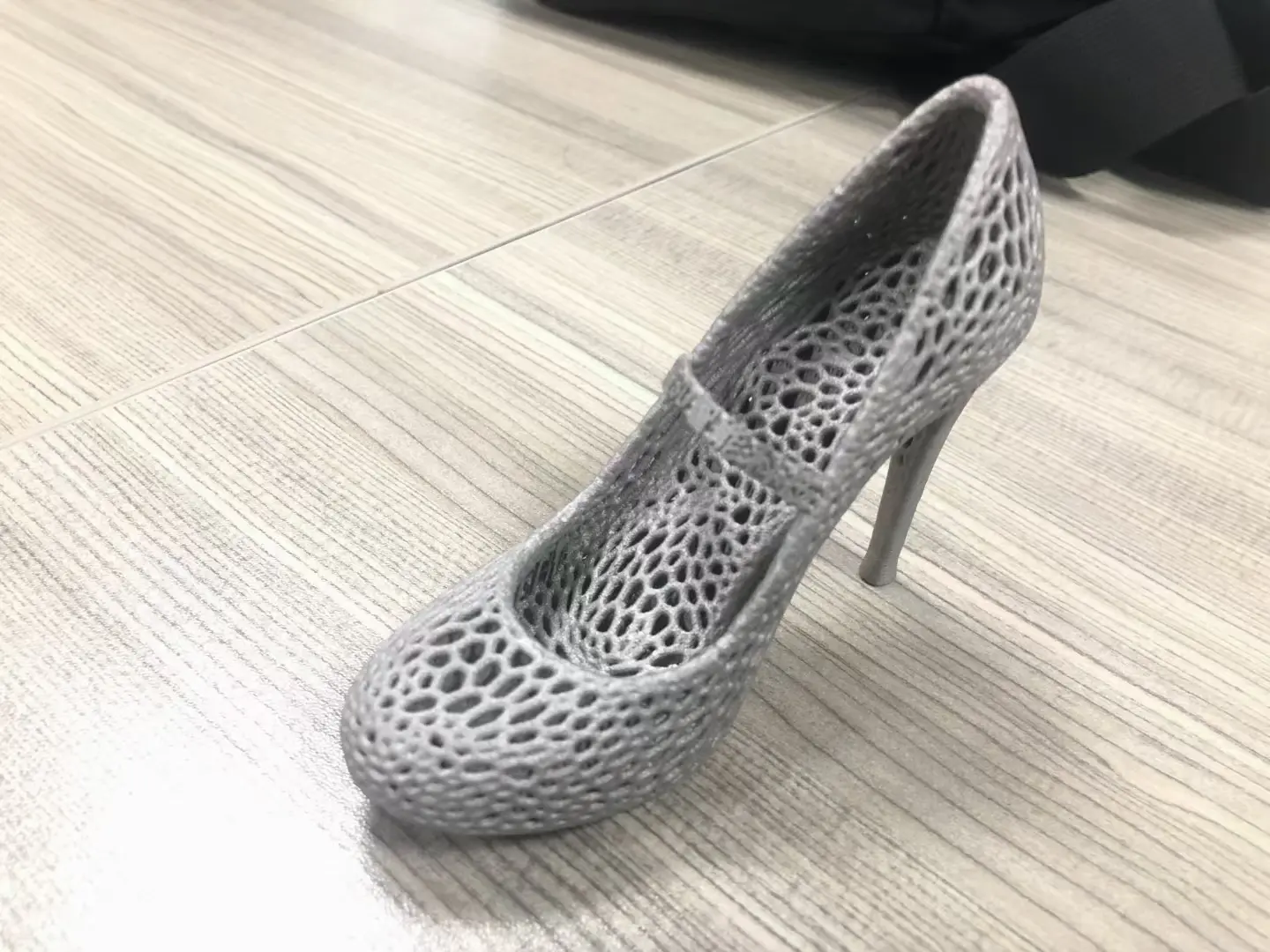
However, for complex projects that require high precision, complex geometry, or metal parts, the challenges of home printing, including bed adhesion, are a huge obstacle. Here, like the professional additive manufacturing services provided by Greatlight, it becomes priceless.
Conclusion: Simplified sticky solutions
In the 3D printing arsenal, hairspray remains a very effective, accessible and affordable tool for managing bed adhesion, especially for PLA, PETG and ABS. Apply the right product by following tips on selecting the right product, carefully surface preparation, and correct application leave From the printer, knowing when to reapply or clean, you can master this technique and greatly improve your printing success rate.
Whether you are making new products, creating functional fixtures or pursuing artistic efforts, conquering the first layer is fundamental. But for businesses and innovators who need reliable high-quality metal parts, without the complexity of home setup, tuning and post-processing, professional services provide the ultimate solution. Greglight Leverages Advanced SLM (Selective Laser Melting) 3D printing technology and comprehensive post-machining capabilities provide precise metal prototypes and end-use parts. From expert design (DFAM) recommendations for additive manufacturing to flawless finishes including critical support removal and polished finishes, Greglight offers a simplified one-stop solution. Focus on your design vision; let professionals handle complex manufacturing at speed and accuracy to ensure your project is perfect and effective. [Customize your precision Rapid Prototyping parts now at the best price!]
Frequently Asked Questions about Using Hair Spray in 3D Printing (FAQ)
Q1: Yes any Can hairspray be safely used on my 3D printing mechanism building board?
A1: No. Avoid heavy oils, silicone, conditioner, or strong fragrance hair as they can interfere with adhesion and leave behind difficult-to-clean residue. persist in Extra hold or Maximum reserved Aerosols with vinyl acetate (VA), acrylate copolymer or PVP as ingredients. If you are not sure, be sure to test the unobtrusive position.
Question 2: Will hairspray damage my printer?
A2: It can be sprayed nearby. The viscous mist settles onto the electrons, lenses, rods and tracks, causing failures and attracting dust. Always remove the build board And spray in well-ventilated areas away from the printer. This is the most critical rule for safe use of hairspray.
Q3: How often do I need to apply hair spray?
A3: This depends on the print size, material and adhesion quality. A light coating usually lasts multiple small prints (e.g. 10-15 PLA models). Fresh application Very light When you notice that the small parts are lifted up at the corners, they are significantly weakened. Avoid continuous re-layering.
Q4: How to clean a manufacturing board with old hair thorn residue?
A4: Remove the plate and wash Warm water and wash soapscrub gently. Rinse thoroughly. Follow with Isopropanol (IPA 90%+). For stubborn accumulation on glass, professional glass cleaners can help. Avoid grinding search pads on textured surfaces such as PEI.
Q5: Why doesn’t my hair spray work? What’s wrong?
A5: The most common reasons:
- Dirty plate: Oil, fingerprints, or old residue prevents proper bonding. Clean carefully with soap/water and IPA.
- The plate temperature is too low: Make sure the filament is properly heated to the bed (e.g., PLA is 60°C and ABS is 80-90°C).
- Incorrect application: Too thick (create a smooth layer), too thin (undervisible) or applied when it is not evaporated.
- Upgrade/z offset: Fundamentally, no matter the glue/hair, a bed too far away from the bed or nozzle can lead to adhesion failure.
- Wrong hairspray type: Use light fixation, conditioning or oil-based sprays.
Question 6: Can hairspray be used safely? Is there any cigarettes?
A6: Standard hair spray contains volatile organic compounds (VOCs) and propellants. Always spray in well-ventilated areas or outdoors. Avoid direct breathing of smoke. Although not usually toxic to the amount used, the limited space can concentrate VOCs. If spraying frequently or sensitive, please wear a mask.
Question 7: Is hair spray suitable for all materials?
A7: It works very well PLA, PETG and ABS On the heated bed. It can help Flexibility like TPU. For high temperature materials (polycarbonate, peep), some nylon (usually better tape), and some special filaments for specific bed types that require a specific bed type, it is usually effective or unnecessary for high temperature materials (polycarbonate, PEEK), some nylon (usually better tape). Always test a small area first.